Responsible business as demographic policy: Necessary national policies for socially responsible business
Author: Fonet
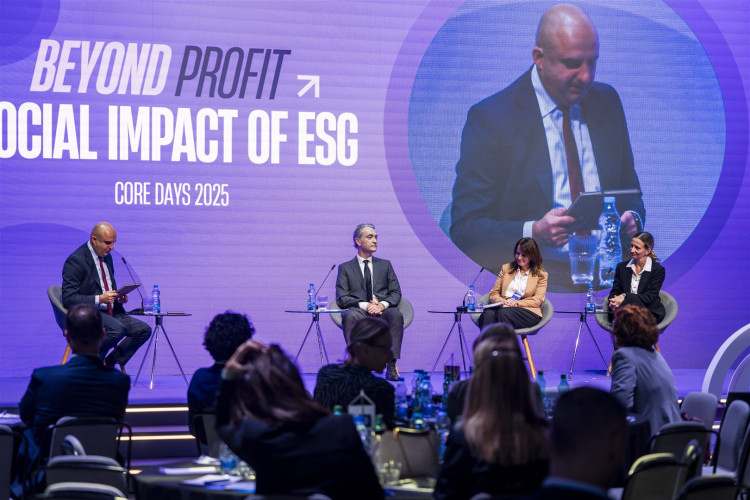
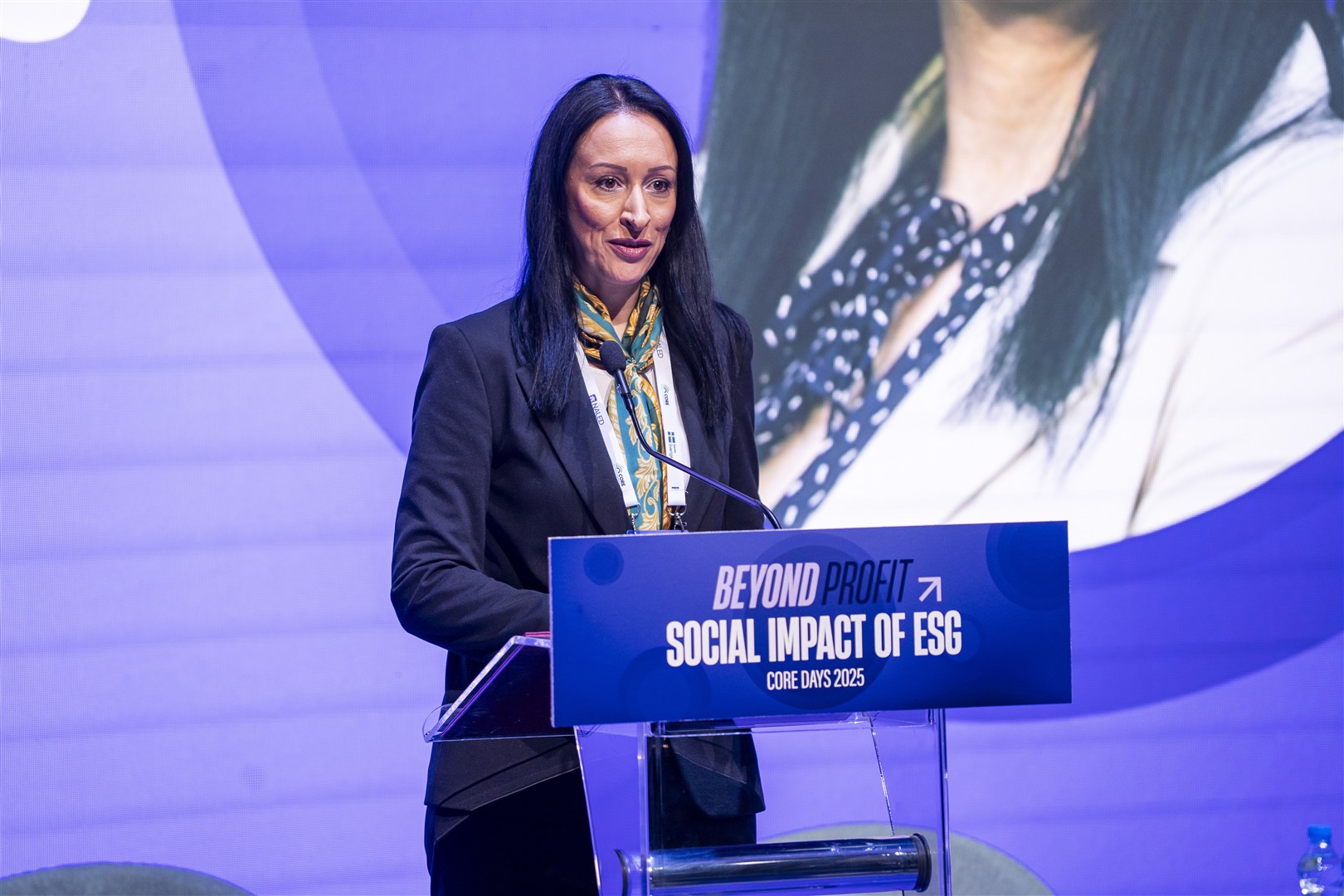
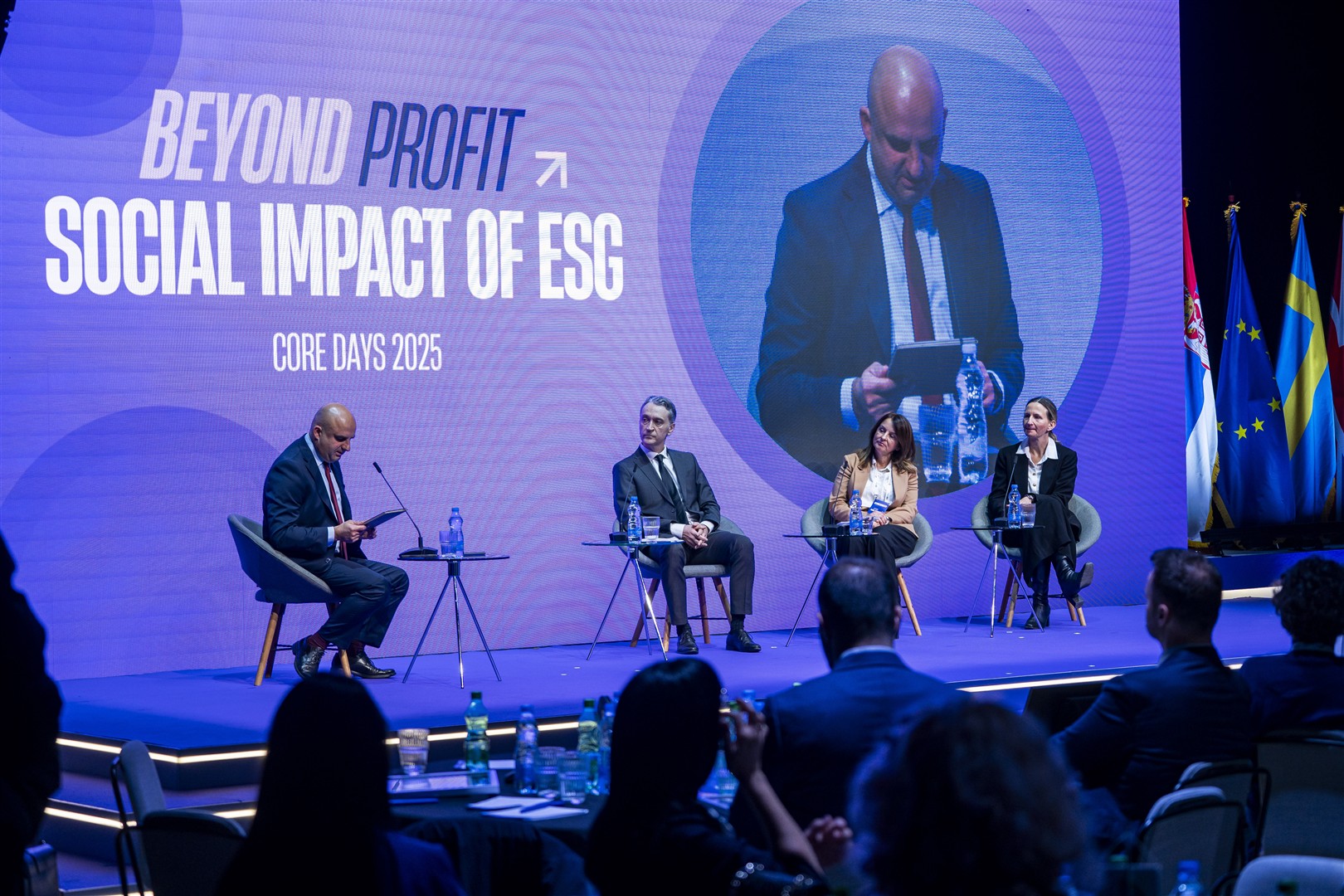
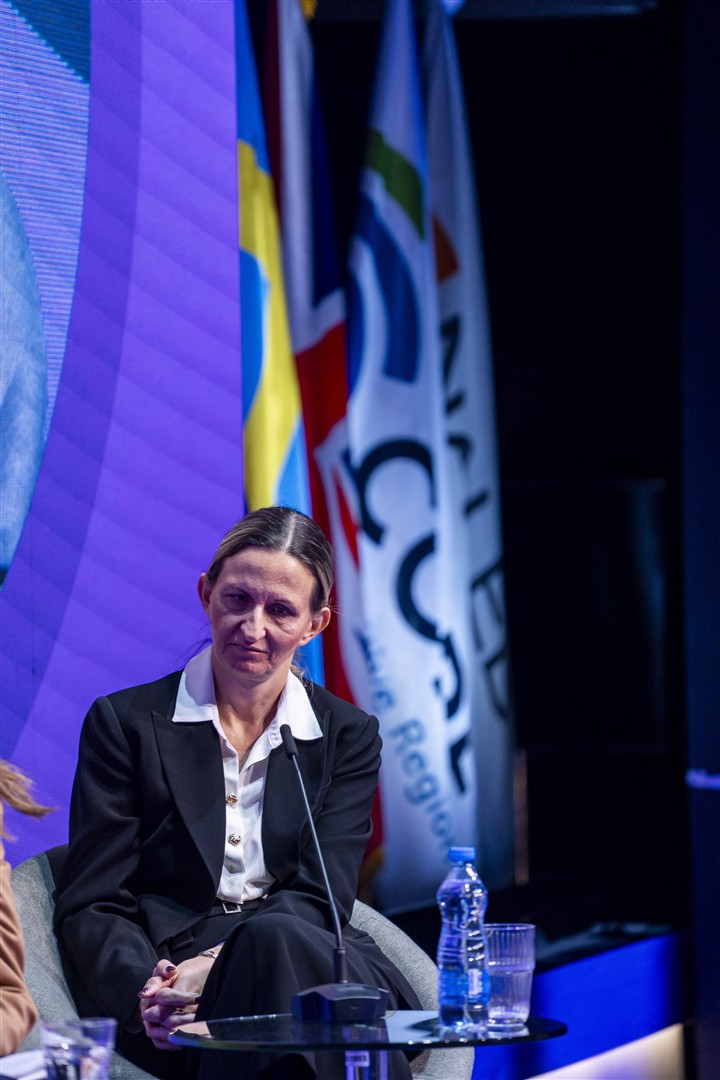
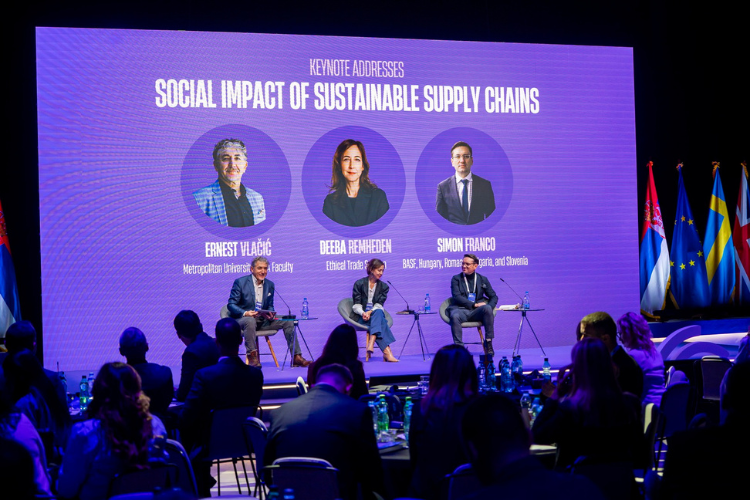
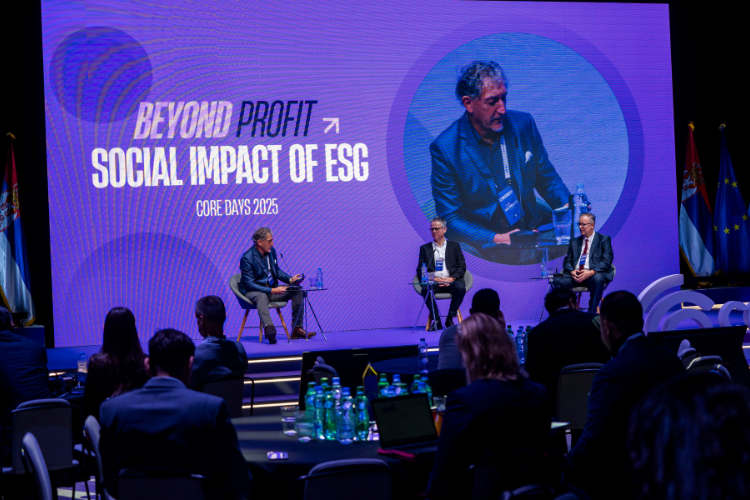
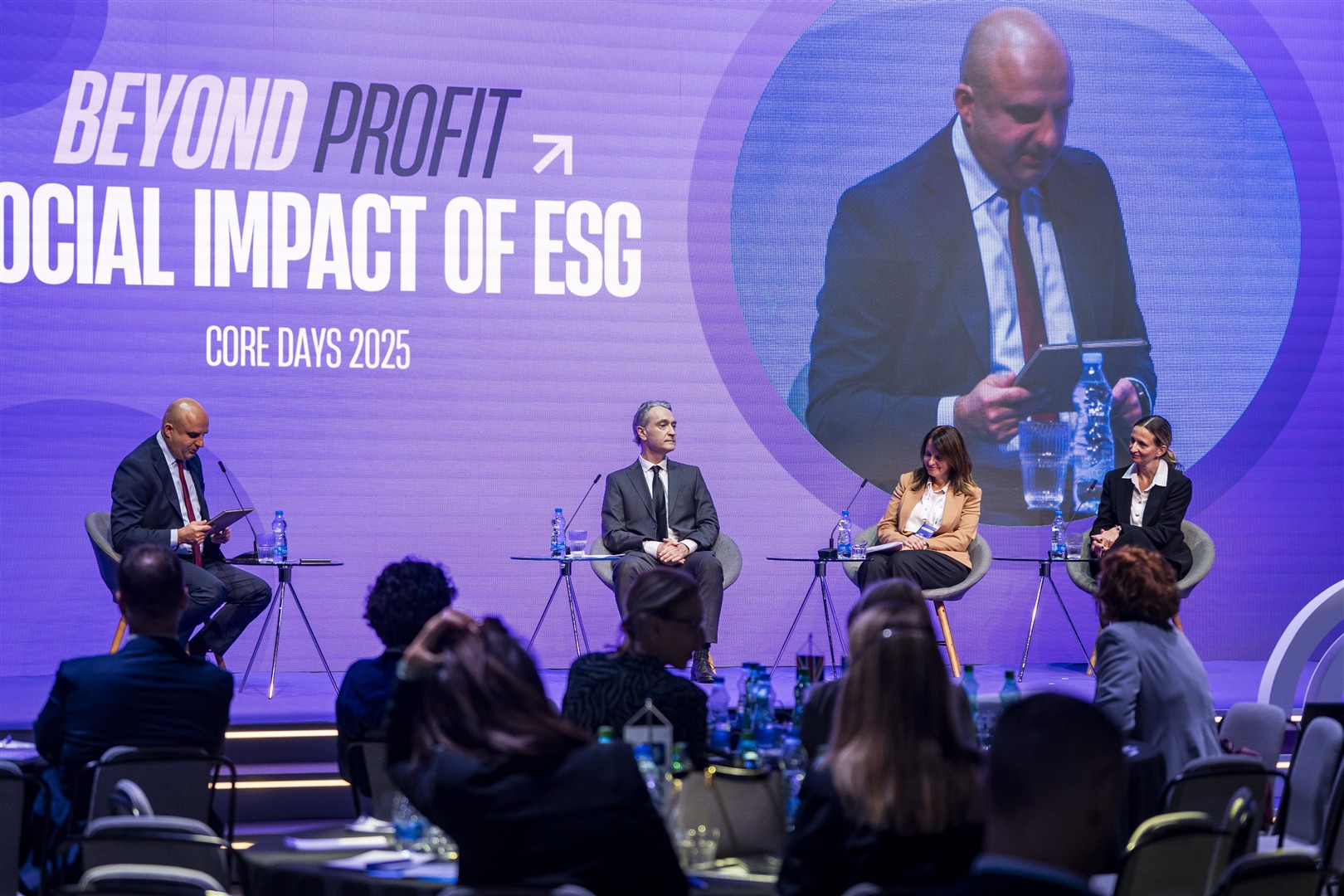
National policies for socially responsible business are for harmonization with European standards and preparing the domestic economy for future obligations, it was assessed at the panel "National Policies for Socially Responsible Businesses" held at the Core Days conference.
Matthew Pennott, representative of the Delegation of the European Union (EU) to Serbia, said that Serbia currently has no alignment with EU legislation in the area of ESG reporting (environmental, social, and governance), but noted that this is not alarming, as key EU directives are new and still undergoing adjustments even within EU member states.
He stated that the EU is in the process of adopting an omnibus package that will reduce administrative requirements and amend the scope of the CSRD and CSDDD directives, including raising the threshold from 250 to 1,000 employees.
“Directives are coming – maybe not today, but certainly tomorrow,” Pennott said at the panel “National Policies for Socially Responsible Business.”
Speaking about gender equality, Pennott emphasized that Serbia has a significant gap in the activity rate of women and men in the labor market – around 15 percentage points.
Although the National Employment Service directs more than 50 percent of its funds primarily toward women, this still does not lead to their greater participation in the labor market, he noted.
“We cannot afford to lose a single worker,” he said, adding that the barriers lie in social perceptions, the availability of childcare, and insufficient investments in social sectors.
He also warned that the gender pay gap in Serbia is not decreasing as in most EU countries, but is – on the contrary – increasing, and that it is necessary to strengthen measures for equal participation of women on management boards and introduce transparency in how salaries are determined.
Serbia’s Minister for Family Welfare and Demography, Jelena Žarić Kovačević, emphasized that policies aimed at reconciling work and parenthood are becoming demographic policies, and that responsible business practices are important for productivity, employee health, and family stability.
She announced the development of the first Strategy for Demographic Development of Serbia for the period 2026–2036, with support from UNFPA, as well as improvements to the “Family-Friendly Employer” program and projects that support employed parents.
Olivera Radić, Head of the Center for Project Management and Analysis from Bosnia and Herzegovina (BiH), recalled that the country has aligned its strategic documents with the Sustainable Development Goals and adopted numerous human rights conventions. She stated that BiH ranks 57th out of 167 countries according to the latest global index and has adopted 22 guidelines for the protection of workers’ rights, which represents progress in inclusive policies.
Tamara Bullock, Director of Corporate Affairs at Tetra Pak, pointed out that for international companies, organizational culture is crucial for attracting talent and developing people.
“ESG for us is not part of the business practice – it is the business practice,” said Tamara Bullock, adding that the company in Serbia implements meritocracy and youth development programs, including the Future Talent Program, through which many employees have stayed with the company for more than 15 years, and some even returned from abroad.