Women Increasingly Taking Decision-Making Roles – Serbia Makes Significant Progress in Gender Equality
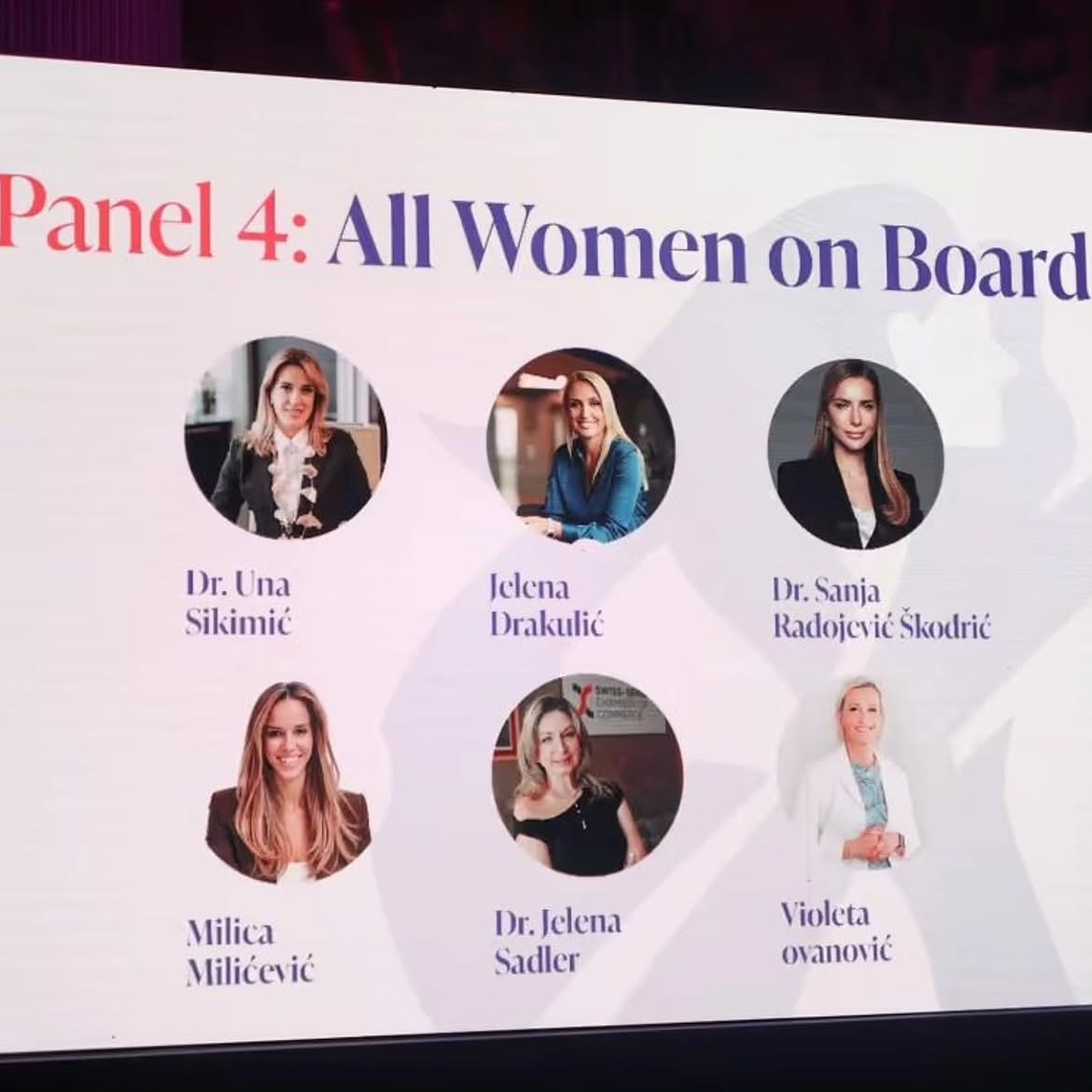
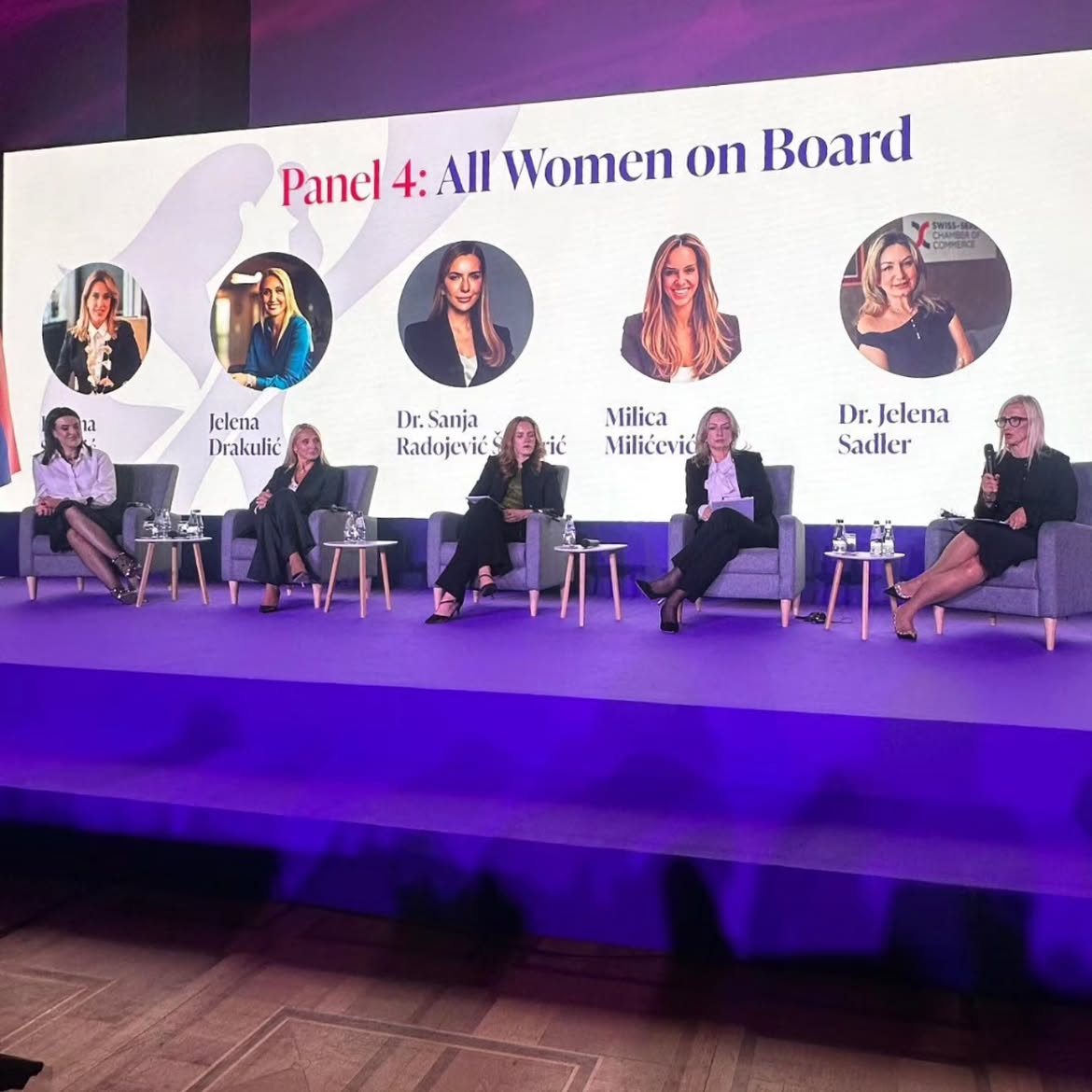
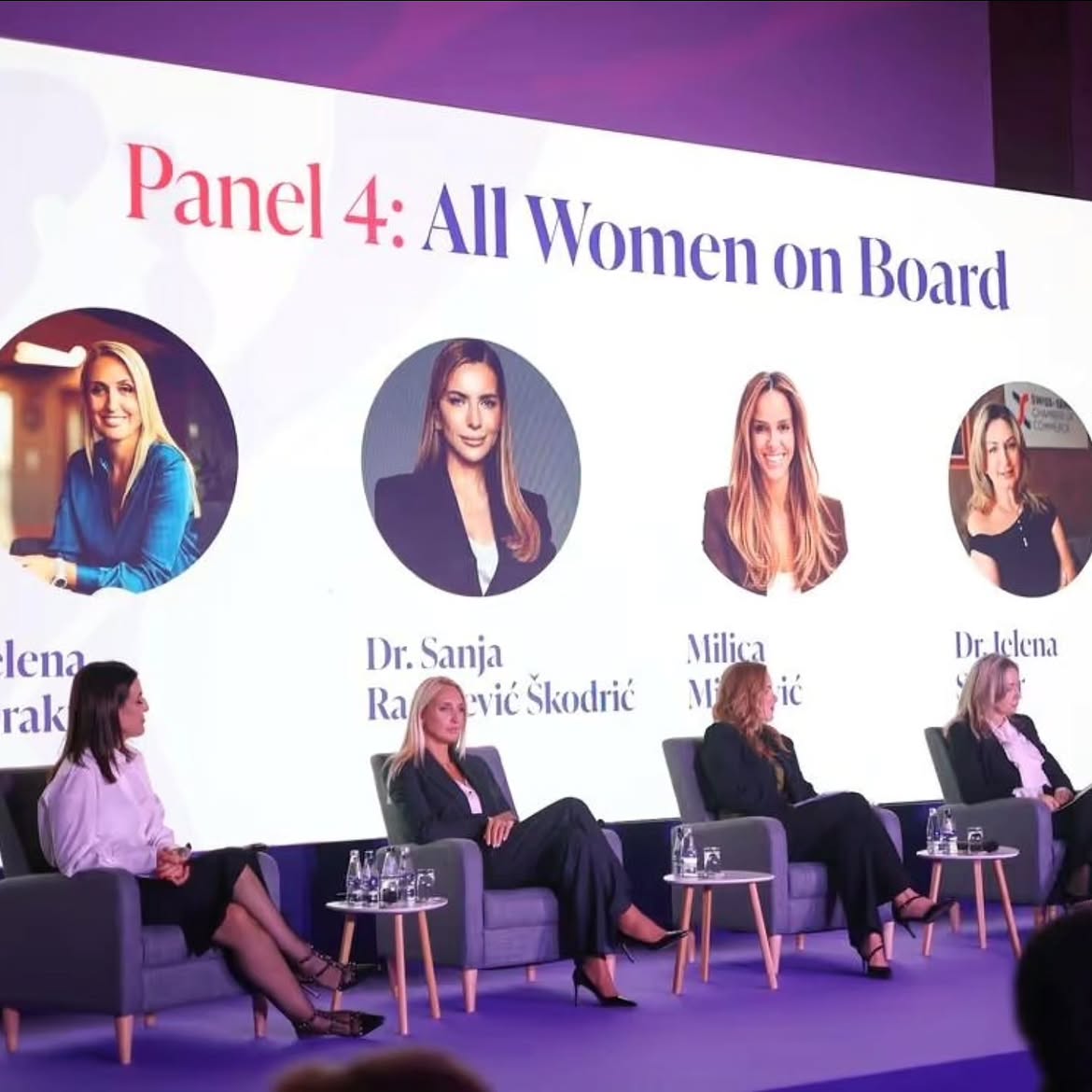
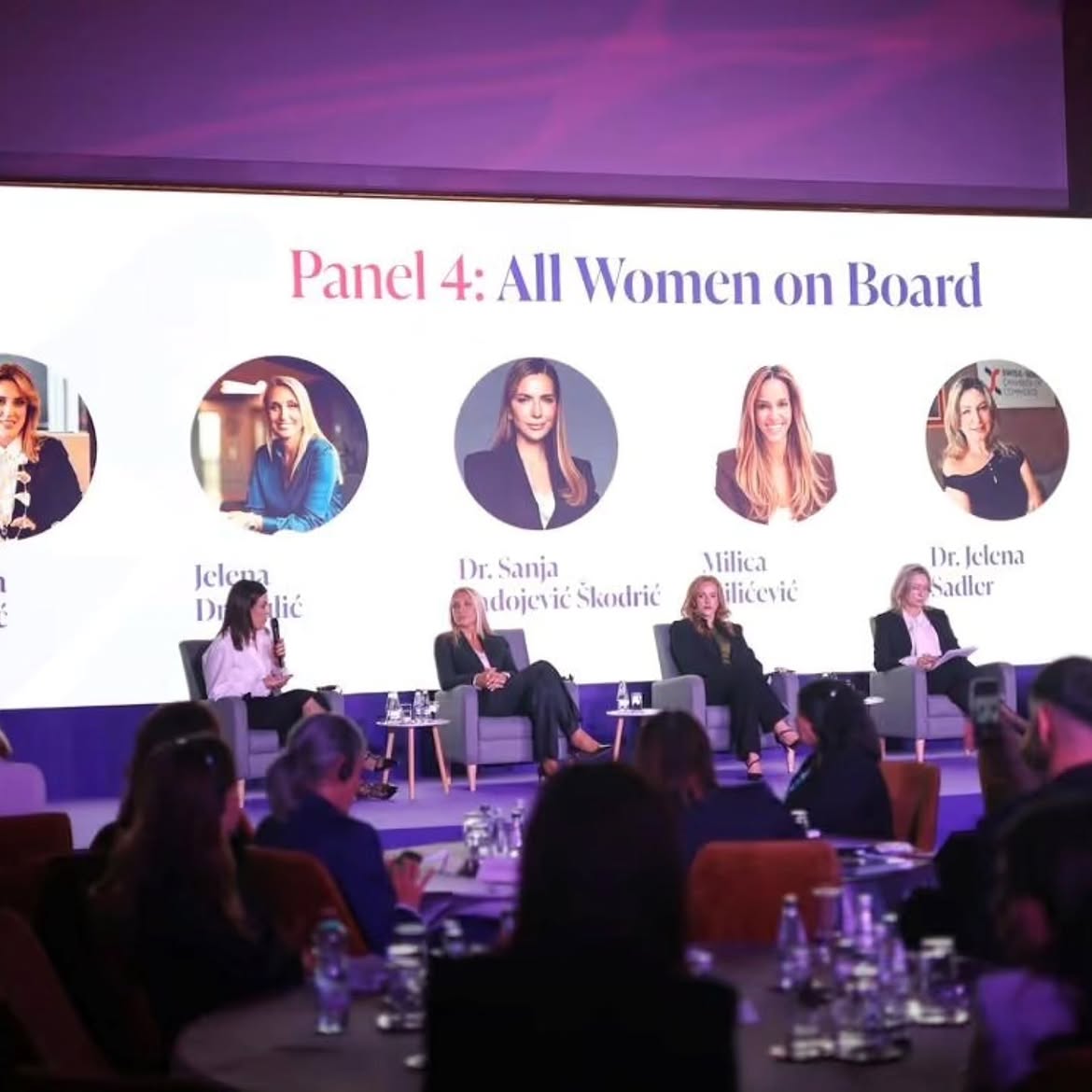
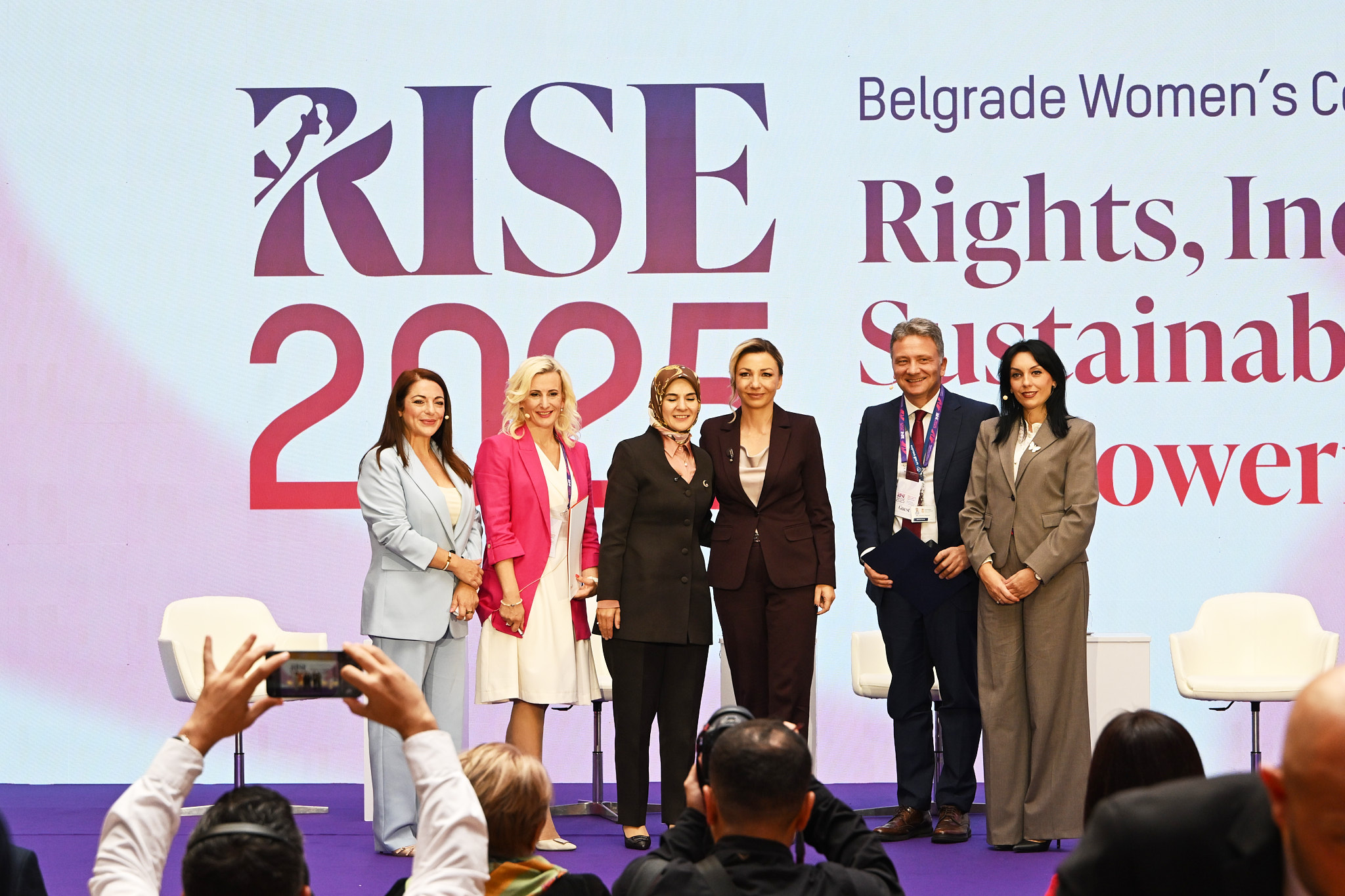
Serbia has made significant progress in the field of gender equality, with one of the key indicators being the growing presence of women in leadership and decision-making positions across the country. This was highlighted today at the panel discussion “From Having a Seat at the Table to Having the Power to Make Decisions” (All Women on Board), which concluded the Second International High-Level Conference on the Political and Economic Empowerment of Women, RISE 2026, held in Belgrade.
Panel moderator and Executive Director of NALED, Violeta Jovanović, noted that Serbia has achieved major advances in gender equality and added that women are now present across all sectors and decision-making arenas, including politics, business, and public institutions.
“These figures are certainly important and encouraging, but they primarily reflect women's representation in decision-making positions. The next step we want to take is to translate that presence into a genuine mandate and authority to make decisions, including strategic decisions for the organizations they lead and decisions related to budgets,” said Jovanović.
According to her, the number of women and their participation in decision-making alone do not guarantee better governance, adding that this is an outcome everyone should strive to achieve.
Jovanović emphasized that in Serbia, the question is no longer whether women can lead, because, as she noted, they are already doing so.
Una Sikimić, President of the Executive Board of ALTA Bank, pointed out that globally, women hold only 12% of executive positions in the financial industry.
“If we look at the share of women in the overall workforce, that figure is close to 50%, yet the highest positions are still predominantly held by men,” said Sikimić.
Speaking about Serbia, she noted that women account for slightly more than 30% of executive board members.
“At ALTA Bank, women make up 60% of our workforce, which amounts to around 1,000 employees,” she added.
Jelena Sadler, Executive Director of the Swiss-Serbian Chamber of Commerce, said that since 2021 Switzerland has set targets of at least 30% female representation on boards of directors and 20% in executive management positions.
“In addition, companies with 100 or more employees are required to conduct independent pay equity analyses. What is particularly important is that the results are measured and transparent. That is what changes perceptions and creates pressure for genuine improvement,” said Sadler.
In Switzerland, the position of women increasingly relies on systems and rules.
“I believe we should move toward greater representation of women at the table, but that representation must be accompanied by real participation in decision-making and responsibility for those decisions,” she said.
Milica Milićević, founder of NexaStrategic and Wings of Legacy, stressed that true economic empowerment occurs when a woman's decision to say “no” does not necessarily carry negative consequences.
“In my view, women may hold formal authority and still realize that exercising it comes at a high cost. When we talk about economic empowerment, I believe we often overlook one important aspect: professional security. If she says ‘no’, does she still have the opportunity to remain employed?” said Milićević.
She also questioned whether a woman’s decision to say “no” affects her career advancement.
“Does it undermine the reputation she has built while serving on that board? Worldwide, women hold 28% of parliamentary seats. That is excellent and certainly worth celebrating. However, we rarely examine what happens when a woman casts a dissenting vote or makes an unpopular decision in that room,” she emphasized.
Milićević also referred to the World Bank’s 2023 report Women, Business and the Law, which highlights a significant gap between legal rights on paper and their implementation in practice.
“Once again, the question arises: do ‘yes’ and ‘no’ carry the same consequences?” she asked.
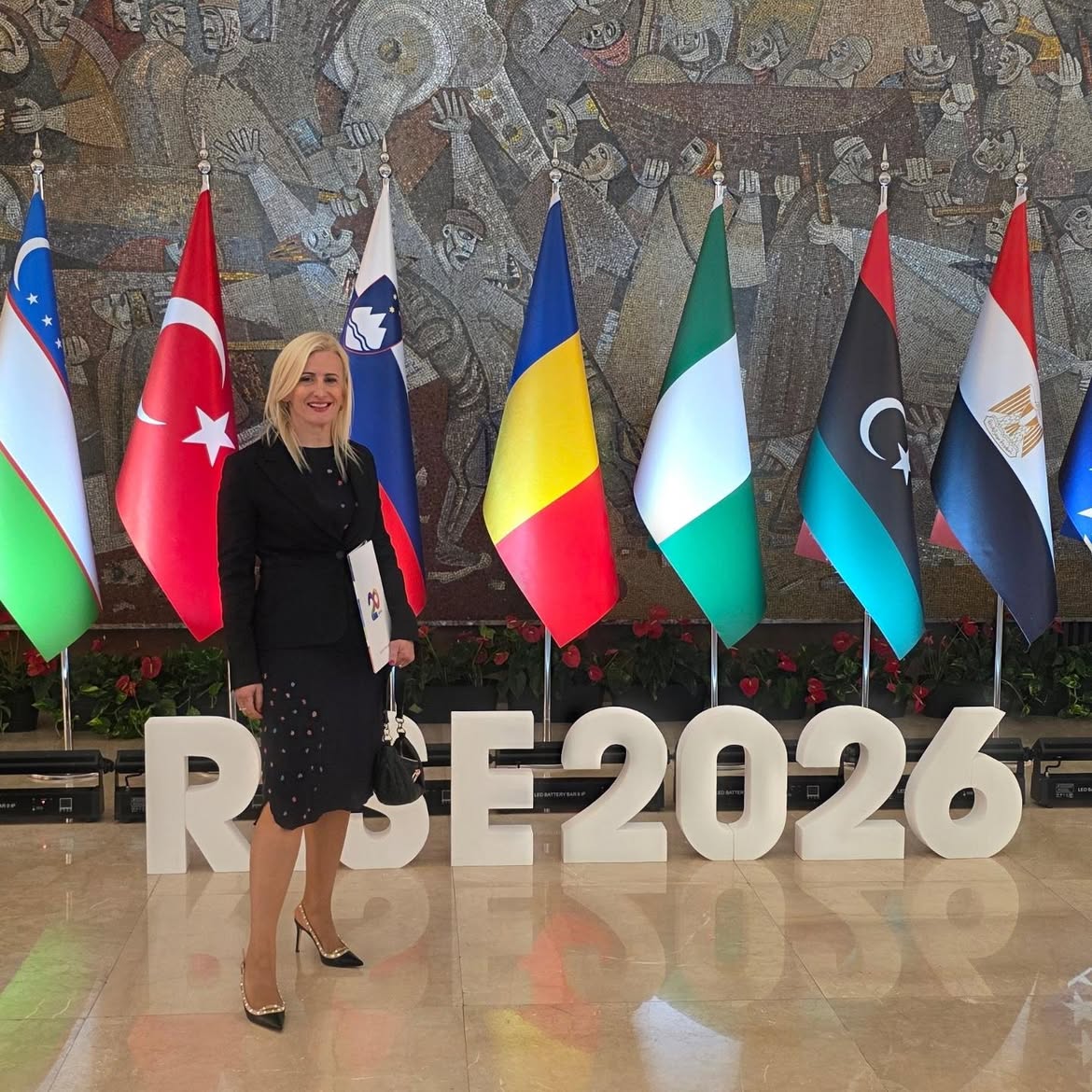
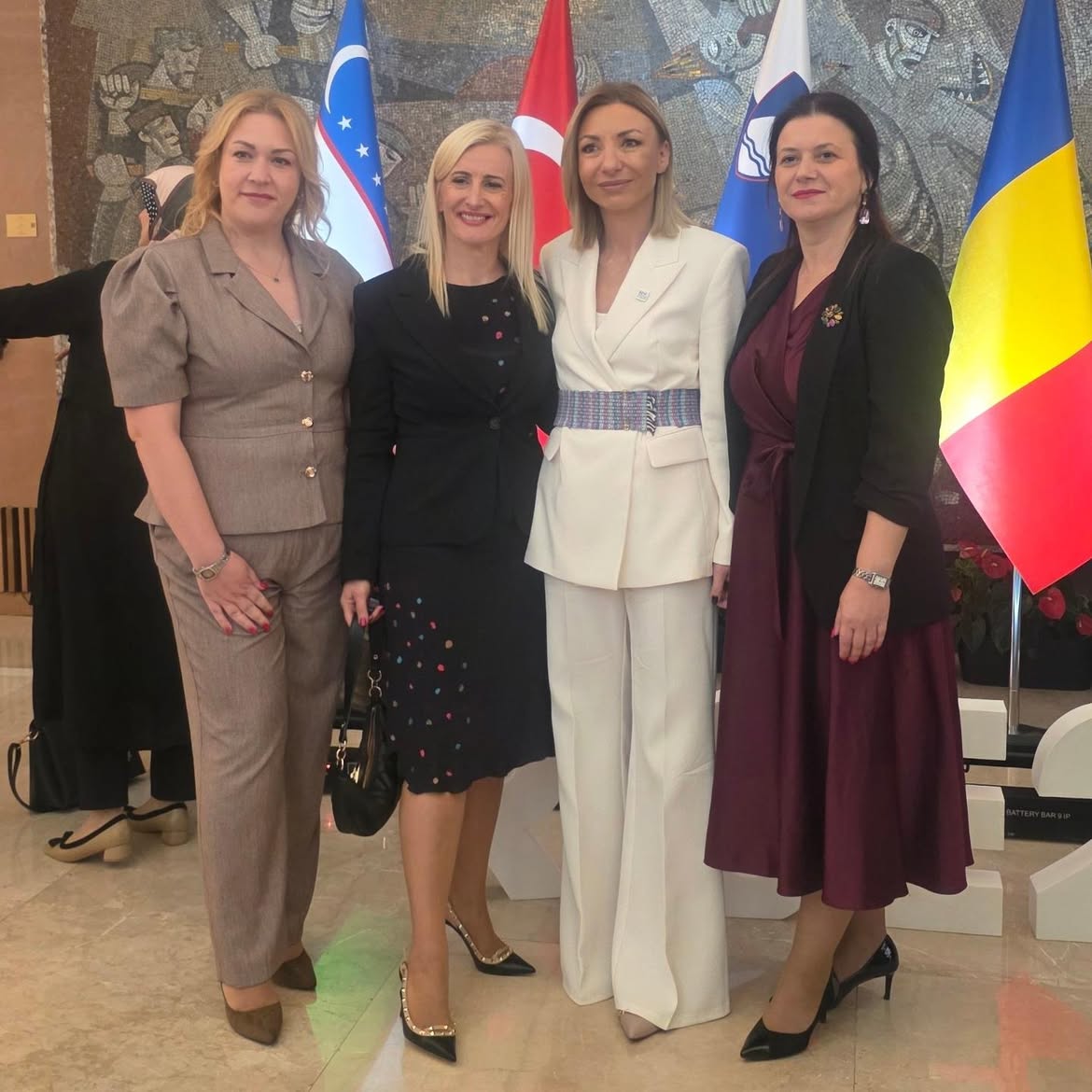
RISE 2026 brought together representatives from politics, the public sector, and the business community at the Palace of Serbia to exchange experiences and best practices in the field of women’s political and economic empowerment.
The conference hosted 17 foreign delegations at the highest political and institutional levels from three continents.