Environment protection
At the initiative of its membership, in late 2019 NALED established the Environment Protection Alliance, as a working body composed of representatives of companies, local self-government units, associations, and universities, with the aim of providing support in establishing a sustainable environmental protection system and integrating environmental policy into other sectoral policies, in order to ensure the preconditions for better health and an improved quality of life for citizens, as well as a competitive economy. All our initiatives and projects start with the identification of a specific key problem that burdens citizens and the economy, followed by an analysis of the problem, best comparative practices in the EU and the region, and the proposal of solutions adapted to the domestic context.
The main problems identified by the Alliance include unsustainable models of financing environmental protection projects (the Green Fund has been abolished, and an alternative has still not been established), imprecisely defined fees for the use of public goods, and a lack of data related to sources of pollution. In addition, wastewater management is inefficient, treatment technology is outdated, and the introduction of new systems is delayed due to the need for significant investment. City and municipal administrations lack sufficient capacity to successfully respond to all the challenges imposed by legislation. Another issue is that Serbia’s regulations are still not fully aligned with European Union environmental legislation. Air pollution in Serbia is up to 20 times higher than in EU countries, while revenues from eco-taxes and fees are insufficiently invested in solving these problems.
All our initiatives and project activities are grouped according to key regulatory framework topics and are incorporated into the Grey Book, NALED’s key policy product in the advocacy process.
Key reform priorities in the field of environmental protection
- Establishing the Green Fund as an independent legal entity
The Green Fund, as an independent legal entity with a clearly defined legal framework and a budget that follows the principle of investment reciprocity in environmental protection, is a prerequisite for transparent and sustainable financing of environmental measures and projects, as well as for transparent planning and management of investments in this field.
- Improving primary waste separation and introducing a deposit-return system for beverage packaging
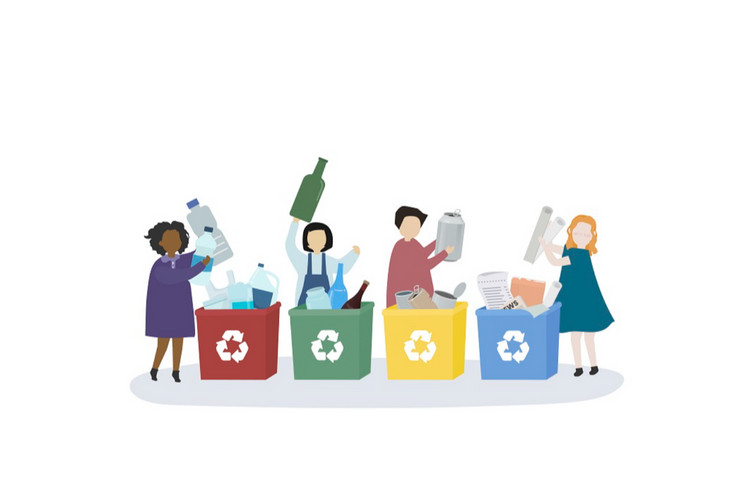
According to an analysis conducted by NALED, the introduction of a deposit-return system is expected to have a positive impact on society as a whole and on environmental protection, through at least a doubling of recycled packaging quantities and a reduction of landfill waste volume by one fifth. Alongside the introduction of the deposit-return system, it is necessary to simultaneously improve waste separation at the primary level. Support for primary separation systems is required through the collection of additional separated fractions that will not be covered by the deposit-return system.
- Reforming the environmental protection fee in line with the “polluter pays” principle
Considering that charging the fee based on actual local pollution levels has not been successful due to insufficient data and limited capacities of local pollution source registers, we propose integrating the environmental protection and improvement fee into the harmful emissions fee, thereby creating a comprehensive environmental pollution fee.
- Introducing extended producer responsibility in the management of special waste streams
The model of extended producer responsibility for special waste streams must be directly linked to targeted investments in infrastructure for waste collection, temporary storage, treatment, and recycling, in order to ensure the actual implementation of the waste management hierarchy, with a focus on waste prevention, reuse, and recycling.
- Regulating the treatment of biodegradable kitchen waste
In addition to the current definition in the Law on Waste Management of what constitutes food waste, it is necessary to define its treatment and all stakeholders involved in the process. We also propose introducing an obligation for all legal entities engaged in hospitality and related activities, where on average more than 50 meals are prepared daily, to dispose of food waste in accordance with the law.
- Linking waste collection fees to waste quantity and abolishing price differences in communal services for different consumer categories
In order to encourage both businesses and citizens to reduce the amount of municipal waste generated and to apply the concept of the circular economy in practice, waste management fees should be calculated based on the quantity of waste generated. Several pricing models exist - charging by the number of emptied containers, by the number of bags filled and handed over to the utility service provider, or by measuring the weight of waste at the time of collection.
- Facilitating and digitalizing the procedure for environmental impact assessment studies
It is proposed that the Ministry of Environmental Protection, within environmental impact assessment procedures for projects implemented under an integrated permitting process, accept electronic documents obtained through CEOP as proof that the required conditions and approvals from competent authorities have been obtained, while retaining the right to request additional clarifications or verification of document authenticity from the issuing authorities, if necessary.
- Protecting the position of domestic recyclers
A package of measures should be defined to protect domestic recycling capacities, including the establishment of a unified recycler’s registry with data on the capacities of the domestic industry, as well as the introduction of a fair subsidy system that would encourage the delivery of recyclable materials to domestic recyclers instead of export. These measures would enable a response to restrictive and protectionist practices of certain countries, with consistent application of the proximity principle in accordance with the Law on Waste Management and EU regulations.
- Improving the wastewater treatment and control system
It is necessary to revise deadlines for achieving emission limit values for discharges into water for companies and align them with deadlines applicable to local self-government units, while ensuring implementable action plans through verification, practical guidelines, stronger advisory support - particularly for SMEs - and incentive funding. In parallel, it is necessary to strengthen the capacities of local self-governments and inspections through training, improved coordination, and regulatory amendments, in line with the priorities set out in the EU Progress Report on Serbia for 2025.
- Allocating a portion of water-use fee revenues to local self-governments
Amendments to the legal framework are proposed to direct a portion of revenues from water-use fees to the local self-government units on whose territory water resources are exploited, ensuring a fairer distribution of funds and their earmarked use for infrastructure development and environmental protection, thereby improving fiscal fairness and the sustainability of local development.
Environmental protection projects
Together with its members and partners, NALED has secured support for a range of projects primarily focused on improving conditions for the collection and recycling of various waste streams. Over the years, project themes have expanded to cover other areas of Negotiation Chapter 27 with the EU, within Cluster 4 - Green Agenda and Sustainable Connectivity.
We highlight only some of the projects implemented to target and address the aforementioned challenges at both national and local levels: Management of Electrical and Electronic Waste; Analysis of the Effectiveness of Fiscal Instruments in Pollution Reduction; Glass Packaging Management in the Western Balkans; Food Waste Management; Increasing the Recycling Rate of Batteries and Light Bulbs in the Republic of Serbia; Study on the State of Wastewater Management; Study on the Introduction of a Deposit-Return System; and the Study on Improving the Existing Extended Producer Responsibility System in the Context of Introducing a Deposit-Return System; Waste Management Cooperation – BEST (Novi Pazar, Tutin, Mojkovac, Kolašin, and Bijelo Polje).
Currently active projects
- Solid Waste Program in Serbia, EBRD and AFD
Support to the Ministry of Environmental Protection - Program Management Unit, primarily focused on procedural support in the procurement process.
- EU Support for Improving the Planning and Implementation of Chapter 27 in Serbia, EU-IPA
Support to the Ministry of Environmental Protection for revising parts of the negotiation position (Chapter 27) related to specific directive implementation plans. NALED is part of a broader consortium led by DAI.
- Efficient Public Procurement and Sustainable Supply Chains for Improved Competitiveness, SIDA
Through this project, NALED provides support for the introduction and concrete implementation of green public procurement, with a gradual increase in the number of areas where the application of environmental standards will be mandatory. Project activities also include training to strengthen the capacities of key institutions, including the Public Procurement Office and the Commission for Protection of Competition, to improve the efficiency of public procurement management. The project also focuses on aligning companies with ESG principles and establishing the ESG HUB within NALED.
- Circularity for Decarbonisation, ECF
The project focuses on applying circular economy principles as the foundation for decarbonizing energy intensive industries (EII) in the Republic of Serbia and industries within their value chains. The focus is on supporting energy intensive industries in transitioning to circular business models and decarbonization through regulatory reforms, implementation of recommendations from the CBAM analysis (as a continuation of a previously implemented project), and strengthening regional cooperation and knowledge exchange.
- Improving the End-of-Life Vehicle Management System in Serbia, GIZ
The project addresses the widespread issue of improper disposal of end-of-life vehicles and aims to establish a sustainable and scalable system for the collection and treatment of such vehicles in the Republic of Serbia. The project is implemented through the Development Partnership with the Private Sector Programme develoPPP of the German Federal Ministry for Economic Cooperation and Development (BMZ) via GIZ, with Steel Impex as the key project partner.
Our commitment to integrating environmental protection policy into other sectoral policies is also reflected in NALED’s intensive work on business sustainability topics. Sustainable operations and compliance with socially responsible standards on the European market determine the survival of companies, increasingly so on local markets as well. Through the project “Public Procurement and Good Governance for Greater Competitiveness,” implemented in cooperation with the Swedish International Development Cooperation Agency (Sida), NALED supported the introduction of mandatory green public procurement for contracting authorities, with a gradual expansion of areas where environmental standards will be obligatory. In Serbia, approximately nine billion euros are spent annually through public procurement, representing a significant opportunity for more responsible use of budgetary funds and a strong incentive for the domestic economy. Research conducted by NALED showed that 69% of citizens believe that quality should be prioritized over price in public procurement.
NALED addressed climate change policy through the CBAM analysis conducted in cooperation with energy-intensive industry companies. By adopting two tax laws - the Law on the Tax on Greenhouse Gas Emissions and the Law on the Tax on the Import of Carbon-Intensive Products - a national carbon pricing mechanism was established in the Republic of Serbia, which represents one of the key recommendations of the Analysis. On one hand, this mechanism enables domestic companies exporting carbon-intensive products to the European Union, which are required to pay the relevant EU levy, to pay part of that amount in the Republic of Serbia, with that amount recognized as a deductible item within the EU mechanism. This creates space for the collected funds to remain in the Republic of Serbia and be directed toward further decarbonization processes of domestic industry. On the other hand, the Law on the Tax on the Import of Carbon-Intensive Products introduces equal market conditions for energy-intensive industries, particularly in relation to products imported from countries without developed carbon neutrality policies. By introducing this parallel mechanism, a recommendation from the Grey Book has been fulfilled and the key preconditions for further development of the decarbonization process in the Republic of Serbia have been established.
Related Content
Circular Economy
16.04.2020
The project will generate a part of the circular economy program ...Read more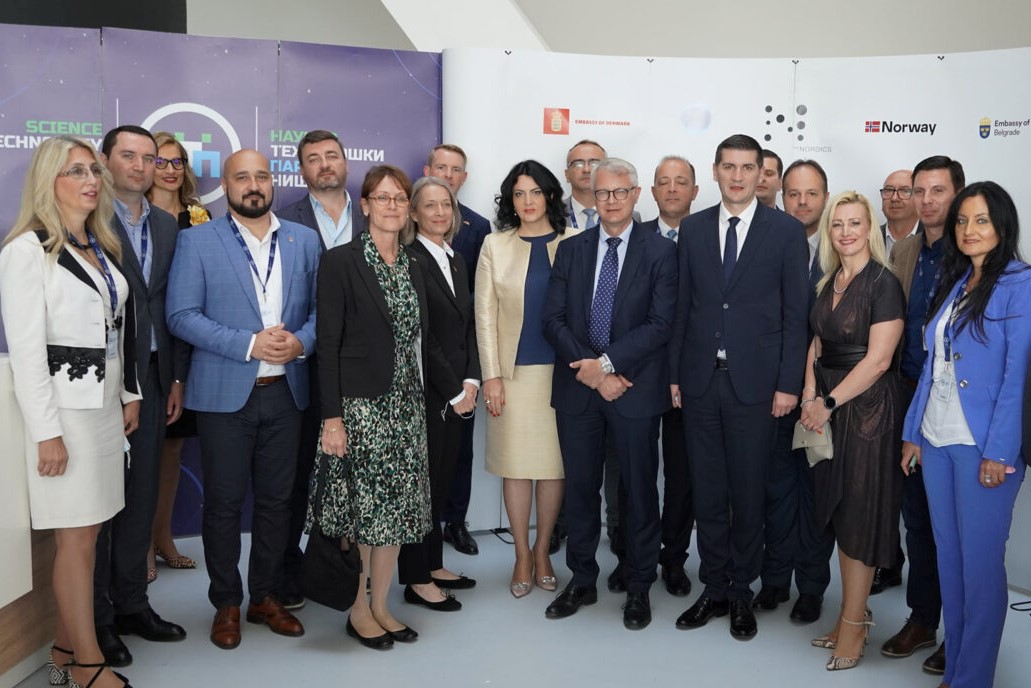
Circular economy and the environment - development opportunity for cities in Serbia
06.10.2021
The second session of Business Friendly Club of cities and municipalities in...Read more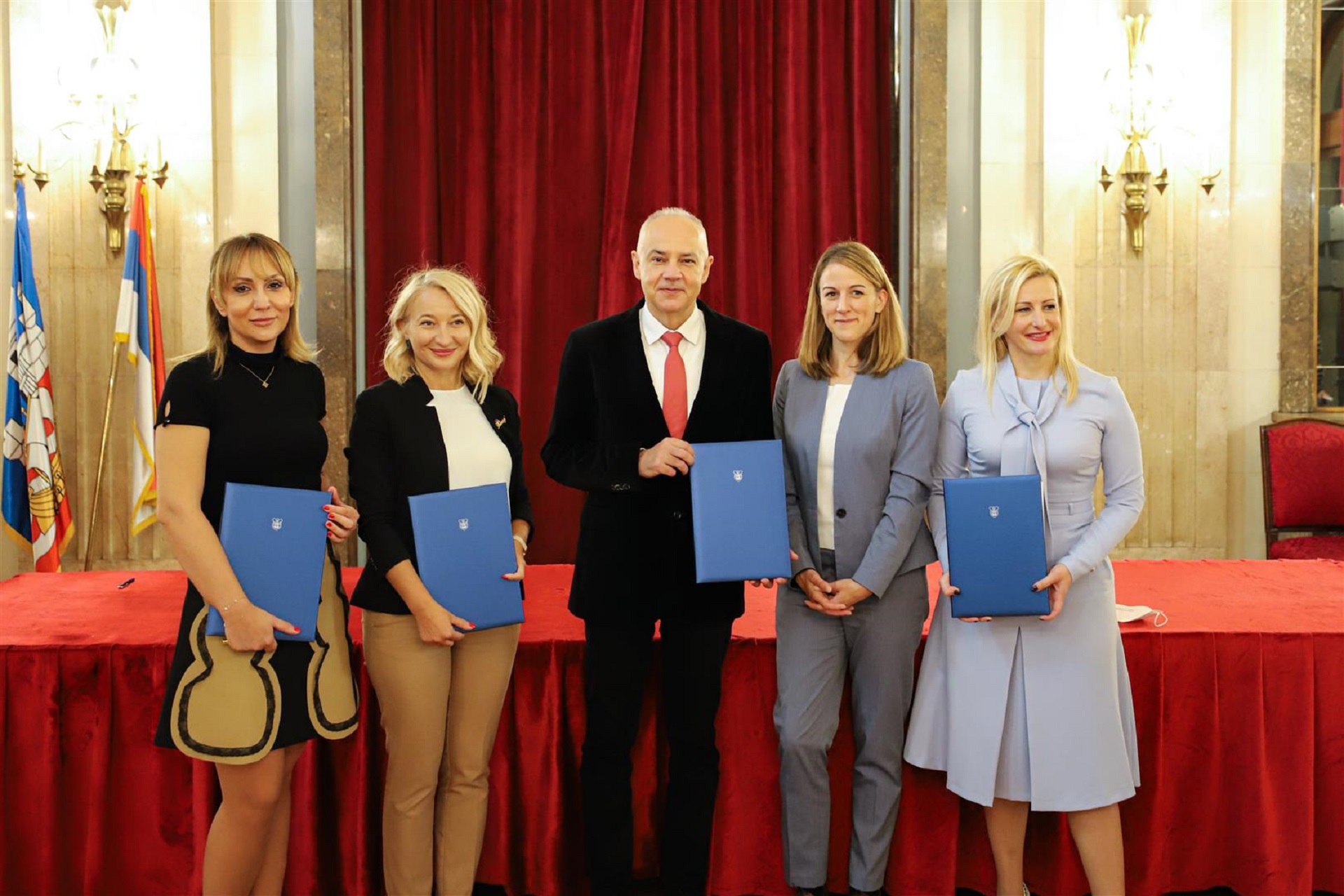
City of Belgrade joins
29.10.2021
After the installation of the first 600 containers in Sombor, Nis, Kragujevac and Varvarin, the citizens of Belgrade will also be able to...Read more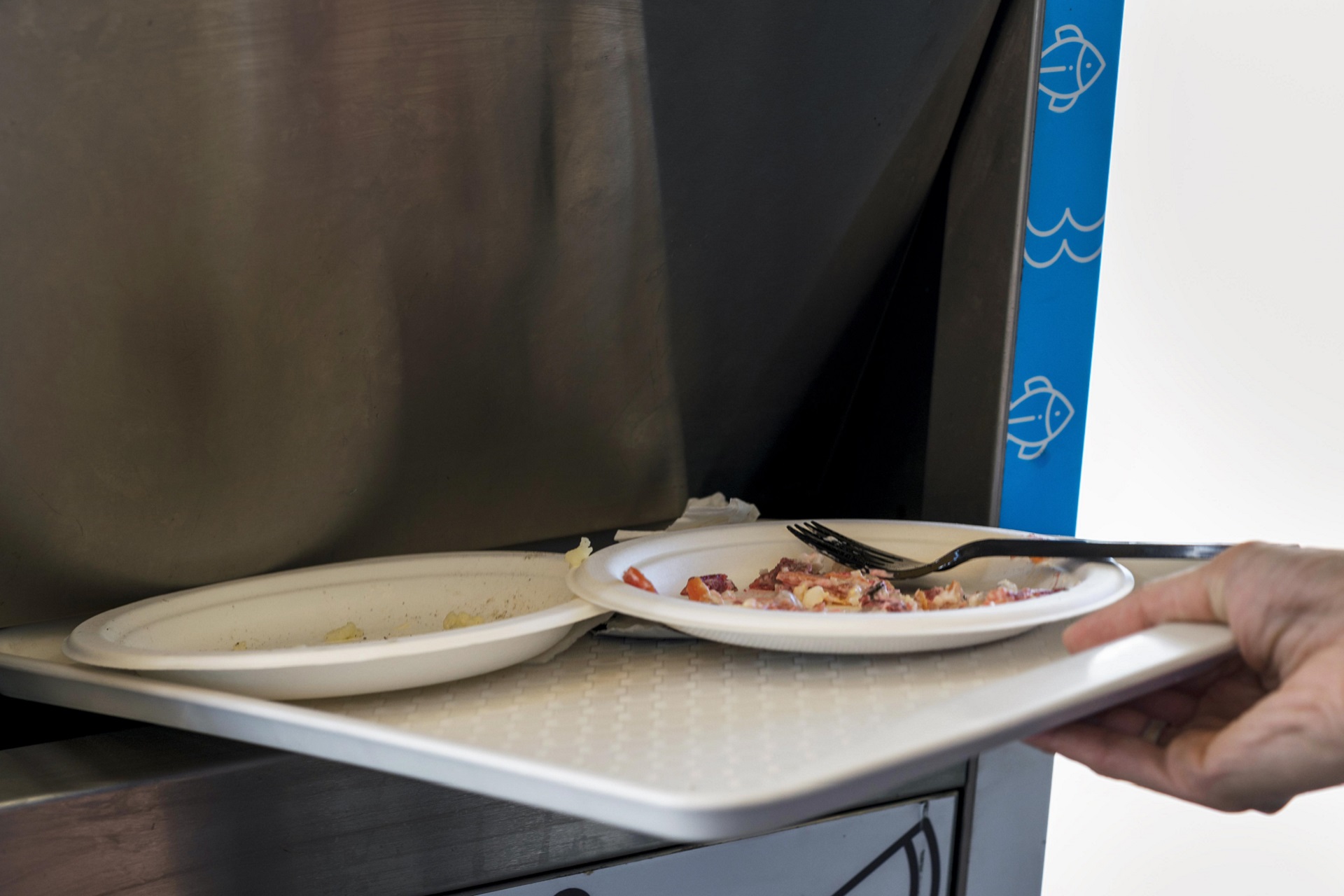
The action of collecting 1,000 tons of food waste continues
05.11.2021
The challenge of collecting 1,000 tons of food waste initiated by GIZ, NALED and...Read more
Increasing the recycling rate of batteries and light bulbs
09.01.2020
Inadequate disposal of waste whcih poses danger to the environment, results in...Read more
Environmental Protection Alliance
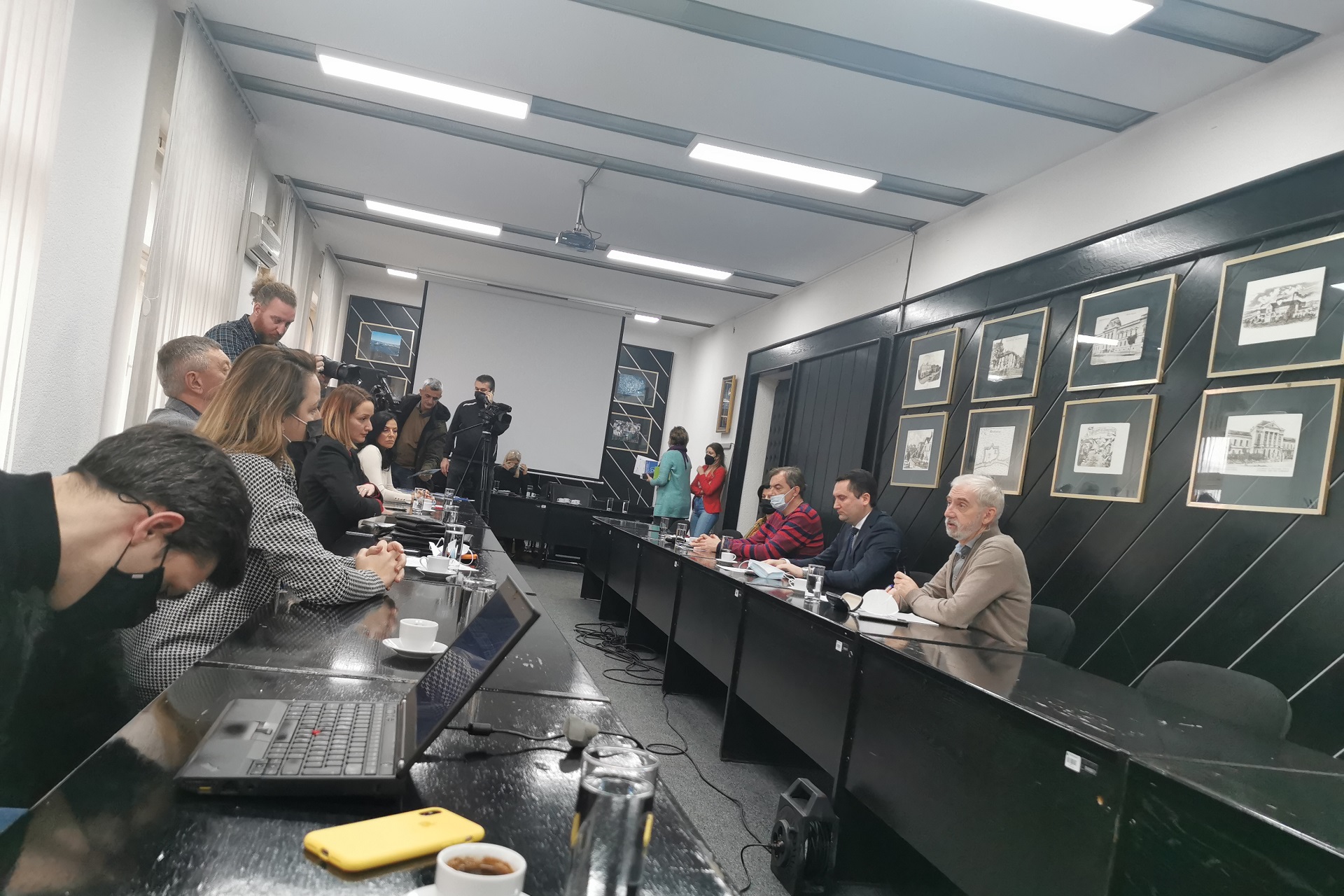
In late 2019, NALED founded the Environment Protection Alliance as a program platform that will bring together decision makers and experts...Read more
Recycling of batteries and light bulbs initiated in Kragujevac
16.12.2021
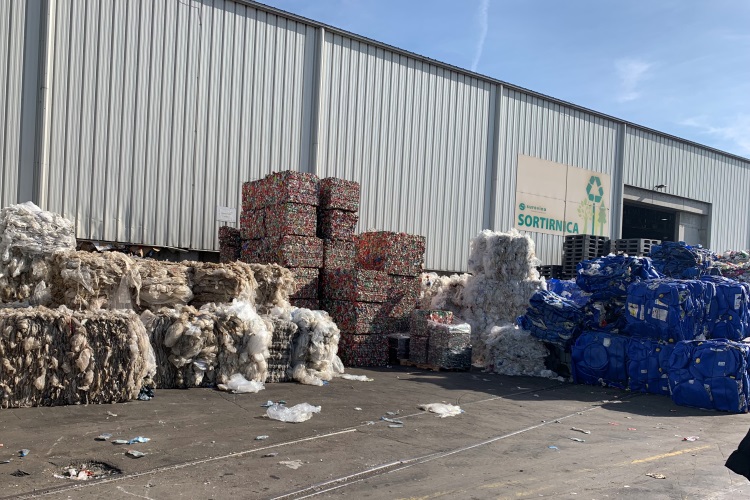
Used batteries and light bulbs in Kragujevac no longer have to end up in...Read more
Electric and electronic waste management
28.10.2019
Creating the conditions for proper collection, disposal and recycling of e-waste...Read more
Food Waste Management
08.10.2019
Improving regulations and governing the bio-waste flows with the support of GIZ ORF - develoPPP program...Read more
Glass packaging management in the Western Balkans
09.01.2020
Model for developing glass recycling infrastructure...Read moreThis website uses cookies to ensure the best user experience. By continuing to browse the site, you consent to the use of cookies.
CONTINUE LEARN MORE