Another 11,000 Small Businesses in Serbia Can Apply for Subsidies for Free POS Terminals Through the “Better Way” Initiative
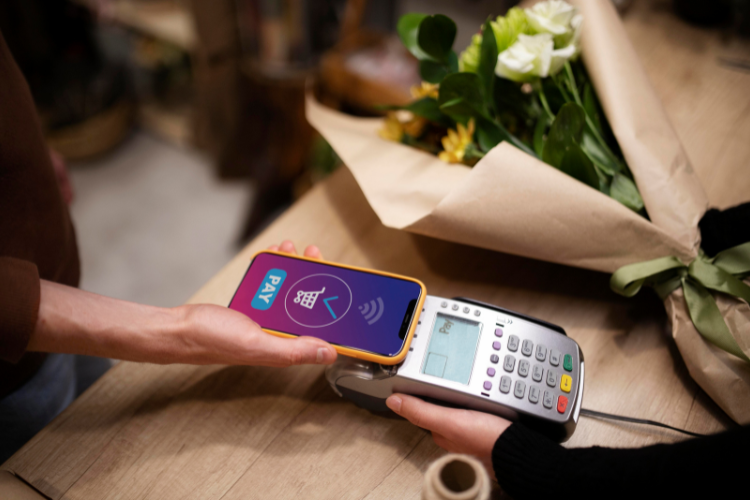
Small businesses and institutions have been given a new opportunity to introduce card and IPS payments under favorable conditions. The new POS Program 2.0 provides subsidies for the introduction of POS terminals, with no installation or maintenance costs and reduced merchant service fees. For the new cycle, private-sector subsidies have been secured for an additional 11,000 small businesses, with an estimated value of EUR 2.3 million. Applications are open through the website boljinacin.rs and at branches of participating banks/acquirers.
All small businesses, entrepreneurs, public institutions, agricultural holdings, and tourism accommodation providers that have not accepted card payments for at least the previous year are eligible to apply and choose the POS solution that best suits their needs, whether it is an upgrade of an existing smart fiscal cash register, a smart POS, a traditional POS terminal, a softPOS solution, or online sales through a website.
Under the new Program rules, merchants incur no installation or POS usage costs, nor any fixed fees, while the subsidized merchant service fee for Visa and Mastercard payments is capped at 0.5% for a period of 12 months or until the annual turnover threshold is reached. Merchants may discontinue the subsidy and return the POS terminal at any time without additional costs, or continue using the POS terminal after the subsidy period under terms previously agreed with their selected acquirer.
The new POS Program 2.0 builds on the results of the previous subsidy cycle, during which nearly 10,000 entrepreneurs, micro-enterprises, and small businesses took advantage of the opportunity to introduce cashless payments for the first time. Over a three-year period, approximately 11.7 million transactions worth EUR 146 million were processed through these terminals, with the average transaction value amounting to just over EUR 12.
“As many as 94% of users are satisfied with the Program, while a large majority, 84% of them, continued using POS services with the same bank even after the subsidy period expired,” said Dušan Vasiljević, Director for Competitiveness and Investments at NALED.
These results indicate strong demand among small merchants for affordable cashless payment solutions. According to a survey conducted by NALED among Program beneficiaries, 71% of small businesses decided to introduce card payments to avoid losing customers. As many as 85% of users reported a positive impact of cashless payments on their business operations, while 90% confirmed increased customer satisfaction.
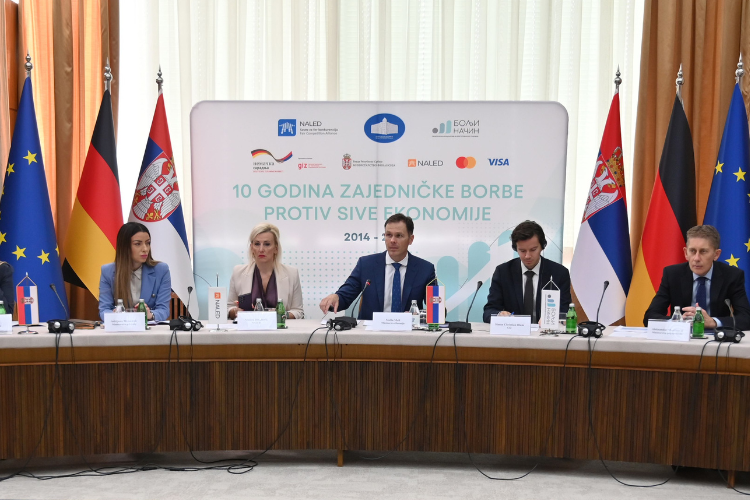
POS Program 2.0 is part of the “Better Way” Cashless Payment Initiative, a regional project implemented by the German Agency for International Cooperation (GIZ) and the companies Visa and Mastercard, aimed at improving financial inclusion and combating the informal economy. Special attention is dedicated to reducing barriers faced by micro and small enterprises, strengthening financial literacy, and promoting responsible financial behavior. In Serbia, Better Way is implemented under the develoPPP programme of the German Federal Ministry for Economic Cooperation and Development (BMZ), in cooperation with NALED and the Ministry of Finance.
The Program is supported by a large number of banks, electronic money institutions, payment institutions, and POS solution providers. Applying for the Program is simple, and all interested businesses can submit their applications independently through the website boljinacin.rs or through participating banks/acquirers. As the number of available subsidies is limited, all interested small businesses are encouraged to apply as early as possible.