Support for Small Businesses to Introduce Cashless Payments Free of Charge Continues in 2026
In a country where cash - especially in small shops - has dominated for decades, it is encouraging that over the past two and a half years nearly 10,000 entrepreneurs and small business owners across Serbia have applied for the POS Program and used subsidies to introduce cashless payments for the first time. The Better Way Initiative plans to continue the Program in 2026, and pre-applications have already opened.
The idea is simple: what delivers results should be expanded and upgraded. All small businesses that have not accepted card payments in the past year and wish to introduce them can already express their interest in POS Program 2.0 subsidies via the portal boljinacin.rs. As before, subsidies will include free installation and use of POS terminals, along with additionally reduced merchant service fees for Visa and Mastercard cards for up to one year, with no fixed costs and no obligations after the subsidy period ends.
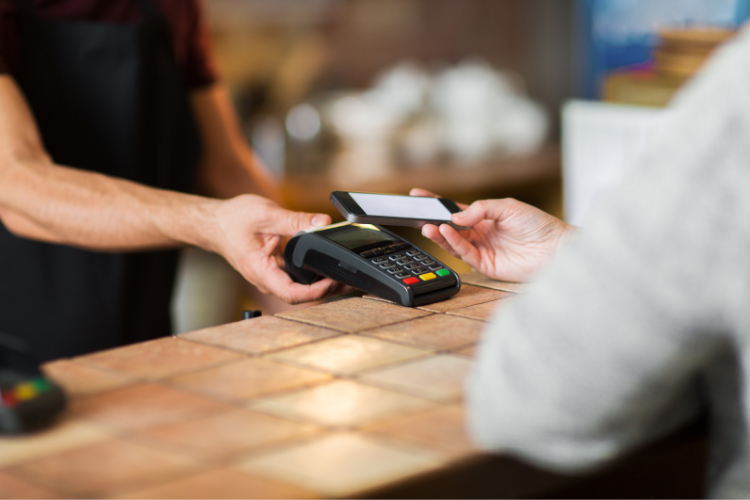
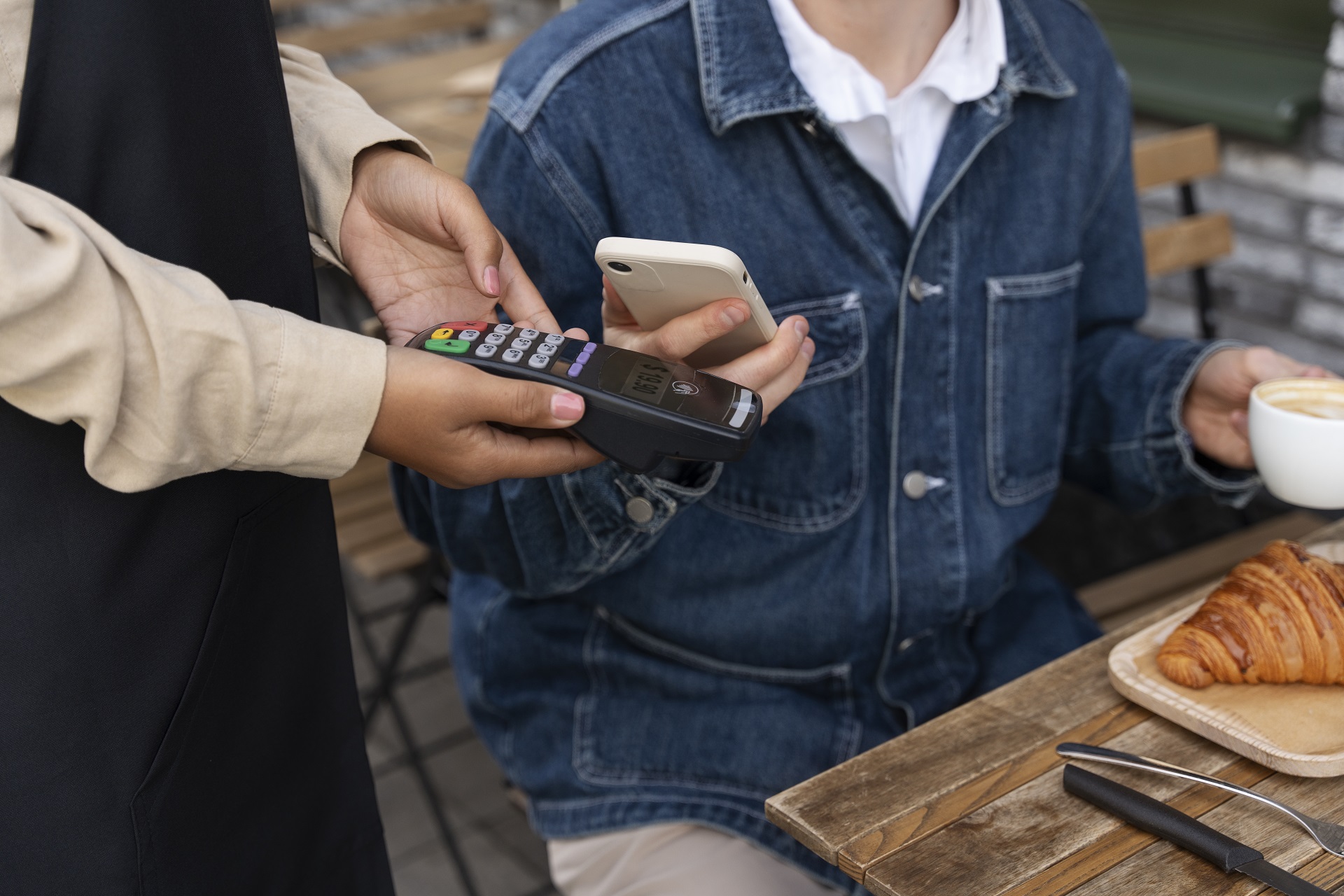
Digital payments are increasingly becoming the standard even in small retail shops, bakeries, cafés, hair salons, and similar businesses - changing the rules of the game. Consumers can shop in a more convenient and secure way, entrepreneurs can expand their business, attract new customers, and increase revenues, while the state gains support in combating the grey economy and further advancing the digitalization of public administration and small enterprises.
Over the past 10 years, Serbia has made significant progress in developing cashless payments, which together with other measures under the National Program for Combating the Grey Economy have helped reduce the share of illegal economic activity from 29% to 21% of GDP. As a result, billions of euros have been redirected from illegal flows back into the state budget.
However, in terms of the volume of digital transactions, which has reached nearly €95 billion, Serbia still lags behind Central and Eastern European countries. In Serbia, digital payments account for around 12%, compared to approximately 16–17% in those countries and 19% at the EU level.
“Analyses conducted within the Better Way Initiative show that further development of cashless payments and reaching the European average could reduce the grey economy by an additional 2.4% of GDP and generate an extra €500 million in public revenues. However, for citizens to be able to pay cashless anytime and anywhere, it is essential to support small businesses in adopting POS terminals - that is, in accepting card and IPS payments,” emphasized Dušan Vasiljević, Director for Competitiveness and Investments at NALED.
For small businesses, it is particularly important that introducing POS terminals - whether in physical or online stores - creates opportunities for additional revenue and market expansion, as confirmed by the results of the POS Program so far.
“The Better Way Program has already demonstrated exceptional success - transactions exceeding €118 million have been processed through POS terminals introduced via the Program, and as many as 94% of subsidy beneficiaries report that introducing cashless payments has improved their business. The greatest interest came from small businesses in trade, accommodation and food services, manufacturing, and various service industries, clearly showing that cashless payments are not just a trend, but a real need that drives growth, visibility, and customer trust,” explained Ana Drašković, Vice President and General Manager of Visa for Southeast Europe.
This indicates that merchants have recognized not only easier and safer payment collection, but also the tangible benefits of digital payments. In the previous POS Program cycle, which ran until December 5, the highest demand for terminals came from small businesses in Šumadija and Western Serbia, followed by Vojvodina and then Belgrade.
On the other hand, consumers - users of cashless payments - believe that introducing them would be particularly useful at open-air markets, hair and beauty salons, for paying tradespeople, as well as for paying fees and charges at institutional service counters.
“Today, customers enter stores with a phone in hand rather than a wallet, and the option to pay by card increasingly influences their decision on where to complete a purchase. That is why POS programs are not just a form of financial support, but a strategic investment in the competitiveness of small and medium-sized enterprises. The strong development of contactless payments in our market - and their benefits for society as a whole - are also confirmed by the results of our 2025 MasterIndex research. According to the survey, contactless payment is the most recognized functionality among 61% of users, while consumers also indicate they would use cards even more frequently if POS terminals were more widely available - from markets and kiosks to taxis and local services. The data further show that digital tools are becoming an integral part of business operations, as half of companies already use them or recognize their value, clearly indicating that digital infrastructure is now the foundation of modern financial management and a prerequisite for further growth,” said Jelena Sretenović, Vice President and Country Manager of Mastercard for Serbia, Montenegro, and Bosnia and Herzegovina.
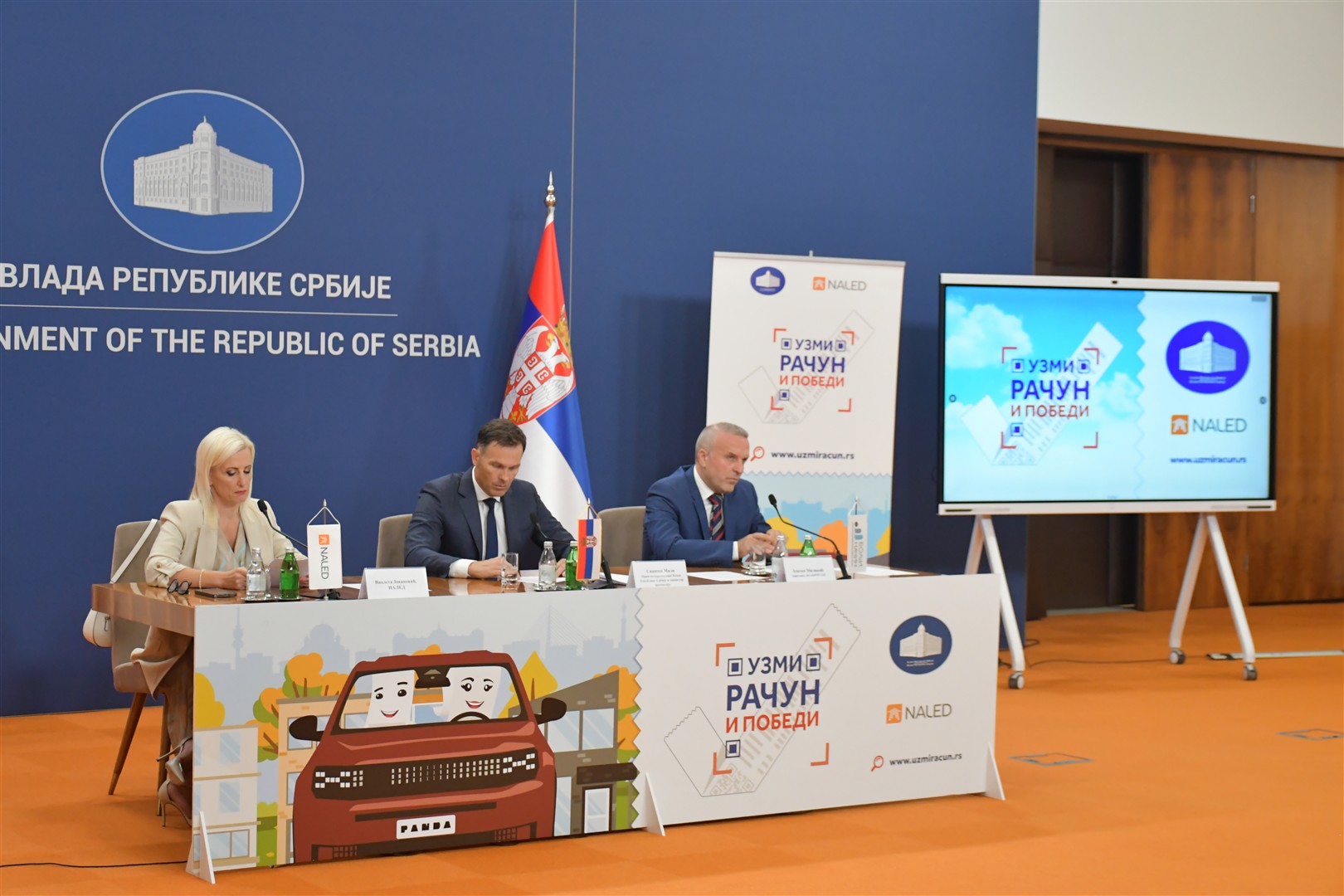
Research has shown that nearly 80% of citizens and businesses believe there is no justification for illegal business practices, and awareness of the importance of combating the grey economy has been significantly strengthened by the state prize game “Take a Receipt and Win,” which supported by the Better Way Initiative also includes cashless payments.
“The prize game is an excellent example of how the state can strengthen tax culture and financial literacy in society, encouraging citizens to always take fiscal receipts and use various forms of cashless payments. Today, more and more people want to pay by card or mobile phone, and the POS Program is here to support small shops and institutions in introducing this option. Countries in the region have also recognized the POS Program as an effective mechanism - Albania has introduced similar subsidies, and we are especially pleased that Bosnia and Herzegovina is joining the Better Way Initiative,” emphasized Zlatko Milikić, Advisor to the develoPPP Program at GIZ.
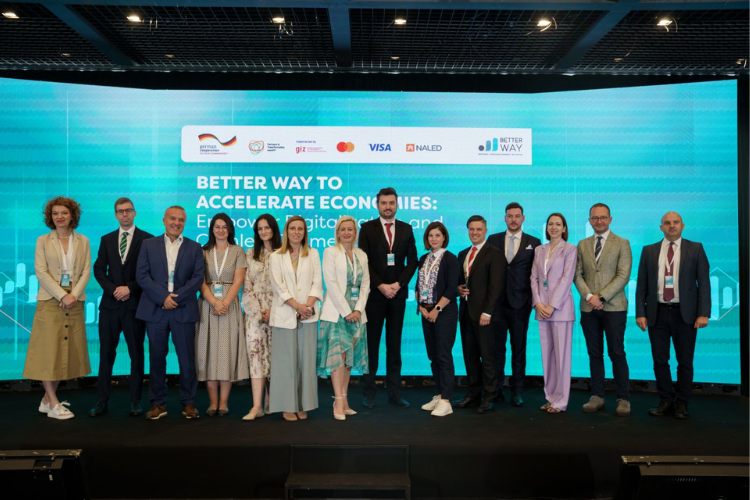
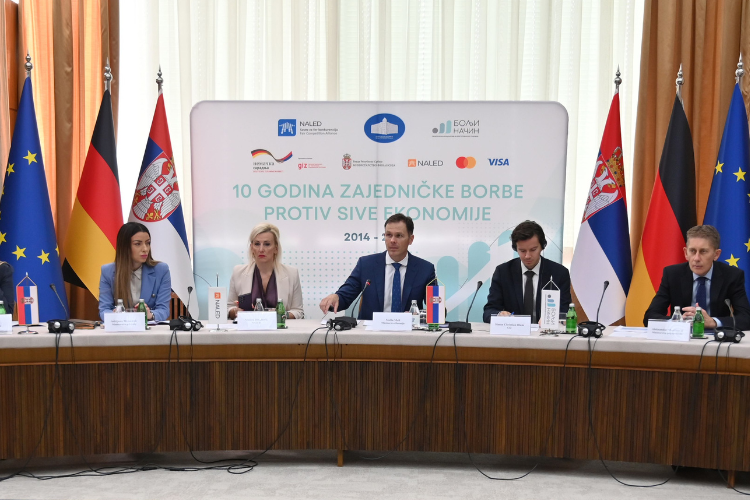
The Better Way Initiative is a joint project of German Development Cooperation (GIZ) and the companies Mastercard and Visa, implemented under the develoPPP program of the German Federal Ministry for Economic Cooperation and Development (BMZ), in cooperation with NALED and the Ministry of Finance of Serbia. To date, the POS Program has been supported by AIK Bank, Banca Intesa, Erste Bank, Halkbank, NLB Komercijalna Banka, OTP Bank, PaySpot, ProCredit Bank, Raiffeisen Bank, and UniCredit Bank, as well as four POS terminal providers - PayTen, Mellon, Unipos, and Zeta System. In the future, additional smart fiscal cash register providers are expected to join the Program.