A Strong Region Starts with Local Communities: The Experience of Ireland and Northern Ireland as a Guide for the Western Balkans
Engaging cities, municipalities and businesses in regional integration, and using cultural heritage to support local economic development, were the topics presented by NALED at the annual conference of the Association of European Border Regions (AEBR) and the 10th AEBR Cross-Border School, held from 28 to 31 October in Ireland and Northern Ireland.
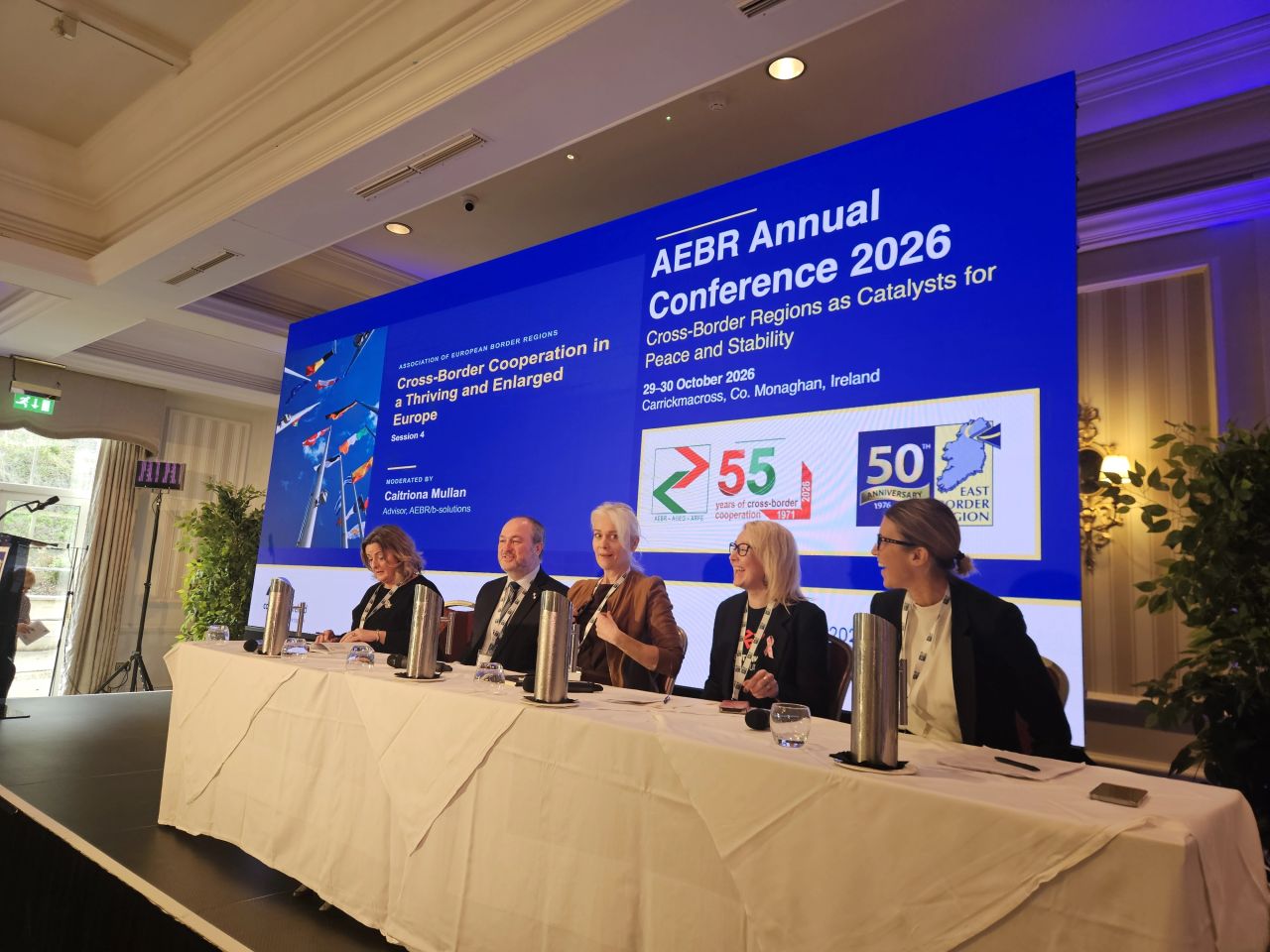
The conference, entitled “Cross-Border Regions as Catalysts for Peace and Stability”, brought together representatives of European institutions, local and regional authorities, and experts in the Irish-Northern Irish border area, which has demonstrated for decades how long-term cooperation between local communities can help overcome divisions.
Participants learned about the results of the PEACE programmes, through which the EU has supported peace and reconciliation in Northern Ireland and the border counties of Ireland since 1995, demonstrating how long-term cooperation contributes to the development of local communities and lasting peace.
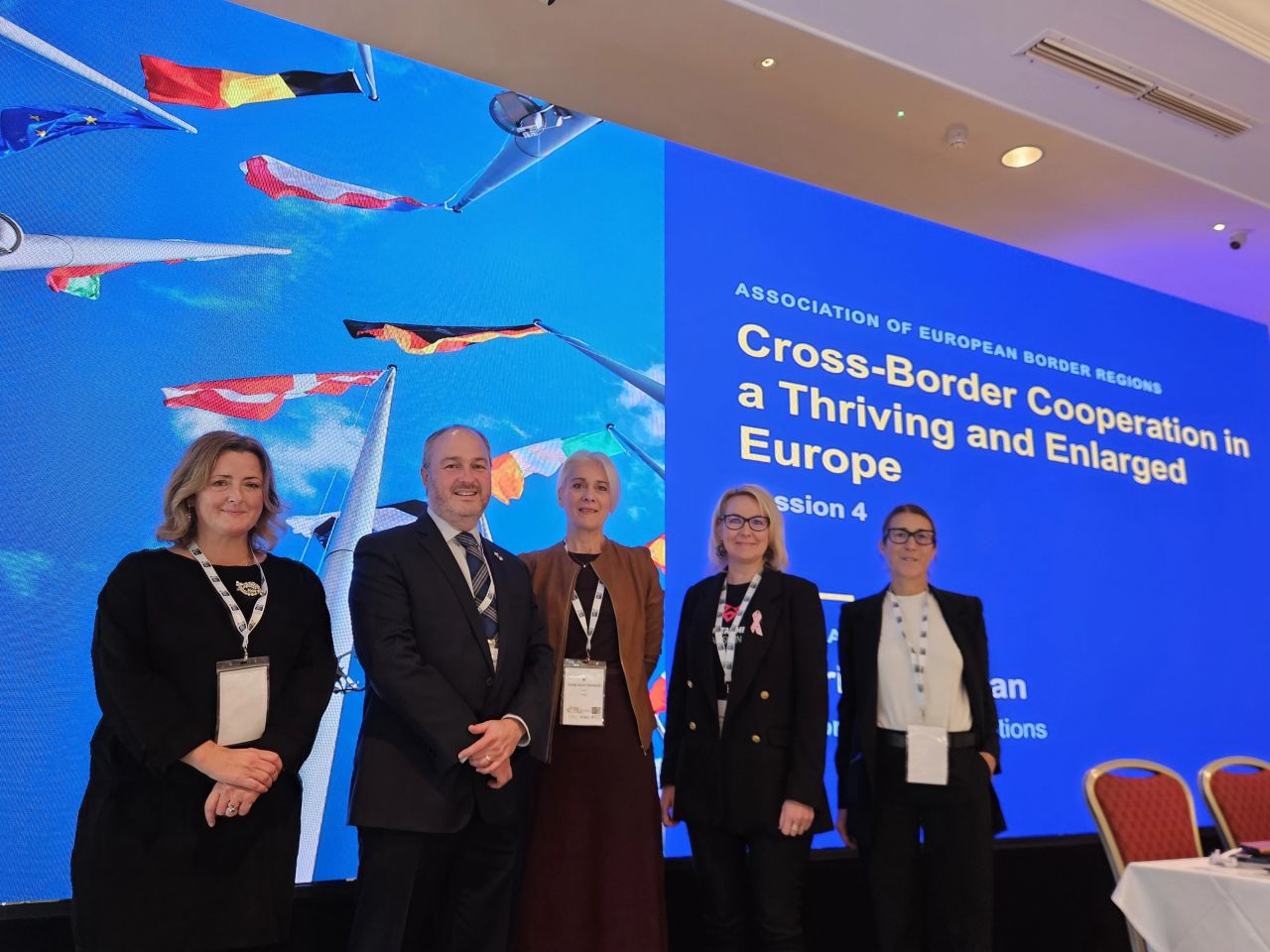
As part of the conference, NALED representative Sanda Šimić spoke at the panel “Cross-Border Cooperation in a Prosperous and Enlarged Europe”, presenting the work of NALED and the CORE Partnership in the Western Balkans.
She highlighted the need for greater involvement of cities, municipalities, businesses and local institutions in regional integration and the EU accession process, as well as the importance of linking European policies with concrete reforms at the local level.
The local impact of cross-border cooperation was also the subject of a paper presented by Šimić, together with a co-author from the Faculty of Geography at the University of Belgrade, at the 10th AEBR Cross-Border School. The NALED project “Together for Cultural Tourism” was highlighted as an example of good practice, demonstrating how cultural heritage in areas affected by depopulation can become a resource for developing tourism, women's entrepreneurship and the local economy.
One of the conference's conclusions was that regional integration becomes tangible when citizens and businesses experience its benefits in their own communities. This principle underpins the work of the CORE Partnership and the BFC SEE regional network, which contribute to the Common Regional Market (CRM), European integration and the long-term stability of the Western Balkans by connecting municipalities, facilitating the exchange of successful reforms and improving the local business environment.