How to Become an Active Electricity Customer and What Are the Benefits?
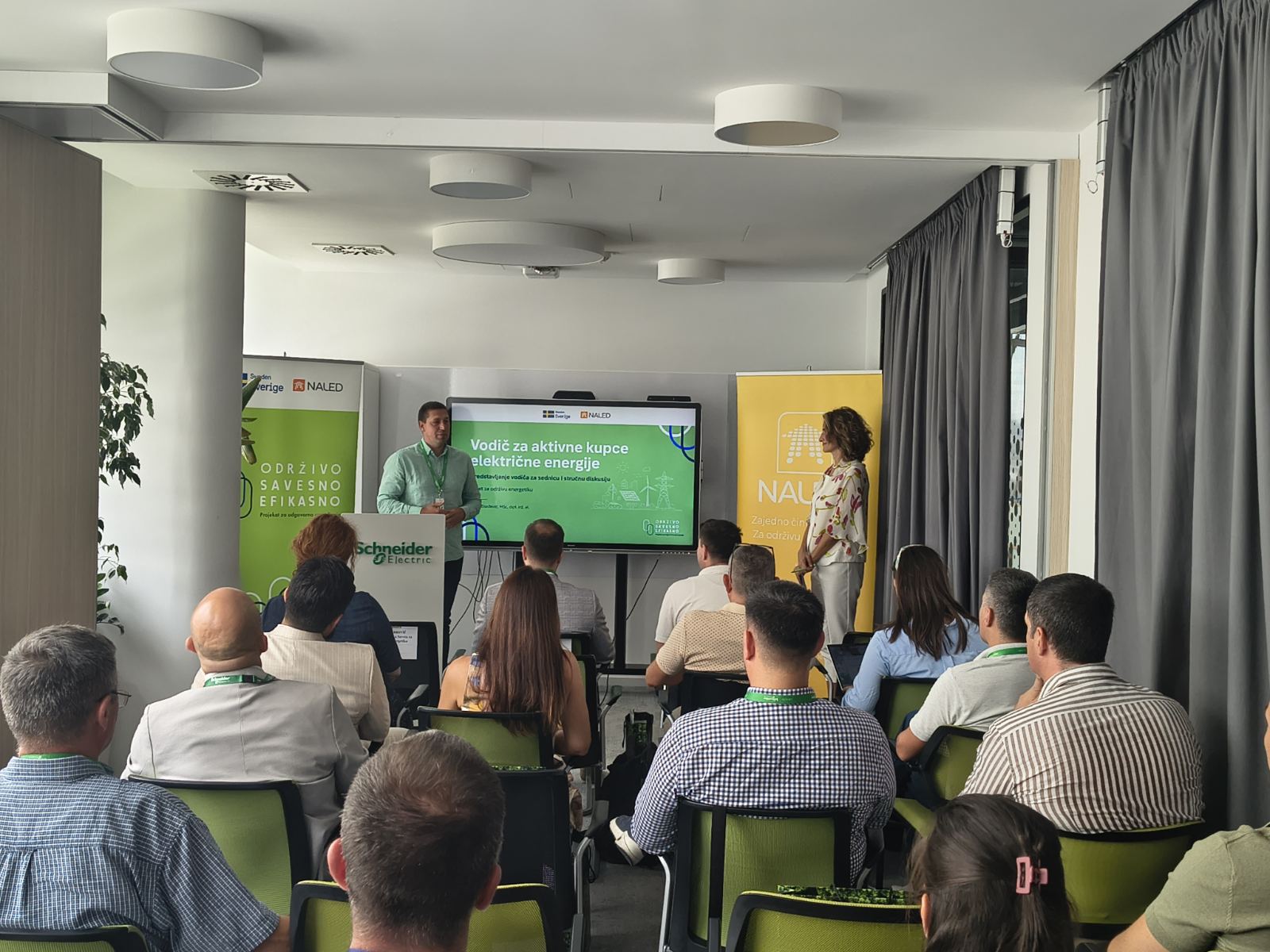
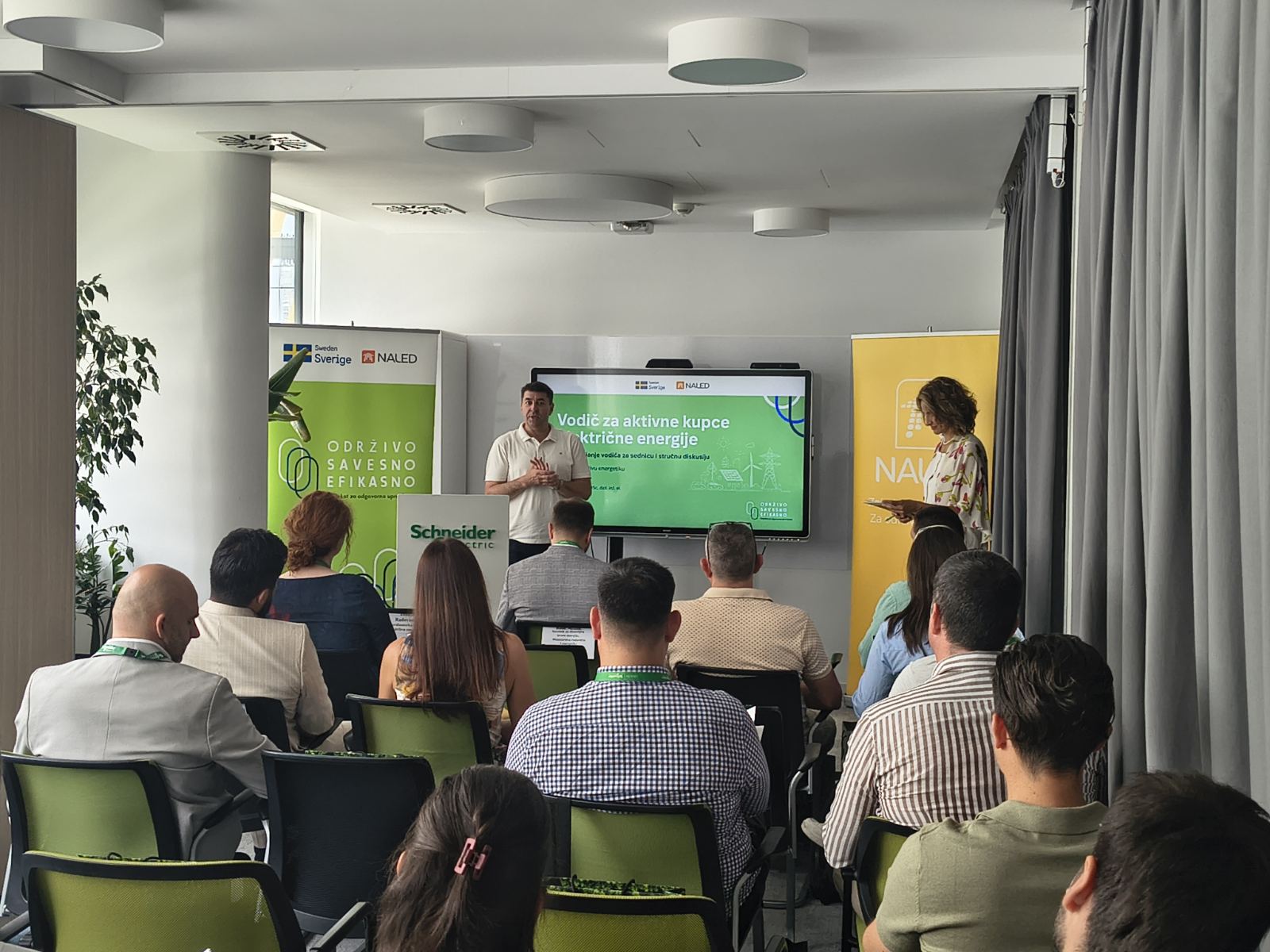
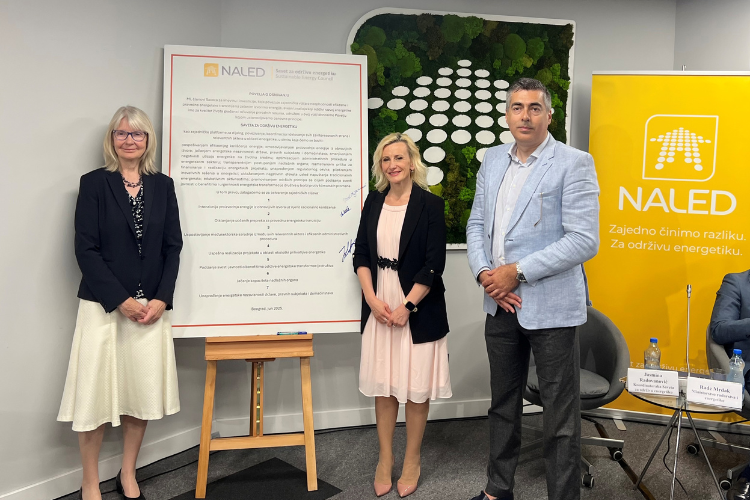
The adoption of the Regulation on the Conditions for the Delivery and Supply of Electricity has created the necessary framework for businesses in Serbia to make practical use of the active electricity customer status. This status enables companies to generate their own electricity, store it, and sell surplus energy on the market, significantly reducing operating costs. To help businesses take this step, NALED prepared the Guide for Active Electricity Customers, which was presented at the workshop "How to Become an Active Customer?" organized in Belgrade by NALED's Sustainable Energy Alliance.
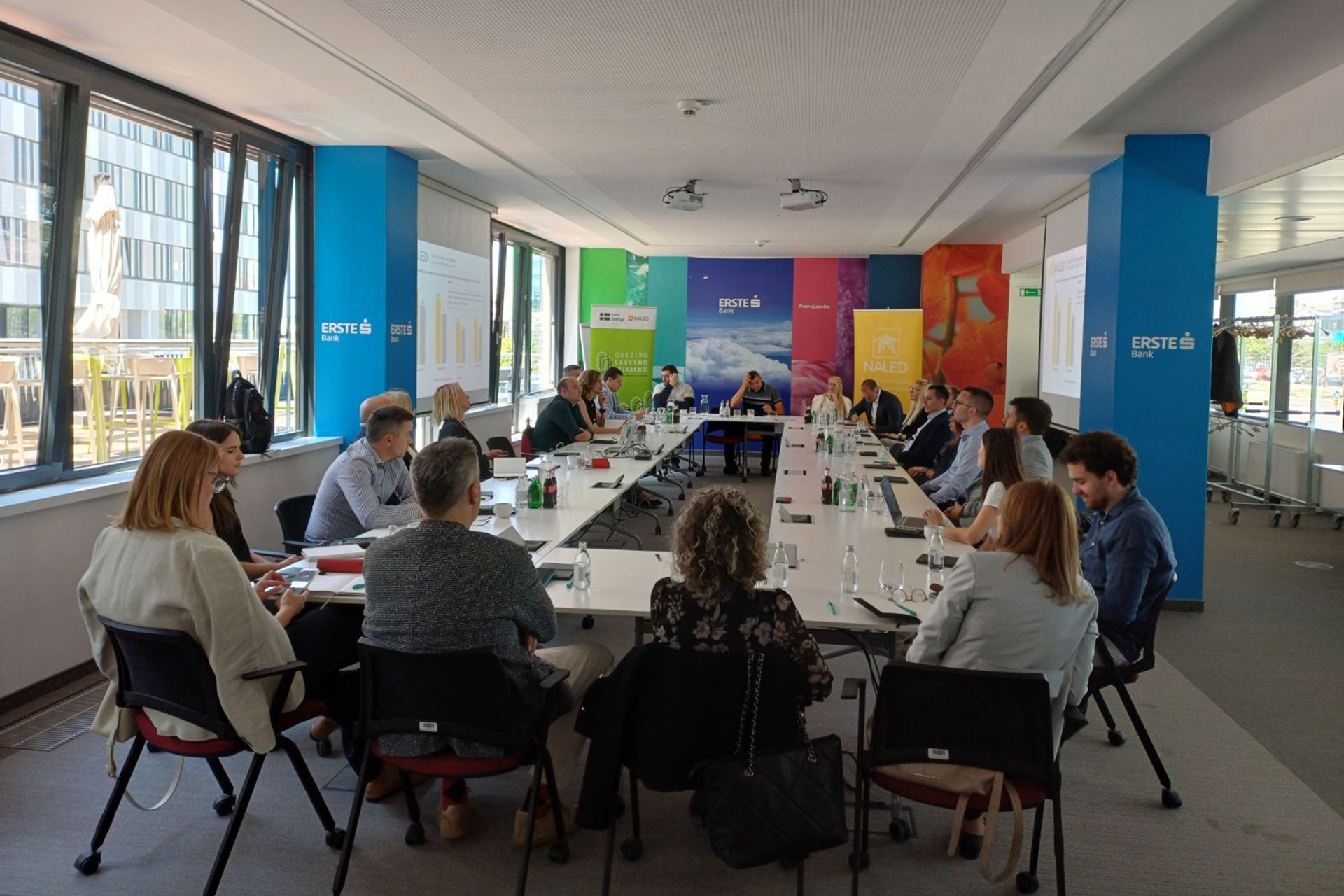
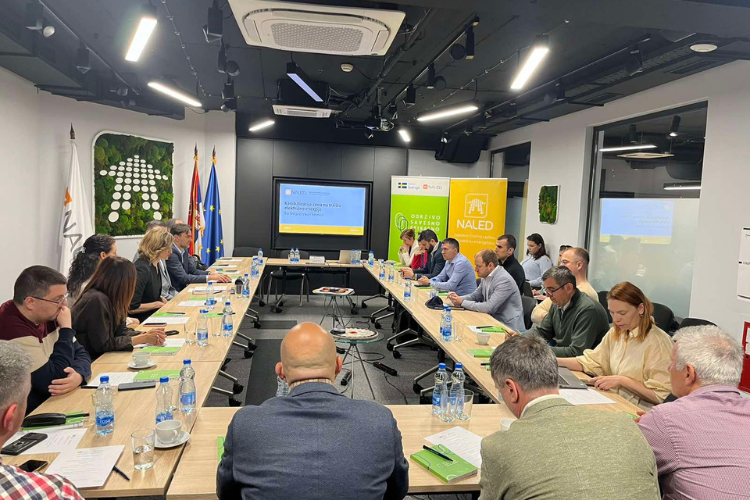
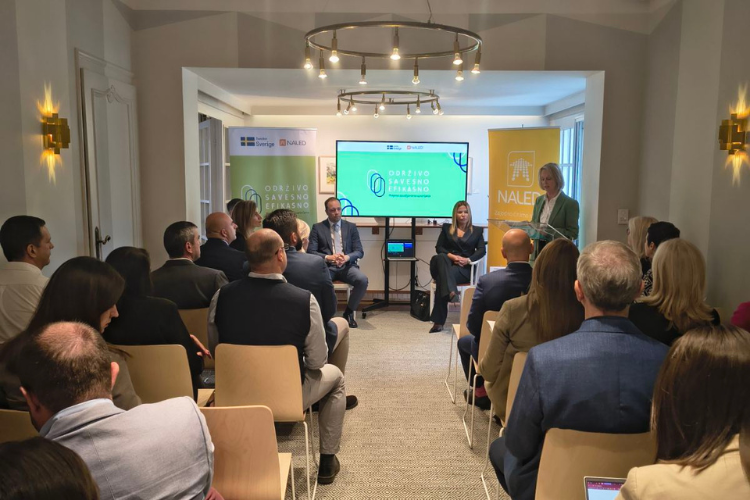
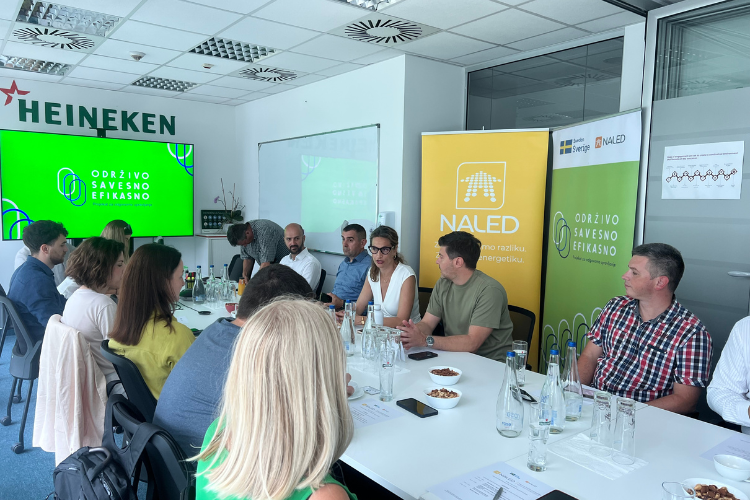
The workshop was hosted at Schneider Electric Serbia and supported by the Government of Sweden. It brought together representatives of institutions, the energy sector, and the business community interested in the practical implementation of this new regulatory framework.
"Active customer status allows companies not only to draw electricity from the grid but also to generate, store, and sell energy when market conditions are most favorable, while consuming electricity when prices are lower. This is precisely what makes this concept particularly attractive for companies with high electricity consumption, as it enables them to achieve tangible cost savings," said Rade Mrdak, Advisor to the Minister of Mining and Energy for Renewable Energy Sources.
For businesses, the benefits of this status primarily include lower operating costs, additional revenue from the sale of surplus energy, and greater resilience to supply disruptions. Companies that install battery storage systems can significantly reduce peak demand and related costs during periods of highest consumption, while managing their own energy use allows them to take advantage of lower electricity prices whenever they are available.
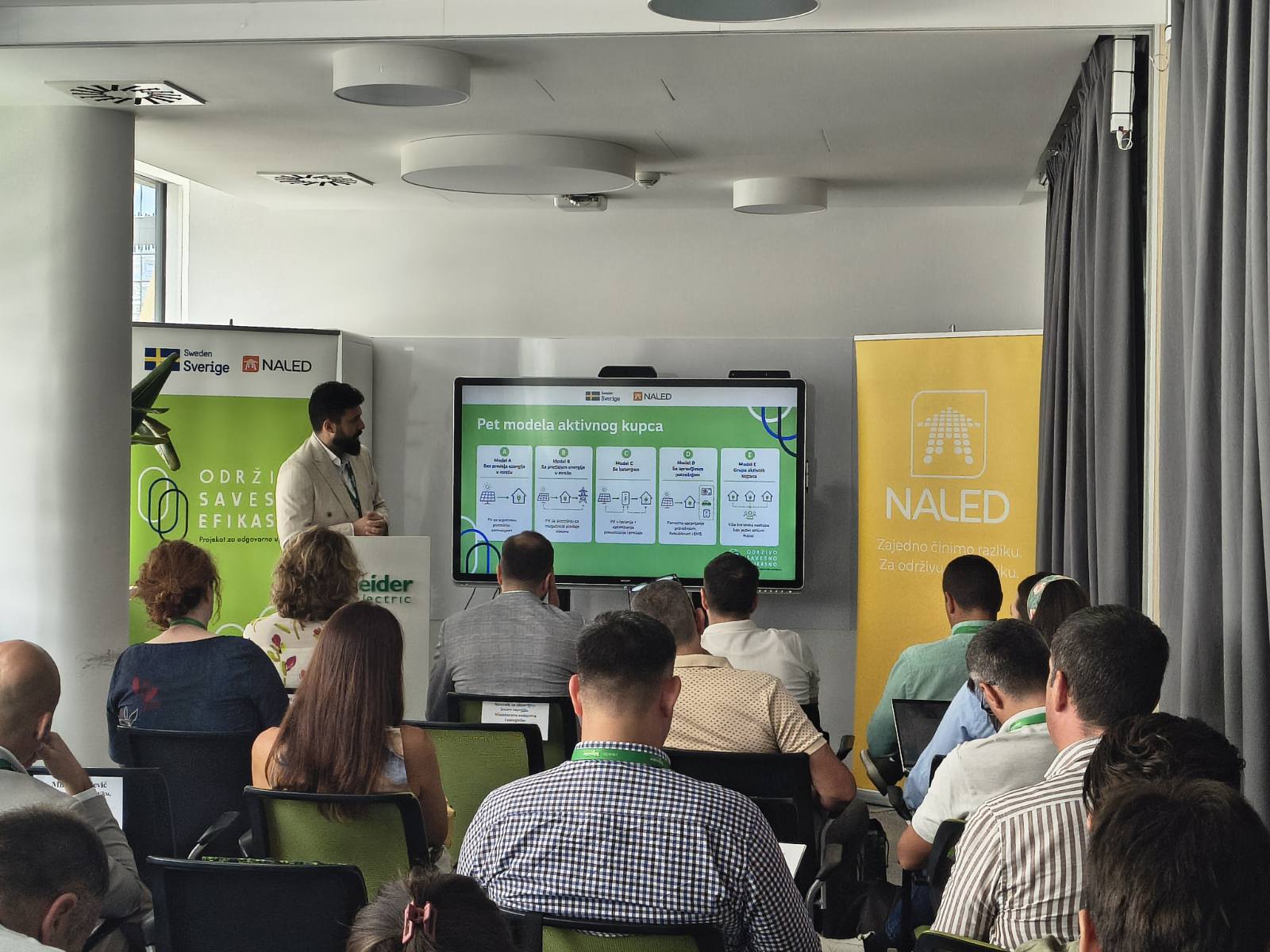
The Guide was presented by Milan Đorđević, consultant and author of the publication, who explained five business models through which a company can operate as an active customer. These range from a model where electricity is generated exclusively for self-consumption, through models that include battery storage, to arrangements in which multiple users jointly utilize the same power plant or storage facility.
"Becoming an active customer is not a matter of completing a single procedure with one institution. It requires the coordination of technical, regulatory, construction, and market-related processes. It serves as a bridge between a company's own energy efficiency efforts and a modern, flexible energy system," explained Đorđević.
The Guide also clearly distinguishes between three types of market participants: the prosumer, who typically generates electricity through a small solar power plant primarily for self-consumption; the active customer, who in addition to generation may also have storage capacity, flexible consumption, and market participation; and the producer, whose primary objective is to sell electricity to the grid.
The publication provides a detailed roadmap for obtaining active customer status, covering every step from selecting the appropriate model and gathering documentation, through the preparation of technical solutions and grid connection studies, to trial operation and final registration in the active customer registry.
During the workshop, particular attention was given to clarifying the 150-kilowatt installed capacity threshold, which is crucial for classifying users. Those below this threshold remain within the prosumer category, while users exceeding 150 kilowatts may apply for active customer status, which is primarily intended for businesses and industrial consumers.