How to Accelerate the Flow of Goods Between the Western Balkans and the EU
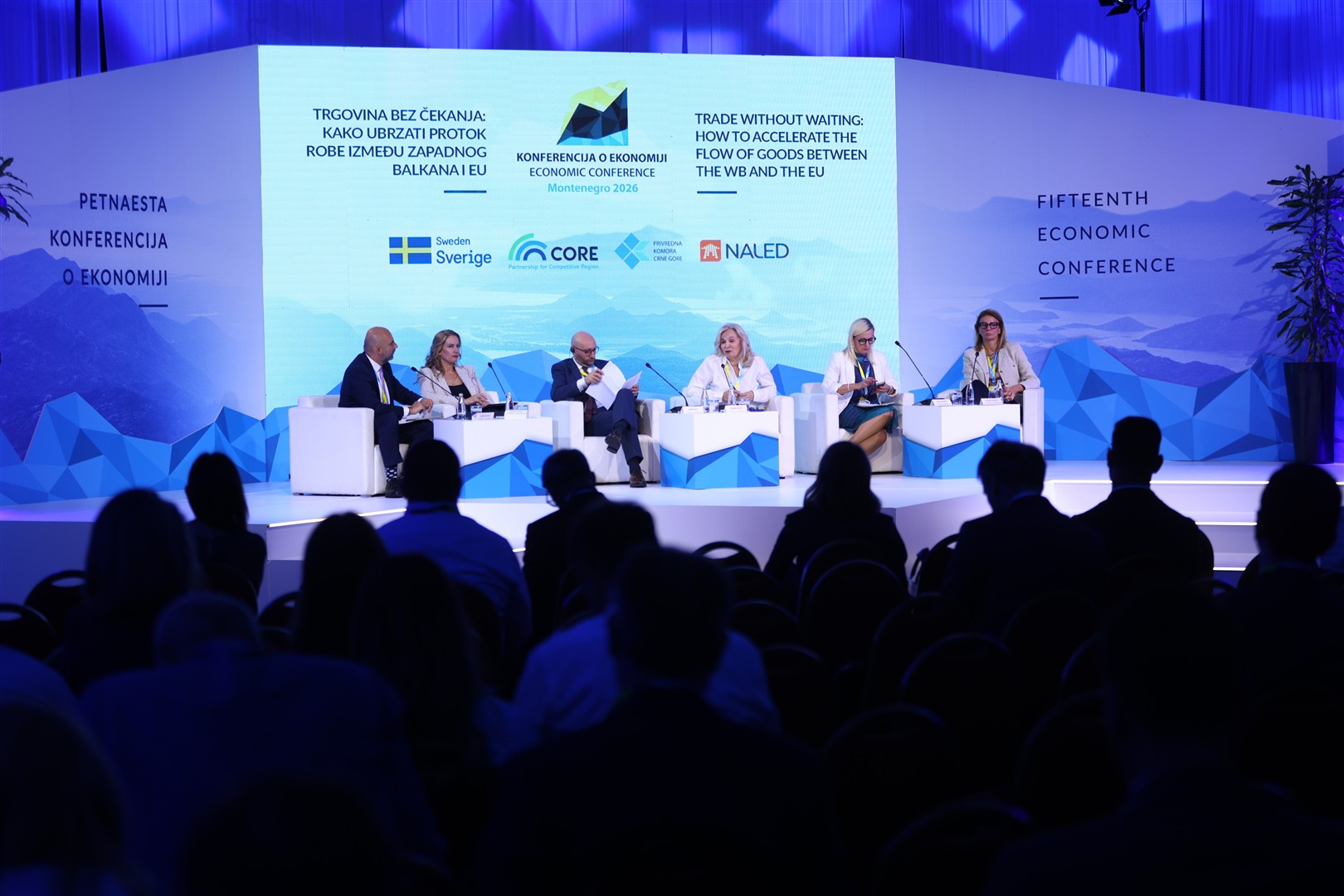
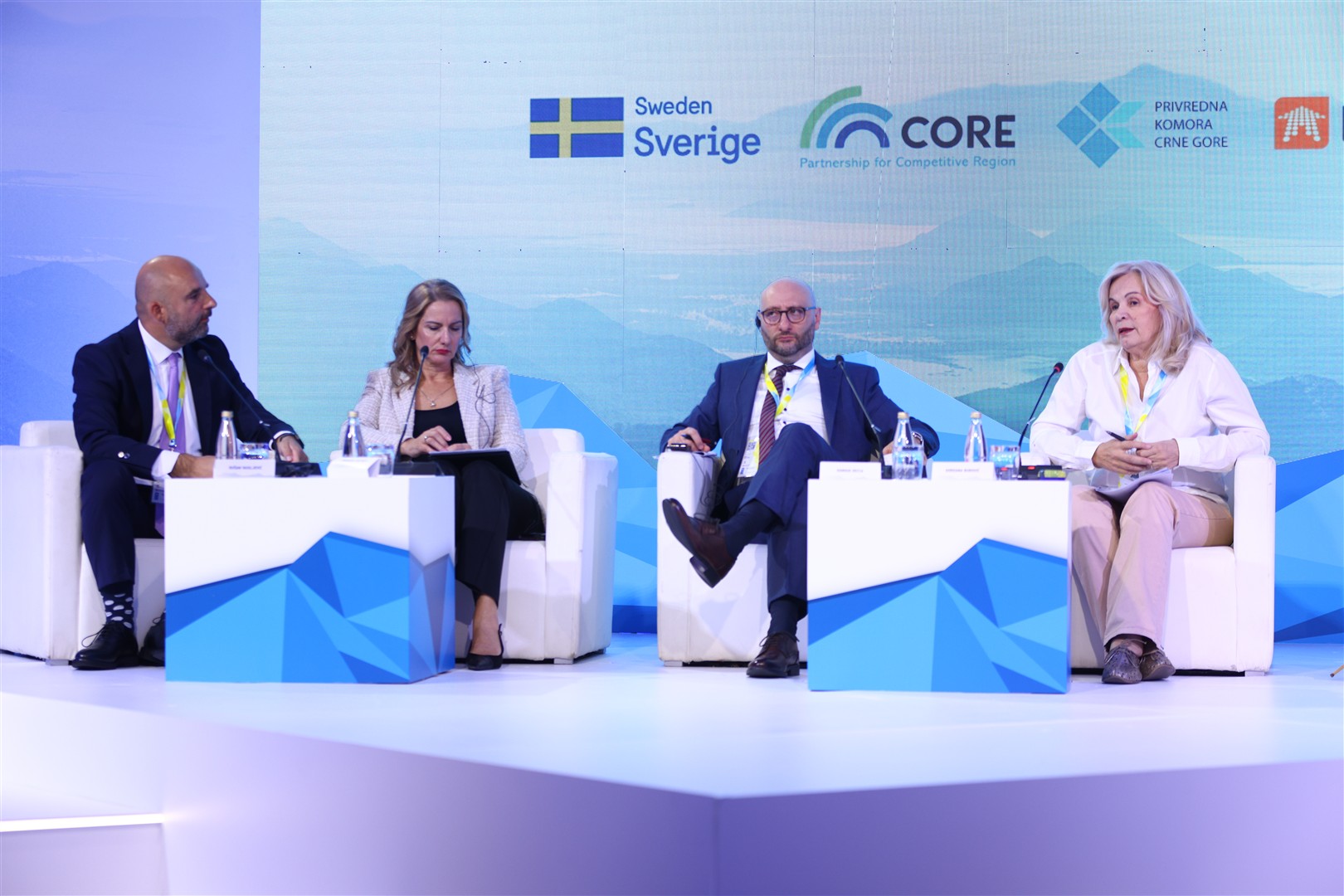
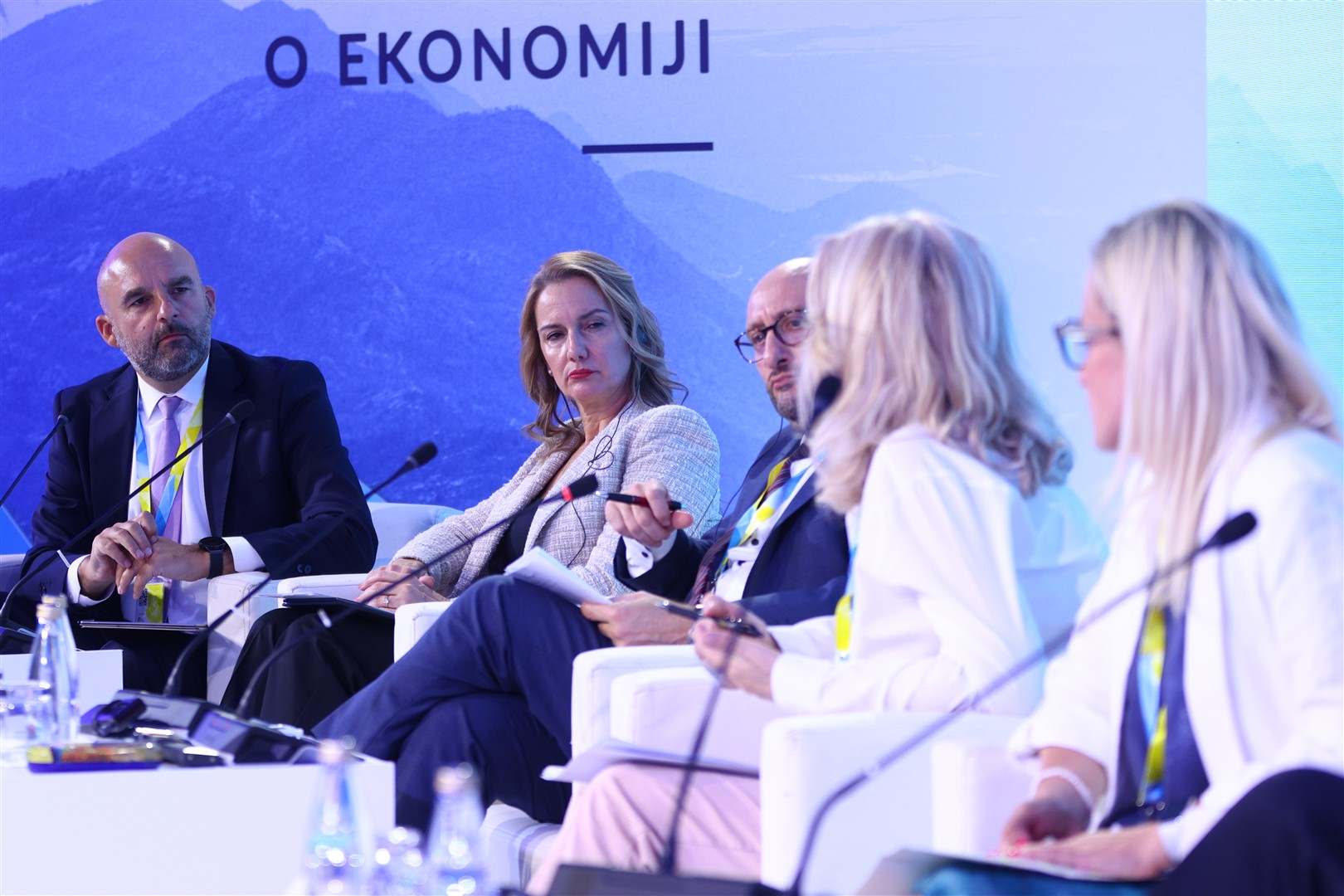
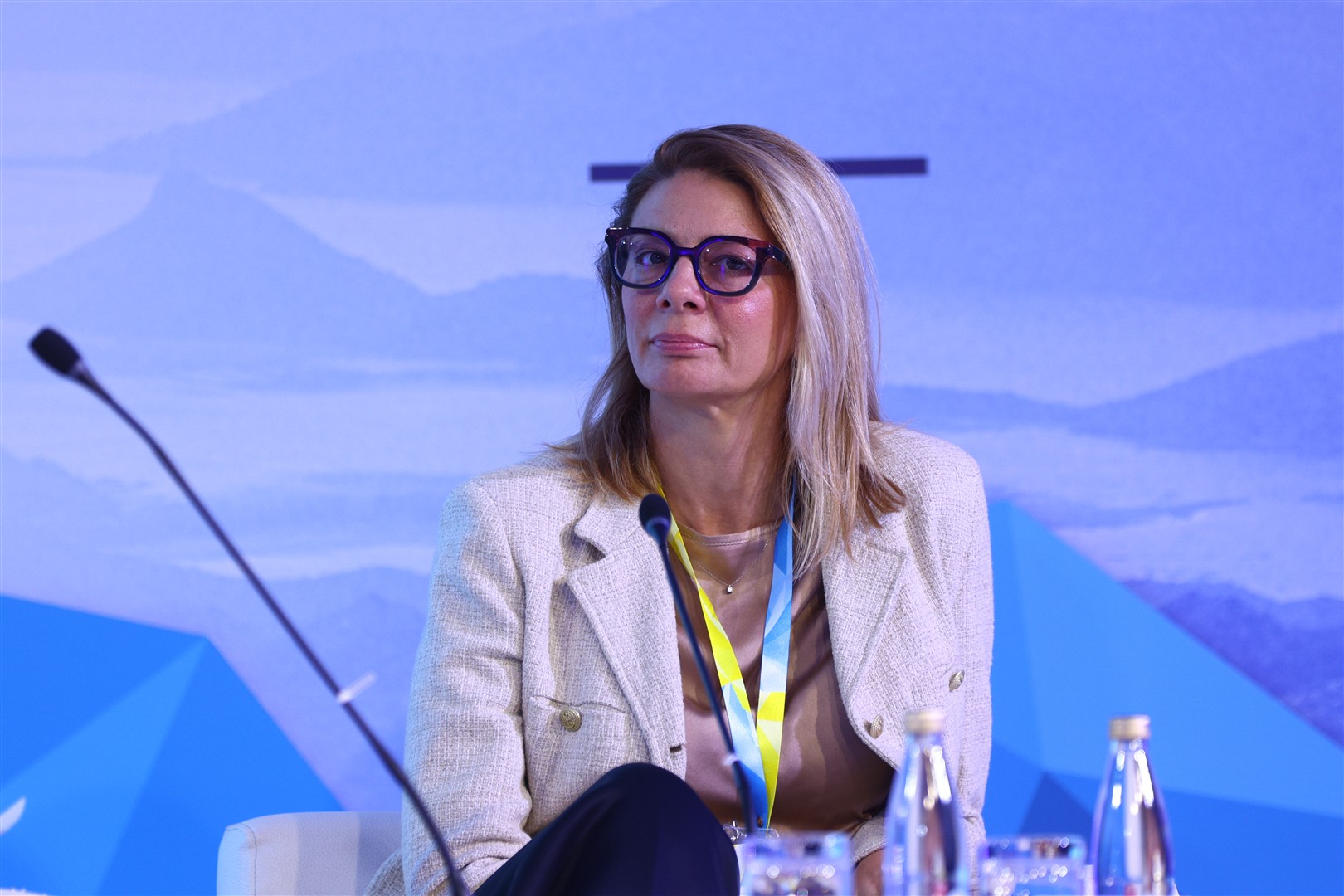
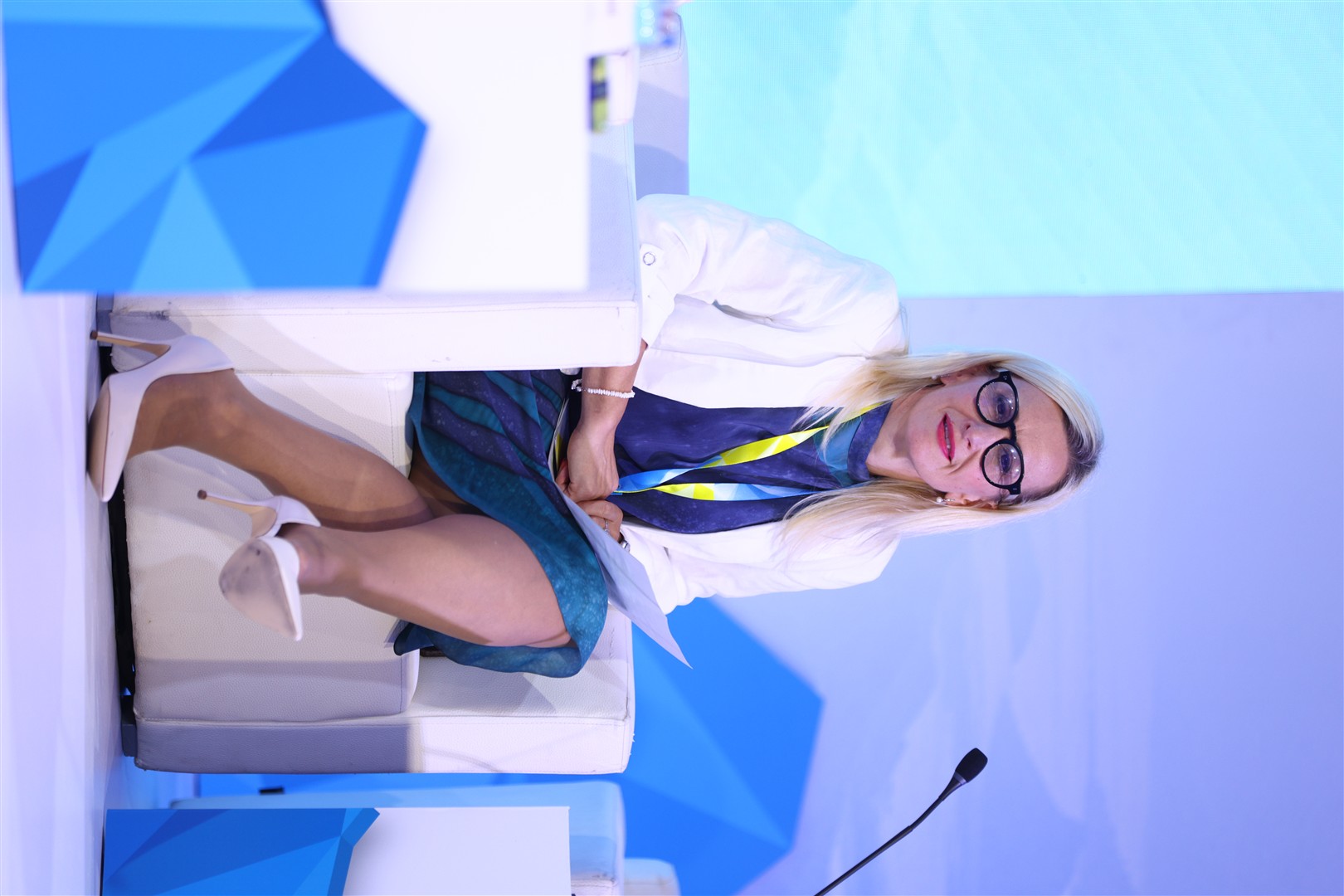
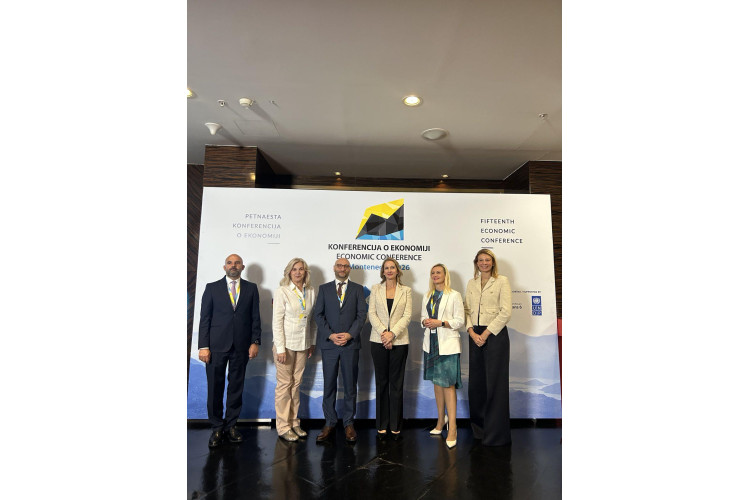
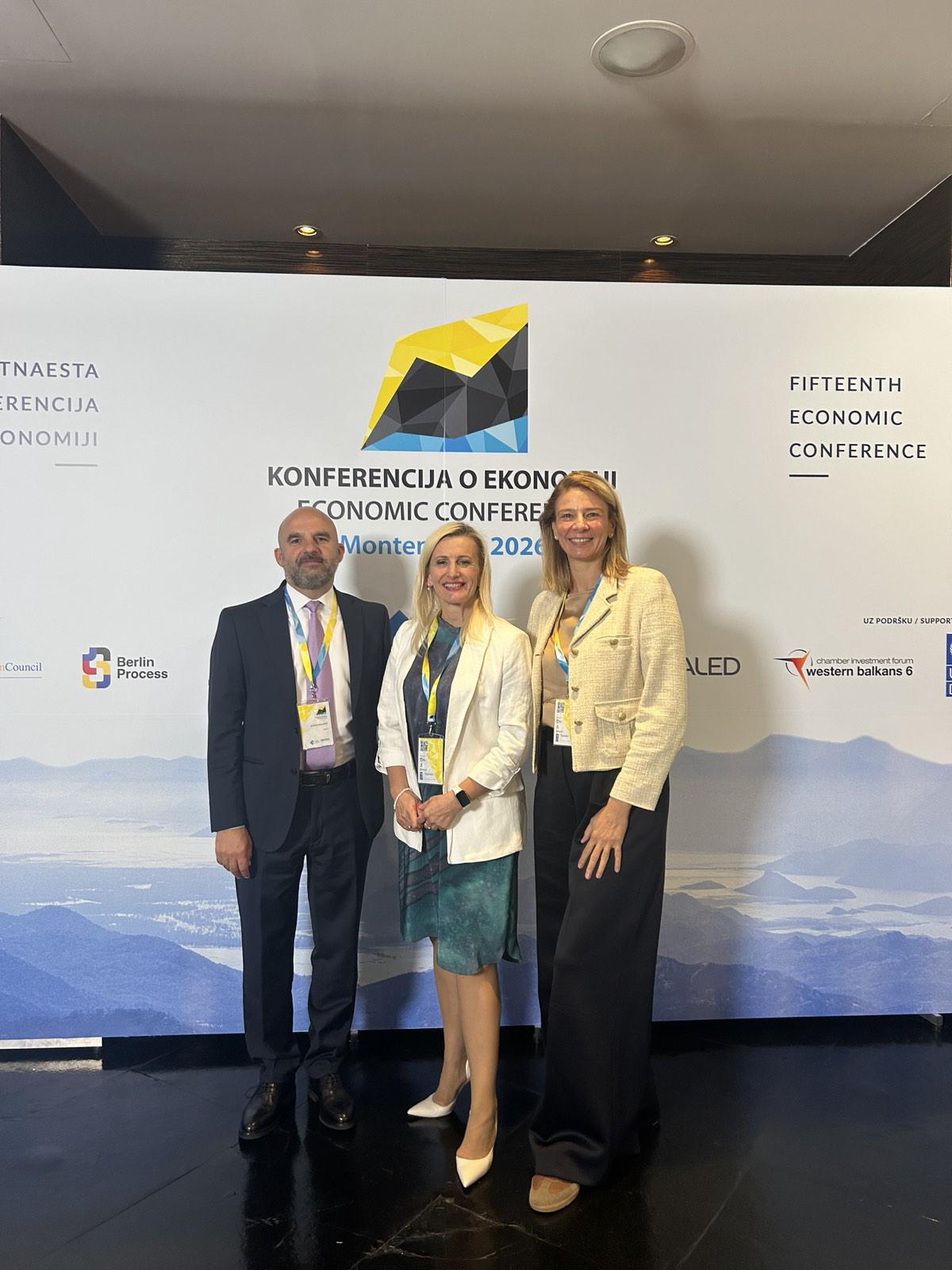
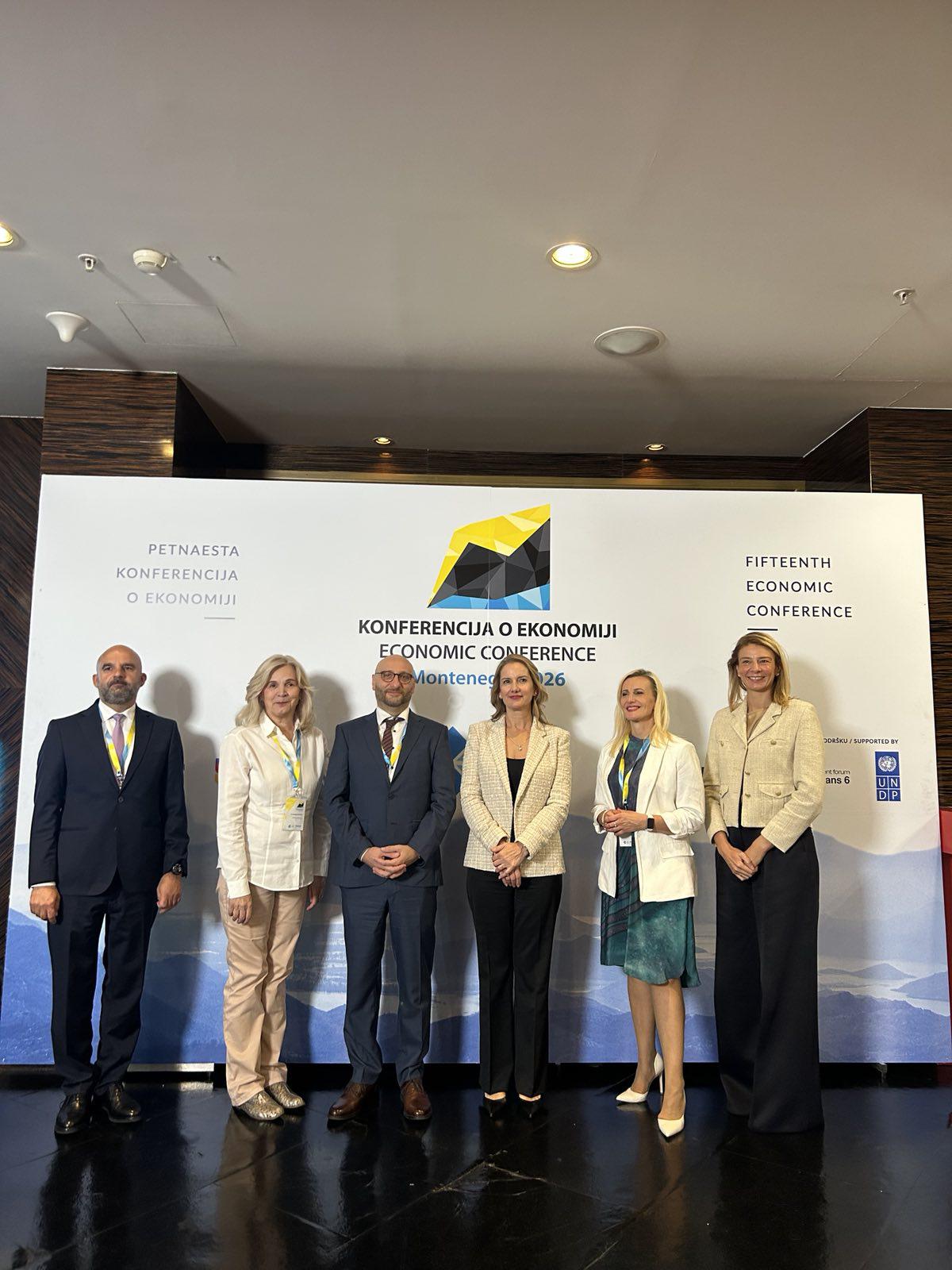
The Western Balkans and the European Union are already closely interconnected through trade, investment and supply chains, and administrative procedures and border management must catch up with this economic reality. This was the message delivered by NALED Executive Director Violeta Jovanović at the panel discussion “Trade Without Delays: How to Accelerate the Flow of Goods Between the Western Balkans and the EU?”, held today in Budva as part of the Montenegro Economic Conference 2026.
Jovanović emphasized that trade facilitation has become one of NALED’s priorities at the initiative of its members, responsible companies that operate transparently but continue to bear significant costs due to lengthy and unpredictable foreign trade procedures.
“Companies have to factor in delays, additional transportation and storage costs, and production disruptions, while trucks sometimes wait at border crossings for days. Tariffs can be eliminated through free trade agreements, but their full benefits cannot be realized if goods continue to be held up by lengthy and complex procedures,” said Jovanović.
She noted that around two-thirds of Serbia’s exports go to the EU, which accounts for approximately 60% of the country’s total trade, while CEFTA is the second most important export market, representing around 15% of exports. For this reason, the issue is among the priorities of the Fair Competition Alliance and the Food and Agriculture Alliance, and is also included among the ten priority recommendations in NALED’s latest Grey Book.
“One practical benefit that businesses could experience within the next 12 months would be tangible progress toward a fully functional Single Window for Foreign Trade. For companies, the principle should be simple: submit data once through a single digital entry point, while institutions exchange and use that data among themselves,” Jovanović explained, adding that simplifying and accelerating foreign trade procedures is one of the ten priority recommendations of NALED’s Grey Book.
The NALED Executive Director also highlighted the importance of regional cooperation through the CORE Partnership, which brings together institutions and organizations across the Western Balkans to exchange good practices and improve the business environment. As an example of concrete cooperation, she pointed to the partnership with the Chamber of Economy of Montenegro, organizer of the Montenegro Economic Conference 2026.
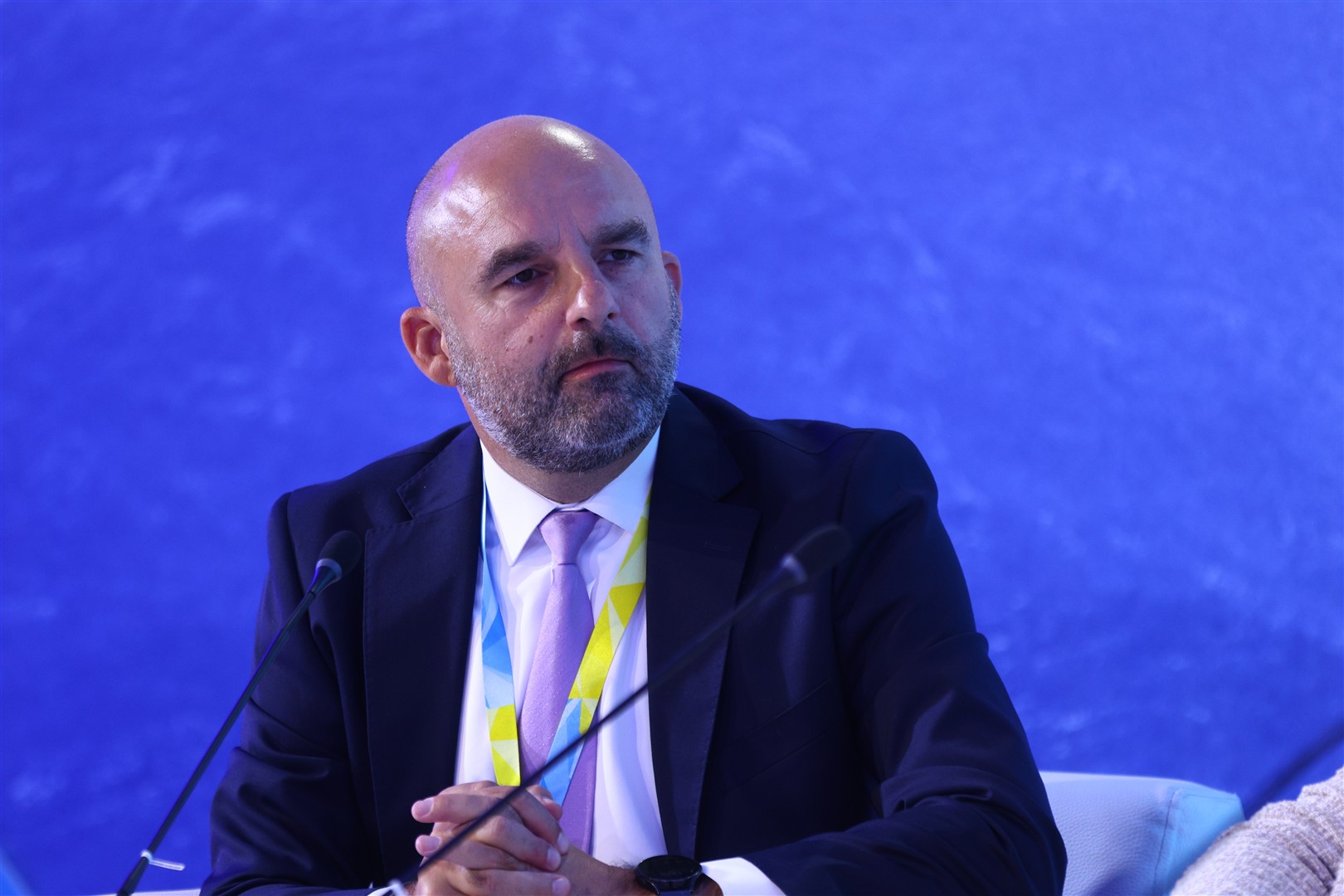
The panel was moderated by Dušan Vasiljević, NALED’s Director for Competitiveness and Investments, and featured Marjana Davidović, General Manager for the Southern Adriatic Region at Nestlé and Vice President of the NALED Managing Board, Pranvera Kastrati, Director of the CEFTA Secretariat, Giorgio Zeka of the European Commission (DG ENEST), and Prof. Dr. Gordana Đurović of the Faculty of Economics at the University of Montenegro.
This topic will also be on the agenda of the CORE Days 2026 conference, which will take place on 26 and 27 November in Belgrade.