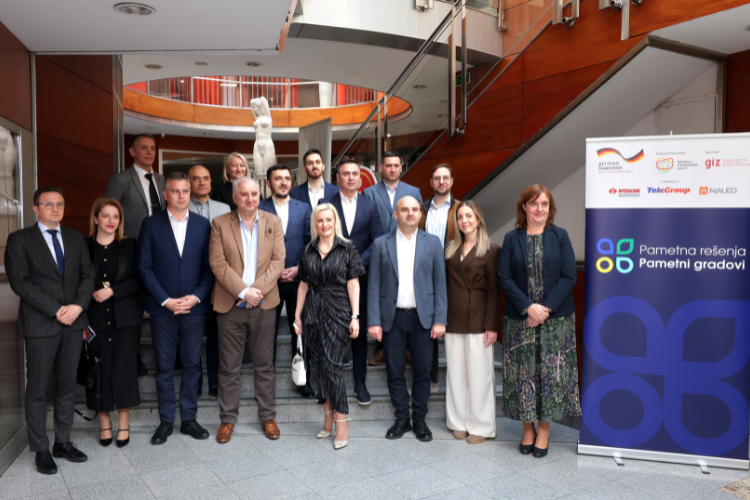
Raška Launches Smart Green Space Management System
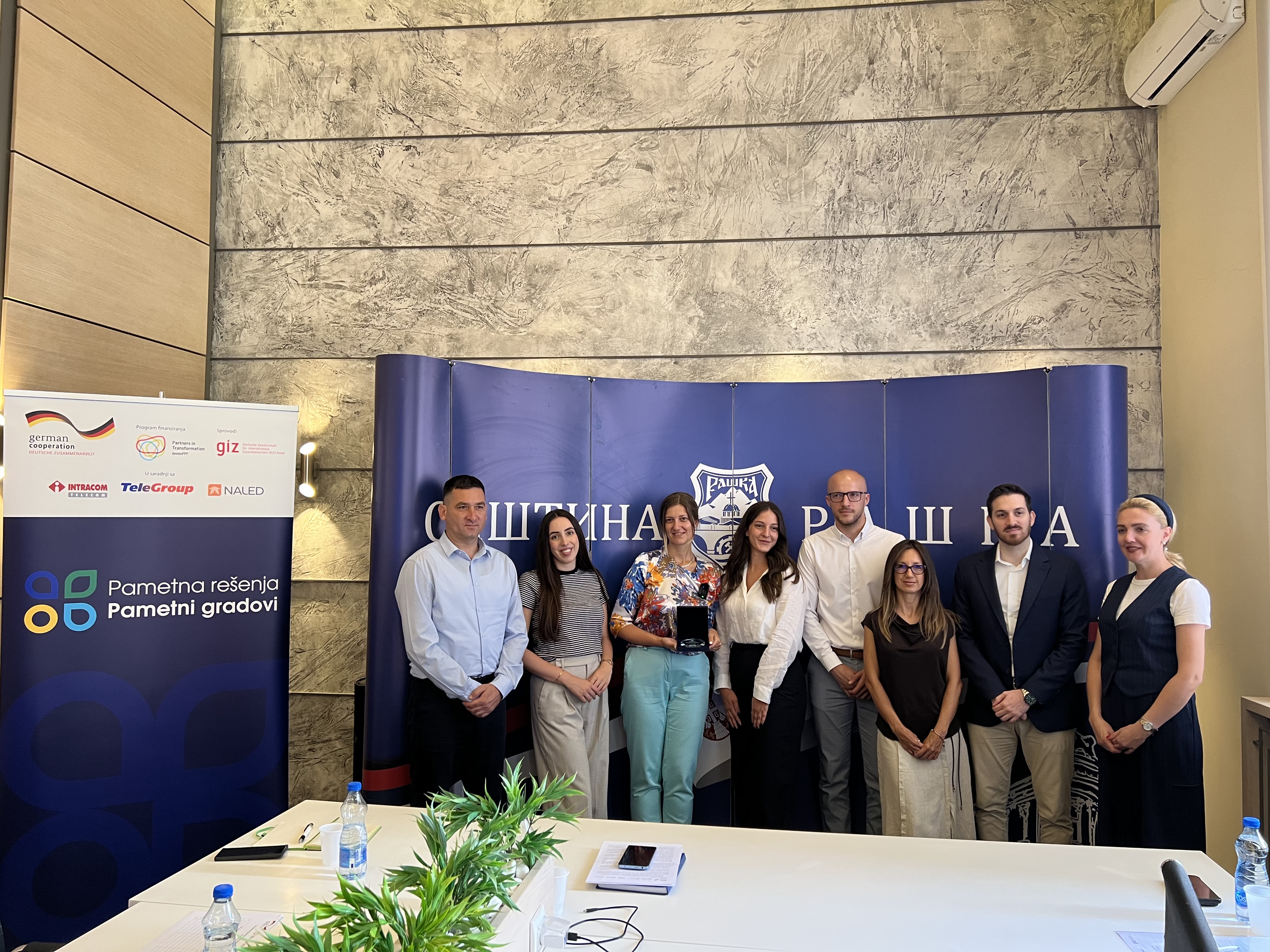
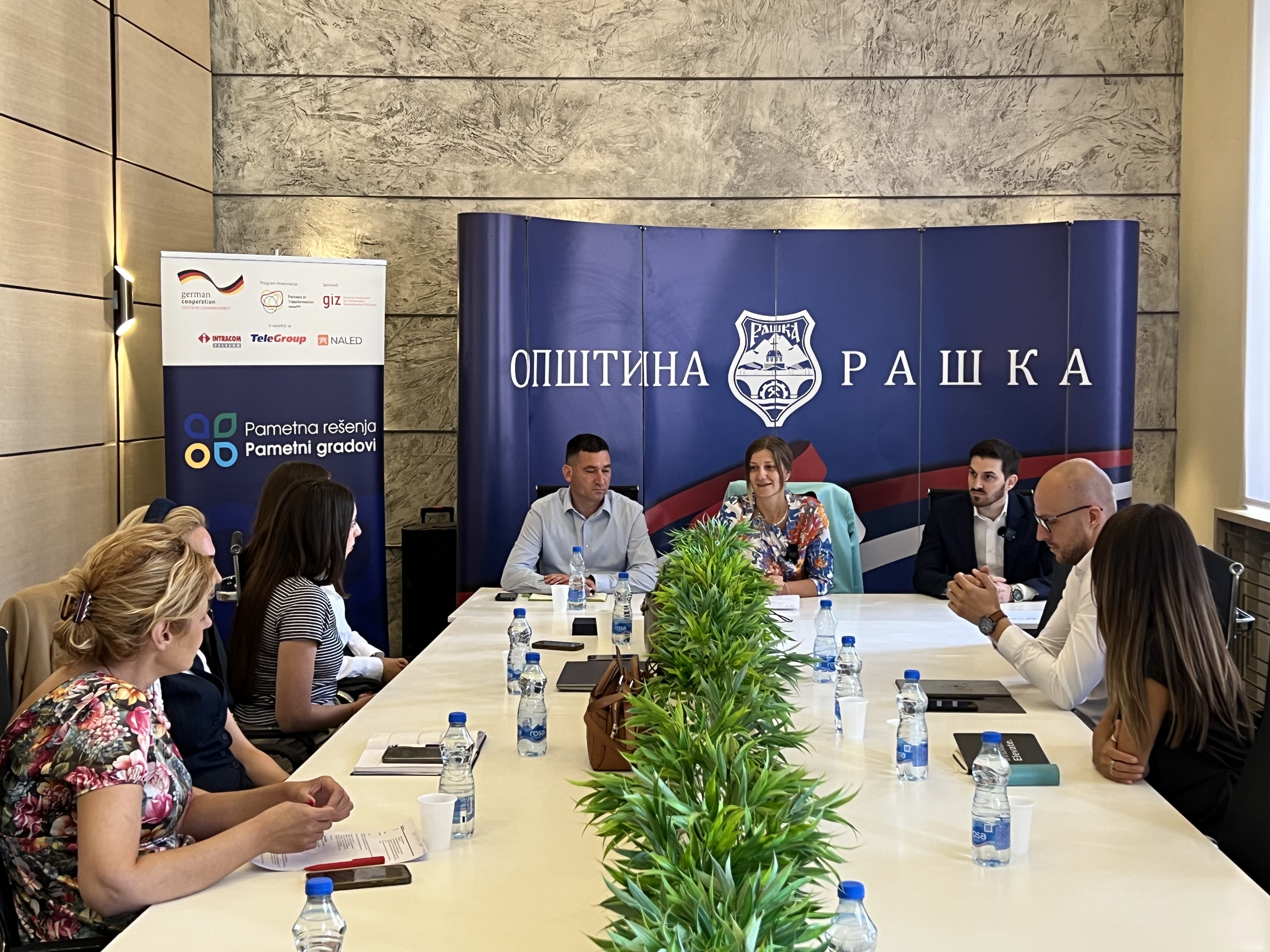
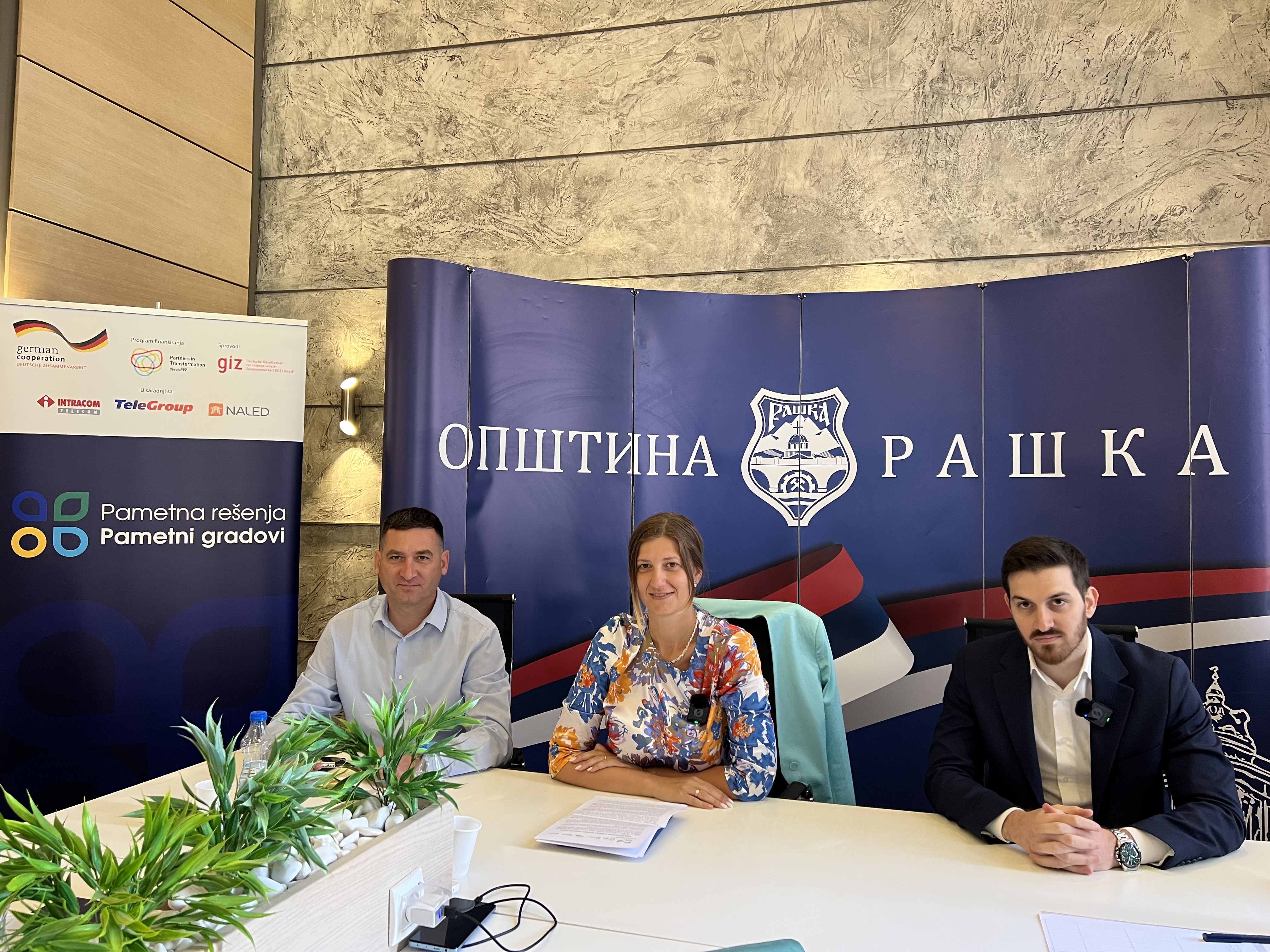
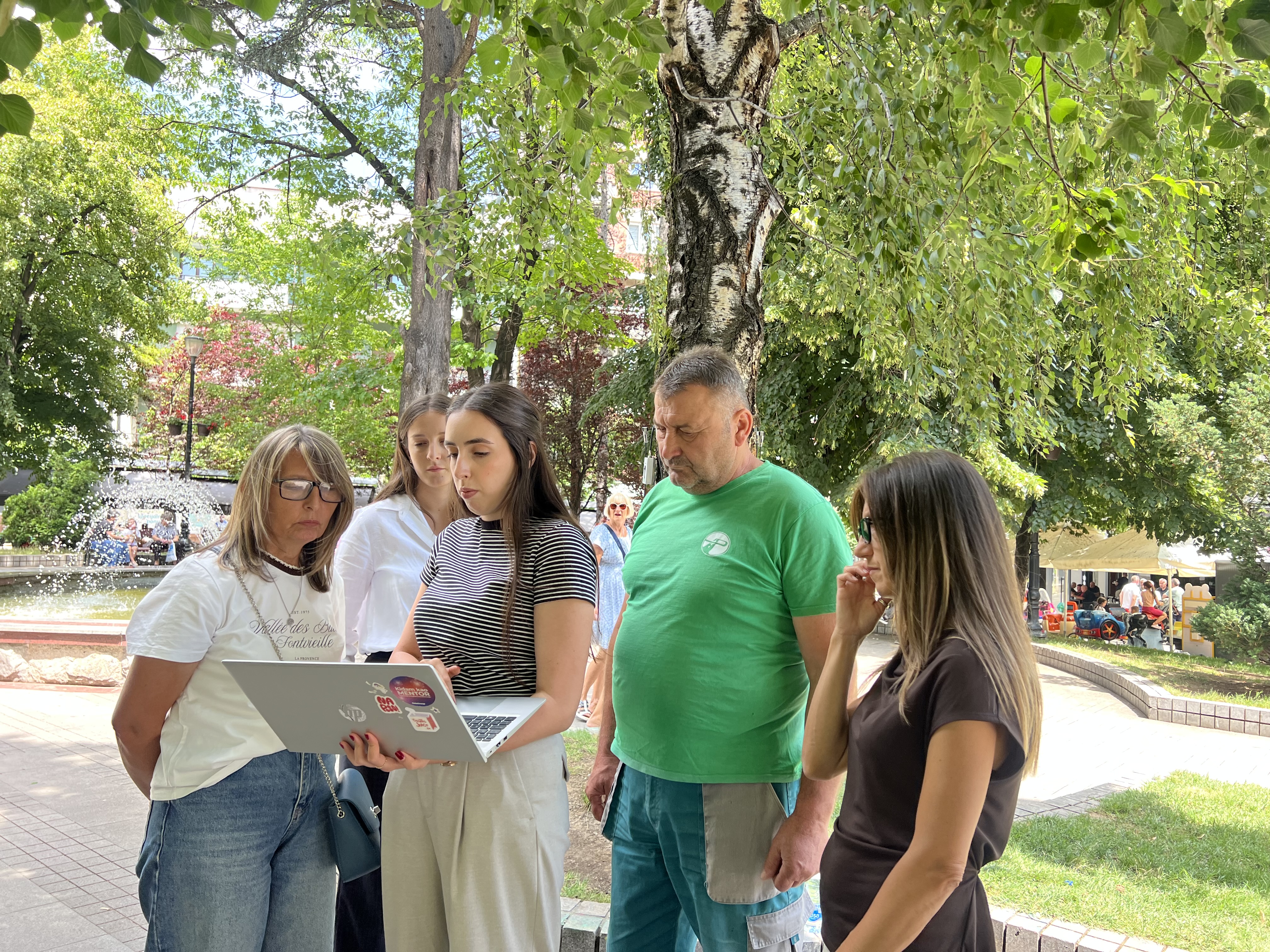
Starting today, the Municipality of Raška is introducing a smart green space management system that will enable more efficient maintenance of parks and other public green areas, more rational use of water and equipment, and faster responses to risks related to drought, diseases, and pests, it was announced during the official handover of the software license and equipment delivered to the municipality today.
The complete infrastructure, together with the accompanying management license, was provided under the project “Towards Smart, Green and Sustainable Cities in Serbia”, implemented by GIZ with the support of NALED, in cooperation with Intracom Telecom and TeleGroup, through the develoPPP programme of the German Federal Ministry for Economic Cooperation and Development (BMZ).
“The Municipality of Raška has received a smart green space management system that will enable more efficient planning, maintenance, and improvement of our parks and other public green areas. Solutions like this represent an important step toward more modern, responsible, and sustainable municipal management, ensuring more rational use of resources and a higher quality of services for citizens,” said Jovana Mutavdžić, Deputy President of the Municipality of Raška.
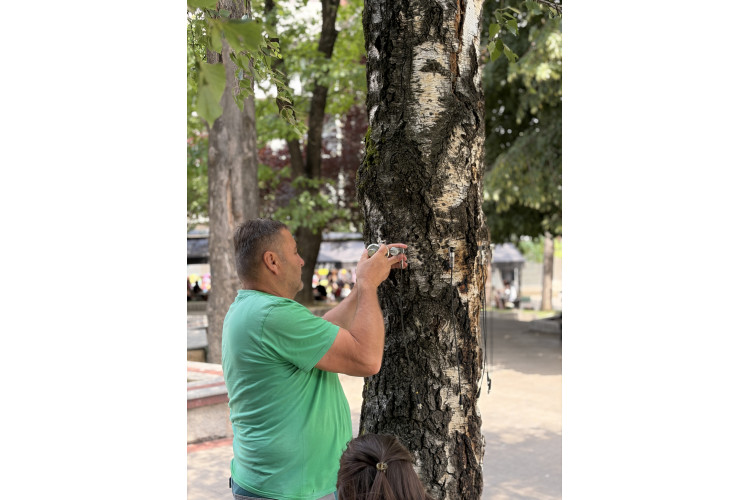
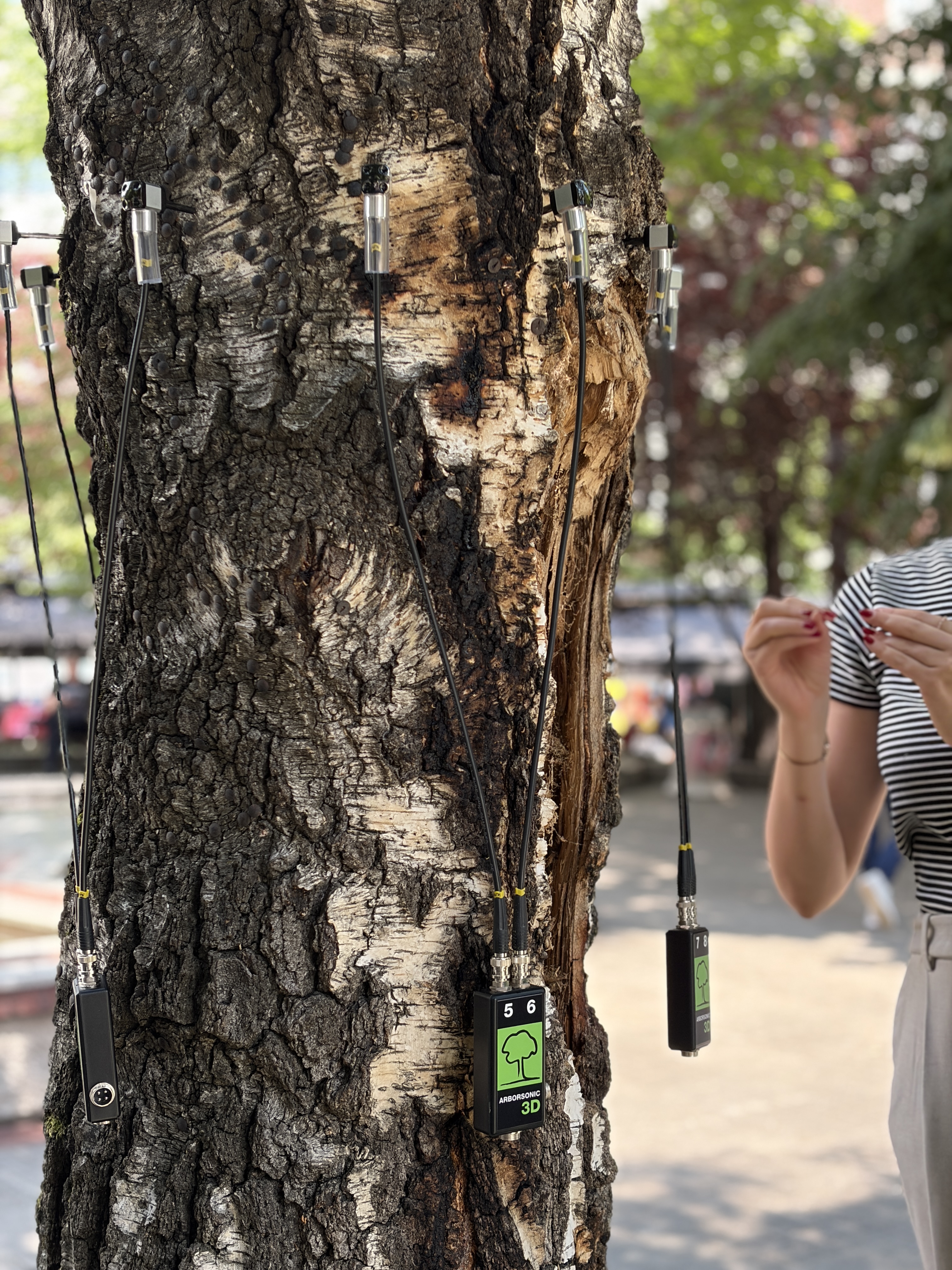
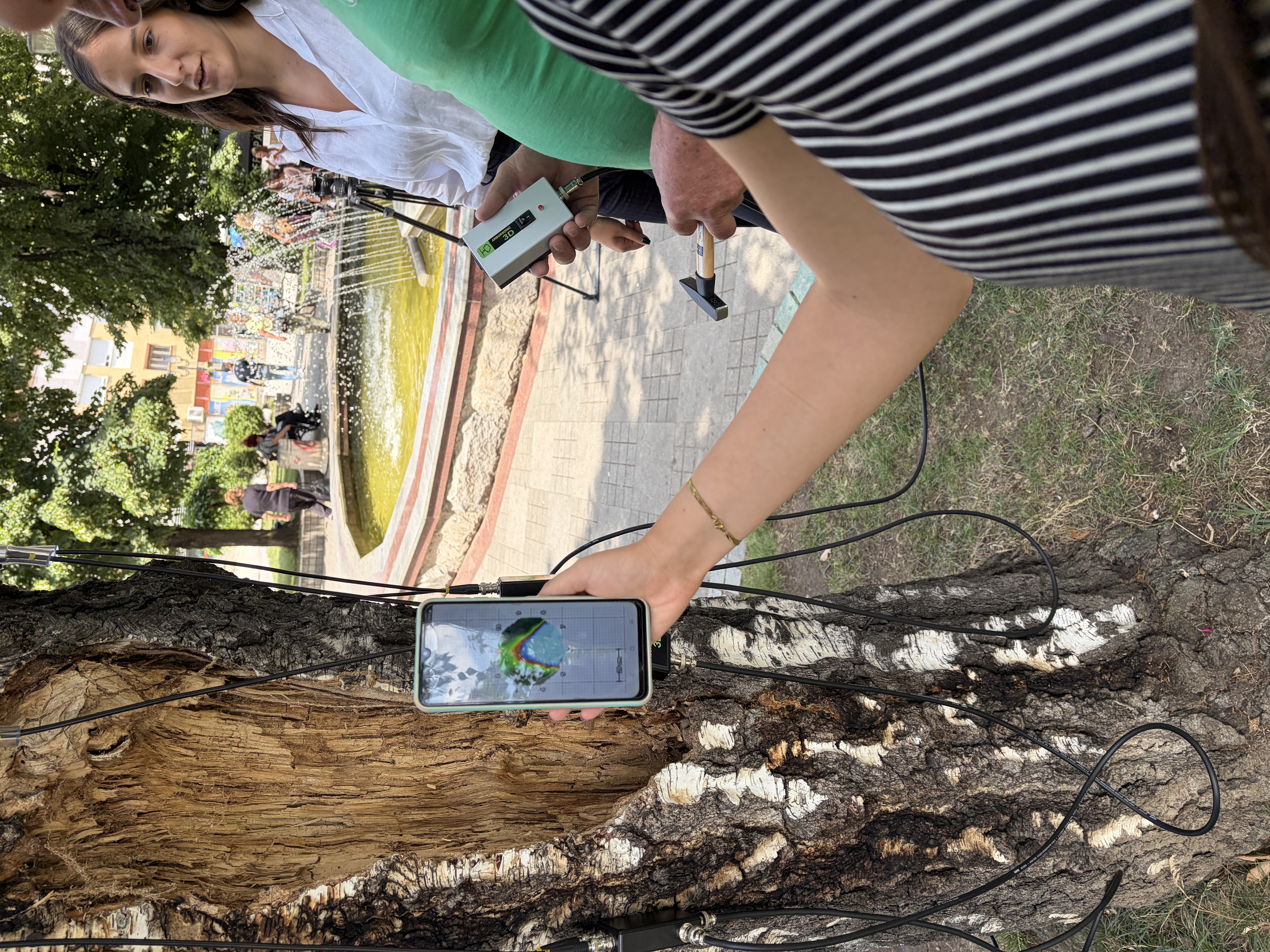
The smart equipment has been installed at five pilot locations—three in Raška and one each in Baljevac and Kopaonik. Weather stations will collect data on temperature, precipitation, air and soil humidity, wind, and solar radiation. Based on this information, municipal services will be able to more accurately determine the optimal timing for irrigation, mowing, fertilization, and protective treatments. A specialized device for assessing the internal condition of trees will help detect decay at an early stage and evaluate tree stability.
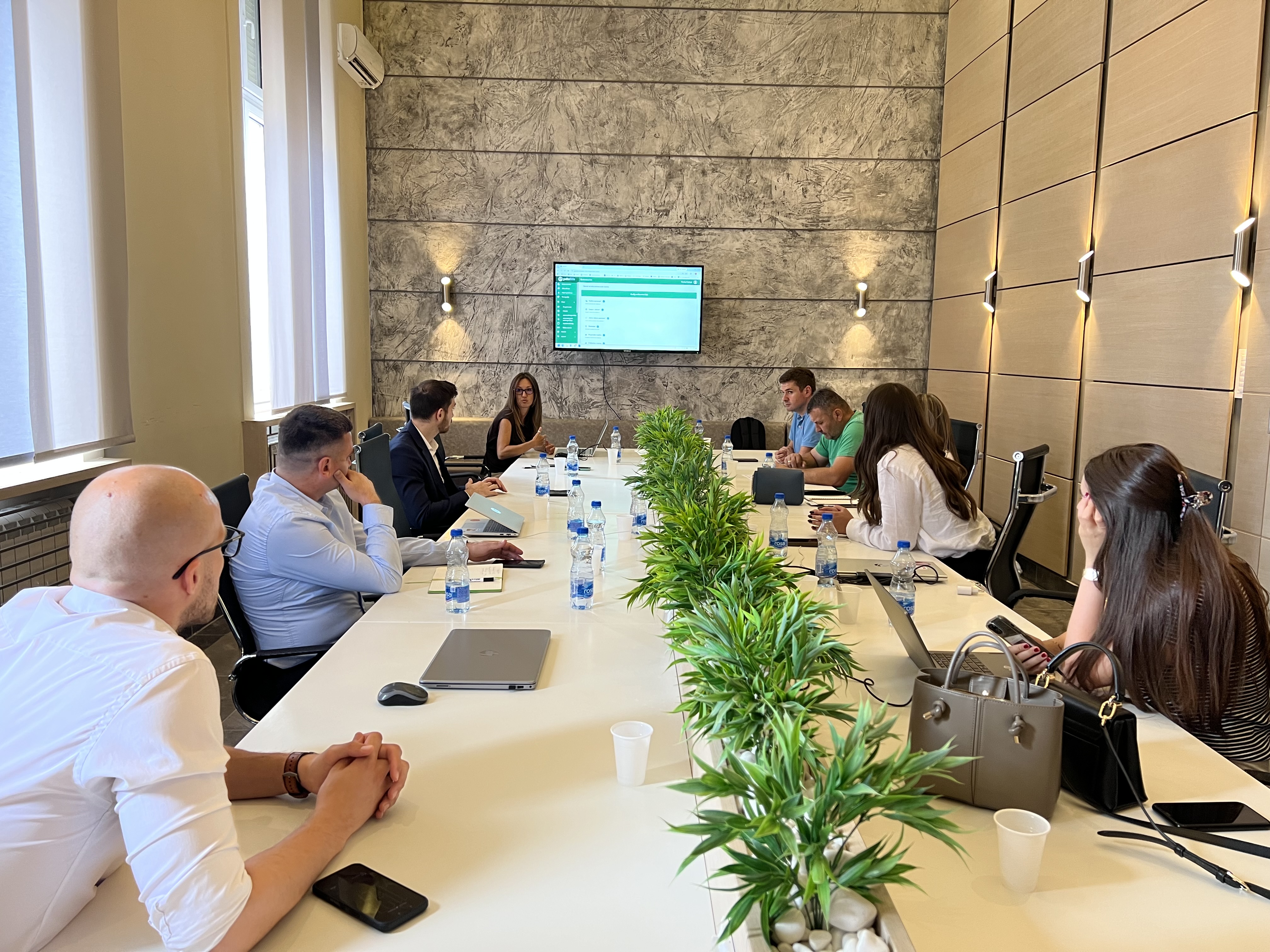
Digital cadastres and GIS databases are already used in several Serbian cities, including Belgrade, Novi Sad, and Subotica, primarily for recording trees, parks, and maintenance interventions. The system introduced in Raška goes a step further by integrating digital records, sensor data, work planning, cost monitoring, and communication with citizens into a single platform, making it one of the more advanced solutions of its kind in Serbia.
“By linking the green space registry with real-time field data, local services will not only know where a particular area is located, but will also have access to information on current conditions, previously completed works, and potential risks. An additional benefit is that citizens will be able to report issues through a mobile application, track the status of their reports, and receive information on ongoing works and treatments,” said Miloš Petković, Project Manager at TeleGroup.
The project “Towards Smart, Green and Sustainable Cities in Serbia” is also being implemented in four other local self-governments. Pirot is receiving a smart parking management system, Kragujevac and Vrnjačka Banja are introducing solutions for digital monitoring of water supply networks, while Veliko Gradište is being equipped with a smart solar-powered charging station for electric vehicles.
“Through integrated smart solutions for digital transformation that GIZ and its partners are offering—from smart mobility and urban green space management to intelligent drinking water systems—citizens will benefit from a cleaner environment, save time and money, and experience an improved quality of life,” said Zoran Jakovljev, Advisor at GIZ.
NALED’s research has shown that half of Serbia’s municipalities are currently implementing or have previously implemented pilot projects featuring elements of smart city development, while a further 65% report plans to undertake such activities.
“The goal of the project is not only to provide municipalities with new infrastructure, but also to help them learn about best practices and continue developing smart solutions. This is why, in parallel with local governments, we are working on the development of a smart city concept tailored to the needs of local communities, based on mapping the key sectors where the implementation of smart technologies would deliver the greatest benefits,” said Stefanos Jokić, Project Manager at NALED.