30 Public Buildings in Serbia and Croatia Equipped with Solar Power Plants Through an EU Project Worth Around €2 Million
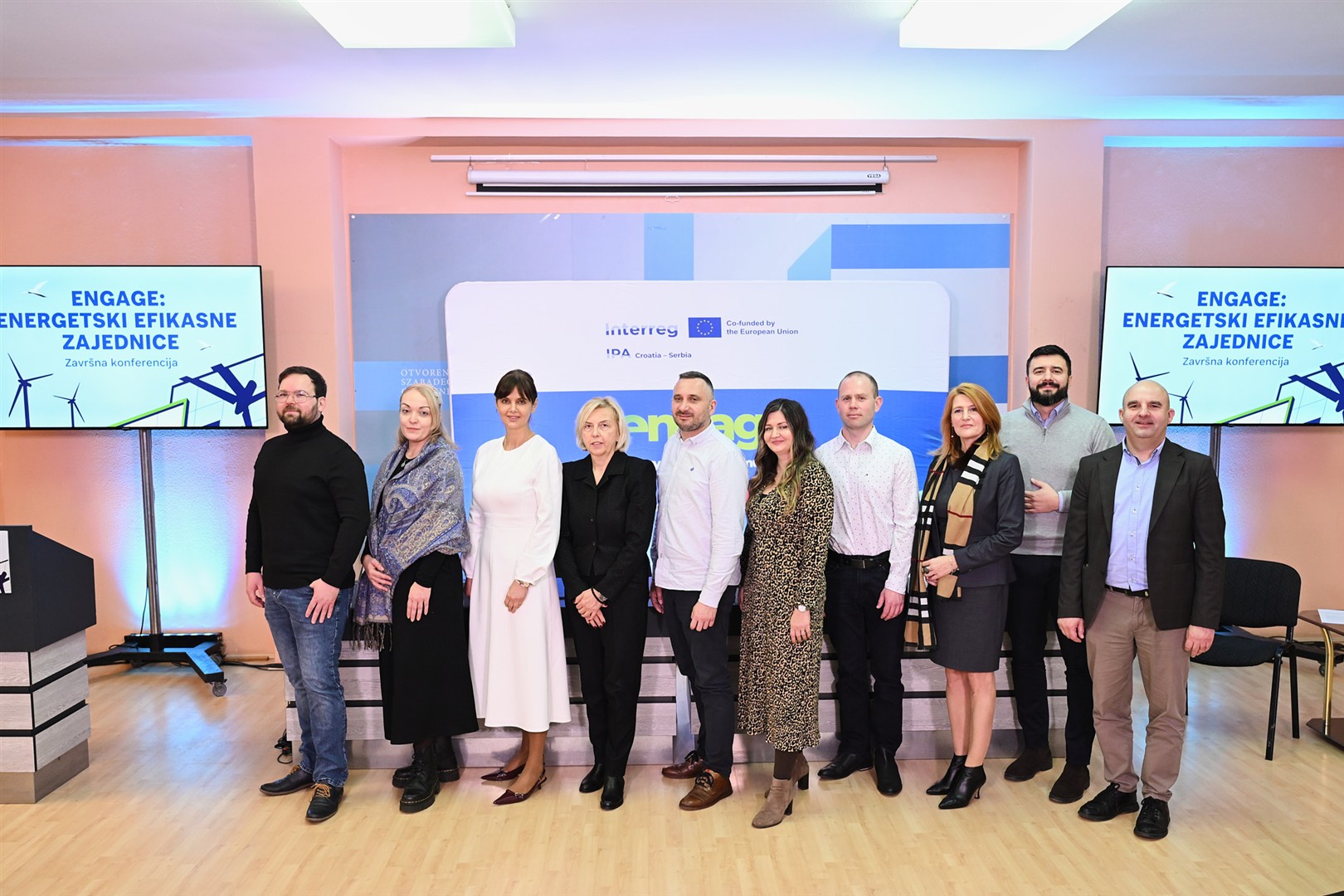
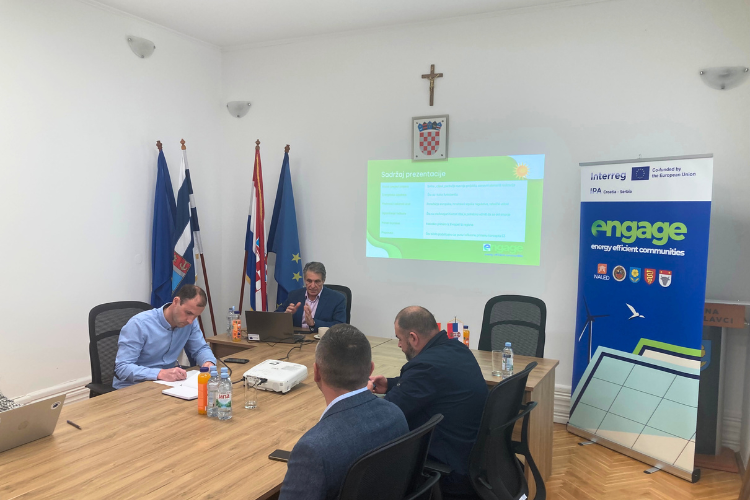
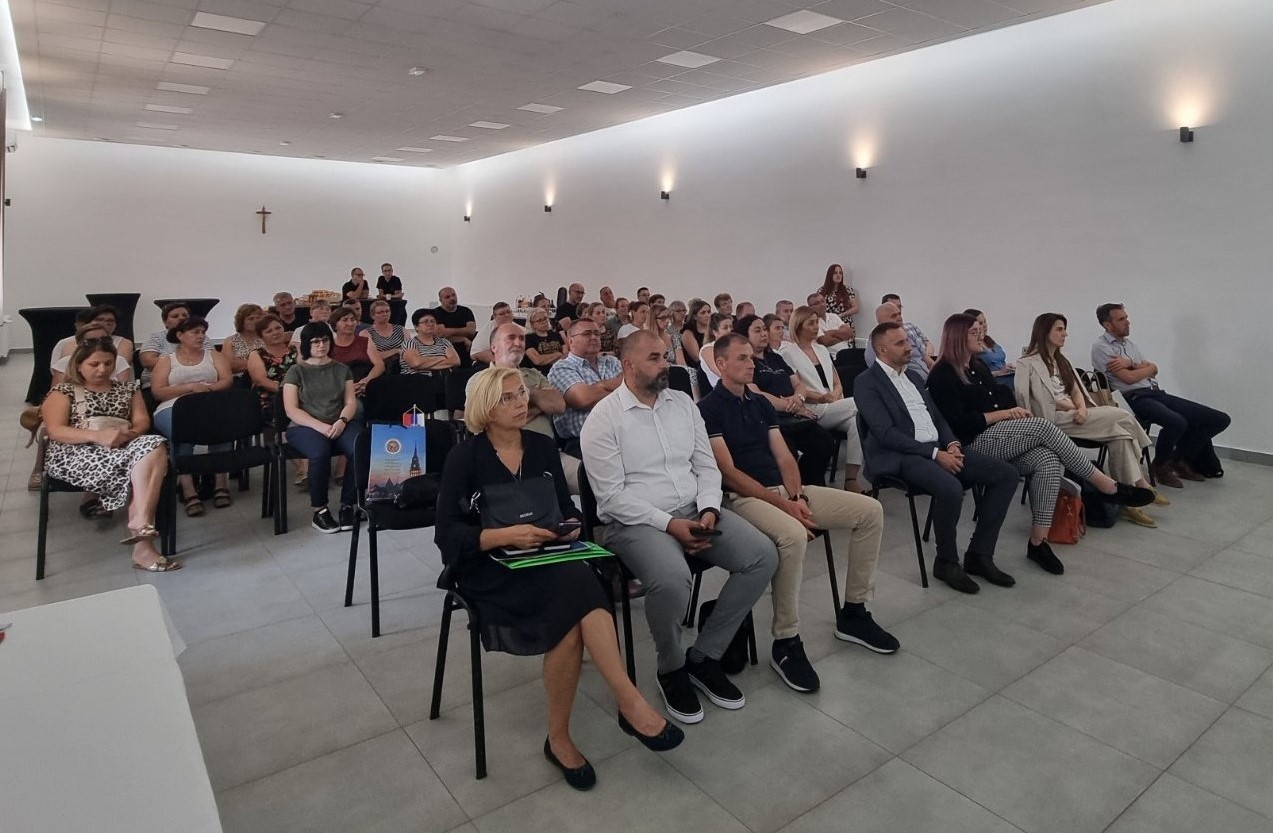
Local governments from Serbia and Croatia have demonstrated how cross-border cooperation can deliver tangible and measurable benefits for citizens – from lower energy costs to cleaner air. Through the project “Energy Efficient Communities – ENGAGE”, valued at over €2 million and financed with the support of the European Union, solar power plants were installed on 30 public buildings, smart bus stops were built, and public lighting was upgraded in Subotica and in three Croatian municipalities – Vladislavci, Gorjani and Strizivojna – with expert support from NALED.
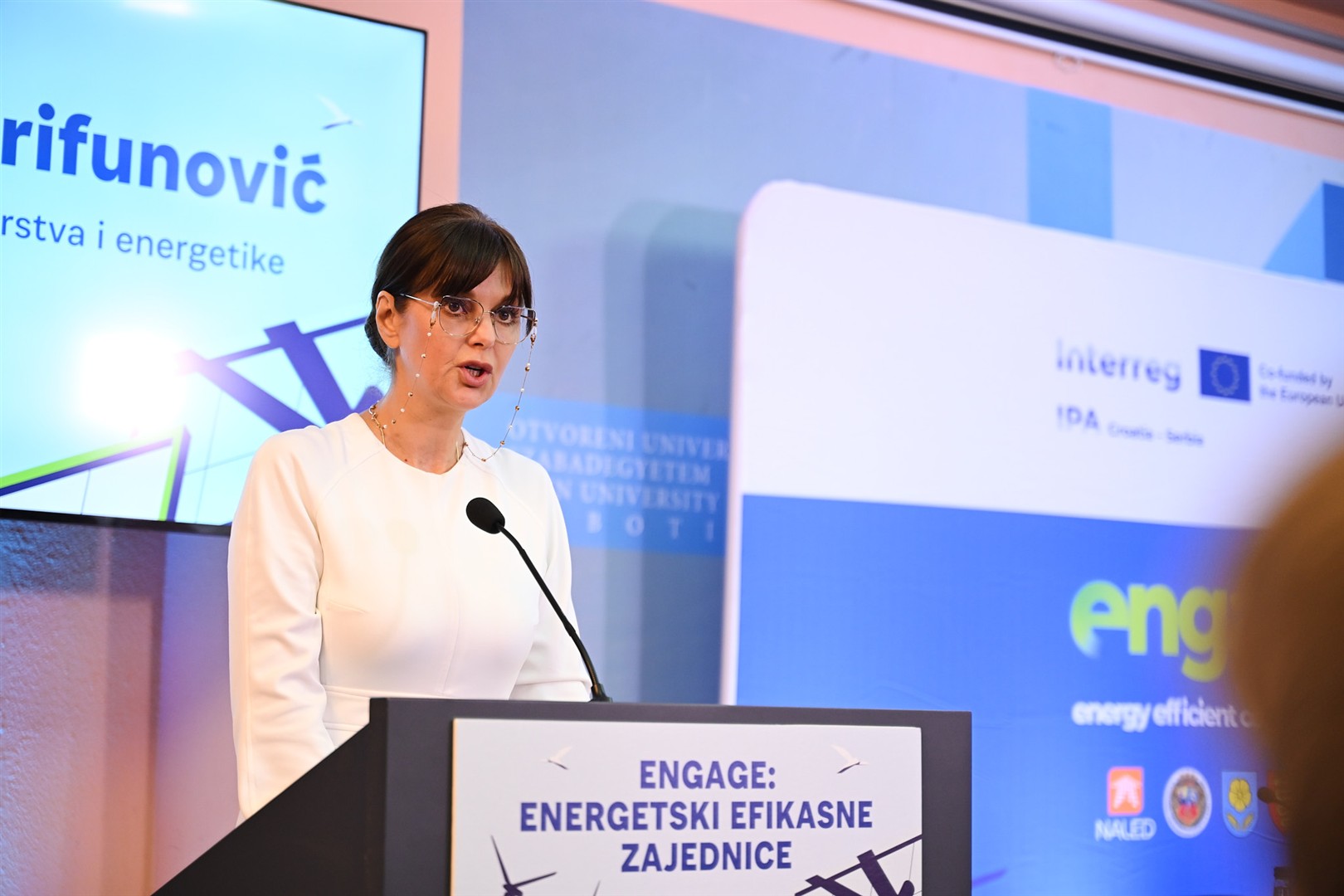
“The project was implemented at a time of significant changes in the energy sector, both globally and nationally. The world is undergoing an accelerated energy transition, marked by strong growth in renewable energy sources, particularly solar and wind energy. These trends bring new development opportunities, but also challenges related to system stability, grid balancing, and the adaptation of regulatory and institutional frameworks. In this context, the project represents a good example of how cross-border cooperation and joint efforts can develop models that respond to the real needs of local communities,” explained Nataša Trifunović, Head of the Renewable Energy Group at the Ministry of Mining and Energy.
She added that one of the key strategic priorities is the further development of decentralized energy solutions, by strengthening the role of local governments, citizens, and businesses in energy production and consumption.
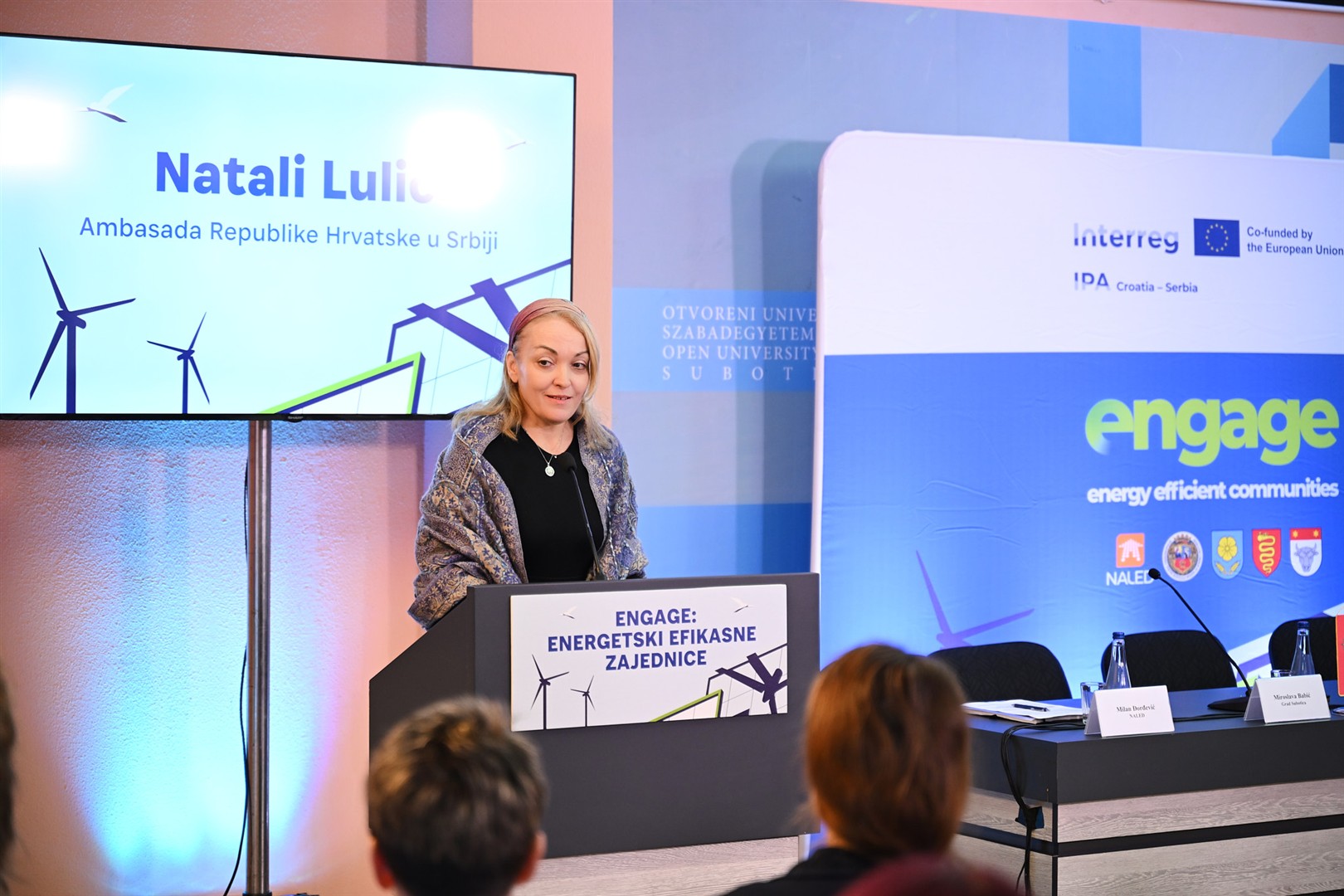
Natali Lulić, Minister Plenipotentiary at the Embassy of the Republic of Croatia in Serbia, emphasized the importance of regional cooperation. The project included training on energy communities, sustainable energy sources, and strengthening the resilience of local communities. Key results include the development of models and pilot activities for establishing energy-efficient communities in rural cross-border areas, Lulić said.
The total installed solar capacity within the project amounts to approximately 0.8 megawatts, with around 0.5 MW installed in Subotica and about 0.3 MW in the Croatian municipalities.
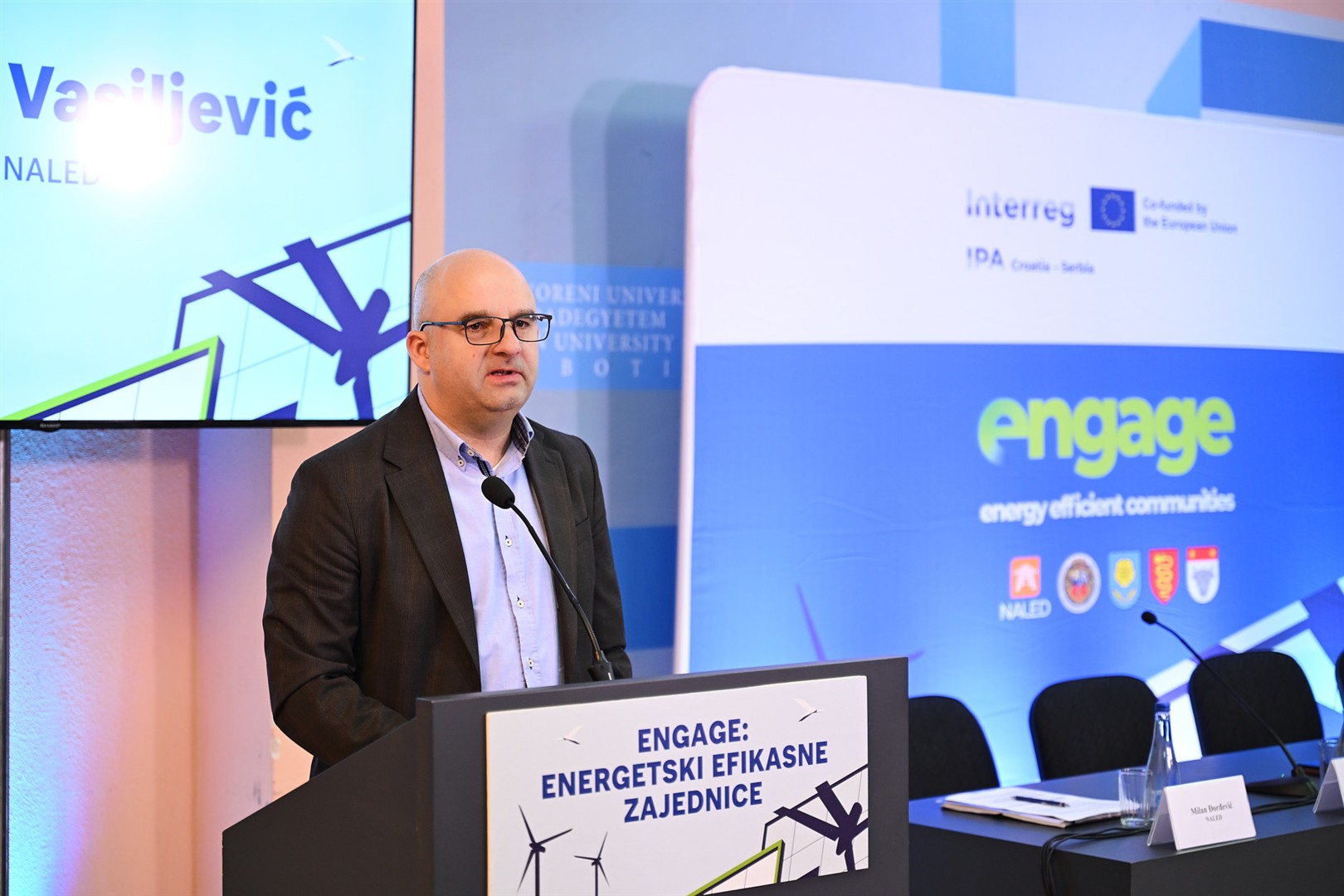
“These investments contribute to a reduction of carbon dioxide emissions by around 520 tons per year. This is equivalent to the amount of pollution produced by approximately 120 cars in a year, or the amount of CO₂ that about 18,000 trees can absorb over the same period,” emphasized Dušan Vasiljević, Director for Competitiveness and Investments at NALED.
The City of Subotica has announced the establishment of a renewable energy community, opening the door for citizens, institutions, and local businesses to jointly produce and use energy from renewable sources through the application of this model.
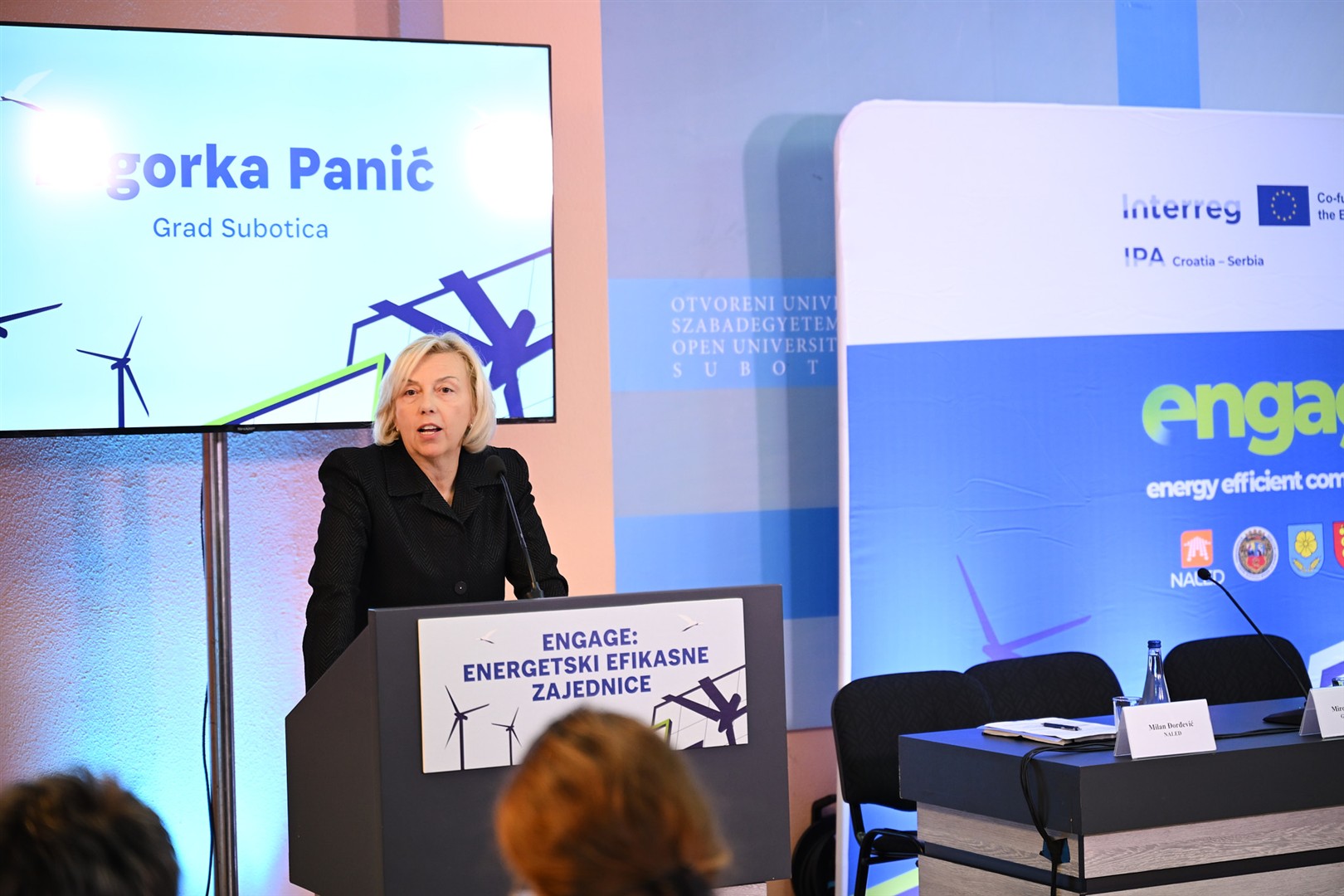
“The special value of the project lies in the cross-border exchange of experiences and knowledge-building, while numerous challenges further confirmed the strength of the partnership. The most important outcome is a change in awareness regarding the role of institutions and citizens in energy efficiency. Therefore, the completion of the project does not mark the end of cooperation, but rather a foundation for new joint steps toward a sustainable future,” concluded Zagorka Panić, City Manager of Subotica.
The recording of the closing conference can be found below: