Srbija ima neiskorišćen izvozni potencijal od 90 miliona dolara za smrznuto bobičasto voće Za smrznute maline, kupine i drugo bobičasto voće iz Srbije postoji dodatni izvozni potencijal od 90 miliona dolara, za gume za putničke automobile 75 miliona, a za lekove 60 miliona dolara. To je pokazala Analiza efekata globalnih trgovinskih kretanja na izvoz Republike Srbije, koju je sproveo NALED, uz podršku Vlade Švedske, u okviru projekta „Efikasnije javne nabavke i održivi lanci snabdevanja za unapređenje konkurentnosti“. Analizom su izdvojena 23 sektora koja su zajedno činila više od 75% ukupnog robnog izvoza Srbije u 2025. i nastala je sa ciljem da identifikuje proizvode i tržišta sa prostorom za rast, ali i sektore posebno izložene promenama u međunarodnoj trgovini. Među proizvodima sa značajnim neiskorišćenim potencijalom izdvajaju se i hleb, peciva, kolači i keks, sa prostorom za dodatnih 40 miliona dolara izvoza na svetsko tržište. Slede sveže višnje i trešnje sa 33 miliona i ostali drveni nameštaj sa 32 miliona dolara. Preparati za ulepšavanje i šminku imaju dodatni potencijal od 25 miliona dolara, a ostali sirevi od 20 miliona. Na tržištu EU iskorišćeno je tek oko 43% procenjenog potencijala poslastica od šećera i 46% preparata za ulepšavanje i šminku. Pored globalnog potencijala, analiza posebno razmatra mogućnosti za rast izvoza na tržištu EU, na kojem za smrznute maline i kupine postoji dodatni procenjeni potencijal od 55 miliona dolara. – Da bi se procenjeni potencijal ostvario do 2030. godine, kompanijama je neophodno obezbediti jednostavniji pristup informacijama o carinskim procedurama, potrebnim sertifikatima i zahtevima održivosti. Za izlazak na udaljena tržišta, posebno za proizvode visoke vrednosti poput smrznutih malina, predlažemo namensku podršku za sertifikaciju i sufinansiranje zakupa skladišnih kapaciteta u ključnim logističkim centrima. Time bismo malim i srednjim preduzećima olakšali pripremu za izvoz i plasman robe do novih kupaca – izjavio je dr Radovan Kastratović, konsultant NALED-a, drugog dana konferencije „Međunarodna ekonomska pozicija Srbije – MEPS 2026“ koju organizuju PKS i Institut ekonomskih nauka. Iako Evropska unija predstavlja ključno tržište za izvoznike iz Srbije, analiza ukazuje i na značajne mogućnosti za plasman proizvoda na drugim tržištima. Za smrznuto voće prepoznate su prilike u Nemačkoj i Francuskoj, ali i u SAD i Ujedinjenom Kraljevstvu. Za električne provodnike mapiran je potencijal u Italiji, Mađarskoj, Rusiji i Velikoj Britaniji, a za hleb, peciva, kolače i keks izdvajaju se Hrvatska i Slovenija, kao i BiH, Crna Gora i Severna Makedonija. Potrebu za širenjem baze proizvoda i kupaca potvrđuje podatak da električne mašine i oprema, mehanički uređaji, vozila i njihovi delovi zajedno generišu oko 30% ukupnog izvoza Srbije. Takva struktura povećava izloženost promenama u evropskoj industriji, naročito automobilskoj. Analiza preporučuje podršku tehnološkom unapređenju domaćih malih i srednjih preduzeća kako bi postali sertifikovani dobavljači velikih sistema, uključili se u proizvodnju složenijih komponenti i kreirali veći deo stvorene vrednosti u zemlji. Posebnu pažnju zahteva metalska industrija, koja je u EU 2025. izvezla robu vrednu 1,62 milijarde evra, a čak 90% vrednosti izvoza obuhvaćeno je CBAM režimom. Dodatne izazove predstavljaju visoka zavisnost od evropskog tržišta, trgovinske mere EU, kao i rastući zahtevi u oblasti održivosti. - Zato preporučujemo formiranje namenskog fonda za podršku izvoznicima pogođenim CBAM-om i novim ekološkim zahtevima, koji bi podržao ulaganja u čistije tehnologije. Malim i srednjim preduzećima potrebno je olakšati pristup zelenom finansiranju kroz kreditne garancije i kombinovanje javnih i privatnih izvora sredstava. Uz to, neophodna je sistemska stručna podrška za merenje emisija i izveštavanje, uz pristupačne digitalne alate i razmenu podataka između institucija, kako firme iste podatke ne bi dostavljale više puta. Tako bi se smanjili troškovi usklađivanja i domaćim dobavljačima olakšao put ka međunarodnim lancima snabdevanja – zaključuje Kastratović.
Serbia has an additional export potential of $90 million for frozen raspberries, blackberries and other berries, $75 million for passenger car tyres, and $60 million for pharmaceuticals. This is according to the Analysis of the Impact of Global Trade Trends on Serbian Exports, conducted by NALED with the support of the Government of Sweden, as part of the project “More Efficient Public Procurement and Sustainable Supply Chains for Enhanced Competitiveness”.
The analysis identifies 23 sectors that together accounted for more than 75% of Serbia’s total merchandise exports in 2025. Its aim was to identify products and markets with room for growth, as well as sectors particularly exposed to changes in international trade.
Other products with significant untapped potential include bread, pastries, cakes and biscuits, with an opportunity to generate an additional $40 million in exports to the global market. These are followed by fresh sour cherries and sweet cherries, with $33 million, and other wooden furniture, with $32 million in additional export potential. Beauty and make-up preparations have an additional potential of $25 million, while other cheeses account for $20 million. In the EU market, only around 43% of the estimated export potential for sugar confectionery and 46% for beauty and make-up preparations has been realised. In addition to global opportunities, the analysis also examines export growth prospects in the EU market, where frozen raspberries and blackberries have an estimated additional export potential of $55 million.
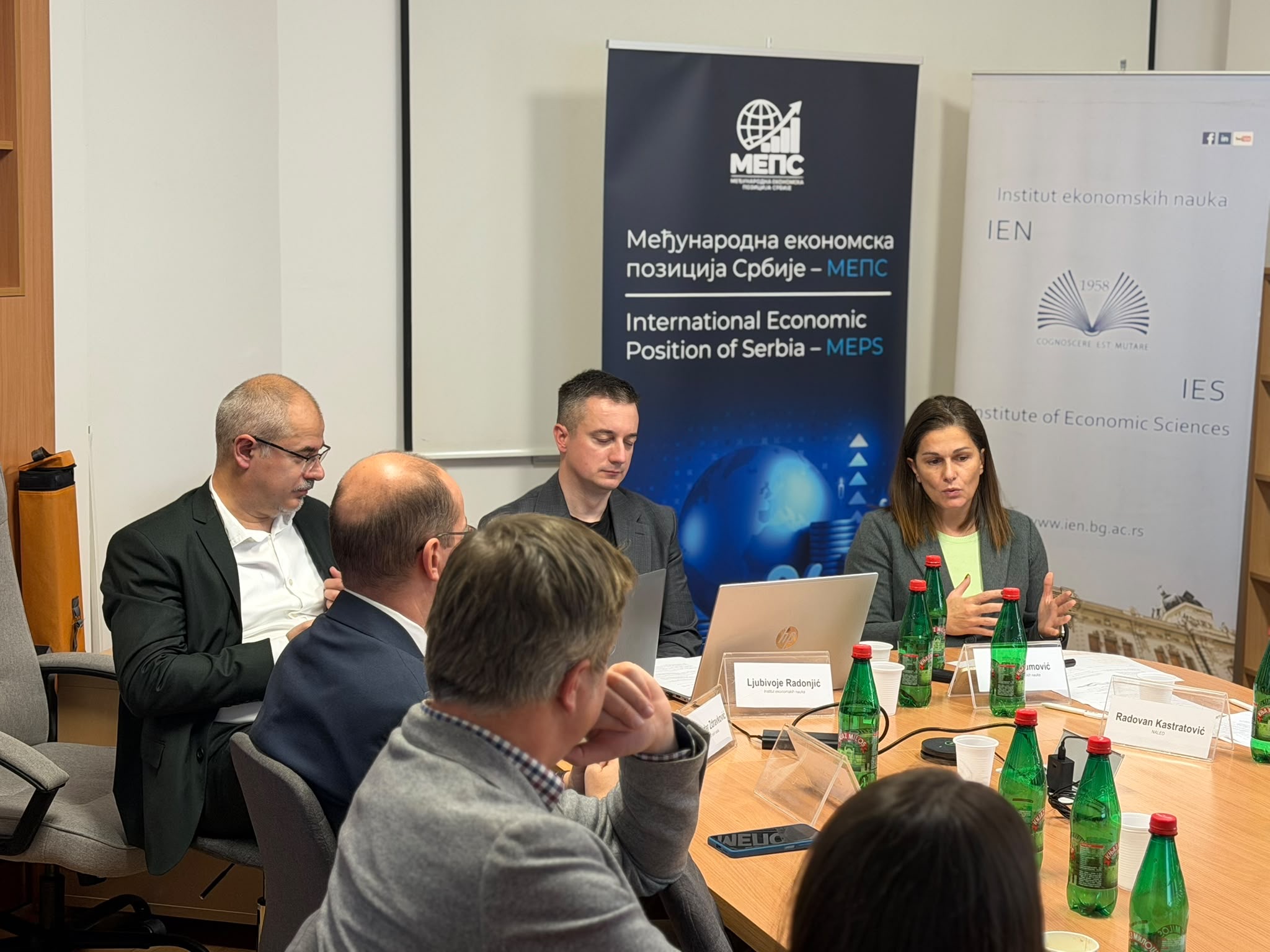
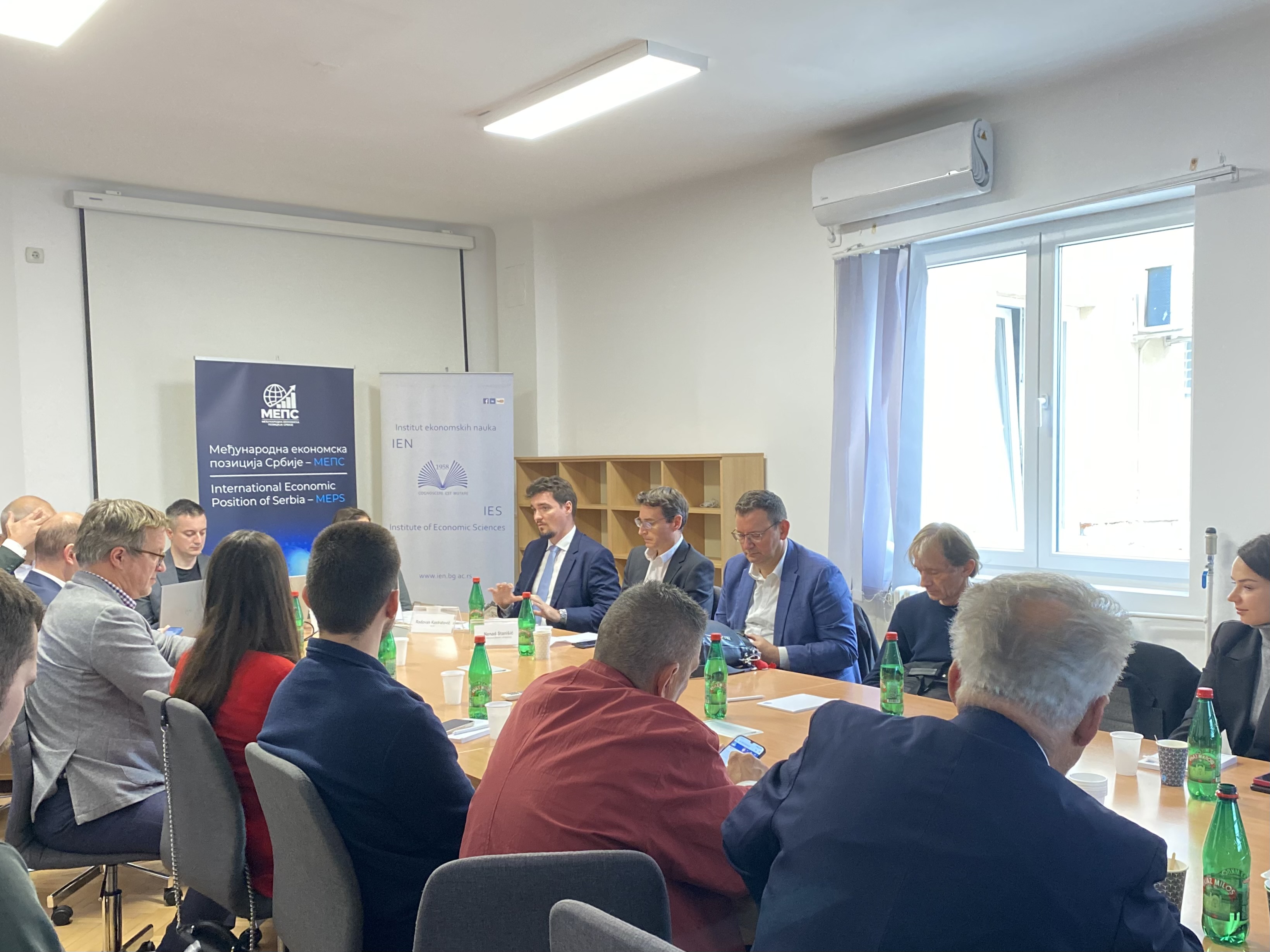
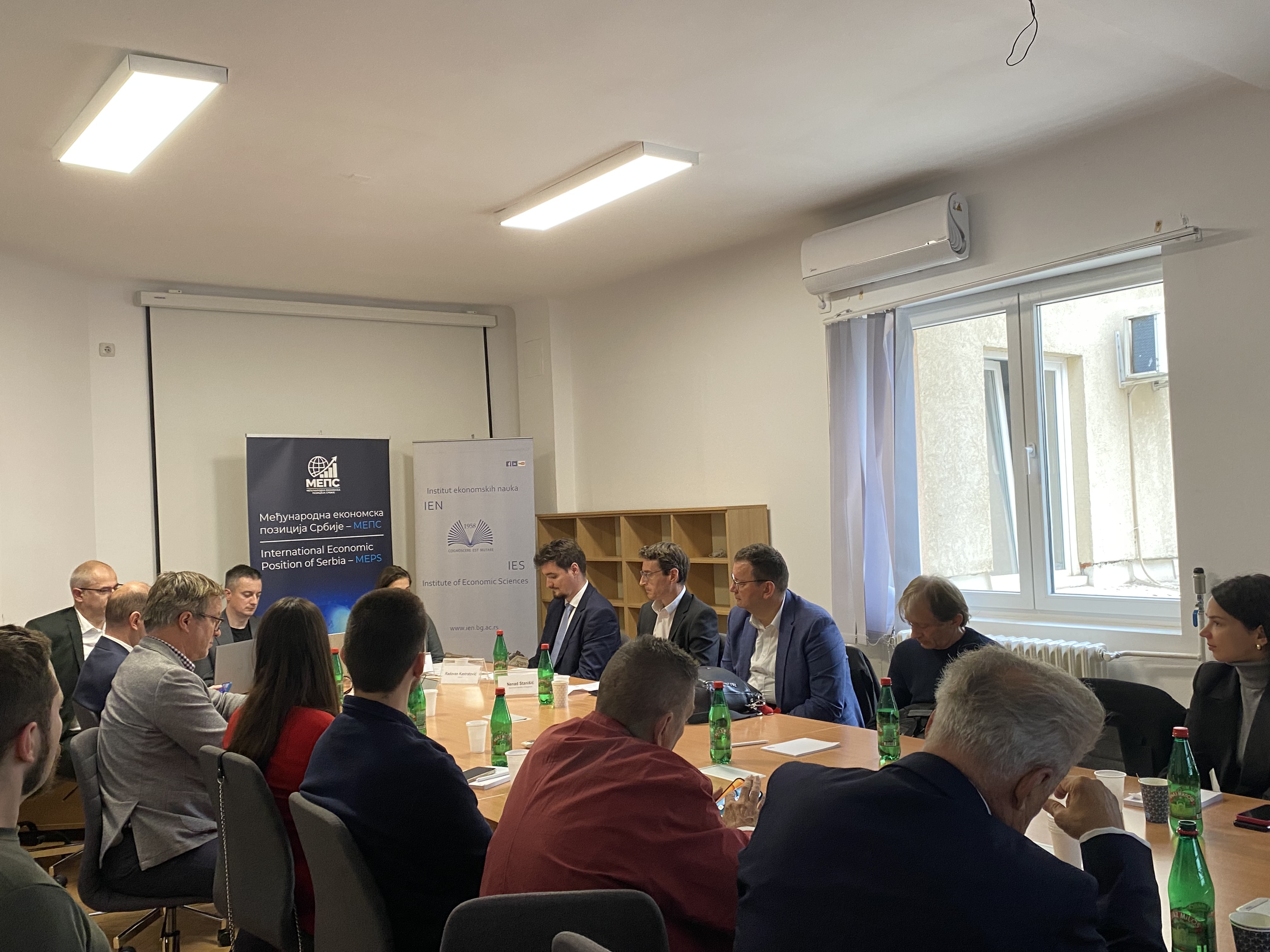
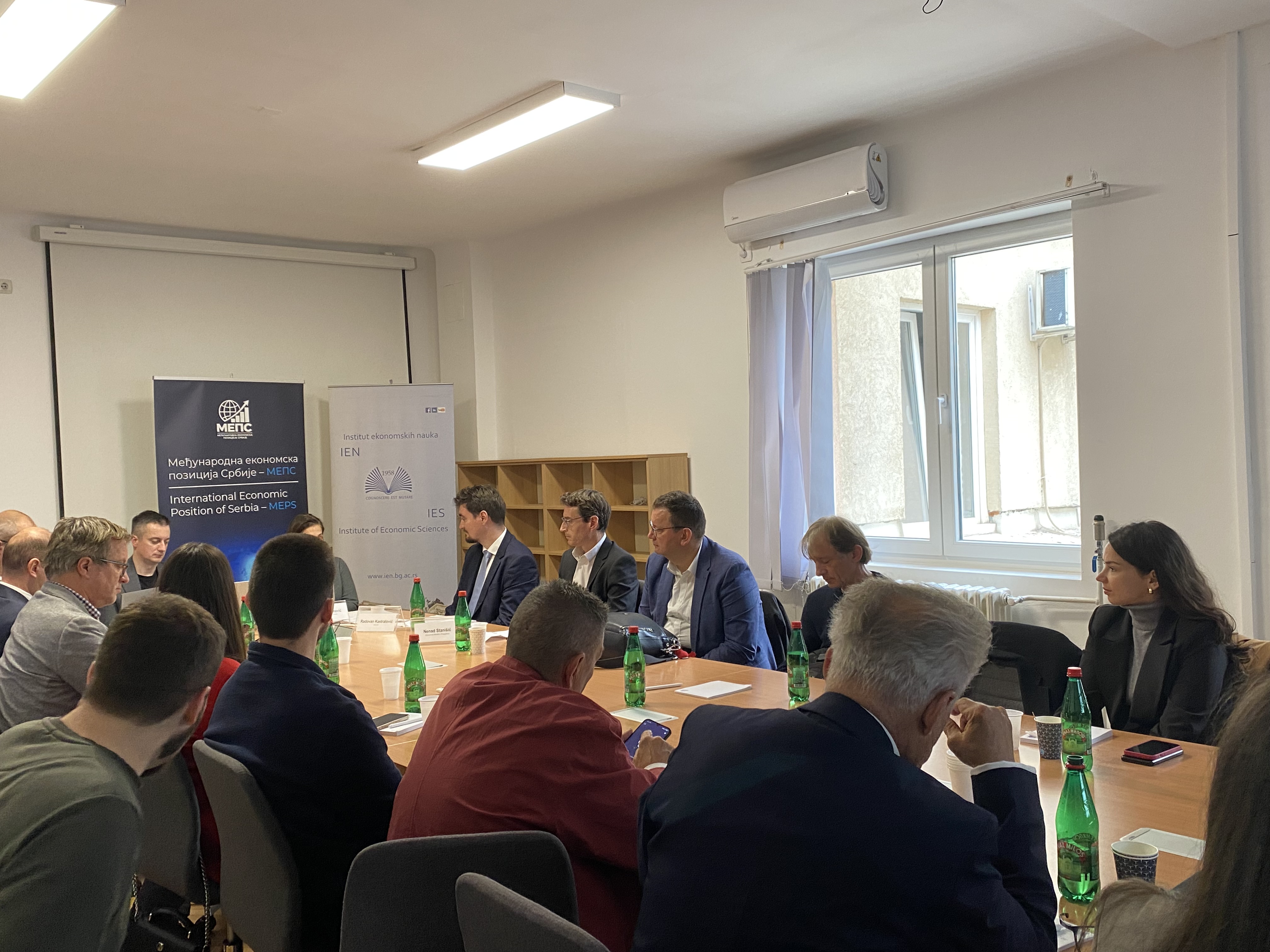
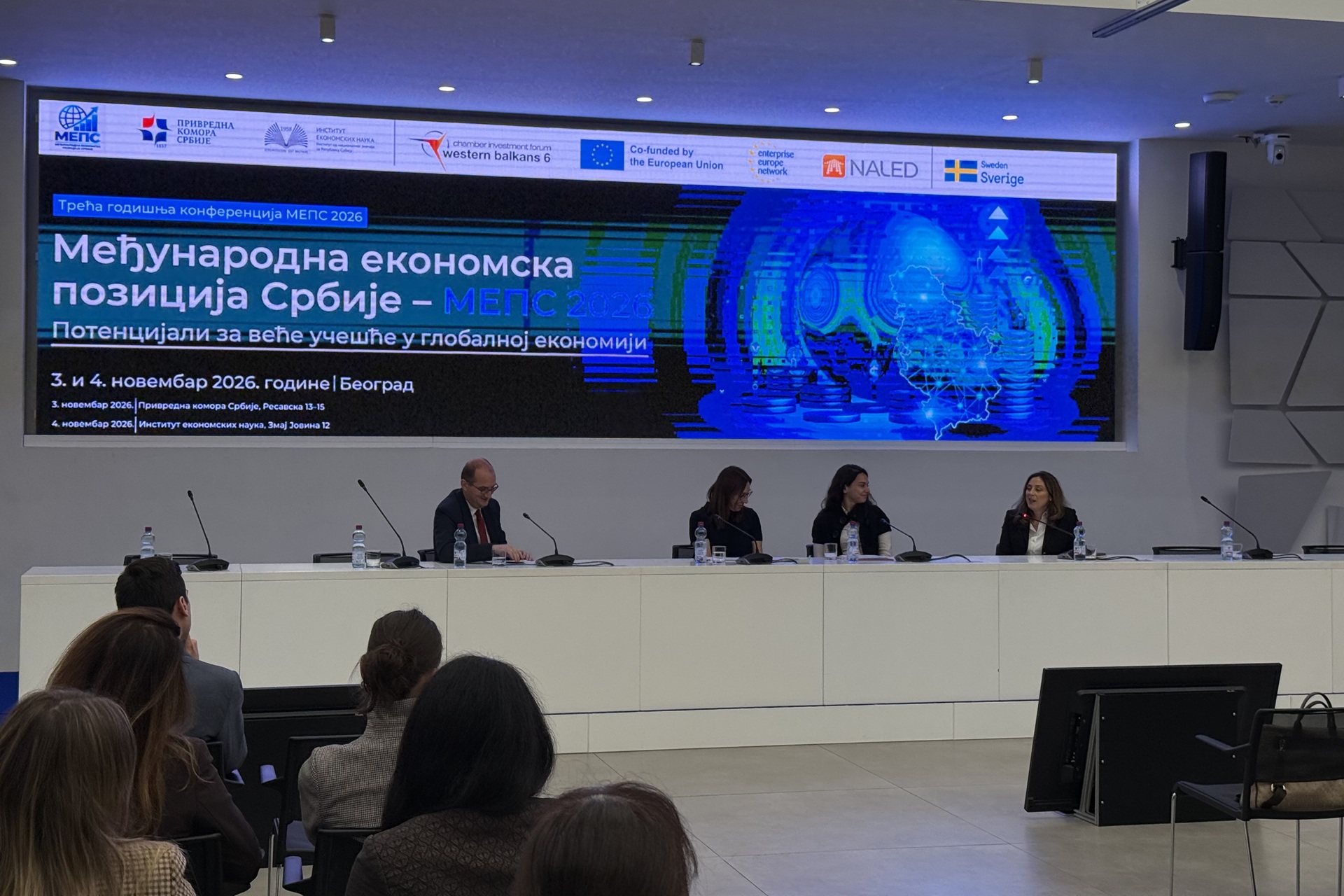
“To realise the estimated potential by 2030, companies need easier access to information on customs procedures, required certificates and sustainability requirements. To enter more distant markets, particularly with high-value products such as frozen raspberries, we propose targeted support for certification and co-financing the rental of storage facilities at key logistics hubs. This would make it easier for small and medium-sized enterprises to prepare for exports and deliver their products to new customers,” said Dr Radovan Kastratović, NALED consultant, on the second day of the conference “Serbia’s International Economic Position – MEPS 2026”, organised by the Serbian Chamber of Commerce and the Institute of Economic Sciences.
Although the European Union is a key market for Serbian exporters, the analysis also points to significant opportunities for placing products on other markets. For frozen fruit, opportunities have been identified in Germany and France, as well as in the United States and the United Kingdom. Potential markets for electrical conductors include Italy, Hungary, Russia and the United Kingdom, while Croatia and Slovenia, as well as Bosnia and Herzegovina, Montenegro and North Macedonia, stand out as markets for bread, pastries, cakes and biscuits.
The need to diversify the range of exported products and the customer base is further underscored by the fact that electrical machinery and equipment, mechanical appliances, vehicles and their parts together account for around 30% of Serbia’s total exports. This export structure increases the country's exposure to changes in European industry, particularly the automotive sector. The analysis recommends supporting technological upgrades among domestic small and medium-sized enterprises so that they can become certified suppliers to major industrial groups, join the production of more complex components and retain a greater share of the value created in the country.
The metal industry requires particular attention. In 2025, Serbia exported €1.62 billion worth of metal products to the EU, with as much as 90% of the export value falling under the Carbon Border Adjustment Mechanism (CBAM). Other challenges include high dependence on the European market, EU trade measures and increasingly stringent sustainability requirements.
“That is why we recommend establishing a dedicated fund to support exporters affected by CBAM and new environmental requirements, helping them invest in cleaner technologies. Small and medium-sized enterprises also need easier access to green financing through credit guarantees and the combination of public and private funding sources. In addition, systematic expert support is needed for emissions measurement and reporting, alongside accessible digital tools and data sharing between institutions, so that companies do not have to submit the same information multiple times. This would reduce compliance costs and make it easier for domestic suppliers to become part of international supply chains,” Kastratović concludes.