The IMF Forecasts 3% Economic Growth, Stronger Momentum Depends on New Investments
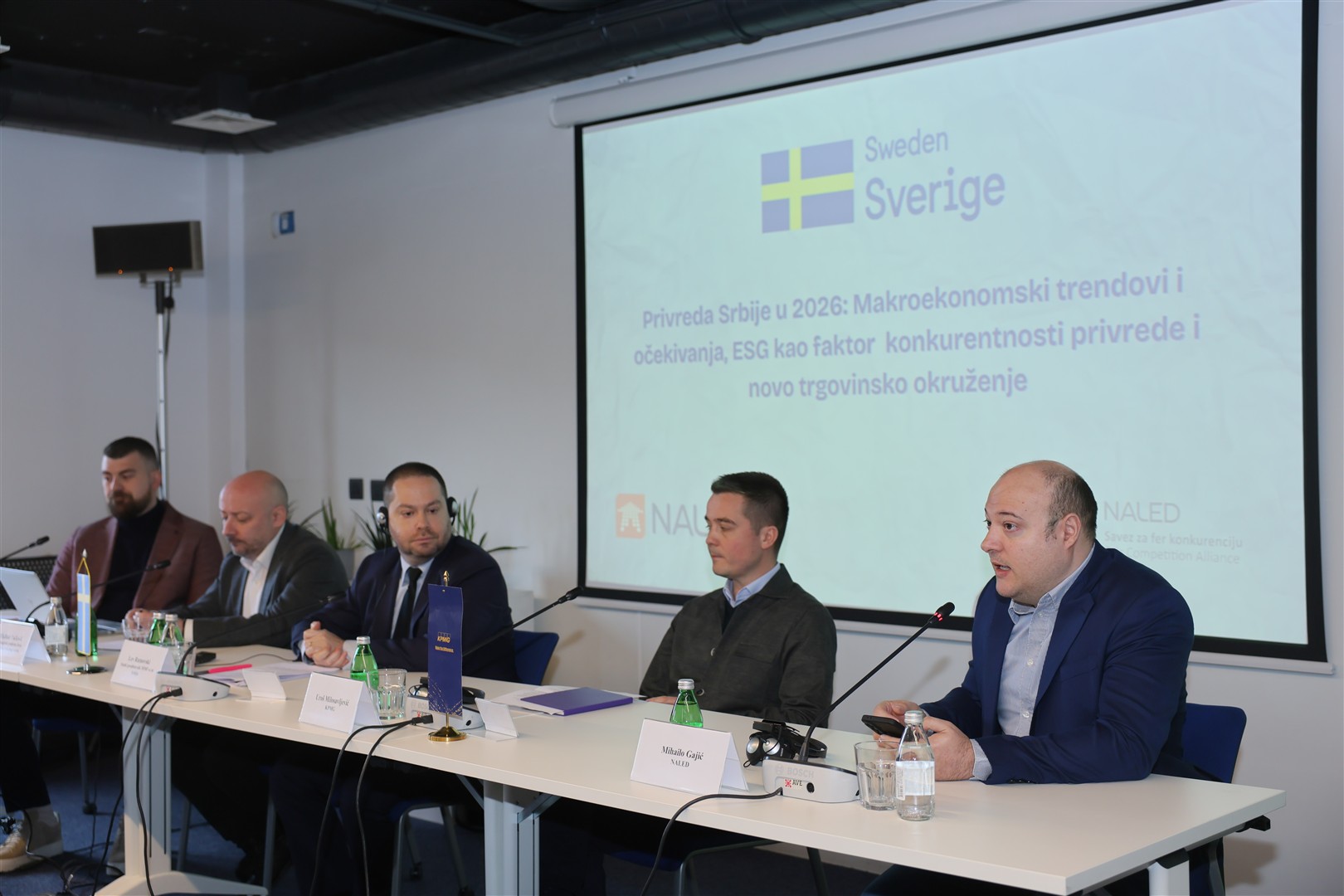
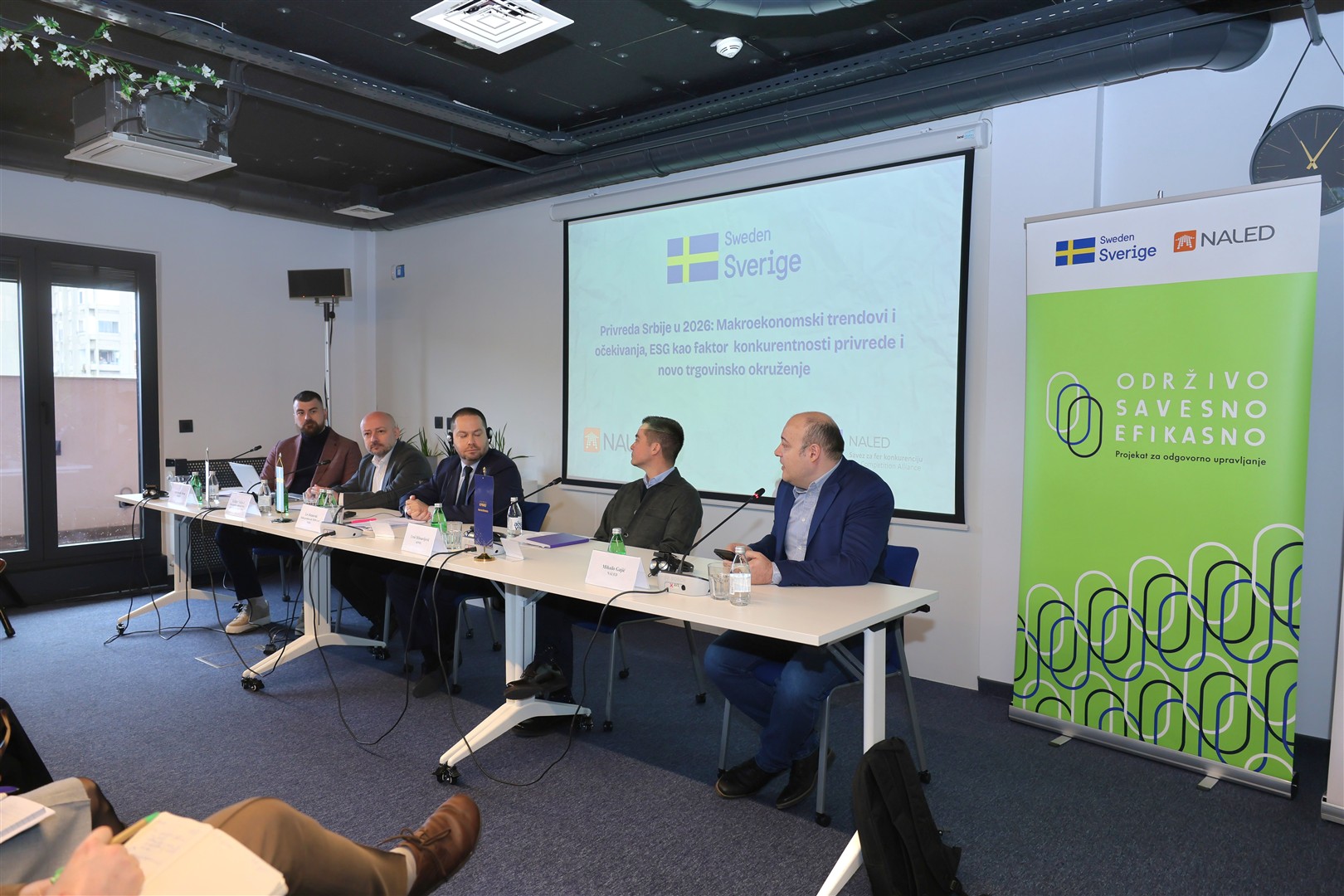
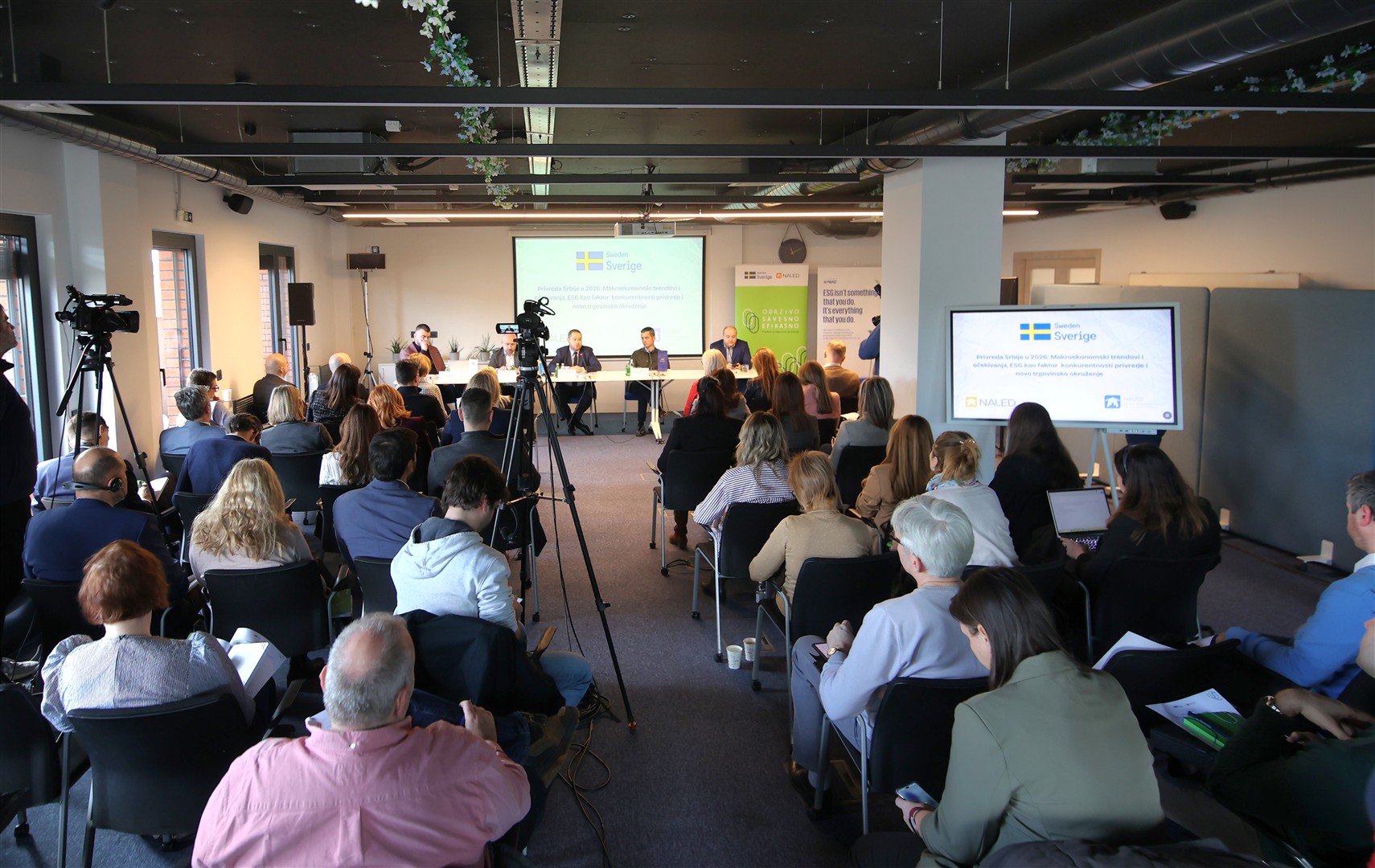
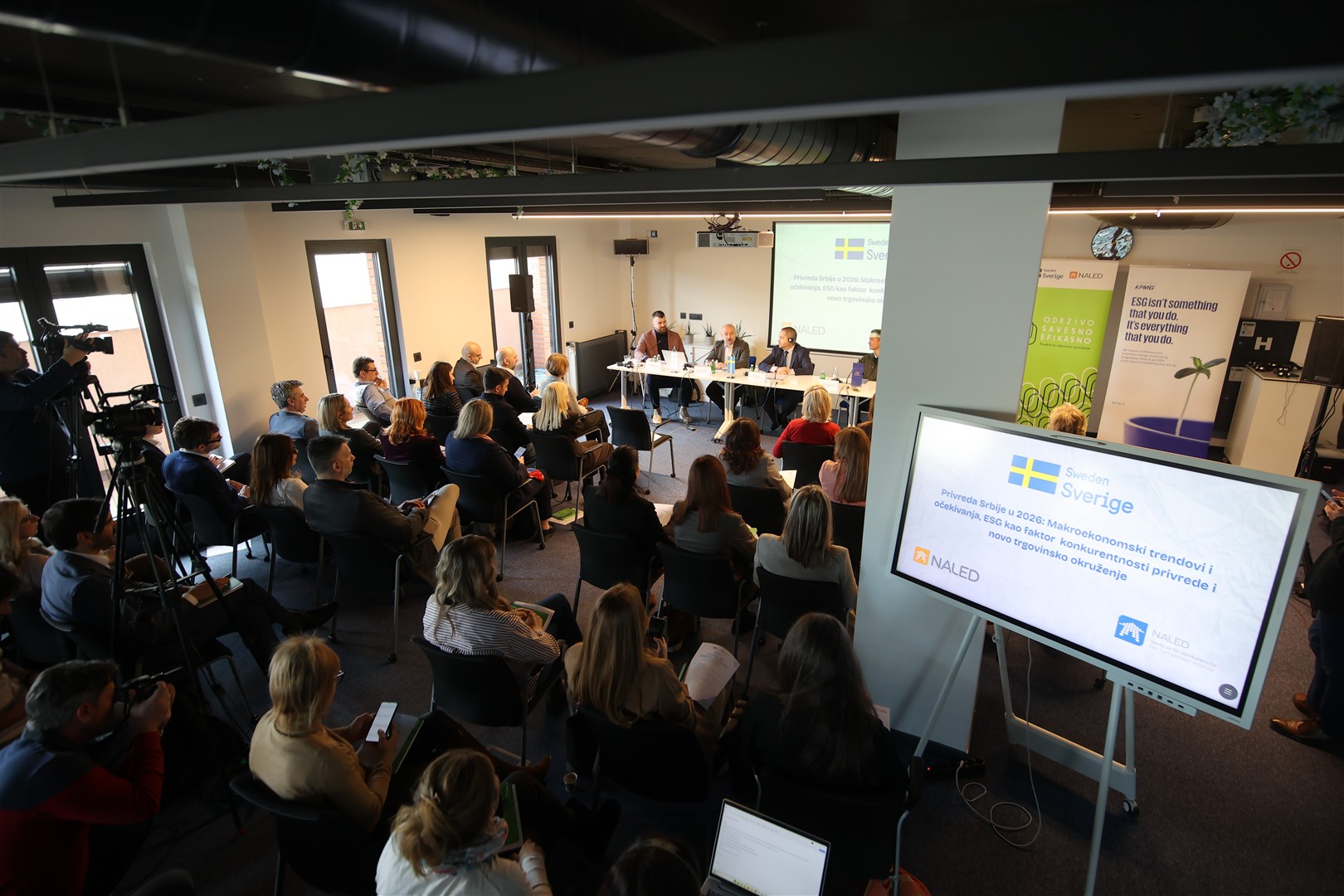
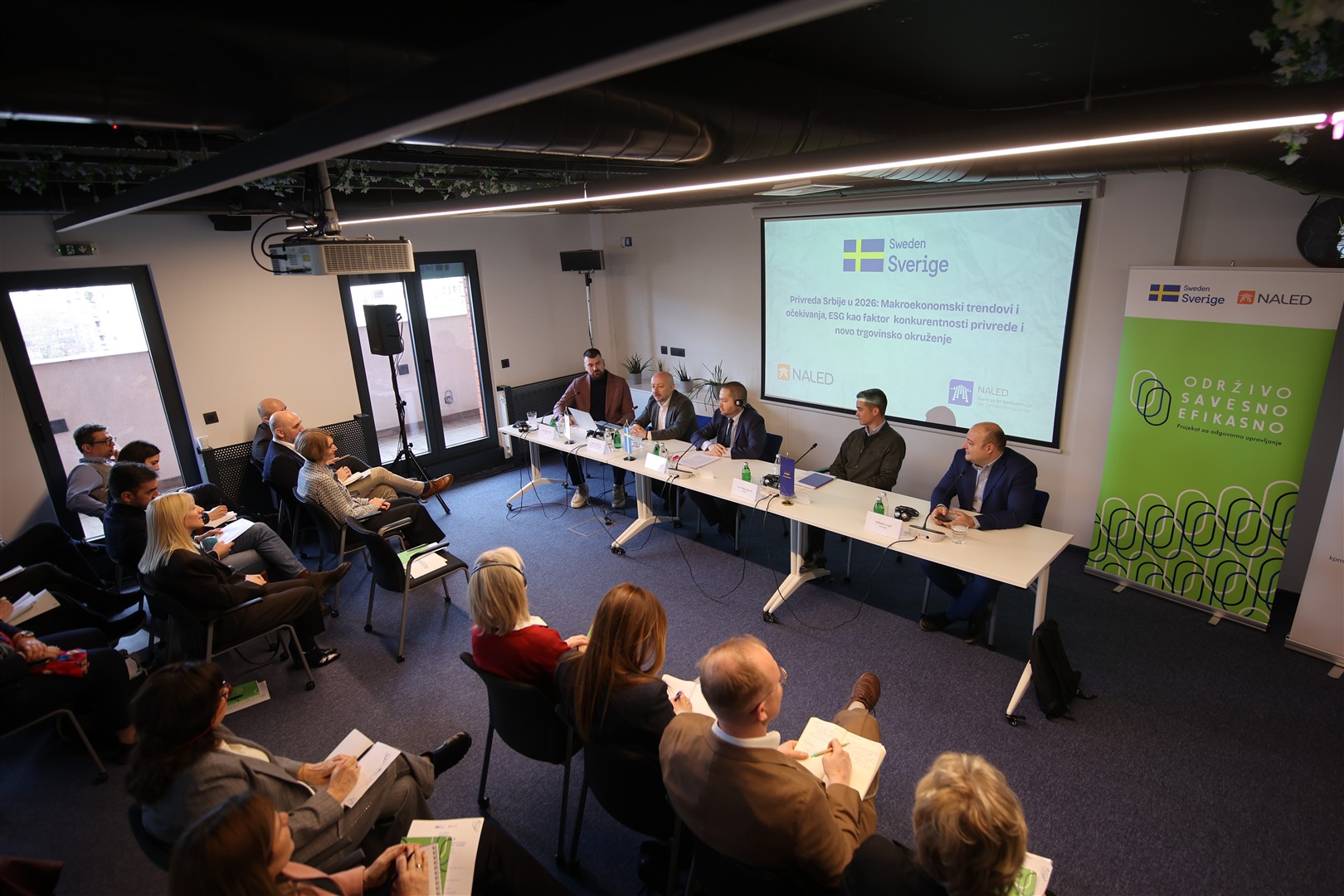
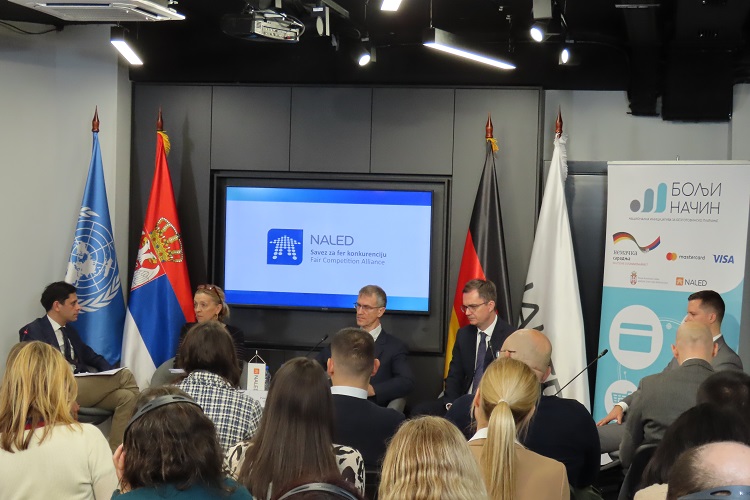
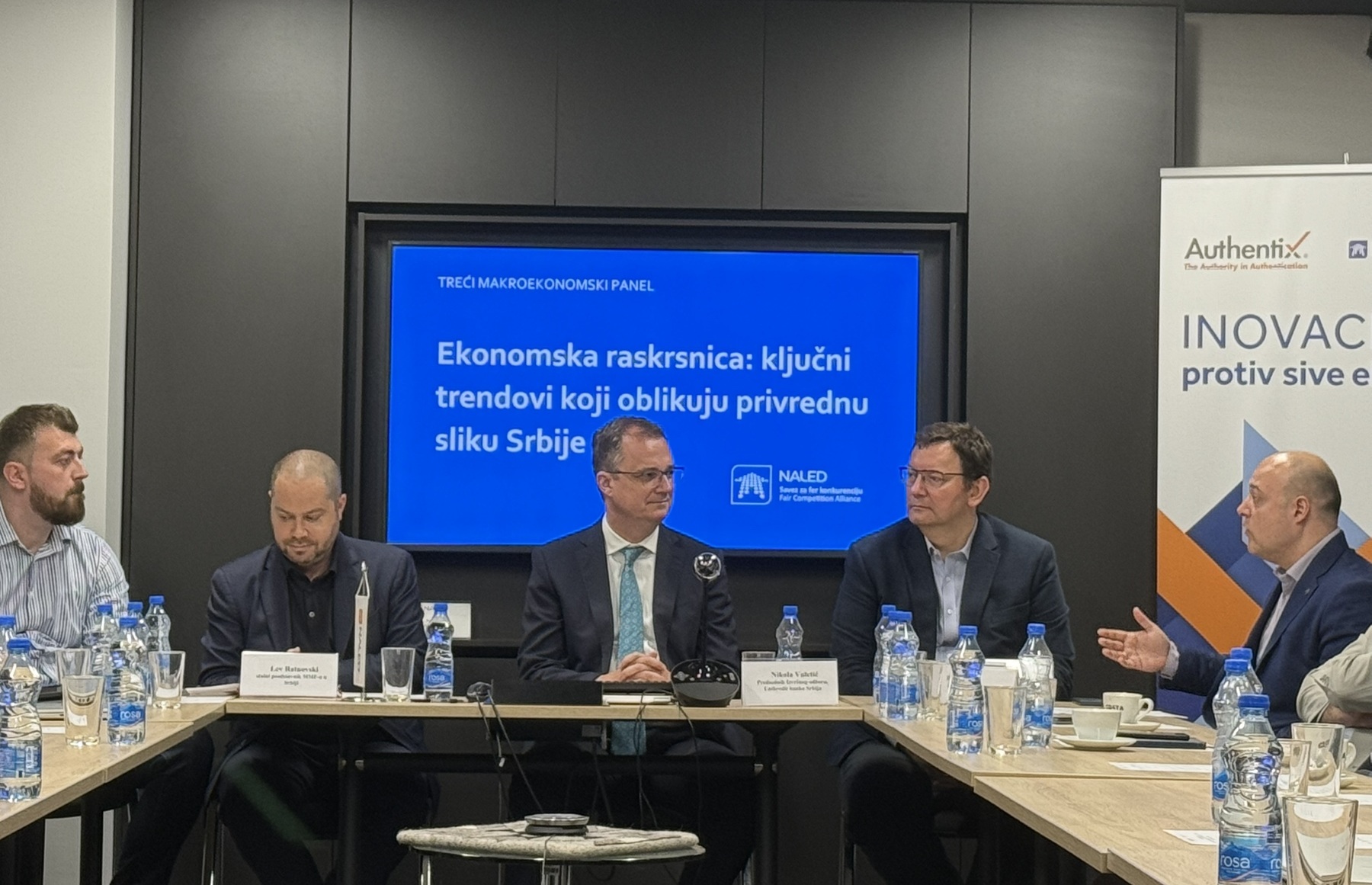
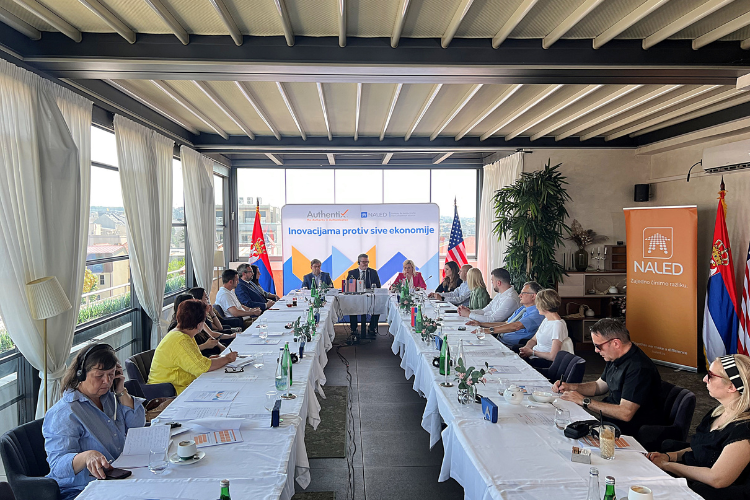
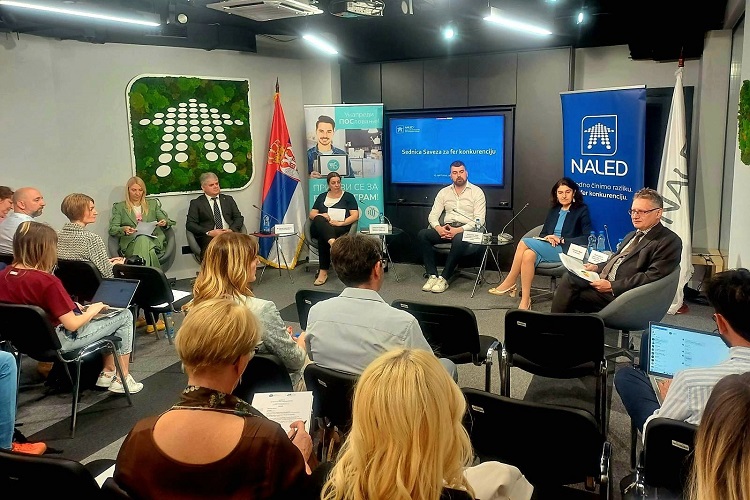
During the past year, Serbia recorded a slowdown in economic growth – GDP increased by only 2%, significantly below earlier projections, while a similar trend affected countries across Central and Eastern Europe. This was concluded at a macroeconomic panel organized with the support of the Government of the Kingdom of Sweden. The event was held at the premises of KPMG, a member of the Presidency of the Fair Competition Alliance of NALED.
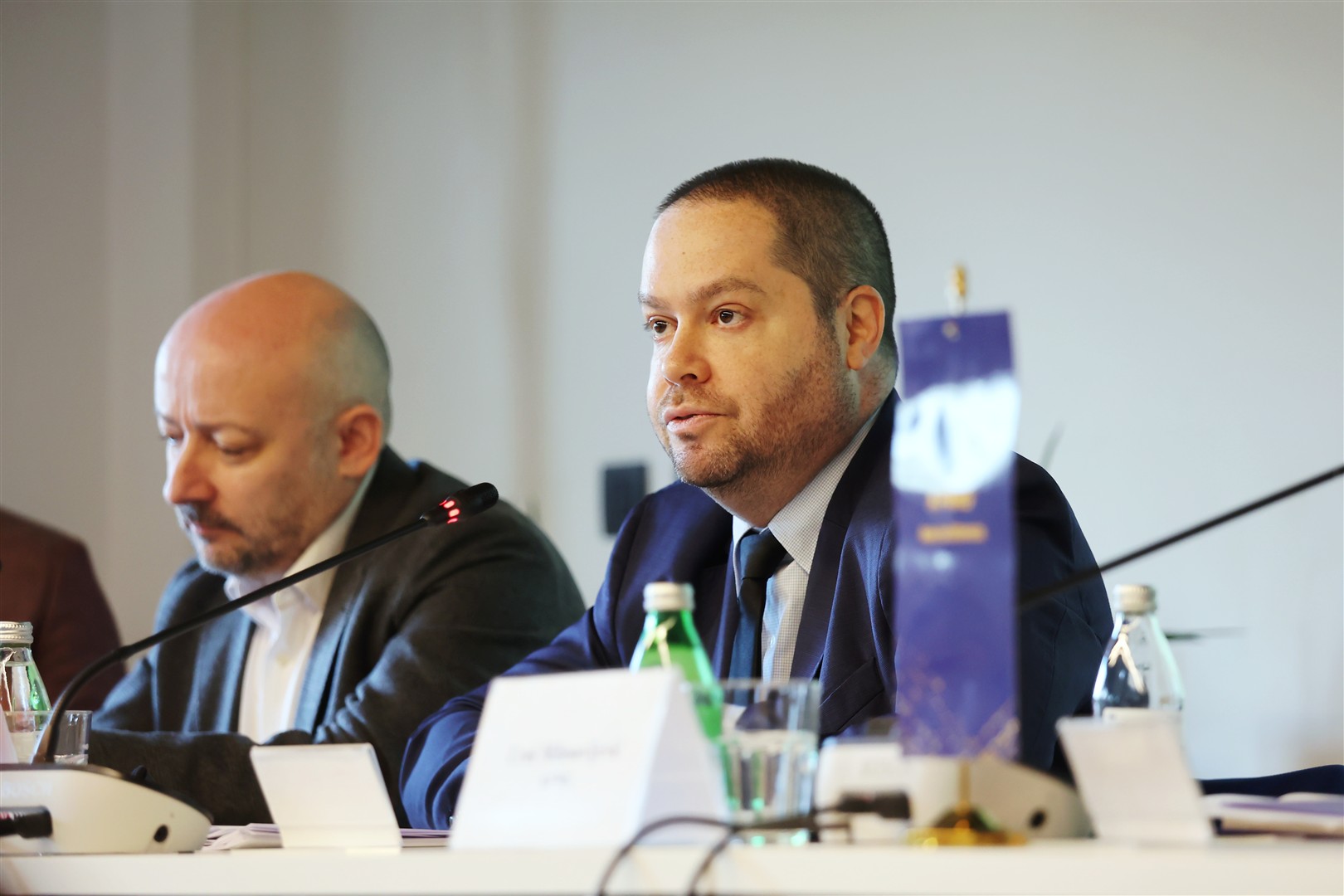
“In Serbia, the chances for stronger performance have slightly decreased. We forecast 3% growth for this year, which is lower than the actual growth recorded in 2024. Nevertheless, the Serbian economy remains resilient. It is important to invest in human capital and improve the business environment. In order to sustain growth, Serbia needs to attract complex and technology-intensive investments, which are currently lacking. Among the priorities, we see commercial law and the transparent and fair enforcement of contracts. It is also necessary to digitalize commercial courts to increase efficiency, modernize the Labor Law and labor regulations, and improve the regulatory framework governing temporary and occasional work,” emphasized Lev Ratnovski, the IMF Resident Representative in Serbia.
He noted that, according to the AI Readiness Index, Serbia ranks first in the Western Balkans, but that there is still significant room for improvement, particularly in the field of education.
The panel also highlighted that the EU remains Serbia’s most important foreign trade partner, accounting for two-thirds of its exports. Regarding global trade, in 2025 total exports increased by 8.4%, while imports grew by 7.2%, resulting in a foreign trade deficit of €8.8 billion.
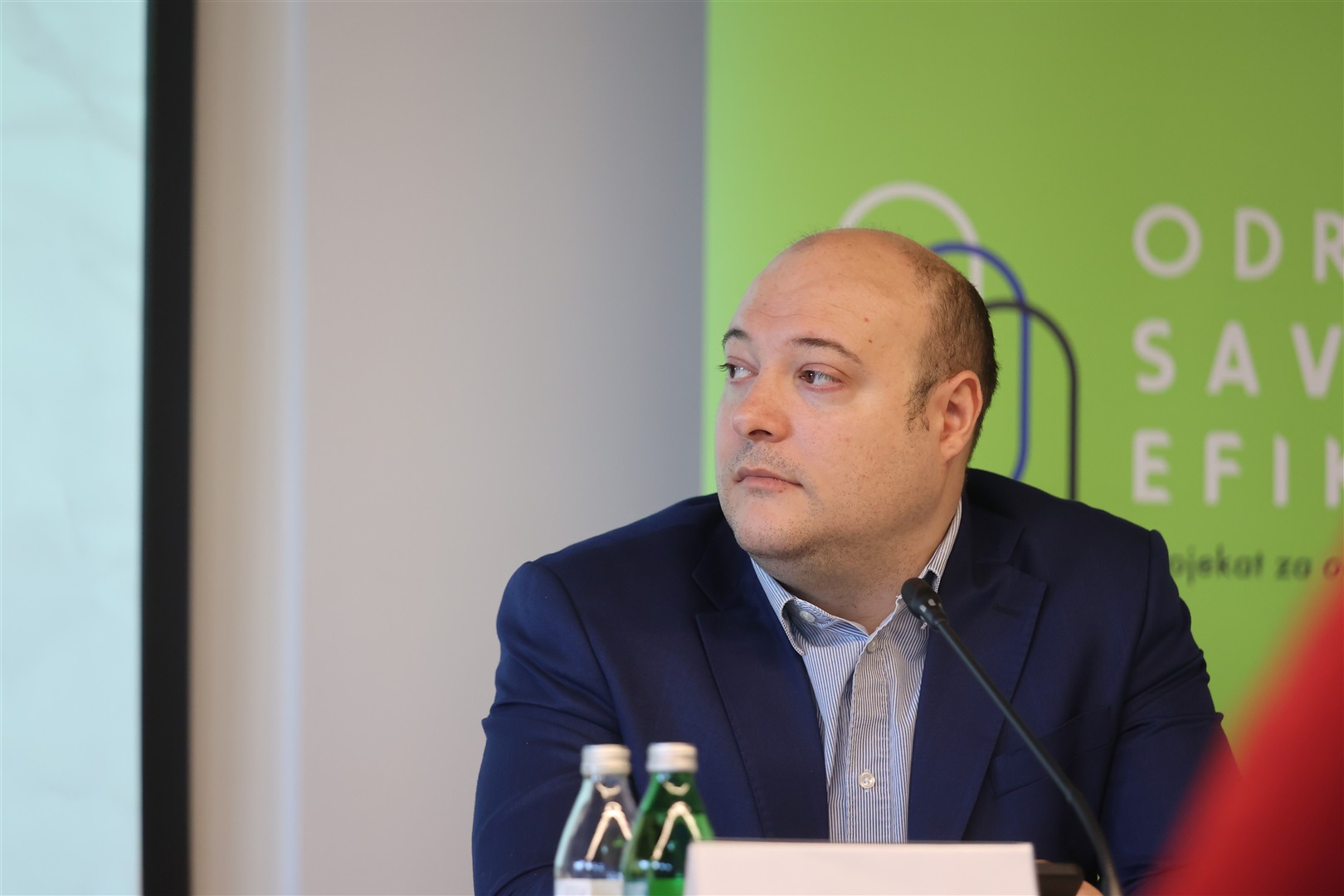
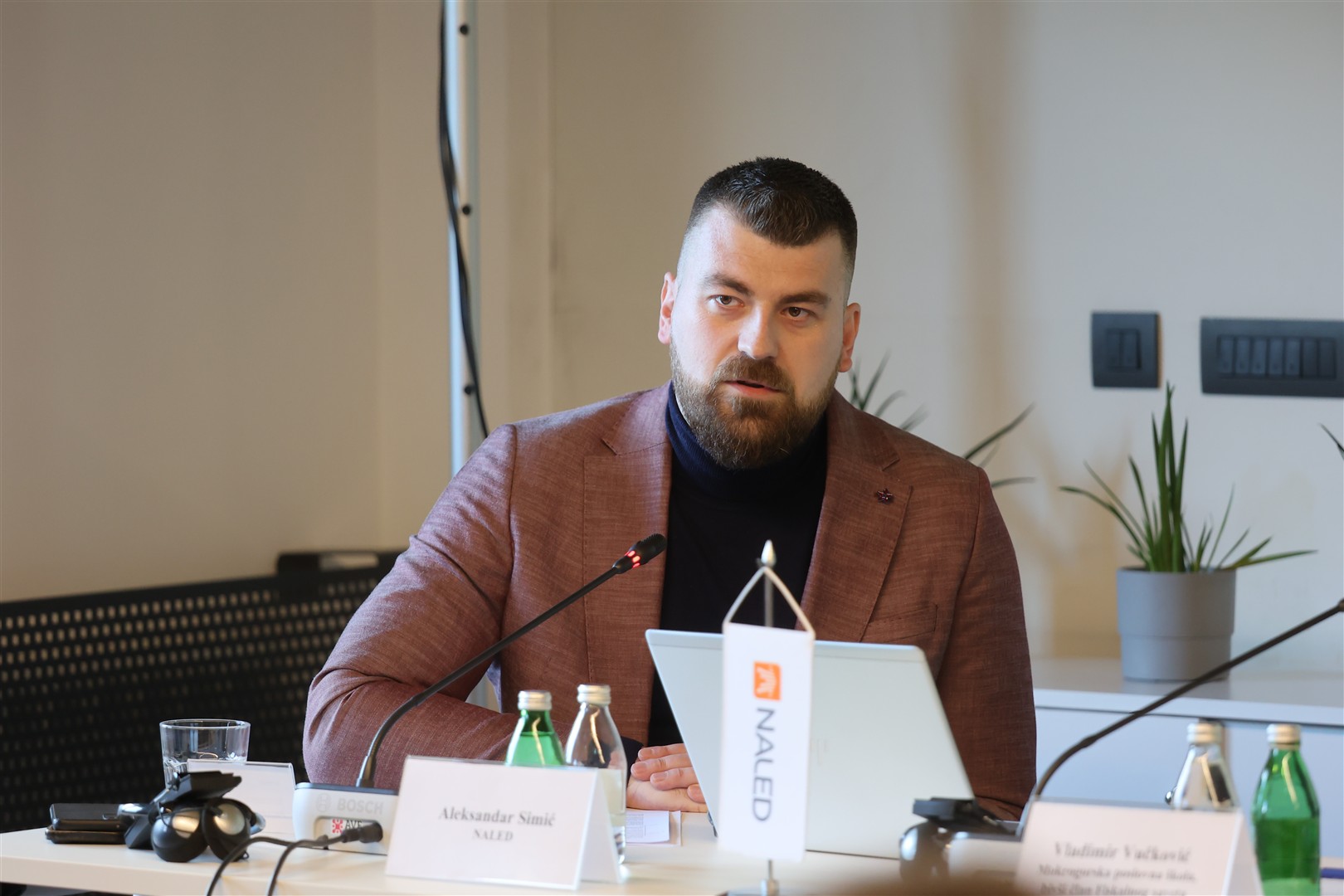
“As a landlocked country, Serbia literally lives off the flow of its borders – every hour a truck is delayed means higher costs and lower competitiveness for our exporters. While the European Union is our key market, new measures such as the EES system, which records entries and exits from the EU, and additional regulatory requirements pose a serious resilience test for the economy. Therefore, it is crucial to ensure fast and predictable procedures, as well as strong institutional support for companies, so that Serbia emerges from this wave of changes more competitive, more resilient, and ready for the long-term game on the European market,” said Aleksandar Simić, NALED’s Regulatory Reform Manager.
Special attention was given to the decline in foreign direct investment inflows, which in 2025 amounted to 3.8% of GDP, or around €2.5 billion – approximately half the level recorded the previous year. Regarding fiscal trends, it was stated that public debt remains below 50% of GDP, but a slight increase in the deficit to around 3% of GDP is expected in 2026, primarily due to high public investments.
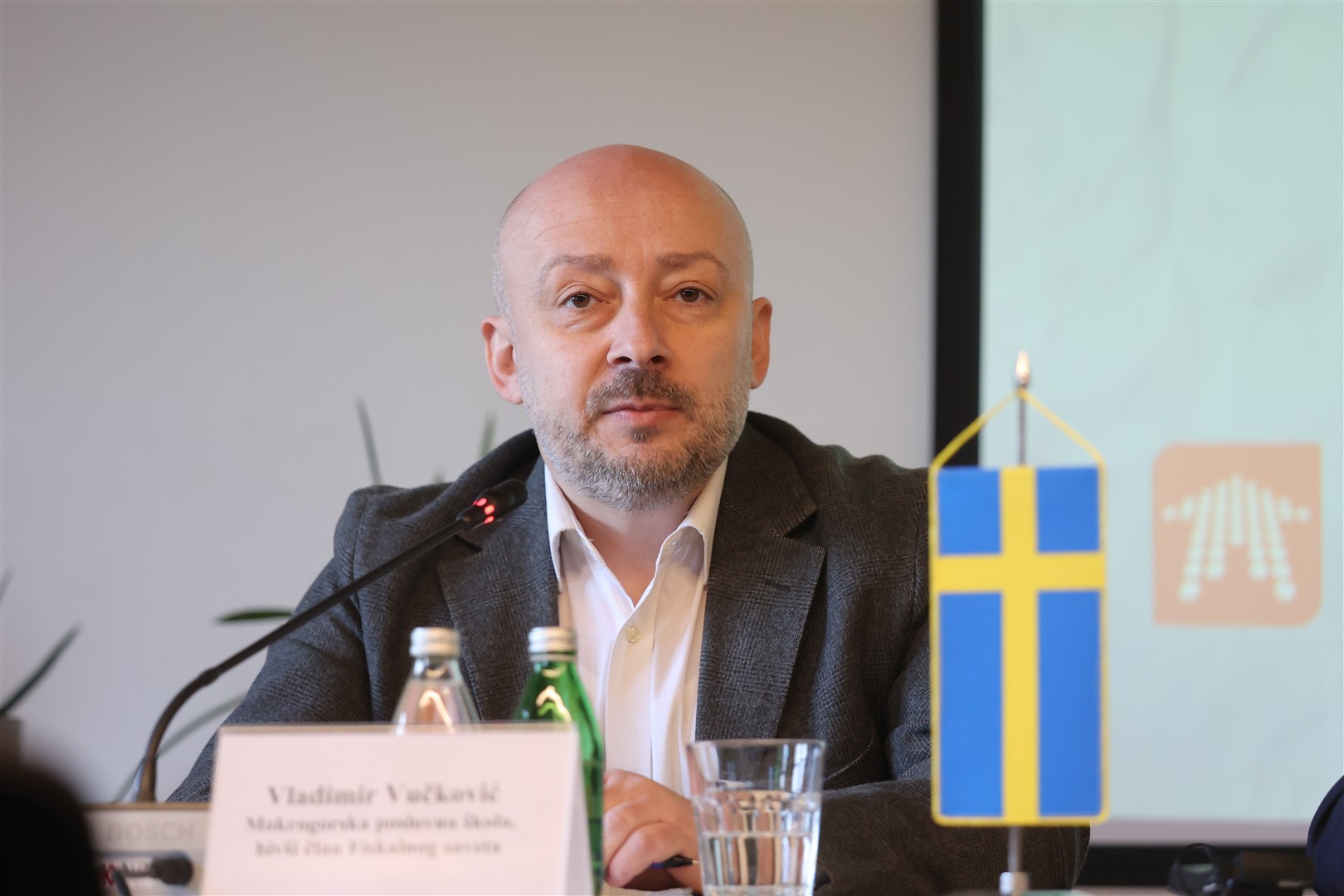
“It is important that Serbia has had fairly objective forecasts for years. Inflation may be the biggest uncertainty following the abolition of the regulation on margin caps. It is time to reconsider the growth model, given the fairly unstable global situation at the moment. Monetary policy should also be reassessed, as strengthening the national currency is not rational,” explained Vladimir Vučković, lecturer at the Mokra Gora School of Management.
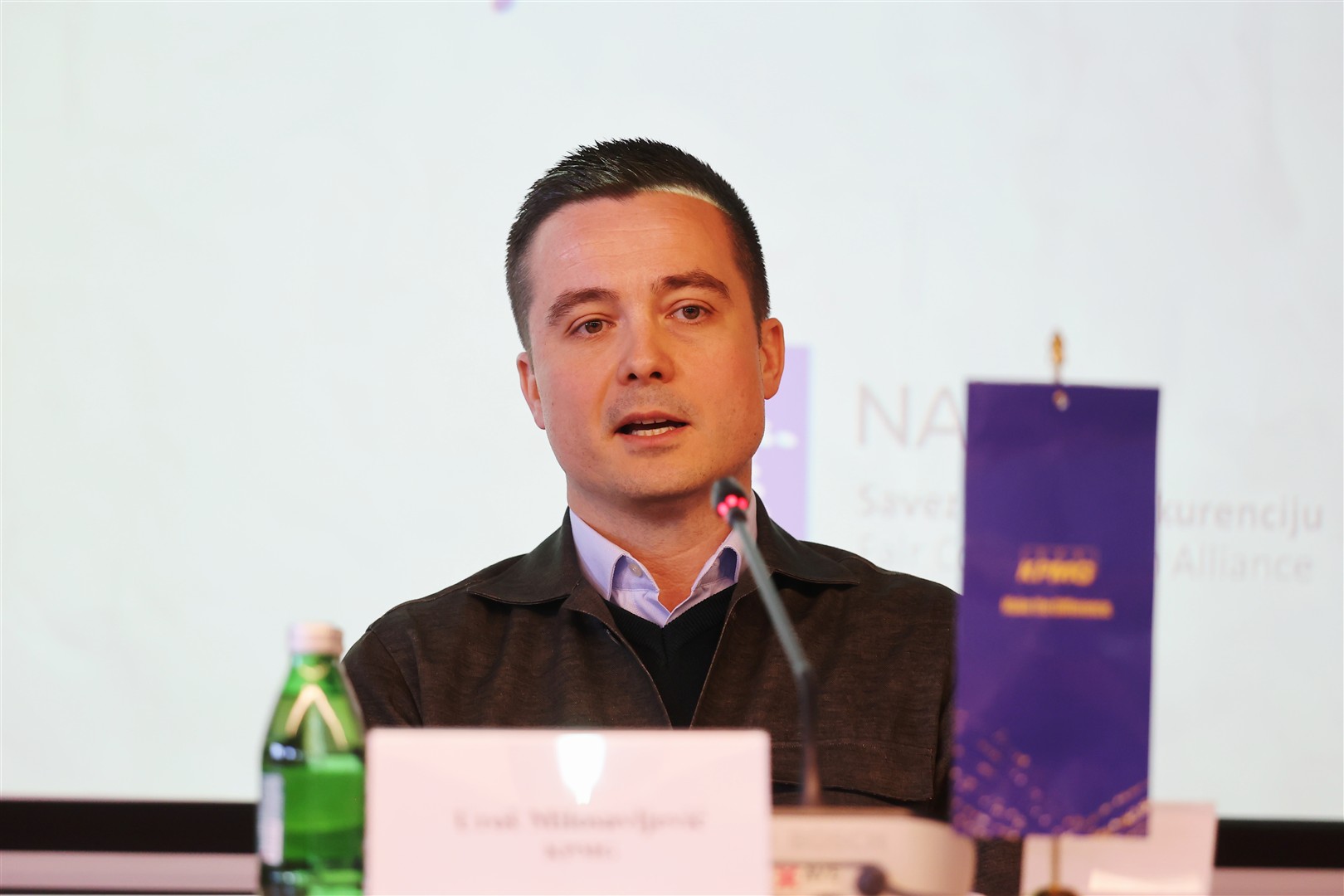
“Economically, we are at an interesting moment – digitalization has not been completed, and artificial intelligence together with the sustainability agenda have triggered a ‘new industrial revolution.’ Adaptation will be inevitable for companies, as well as for all other relevant institutions and banks. I see sustainability as a prerequisite for competitiveness in the world we are moving toward. Activities need to be structured through the adoption of guiding regulation. In this context, amendments to the Accounting Law are expected, along with the transposition of EU-level regulations obliging companies to report on sustainability, which is also expected to be incorporated into the domestic legal framework,” said Uroš Milosavljević, Partner at KPMG.