Government and Businesses Working on a New Grey Economy Suppression Programme through 2030
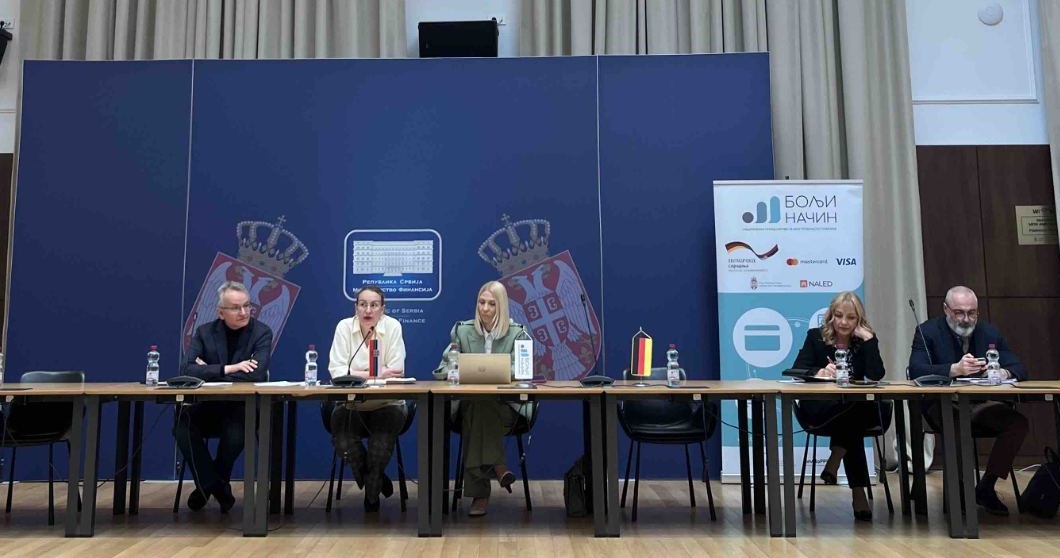
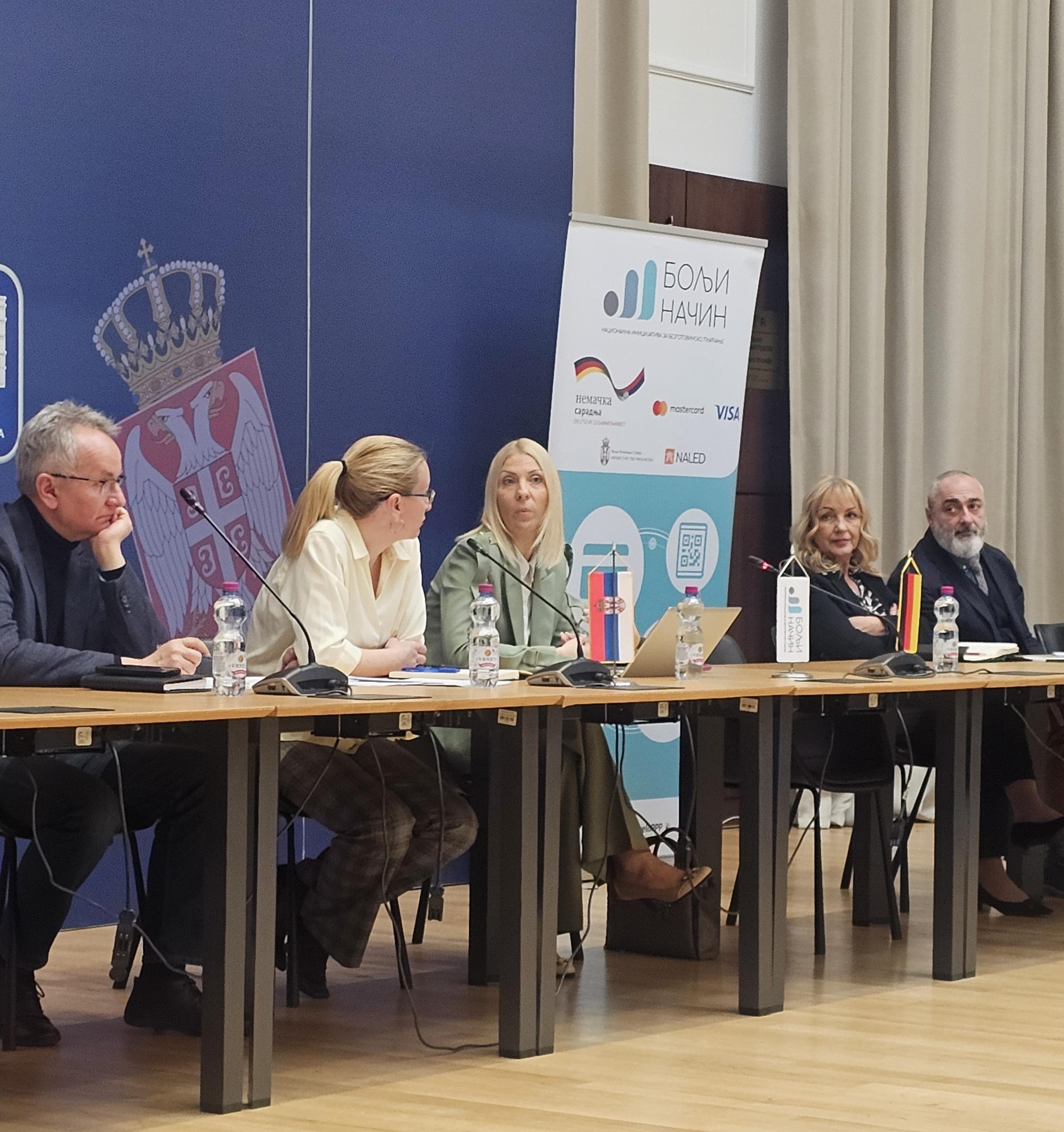
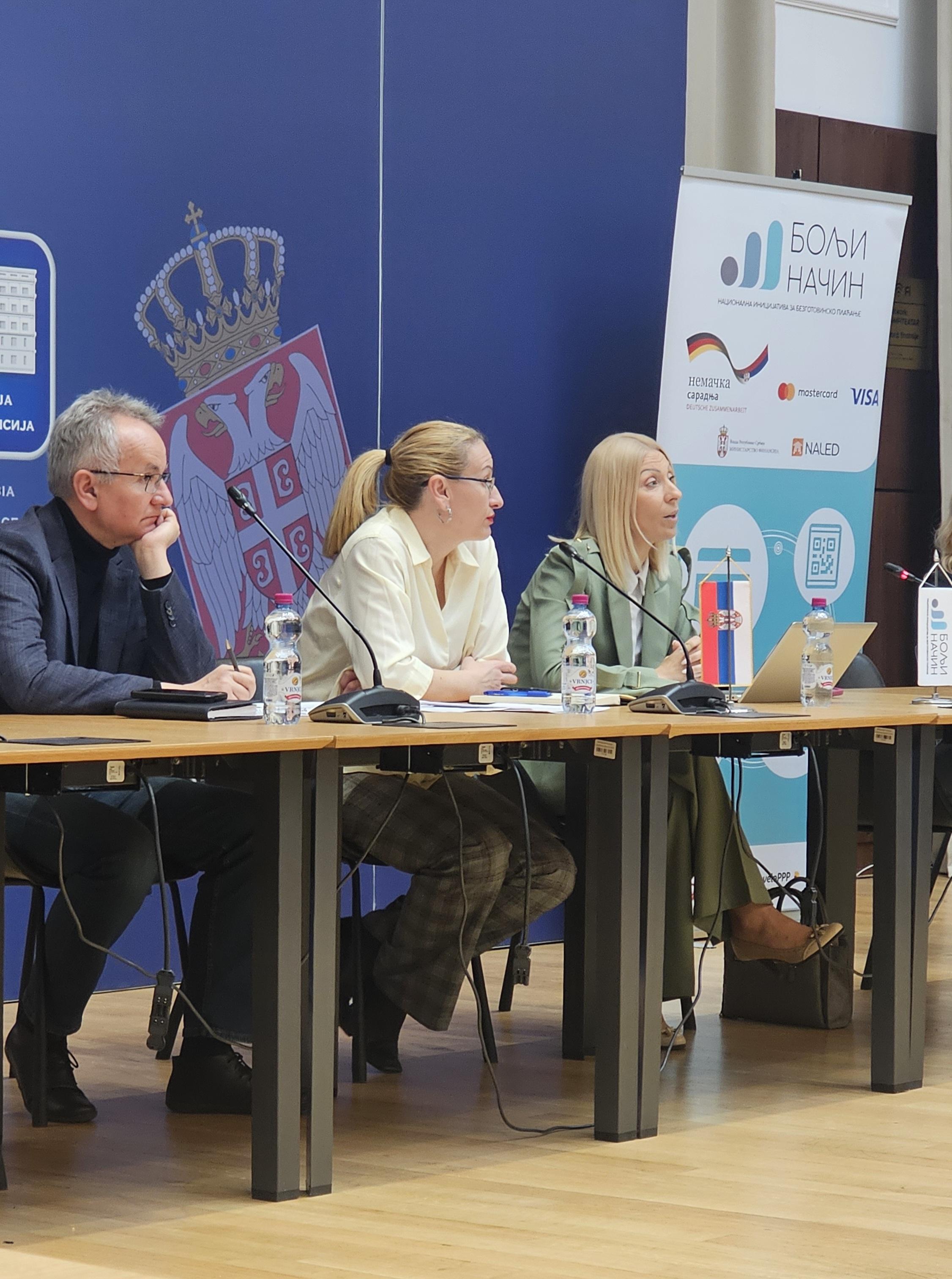
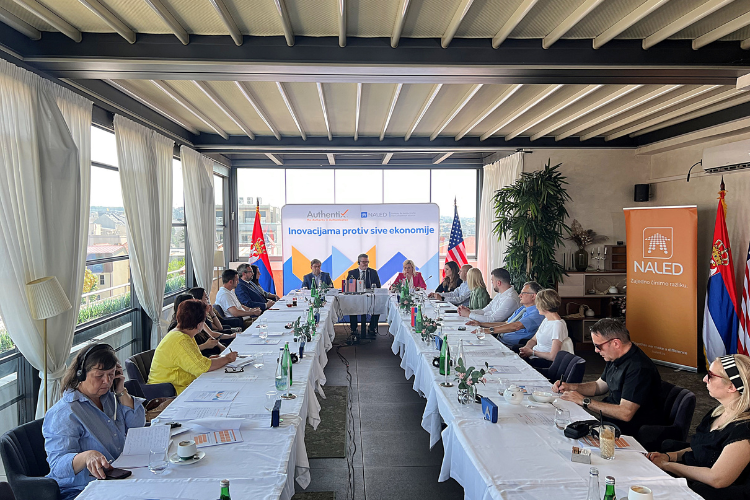
At the initiative of the Ministry of Finance, the preparation of a new Programme for the Suppression of the Grey Economy through 2030 has begun, accompanied by an Action Plan. Representatives of the public and private sectors are considering mechanisms to preserve a level playing field despite the pressures of the global crisis. Members of the Presidency of NALED’s Fair Competition Alliance participated in the first meeting of the Expert Group on the Grey Economy, where key priorities for the upcoming reform cycle were identified.
“Key priorities of the new Programme should include improved inter-institutional coordination, increased digitalisation and the application of artificial intelligence, as well as reducing the administrative burden on businesses, for example through parafiscal reform. Special attention should be paid to sectors with the highest exposure to the grey economy, such as e-commerce, undeclared work, seasonal trade, and grey areas within the digital environment,” said Zoran Daljević, President of the Fair Competition Alliance. He added that illegal construction is another issue that should be addressed within this document.
NALED representatives emphasised the importance of involving all relevant ministries and institutions in the preparation of the new Programme, noting that combating the grey economy requires a unified and coordinated government response. For this reason, the new framework must better integrate the tax system, inspection services, local self-governments, and digital services into a more functional mechanism for control and prevention.
It was also highlighted during the meeting that cashless payments should play a more prominent role in the new Programme, not only in the business sector but also within public administration and local governments. Wider adoption of these models contributes to greater transparency of financial flows, reduces opportunities for informal economic activity, and simplifies procedures for both citizens and businesses.
In addition to regulatory and enforcement measures, participants pointed to the need for stronger awareness-raising campaigns, educational initiatives, and promotional activities targeting citizens, entrepreneurs, and youth, in order to further increase awareness of the risks of informal business operations and the benefits of operating within formal economic channels.
Through the projects “Better Way” and “Innovations Against the Grey Economy,” NALED will support the work of the Expert Group and contribute to the development of measures aimed at ensuring that the new Programme delivers tangible results in reducing the grey economy and creating fair market conditions in the coming years. These initiatives include support for parafiscal reform and the e-Payments system for fees and charges, the development and monitoring of action plans, the implementation of new analyses and research in the areas of the grey economy and digital payments, as well as activities aimed at raising awareness and promoting cashless transactions. Support is also planned for improving the legislative framework in the field of inspection oversight, training inspectors, and strengthening technical capacities.
For reference, the “Better Way” project is a joint initiative of German Development Cooperation (GIZ), Mastercard, and Visa, implemented under the develoPPP programme of the German Federal Ministry for Economic Cooperation and Development (BMZ), in cooperation with the Chamber of Commerce of the Republic of Srpska, the Sarajevo Regional Development Agency (SERDA), the Ministry of Finance of the Republic of Serbia, and NALED.