Regenerative Agriculture Recognized in the New Rural Development Strategy Until 2034
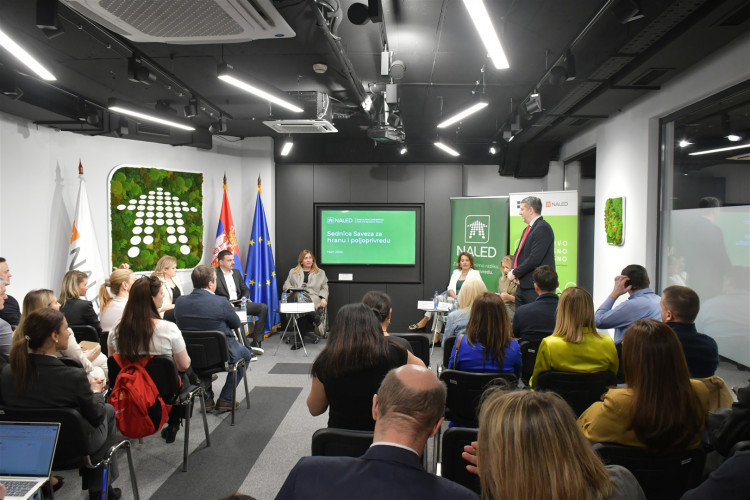
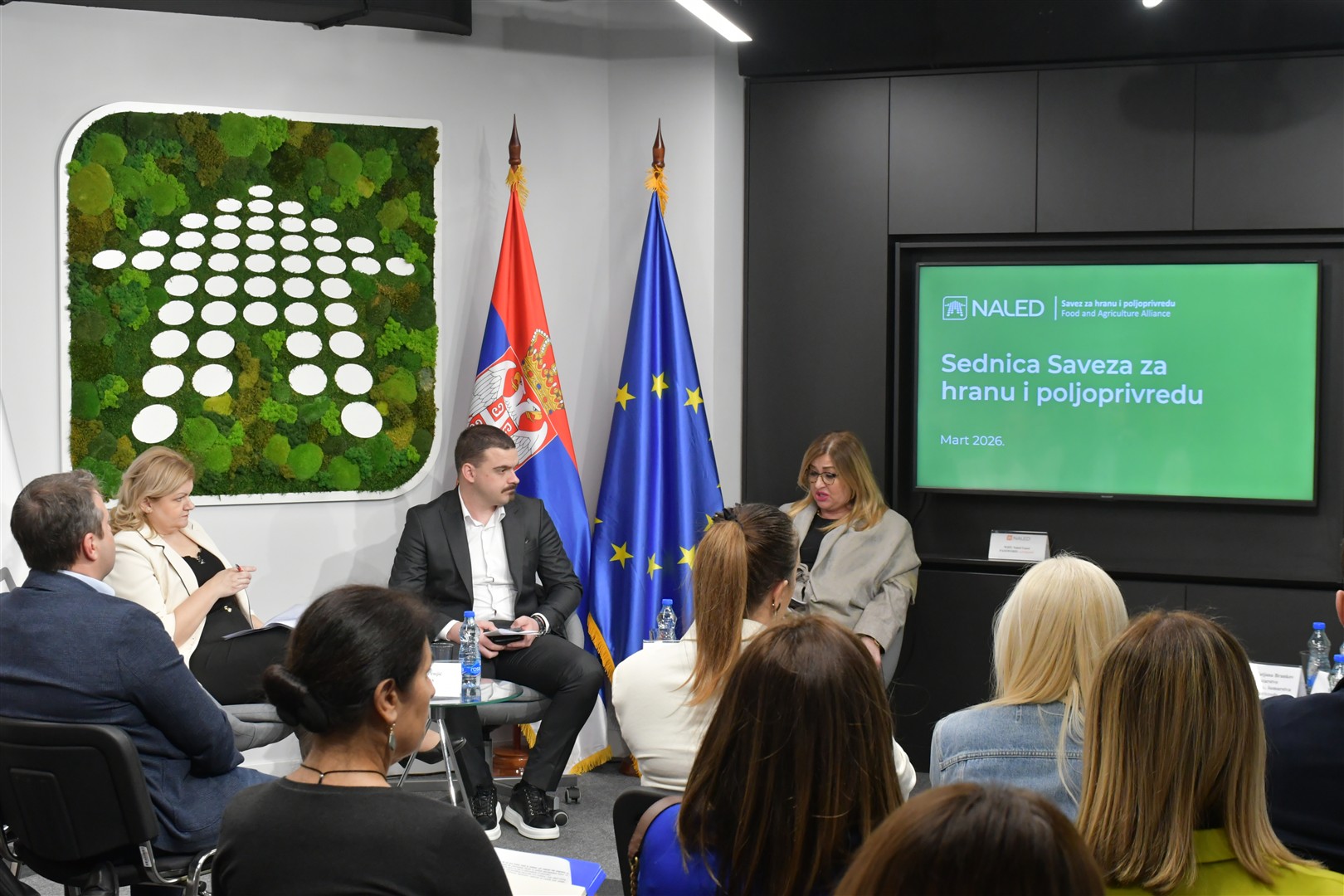
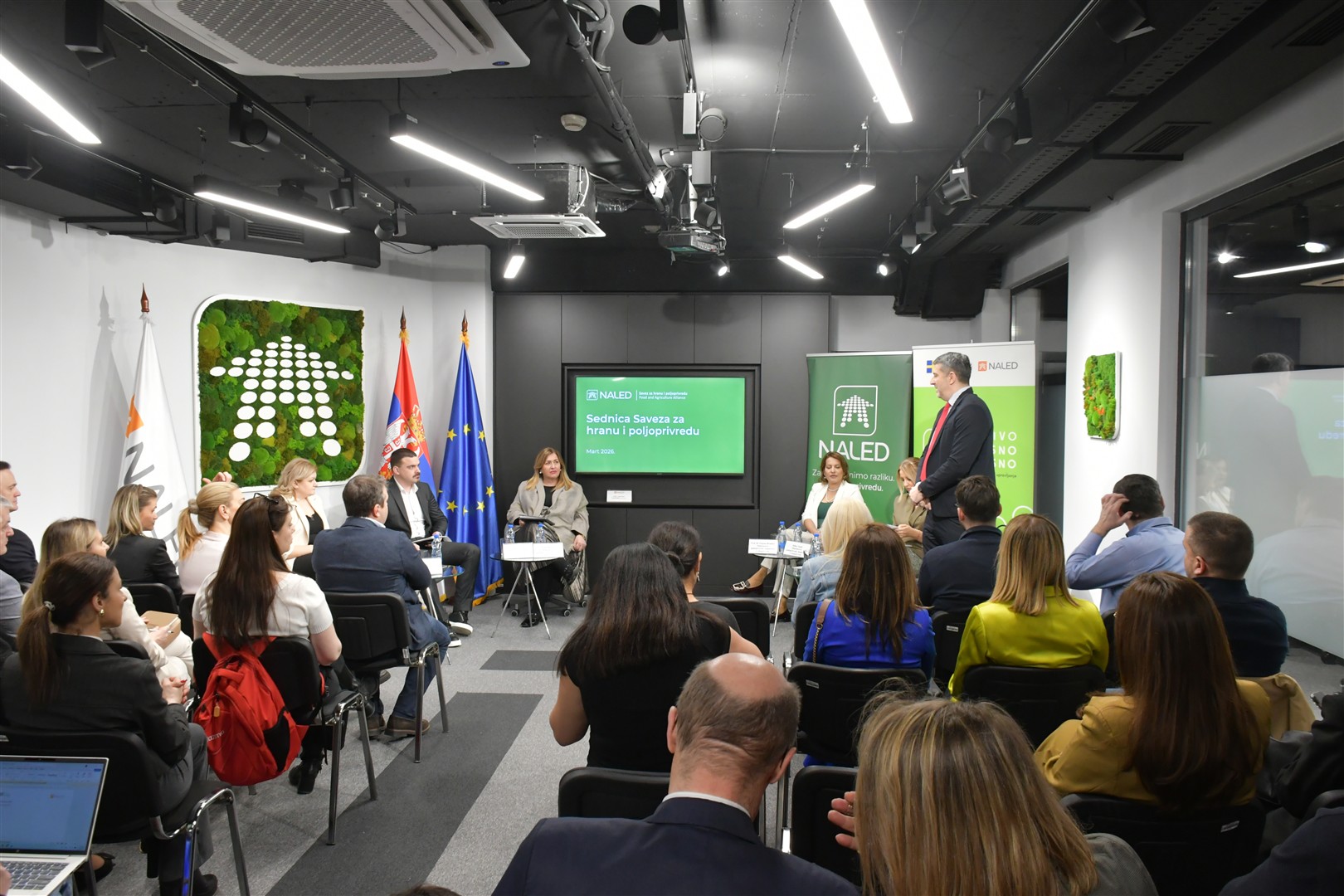
The introduction of regenerative agriculture into the legislative framework is one of the key innovations of the Agriculture and Rural Development Strategy for the period 2026–2034 and represents the first step toward transitioning to sustainable land conservation methods. In doing so, one of the key recommendations from the Grey Book has also been adopted. The next step that NALED will advocate for is ensuring direct support for producers, including investment incentives for the purchase of equipment, it was announced at the meeting of NALED’s Food and Agriculture Alliance.
The draft Strategy is currently in the public consultation phase, which is open until March 30. Among other measures, it includes the modernization of marketplaces, the introduction of an electronic register of incentives, the creation of a unified field record book, and the introduction of milk premiums based on quality.
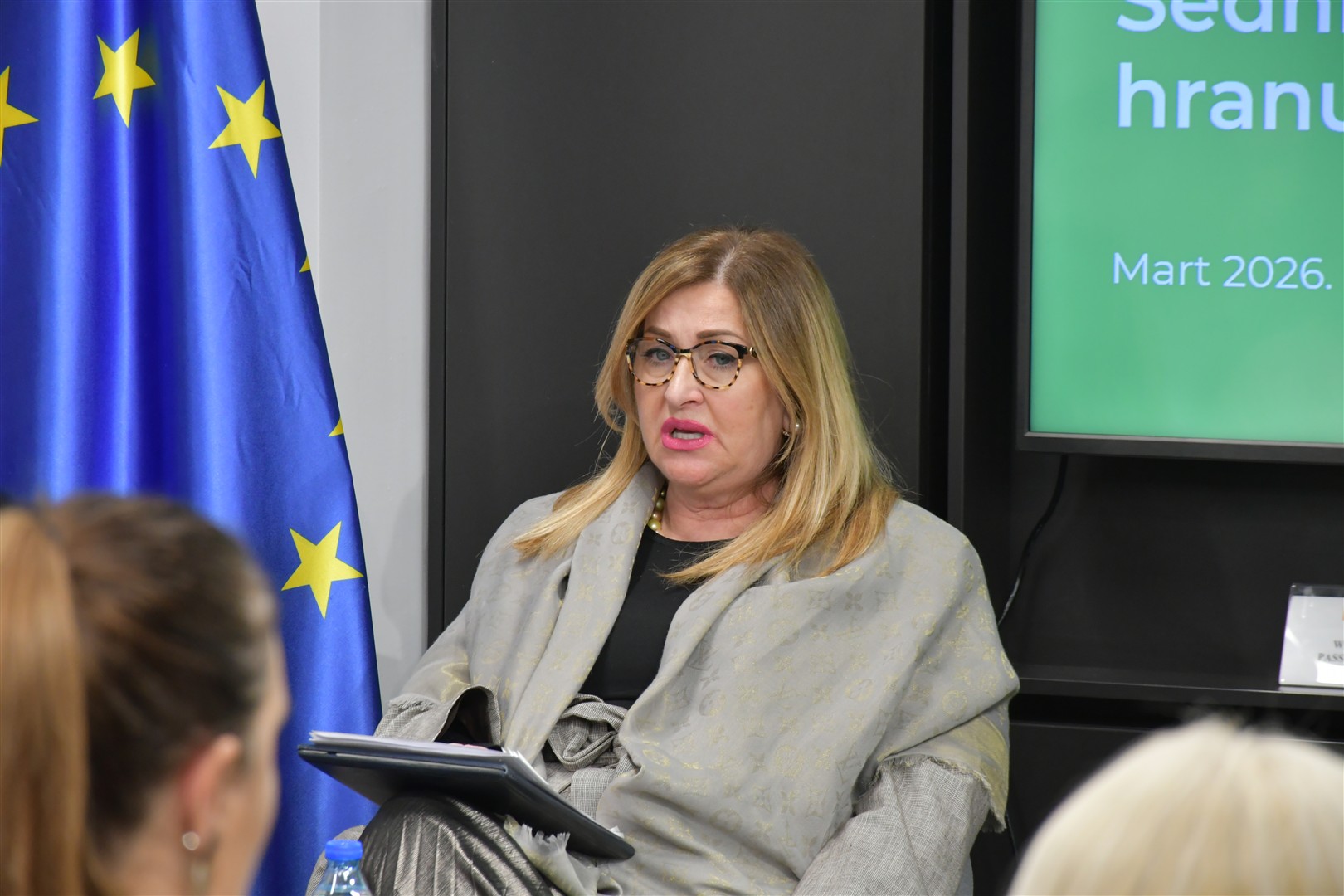
“Food sovereignty is a key issue for the stability of every country, especially in the context of disruptions in the global food market and climate change. Serbia has the capacity to secure food from its own production, which in times of crisis represents our most important pillar of support. We support small and medium-sized producers and cooperatives, as well as large exporters who contribute to the competitiveness of our economy. Through measures defined in the Law on Incentives, we are working to increase productivity and ensure sustainable development, while improving the market and strengthening the link between agriculture and tourism in rural areas,” said State Secretary at the Ministry of Agriculture, Forestry and Water Management, Stana Božović.
Agriculture represents one of the key pillars of the Serbian economy, employing more than half a million people and generating annual exports of around five billion euros. However, challenges such as land degradation, rising CO₂ emissions, and increasingly strict requirements of the European Green Agenda indicate that the current production model is no longer sustainable.
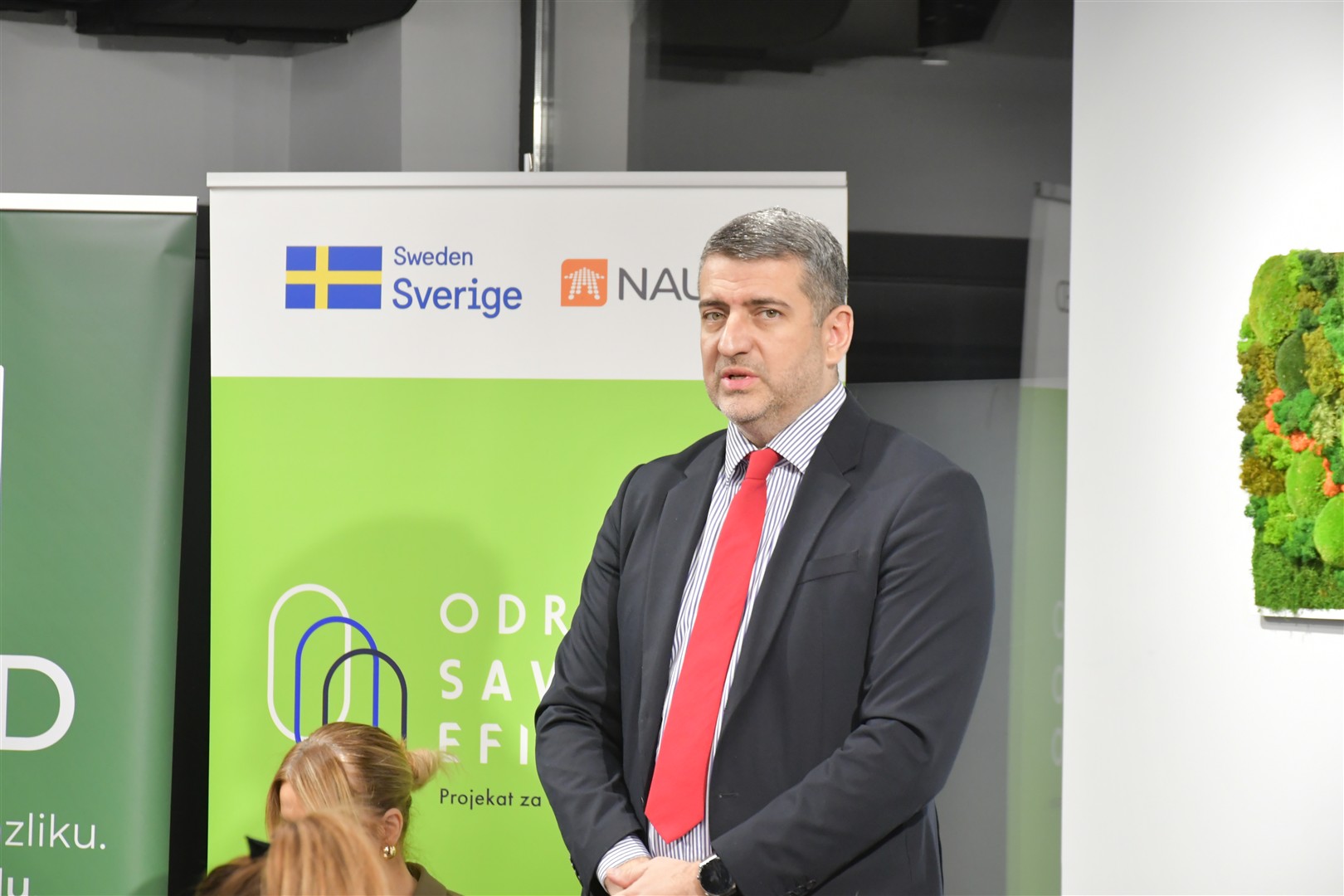
“With the support of the Government of Sweden, we conducted an analysis of the domestic value chain from farm to table, which showed that more than 50% of carbon dioxide emissions originate from primary production. At the same time, practical examples confirm that producers who have been applying the principles of regenerative agriculture for five to ten years have achieved a significant increase in soil organic matter, improved soil quality, and halted further degradation. It is particularly important that already in the first year of implementing these practices, CO₂ emissions on agricultural land decrease by 50 to 60%,” said Slobodan Krstović, Director of the Sustainable Development Department at NALED.
He added that, with the support of the Government of Sweden, plans are underway to implement pilot projects of regenerative biodistricts that will bring together producers, experts, researchers, and companies. Therefore, it is of great importance that the relevant ministry has accepted NALED’s proposal to legally recognize regenerative agriculture, although additional incentives are needed to increase the number of producers in Serbia who apply sustainable practices.
On this occasion, representatives of the Ministry of Agriculture, Forestry and Water Management also presented to members of NALED’s Food and Agriculture Alliance other developments within their sector, such as draft laws on food safety and plant protection.
A significant change is also the separation of the animal feed sector from the Food Safety Law, which will be regulated by a separate regulation in line with the need for clearer legislation and better implementation. With the adoption of this law and its accompanying bylaws, Serbia will fully align its regulations with EU legislation.