From Serbia to 29 Global Markets: How Innovations Reach Customers
More than 100 innovative projects supported through StarTech, with Serbian innovators present in more than 29 international markets. These results show that ideas from Serbia have the potential for global success, but also that funding, knowledge and stronger links between science and industry are essential to their development.
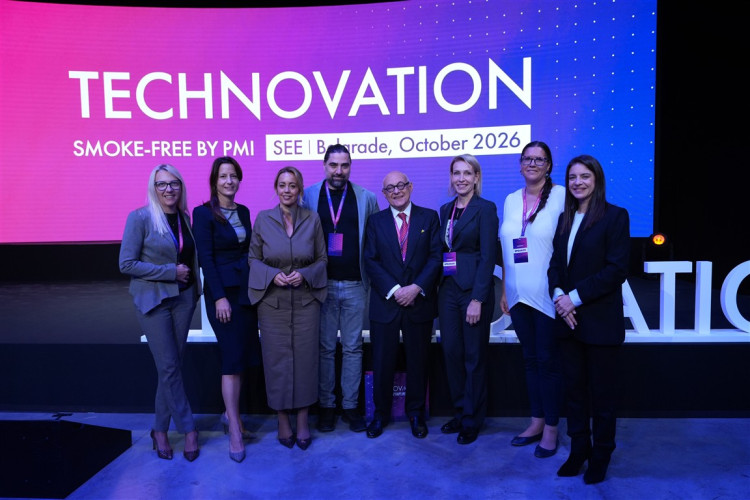
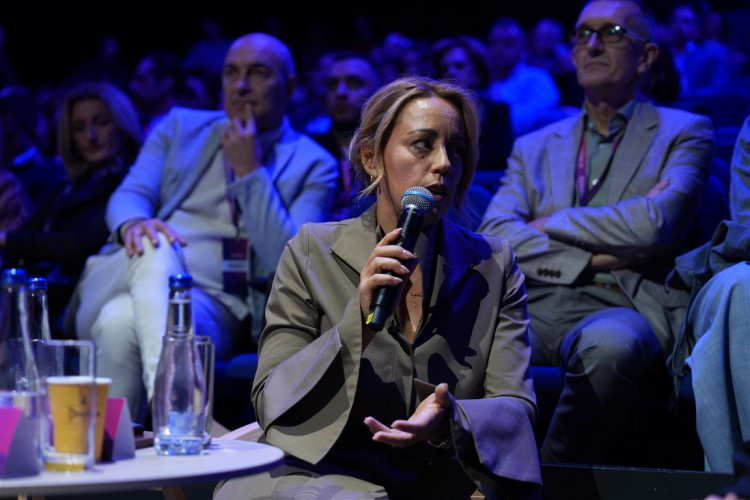
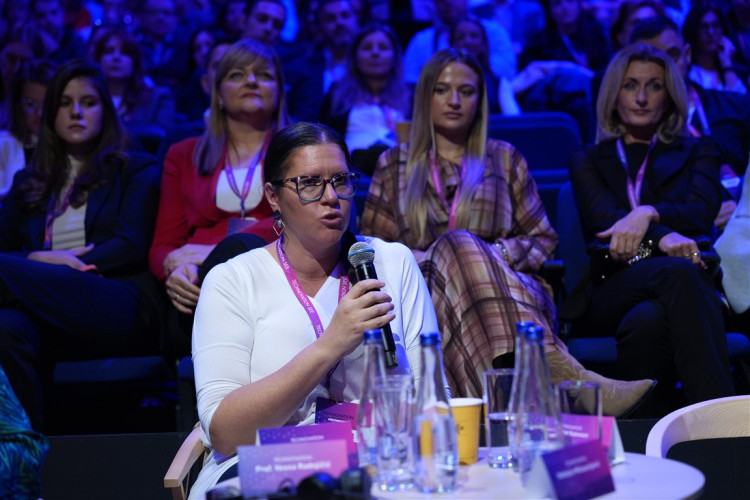
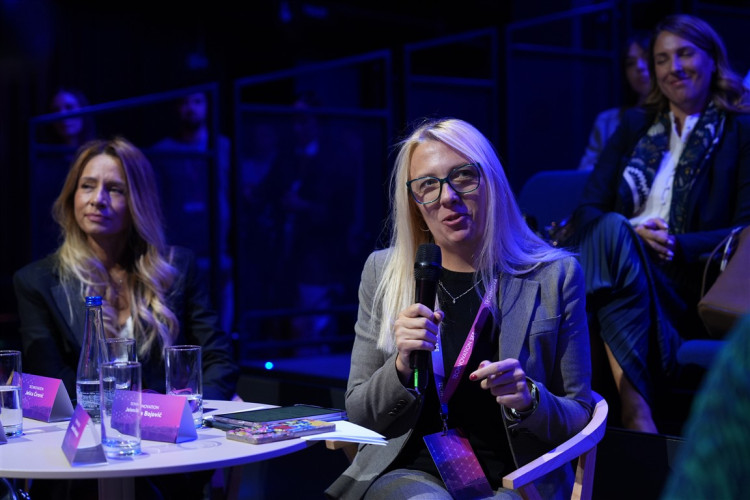
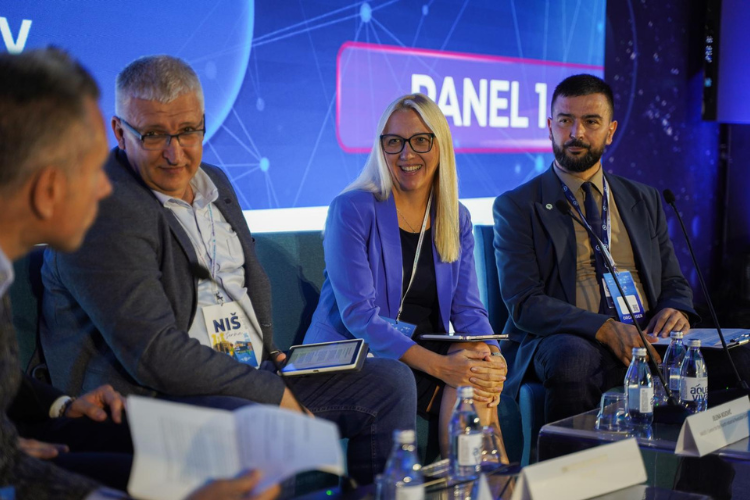
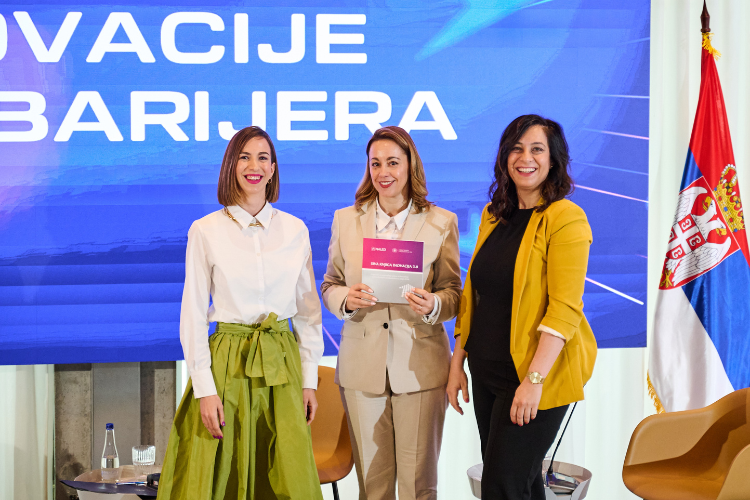
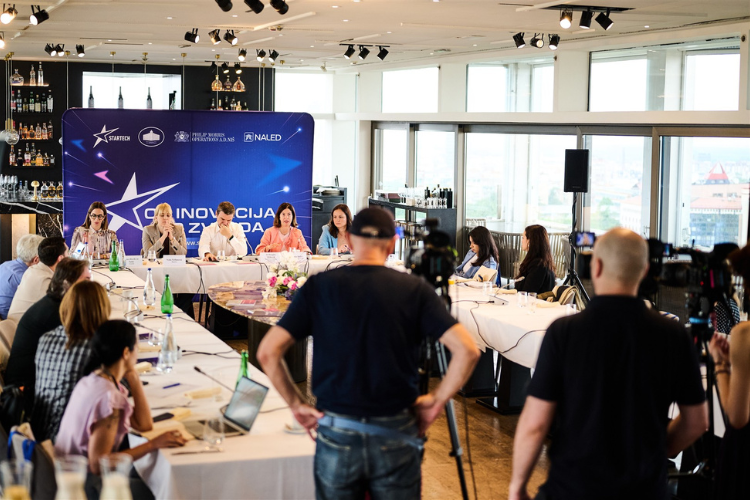
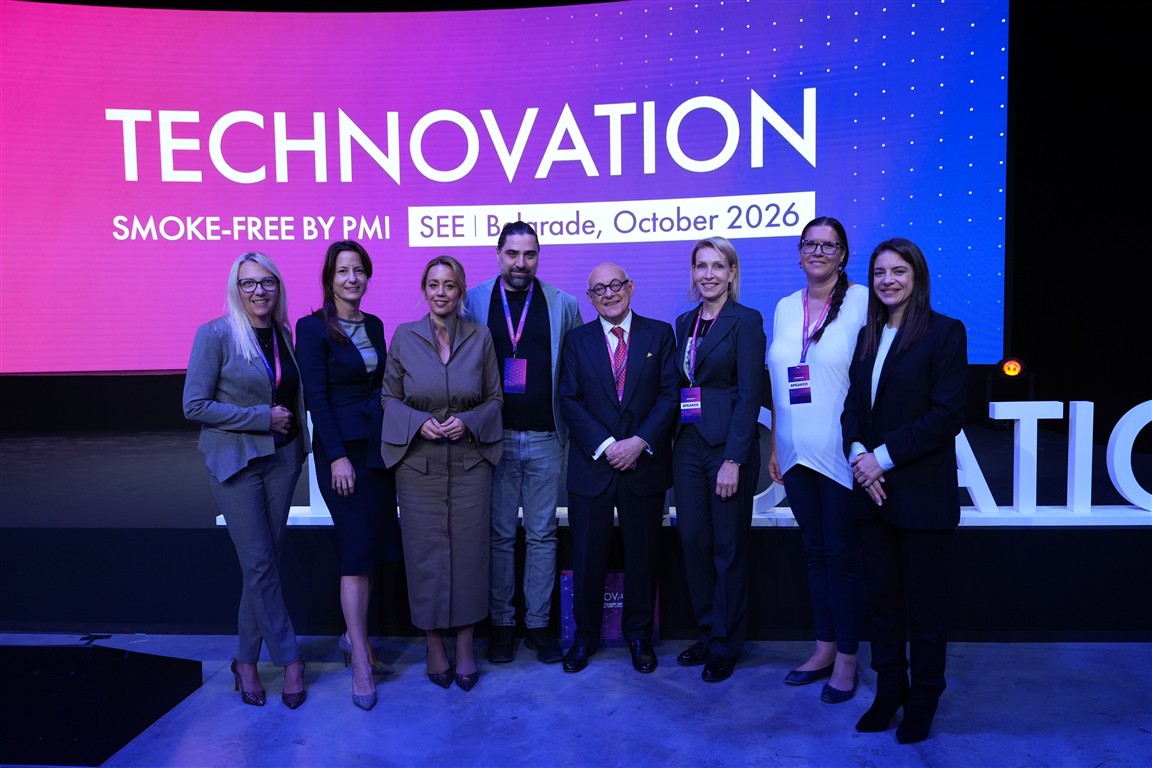
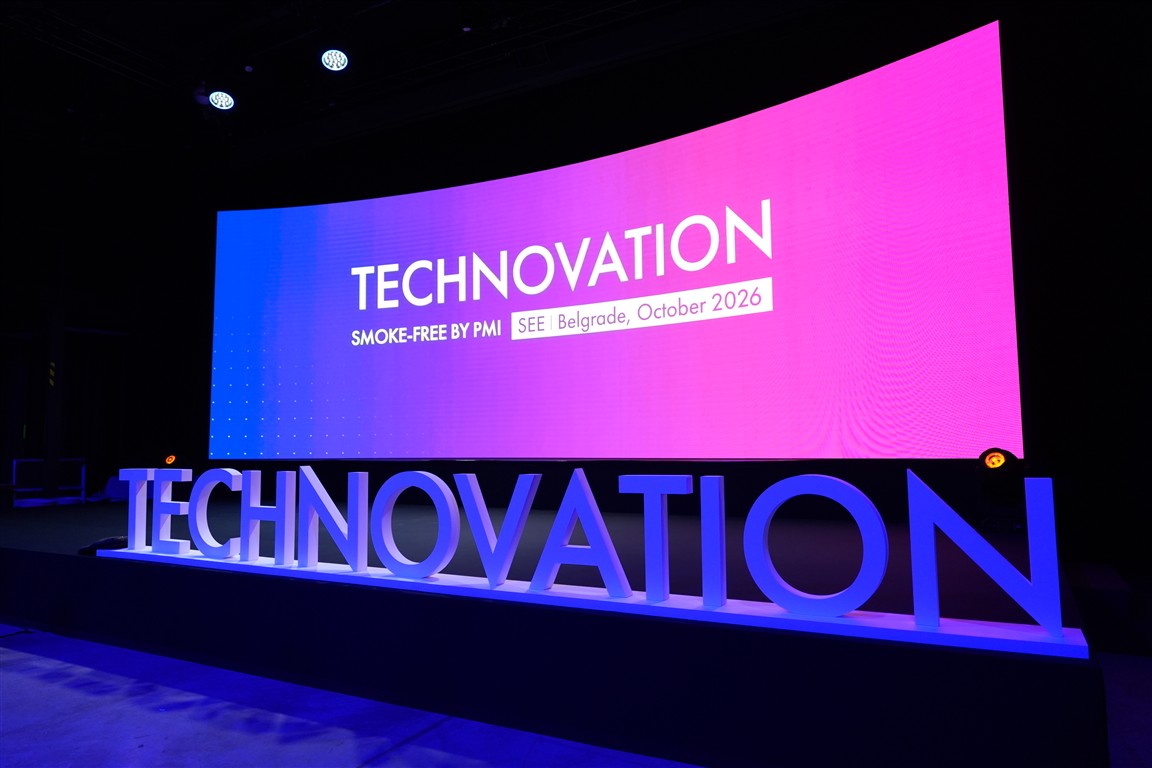
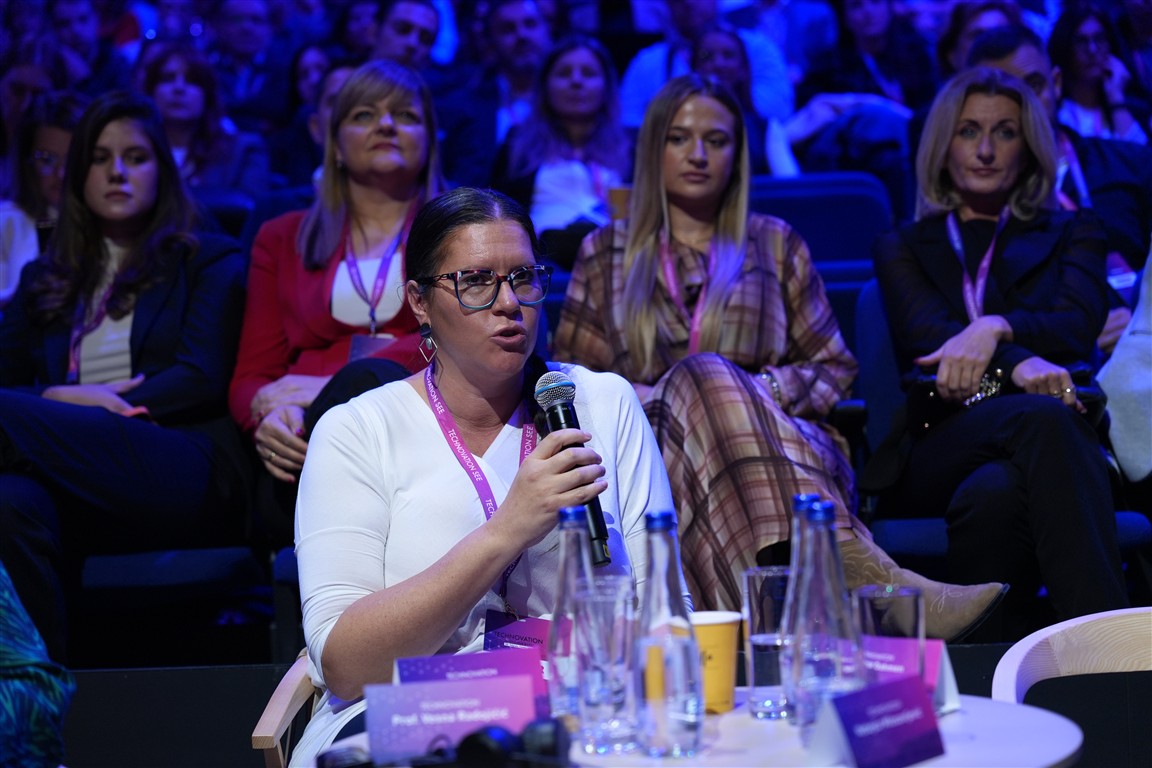
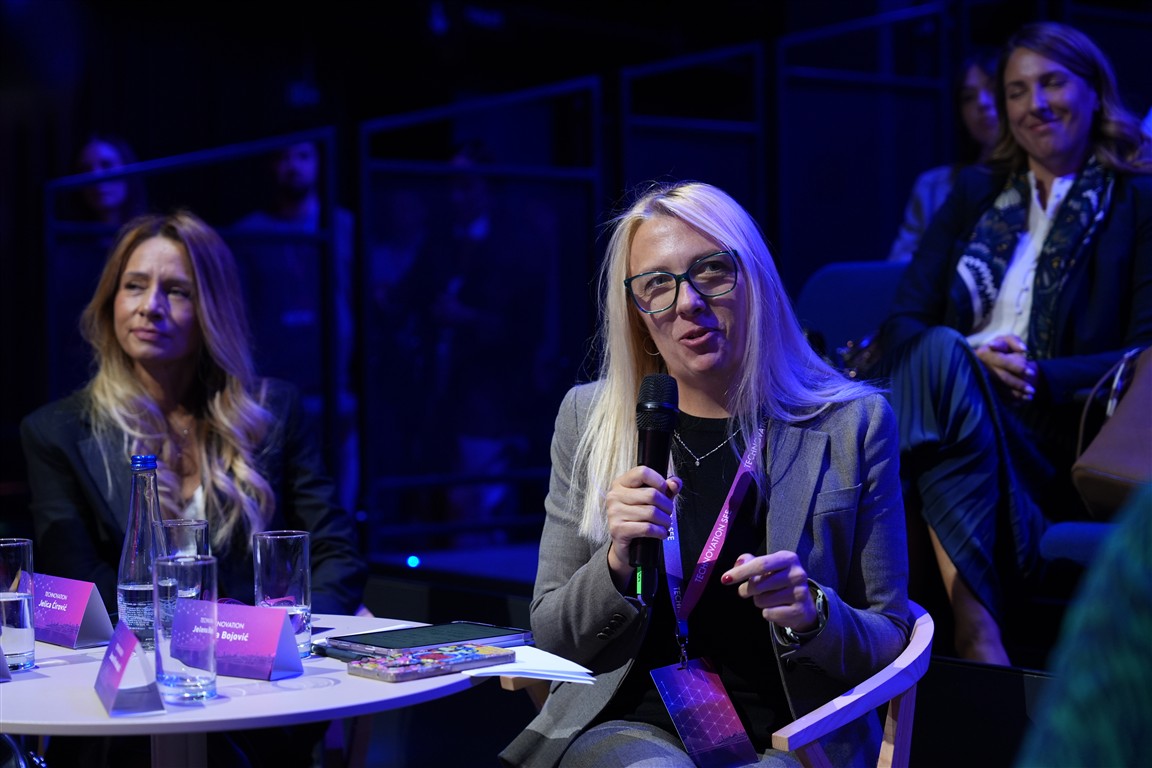
How an innovation makes its way from an idea to customers around the world was the focus of discussions at the Technovation SEE 2026 conference, organized by Philip Morris. Representatives of the business community, government and scientific community explored how Serbia's innovation potential can be translated into tangible business results.
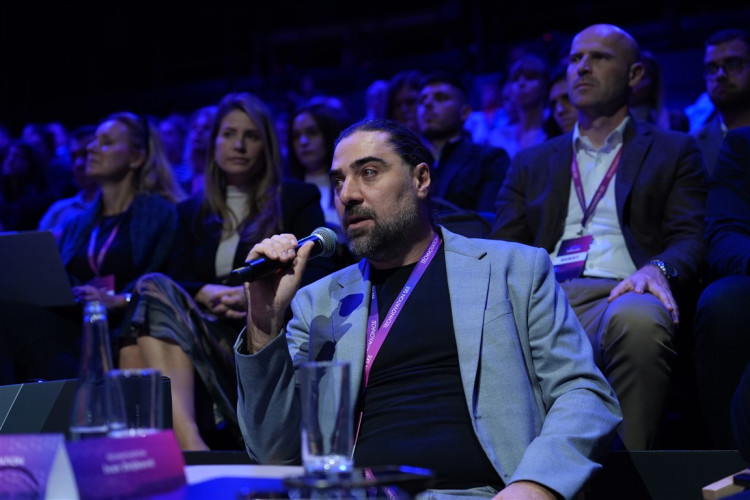
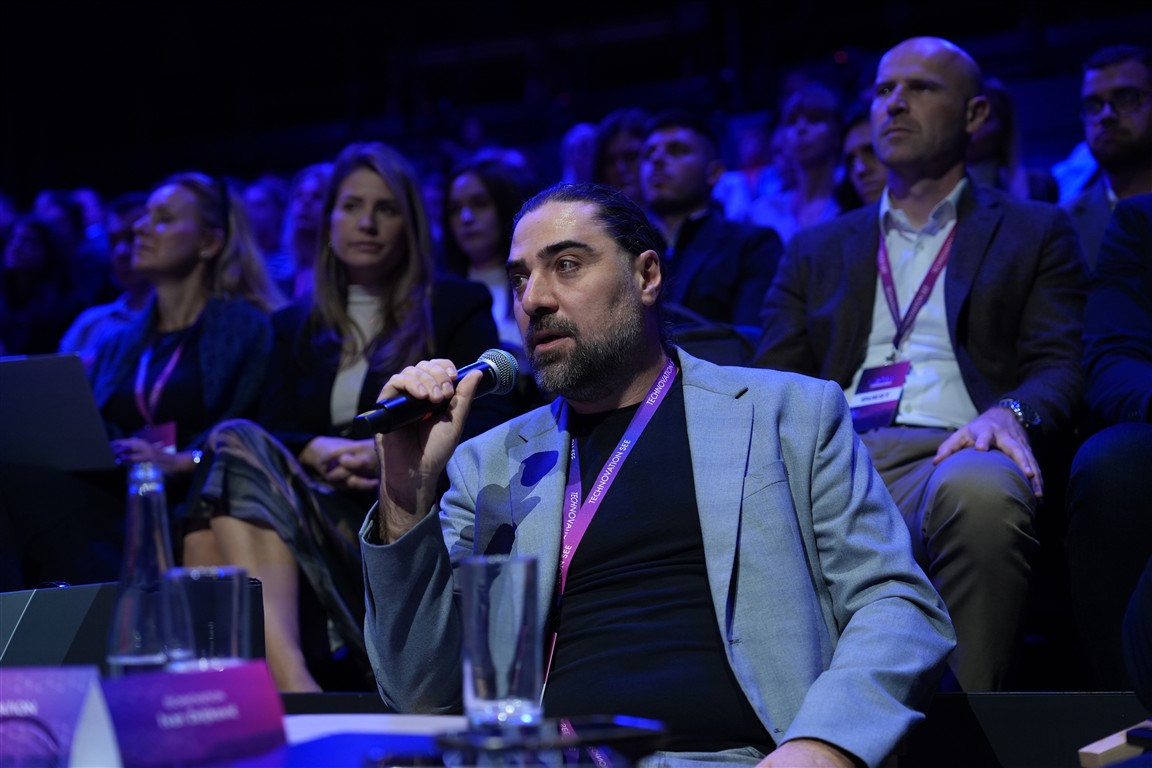
One example is NeuroBLAST, a Serbian startup developing technological solutions for neurological rehabilitation. Marko Grujić, the company's founder, shared his experience of product development with the support of the StarTech programme and the challenges involved in moving from a prototype to commercialization.
“Support for innovators is about more than just funding. Knowledge, contacts and opportunities are also important, enabling a company to develop its product and prepare it for the market,” Grujić emphasized.
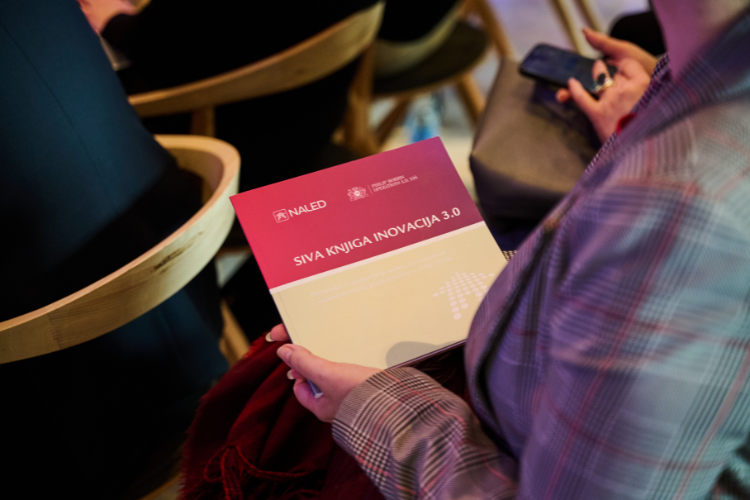
StarTech, implemented by NALED in cooperation with the Government of Serbia, with financial support from Philip Morris International (PMI), supports the development of innovative companies and the improvement of conditions for innovation in Serbia.
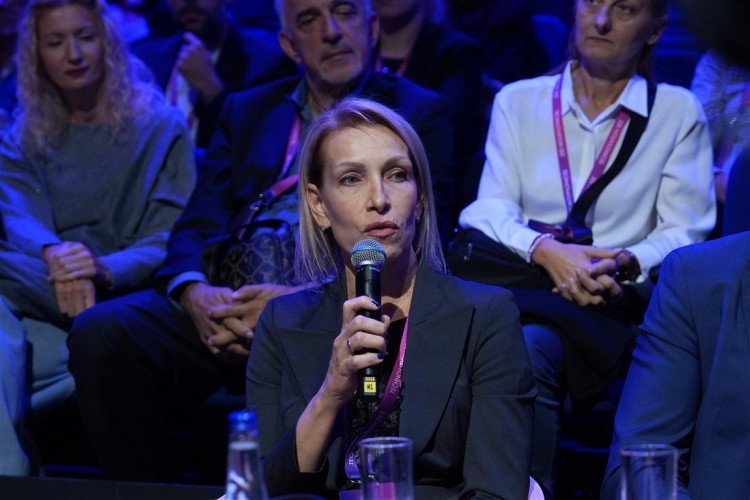
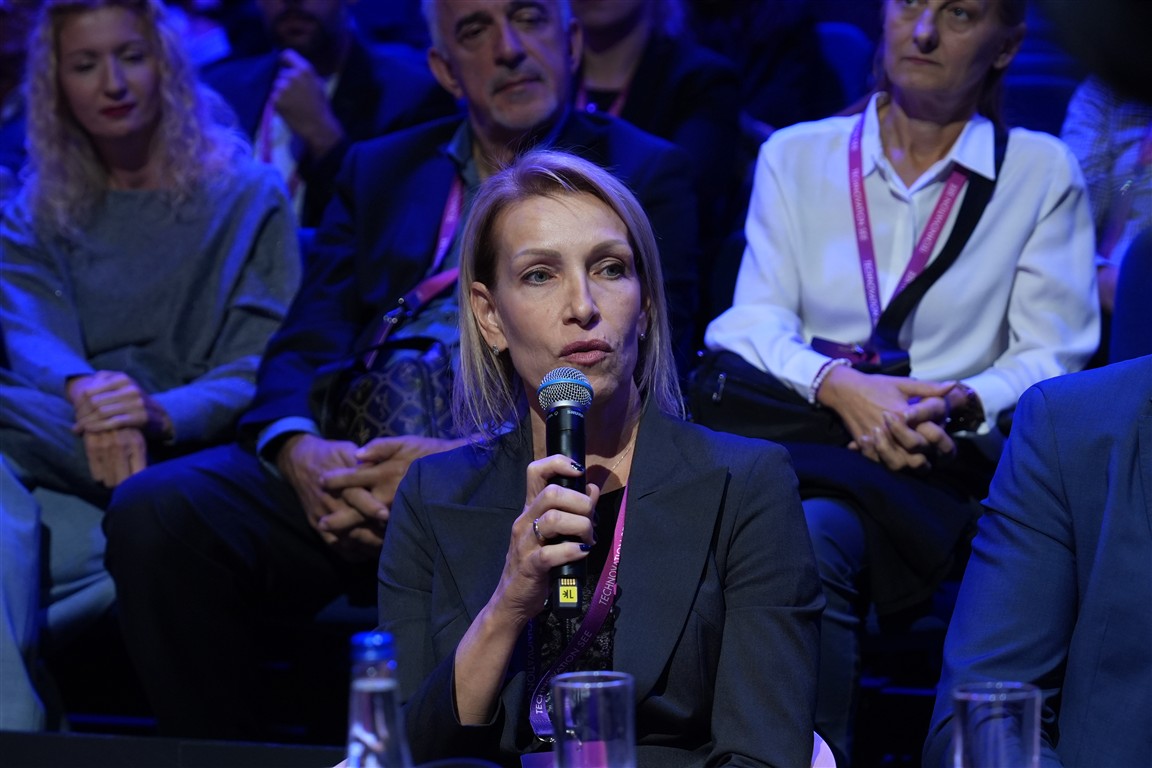
“The private sector can contribute to the development of innovation beyond its core business activities. Through StarTech, we want to give good ideas the opportunity to grow, find their place in the market and contribute to the development of the innovation ecosystem,” said Tamara Stanković, Director of Regulatory Affairs and Strategic Projects for Southeast Europe at PMI.
She noted that, alongside the StarTech project, PMI also implements the Empower Innovation and PMInnovia projects with NALED, which also contribute to the development of innovation and stronger cooperation between science and industry.
Public investment also plays an important role in encouraging further cooperation and investment, which are essential for innovation to succeed. Dr Marija Gnjatović, State Secretary at the Ministry of Science, Technological Development and Innovation of the Republic of Serbia, emphasized that the government, business community and scientific community can work together more effectively to identify market needs and accelerate the application of new solutions.
“Funding alone is not enough to develop innovation. Research organizations, startups and companies need to be better connected, market needs must be understood, and innovation must be supported throughout the entire process, from development and testing to practical application and market entry,” Gnjatović noted.
Marija Mitrović Dankulov, a representative of the scientific community involved in the work of the PMInnovia project’s Scientific Committee, also spoke about the importance of cooperation between science and industry.
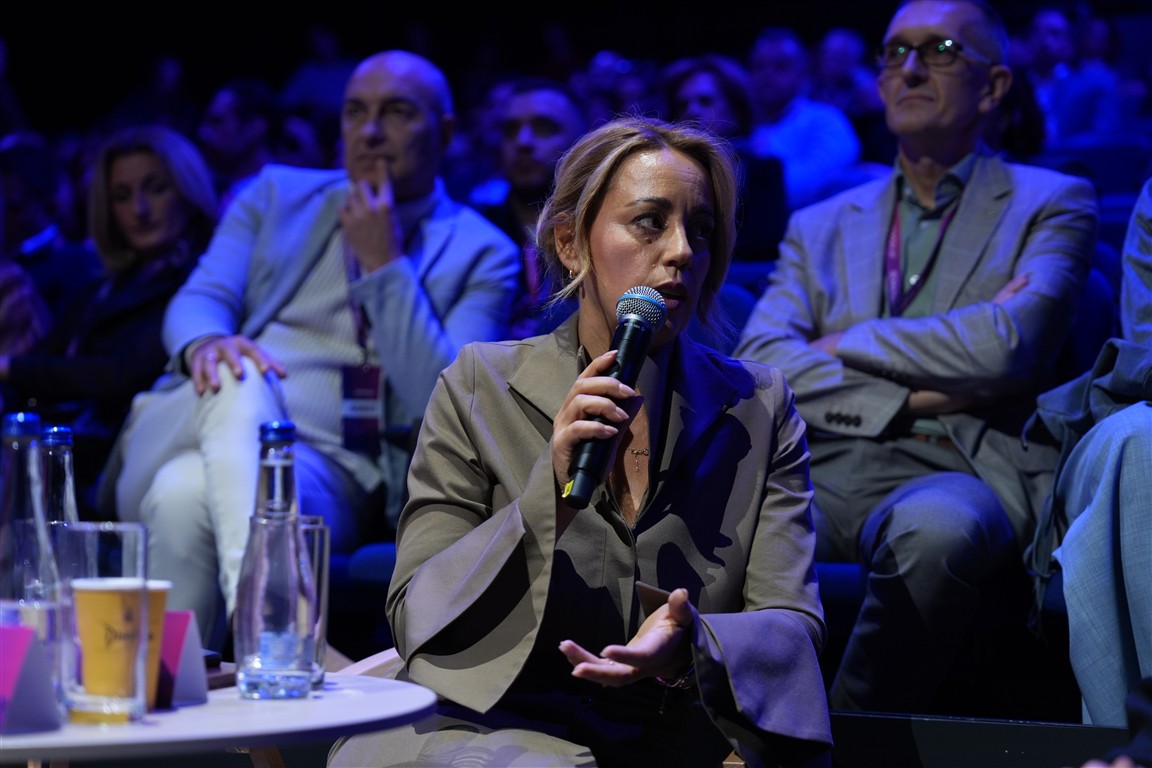
“We have the knowledge, research capacities and experts needed to address industry challenges. The key challenge is turning that knowledge into practical solutions that work. This is precisely why it is important to connect science and industry, from identifying companies’ needs to jointly developing and testing innovations under real-world conditions. PMInnovia contributes to building this kind of cooperation and creating solutions with practical applications in industry,” Mitrović Dankulov emphasized.
For innovations to reach their full potential, support is also needed to enter domestic and international markets. Jelena Bojović, NALED Programme Director, highlighted the importance of developing export capacity and connecting domestic companies with international partners.
“Serbia and the region have significant potential to develop innovative products and services. Connecting with international partners, developing export capacity and gaining better access to foreign markets are important steps towards turning that potential into tangible business results,” Bojović concluded.
The message from the discussions at Technovation SEE 2026 was clear: taking a good idea to the global market requires more than knowledge and innovation. It also takes perseverance, funding, partnerships and a business environment that enables new ideas to become sustainable products and companies.