Serbia to Adopt an Artificial Intelligence Law – Striking a Balance Between Innovation and Responsibility
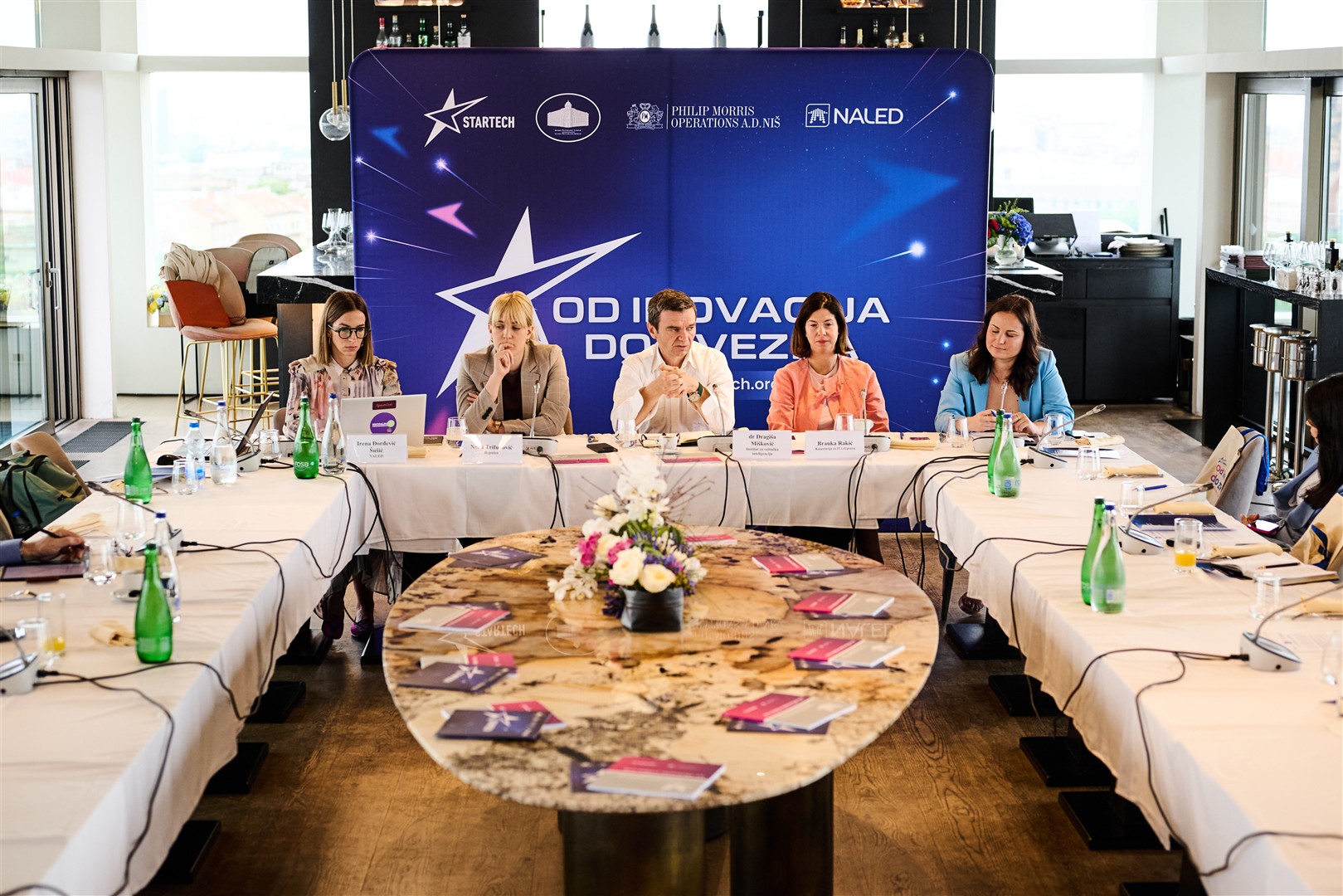
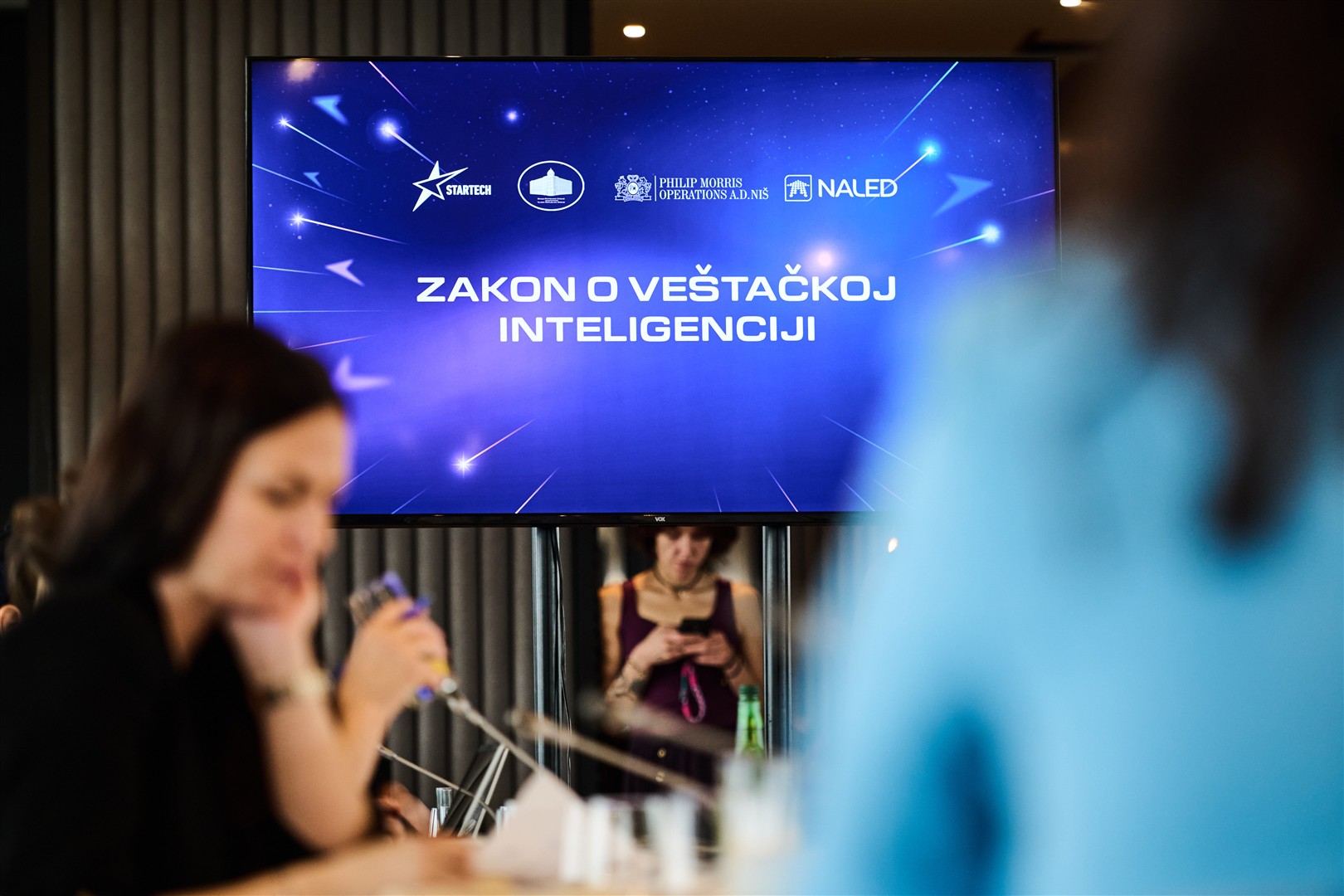
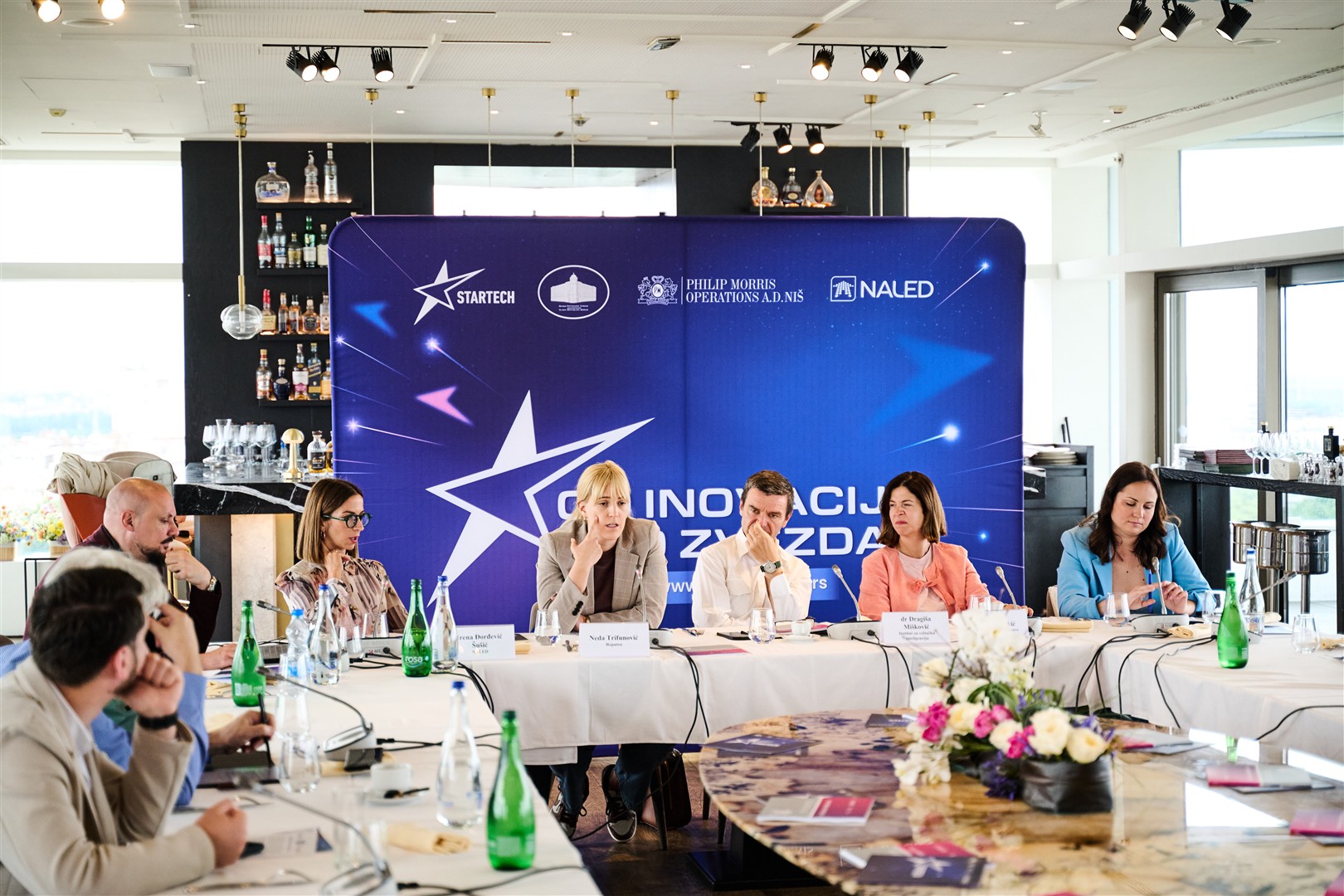
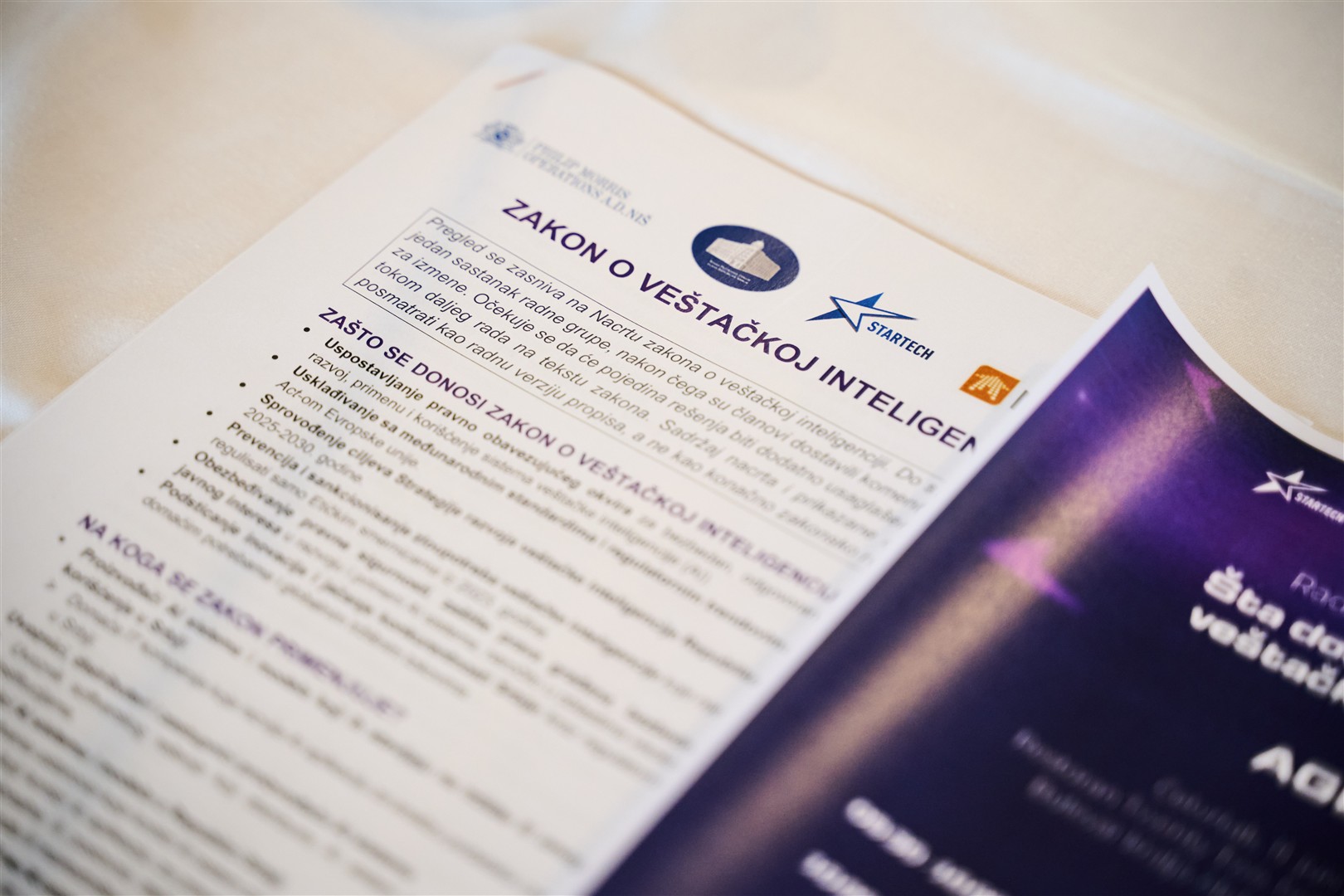
The Artificial Intelligence Law represents an important step toward establishing legal certainty in one of the fastest-growing sectors of the modern economy. At the same time, it is crucial that the legislation protects citizens, ensures the responsible use of technology, and encourages the development of Serbia’s domestic IT industry, startups, and innovation ecosystem, participants emphasized at an event organized by NALED as part of the StarTech project. The Ministry of Science, Technological Development and Innovation of Serbia has established a working group tasked with drafting the law, in which NALED actively participates.
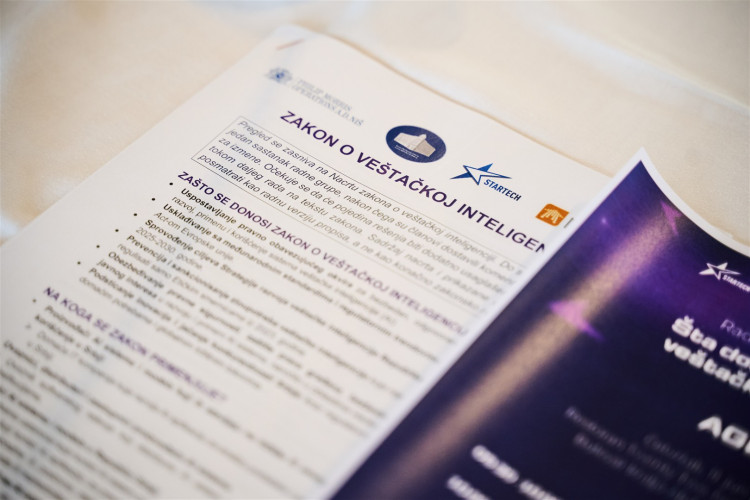
For the first time, the proposed law introduces a legally binding framework governing the development, deployment, and oversight of artificial intelligence systems and models in Serbia, based on the principles of safety, transparency, accountability, data protection, and non-discrimination. Of particular importance is the fact that the draft legislation is aligned with the European Union’s AI Act and the objectives of Serbia’s Artificial Intelligence Development Strategy through 2030.
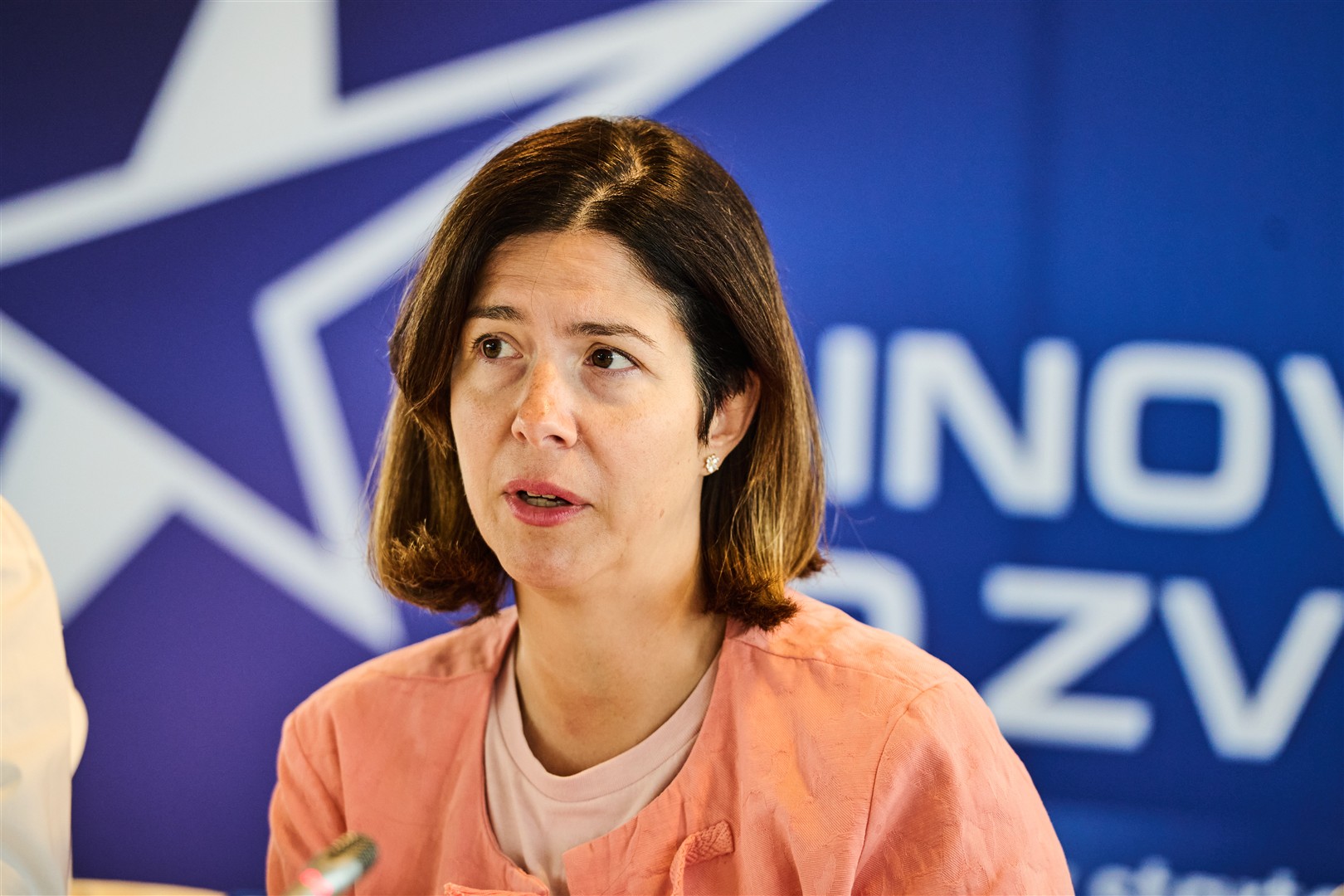
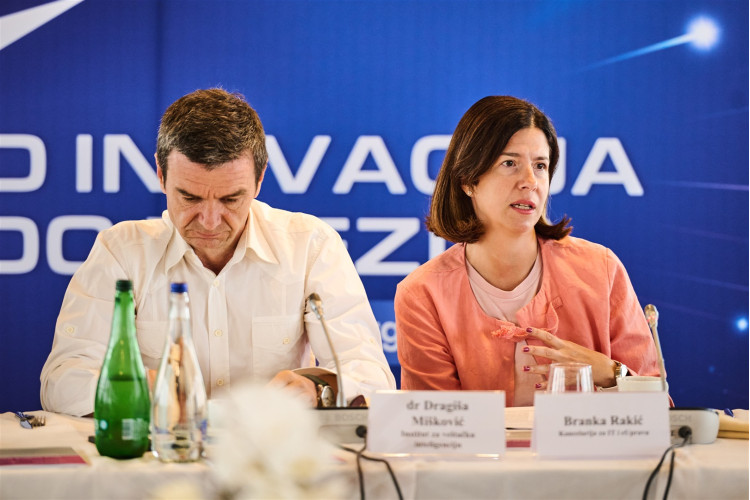
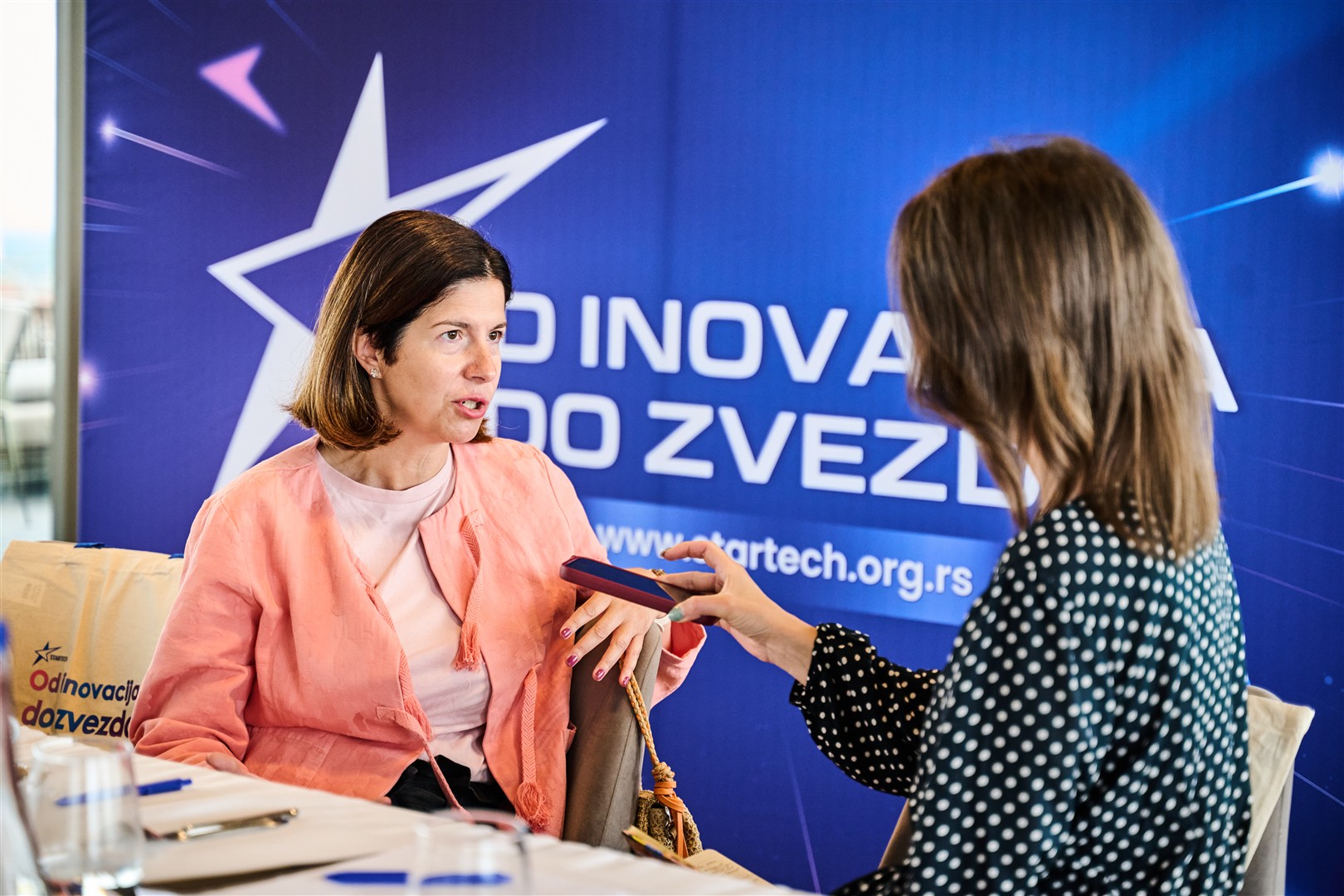
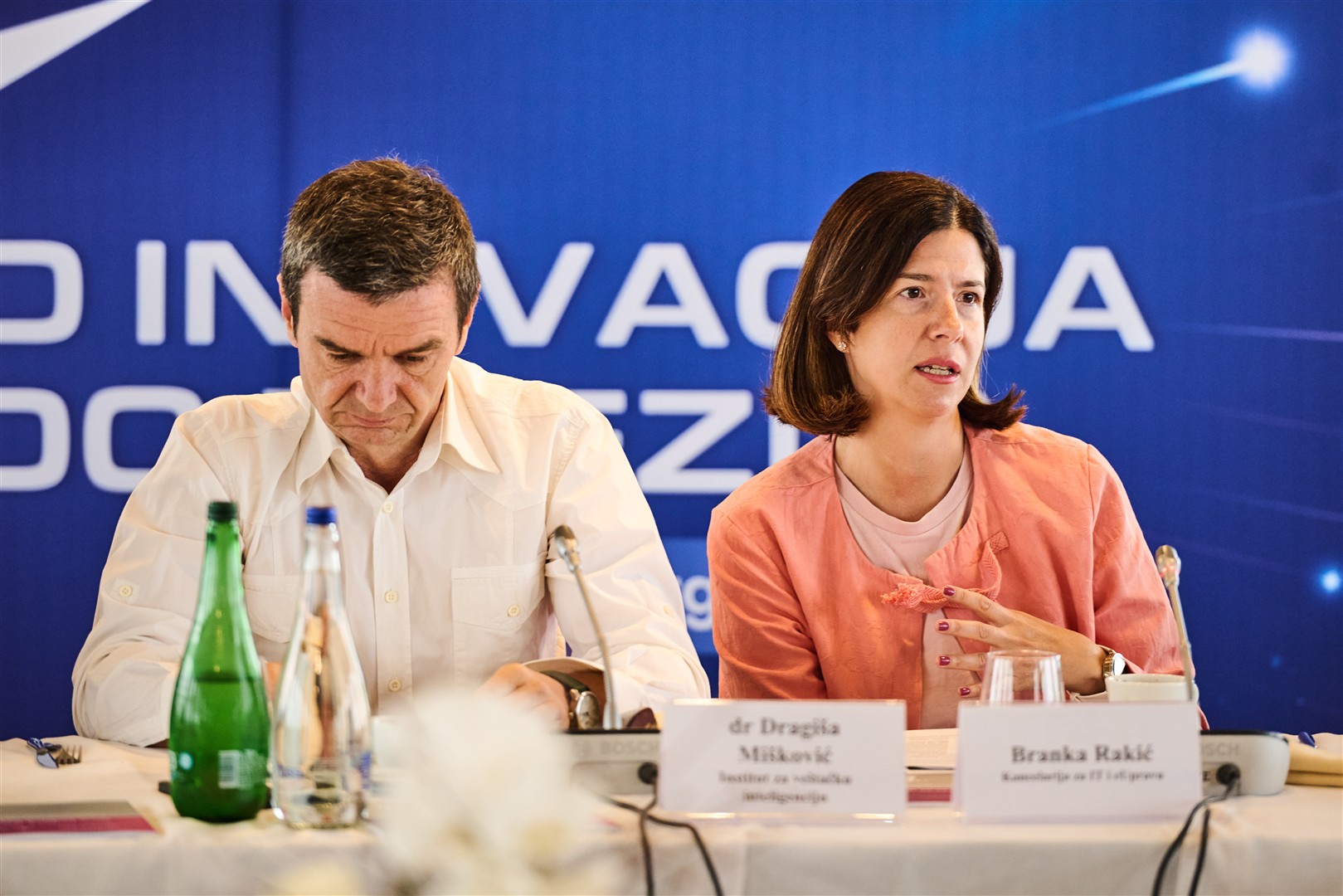
“Serbia has been building the foundations for AI development for years—from adopting its first AI Strategy in 2019, to investing in infrastructure and capacity building, and establishing an innovation ecosystem through science and technology parks and universities. We have laid the groundwork for AI development, including state-owned infrastructure and supercomputing capacities, while simultaneously working on the rules for its responsible use,” said Dr. Branka Rakić from the Office for IT and eGovernment.
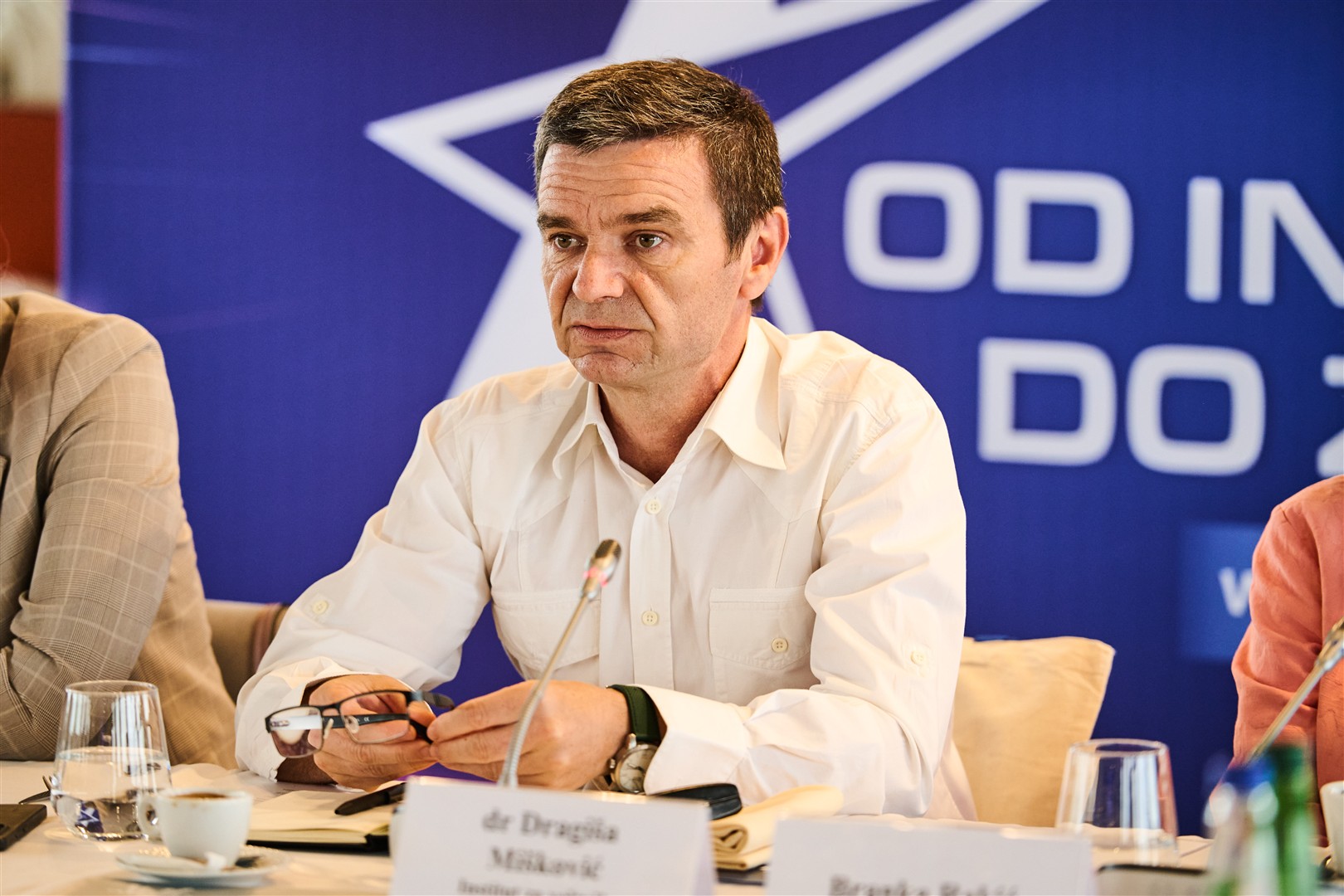
“We are already implementing AI solutions in the public sector, such as a system for the automatic anonymization of court decisions. Thanks to their participation in European projects and alignment with European standards, our researchers are well prepared for the upcoming legislation,” said Dr. Dragiša Mišković from the Artificial Intelligence Institute. He noted that approaches to AI regulation vary worldwide—from the U.S. model of deregulation and sector-specific governance, to the European risk-based approach, and China’s centralized regulatory framework.
The draft law adopts a risk-based approach, categorizing AI systems into prohibited systems, high-risk systems, systems subject to transparency requirements, and minimal-risk systems. Prohibited systems may not be used, while high-risk systems are subject to strict requirements before being placed on the market. The most stringent rules apply to AI systems that may significantly affect health, safety, fundamental rights, education, and public services. The legislation also envisages the establishment of an AI Agency, as well as a Registry for high-risk AI systems.
“A positive step forward is the introduction of a regulatory sandbox for testing innovative AI solutions, a practice that is becoming increasingly common across EU member states. This mechanism could be highly valuable for startups, researchers, and companies developing innovative solutions in transport, healthcare, finance, and public administration. Access to the sandbox should be simple, fast, and, where possible, free of charge for startups, so that regulation does not become an obstacle to innovation,” said Irena Đorđević Šušić of NALED.
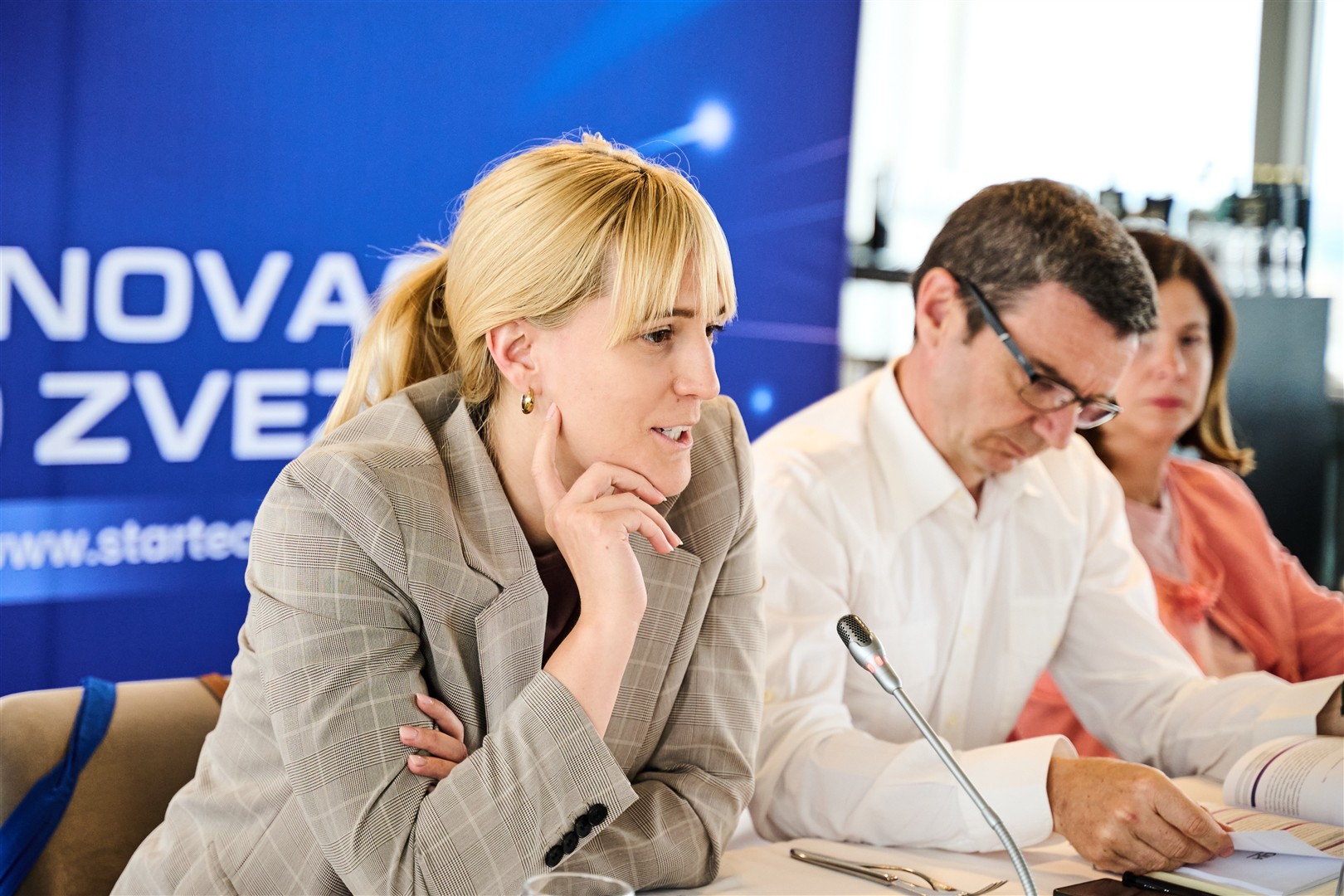
Similarly, Neda Trifunović from the startup Reputeo warned that excessive regulation without adequate incentives could slow innovation, particularly given that AI is still in the early stages of understanding and realizing its full potential.
Through its continued participation in the working group, NALED will advocate for solutions that better balance the protection of the public interest with the need to foster innovation.
The $8 million StarTech project is jointly implemented by NALED and Philip Morris International, with the support of the Government of the Republic of Serbia, with the aim of accelerating the digital transformation of the Serbian economy and strengthening the country’s innovation potential.