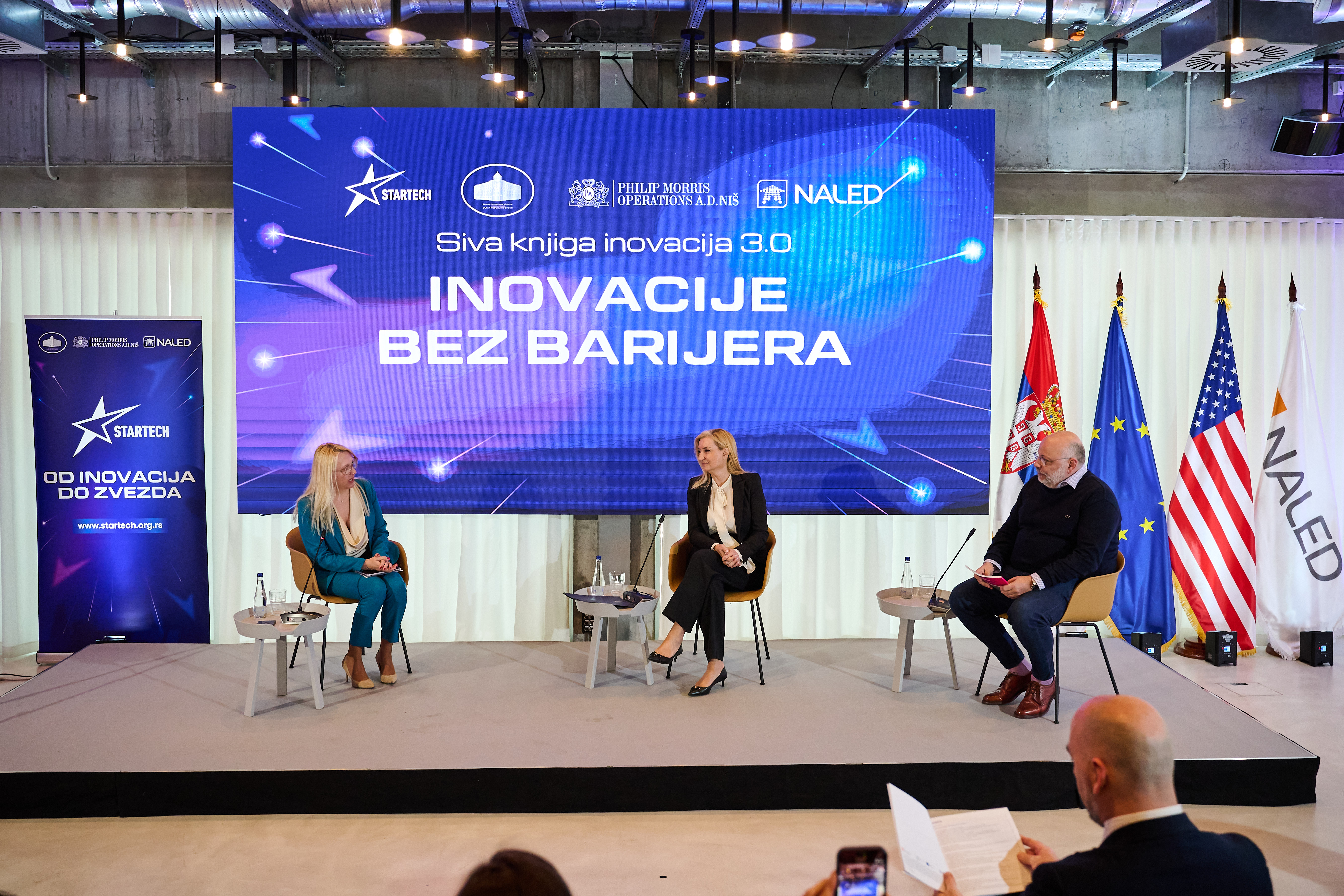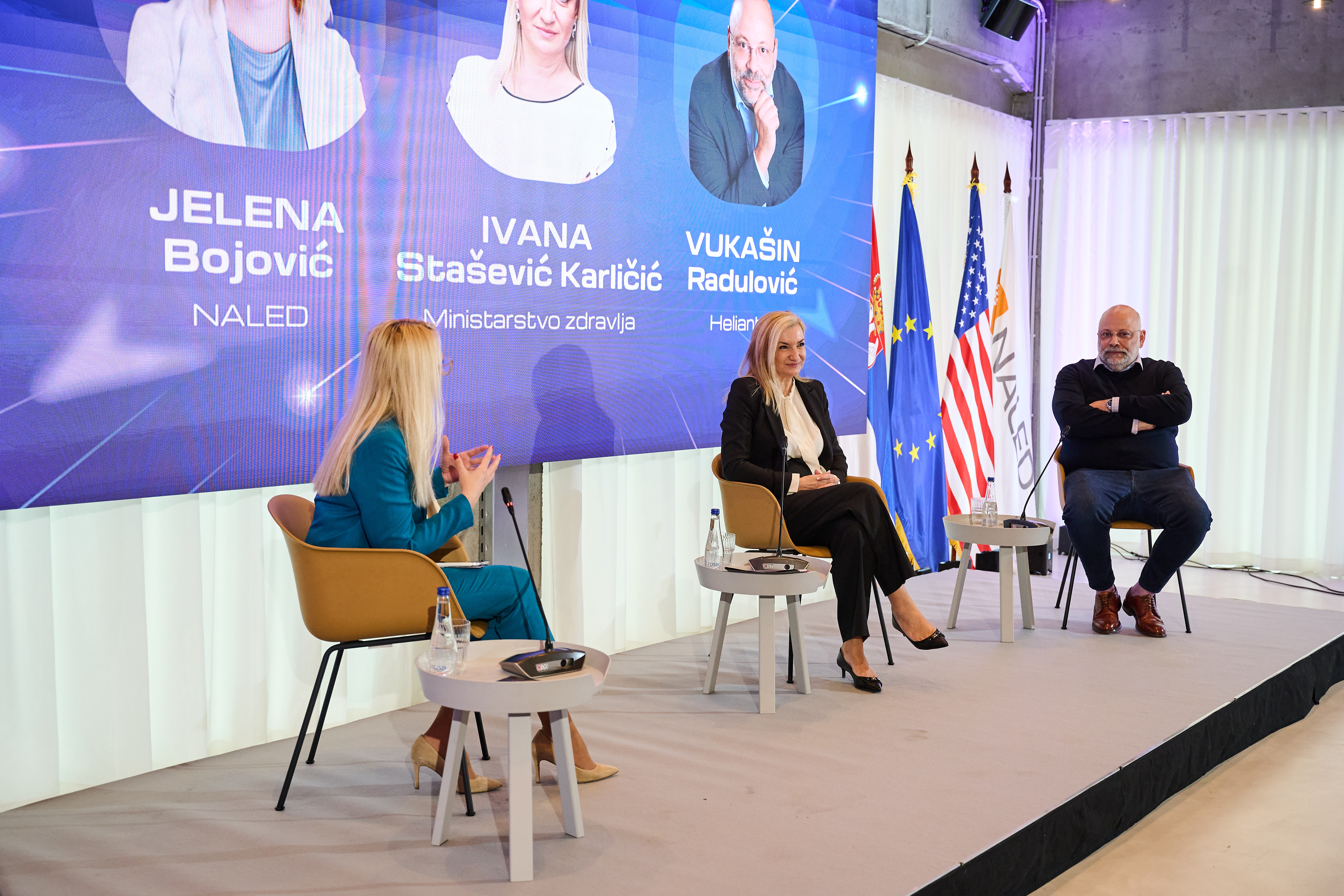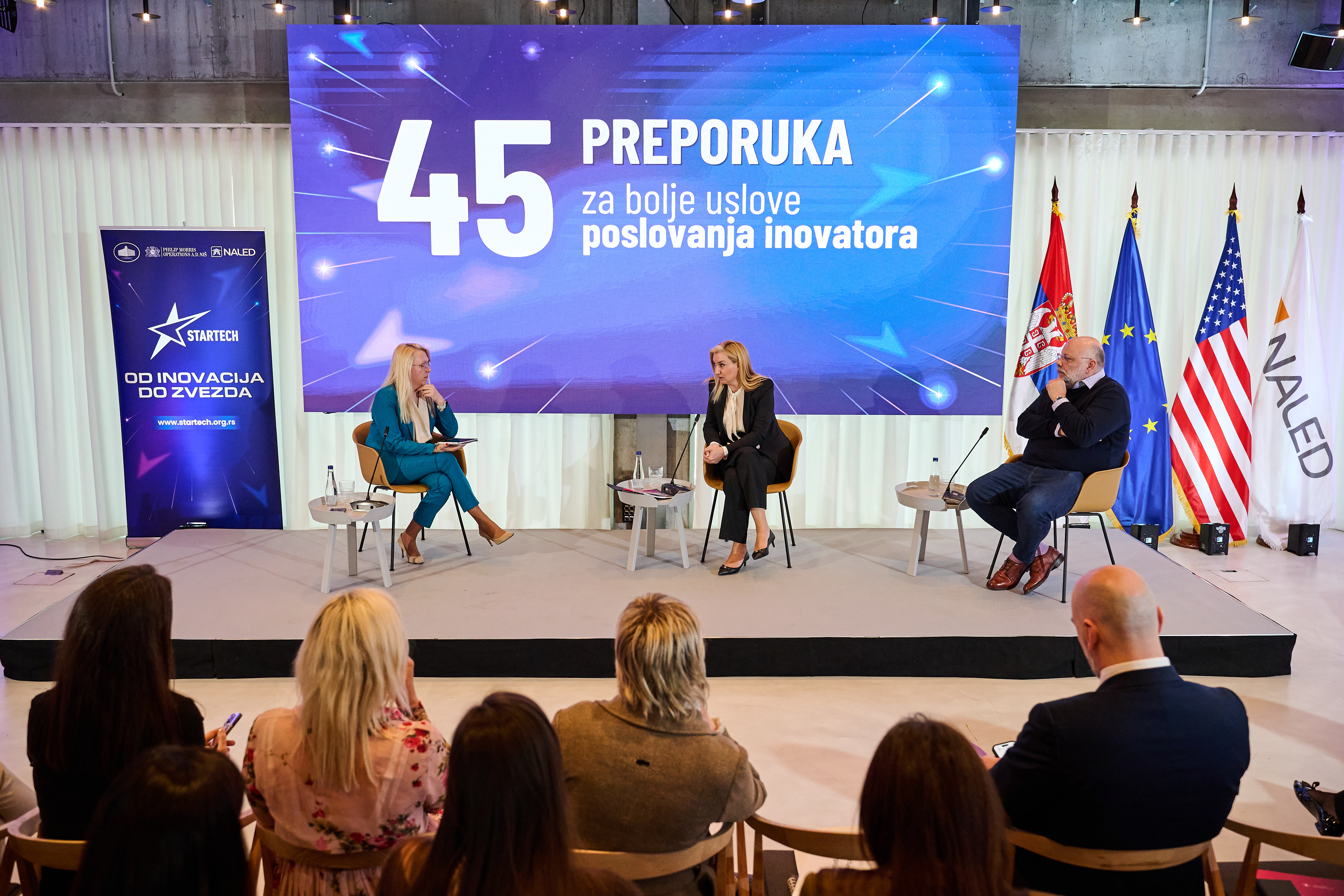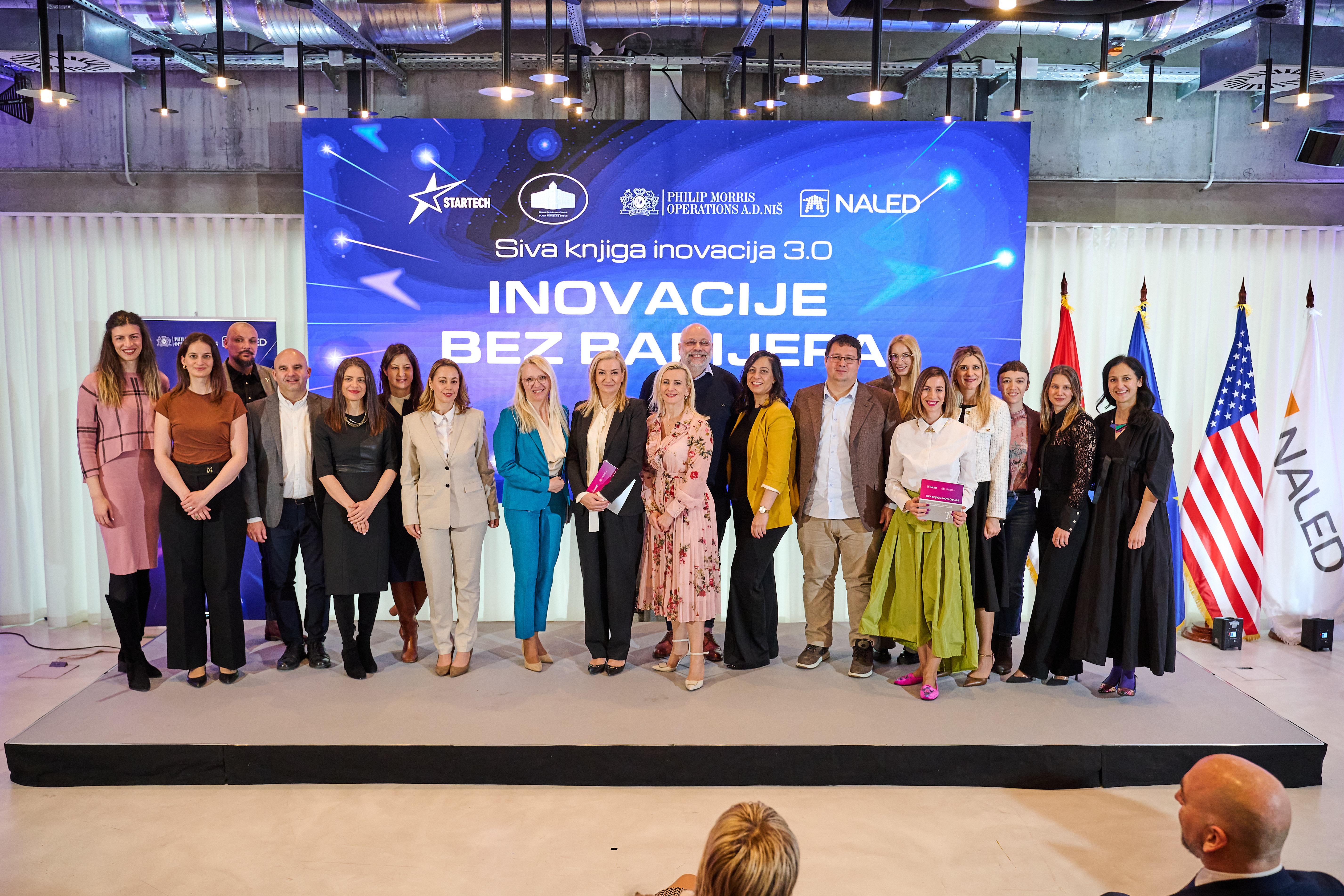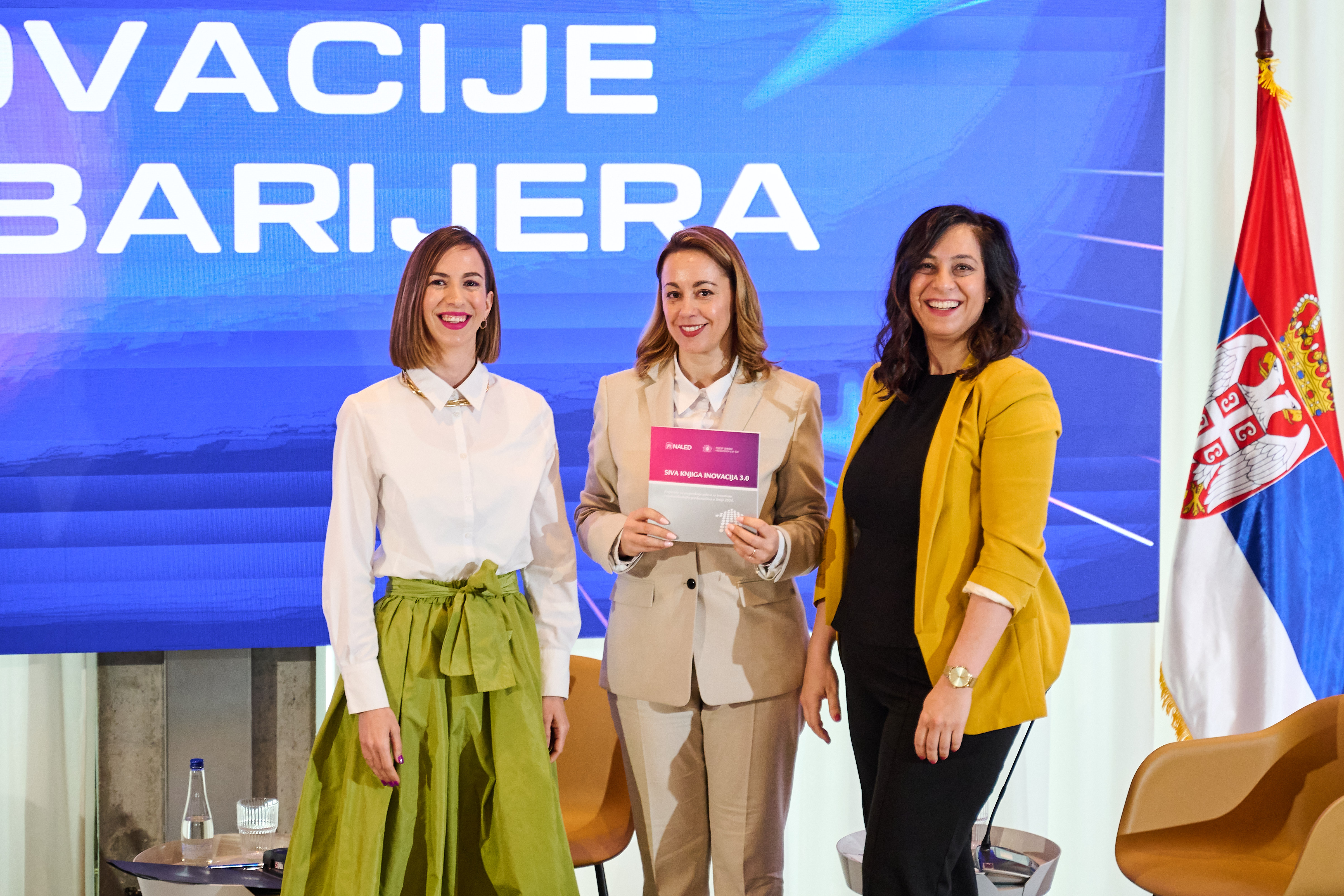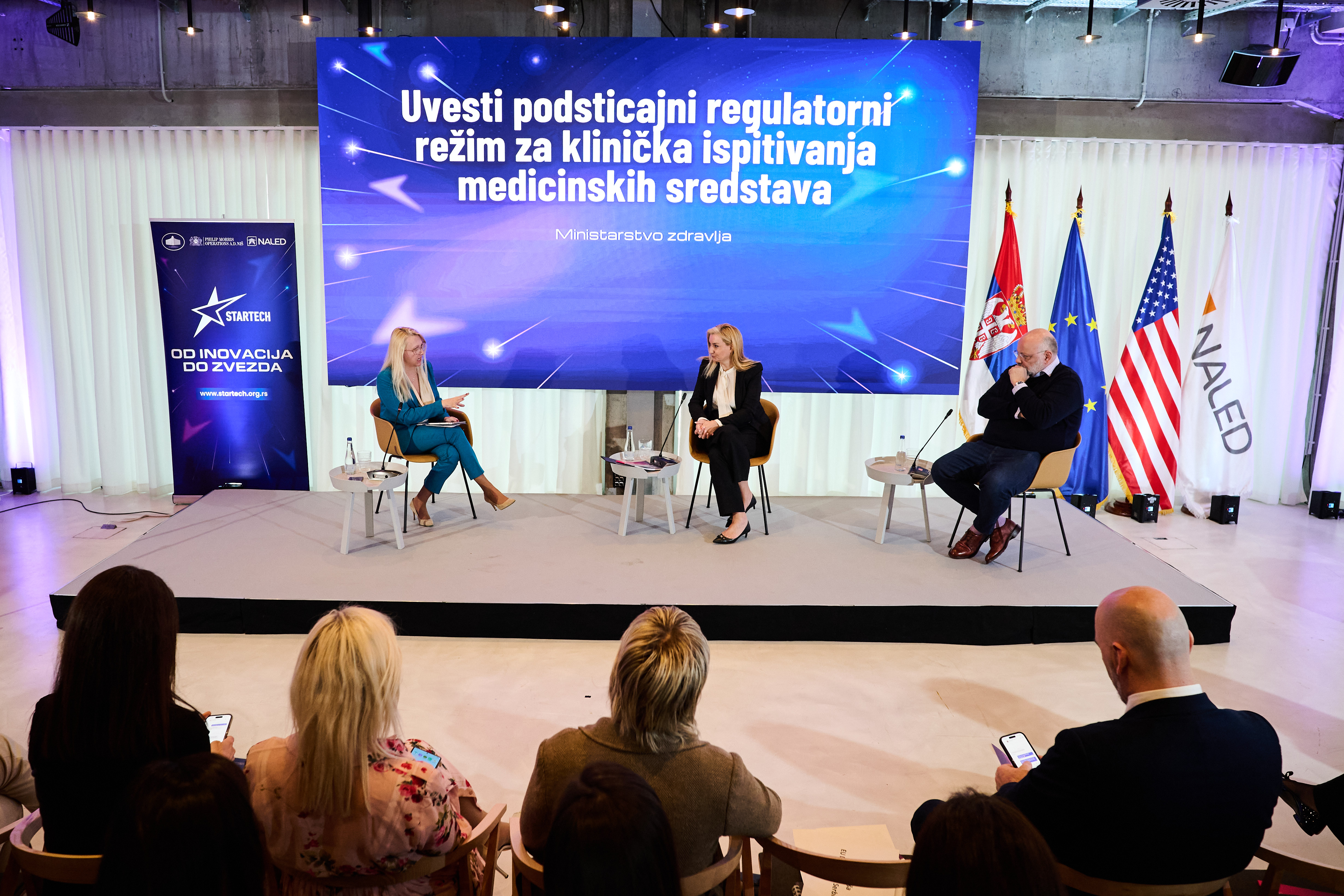
Grey Book of Innovations 3.0 Released – 45 Recommendations to Accelerate the Development of Startups and the Tech Economy in Serbia
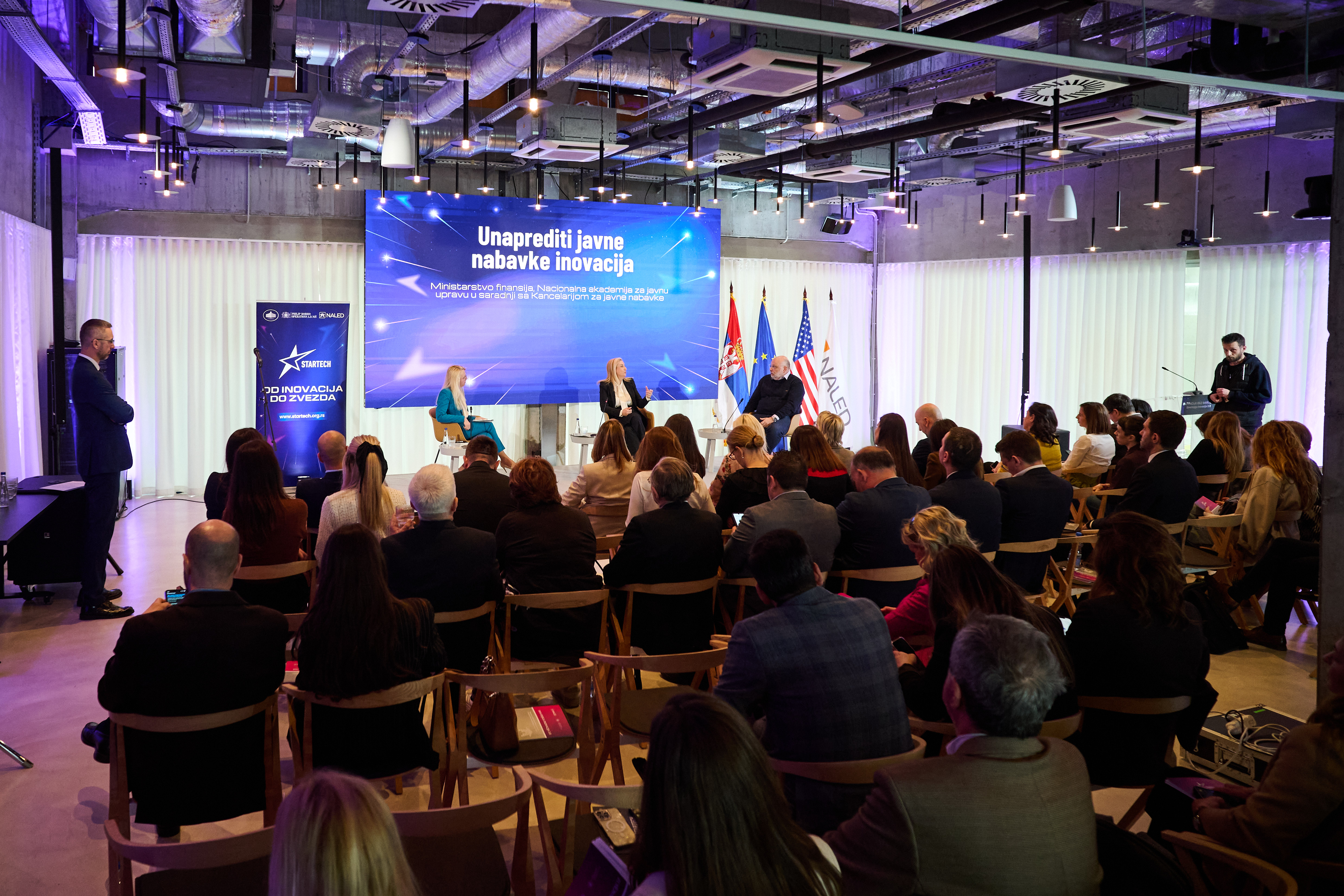
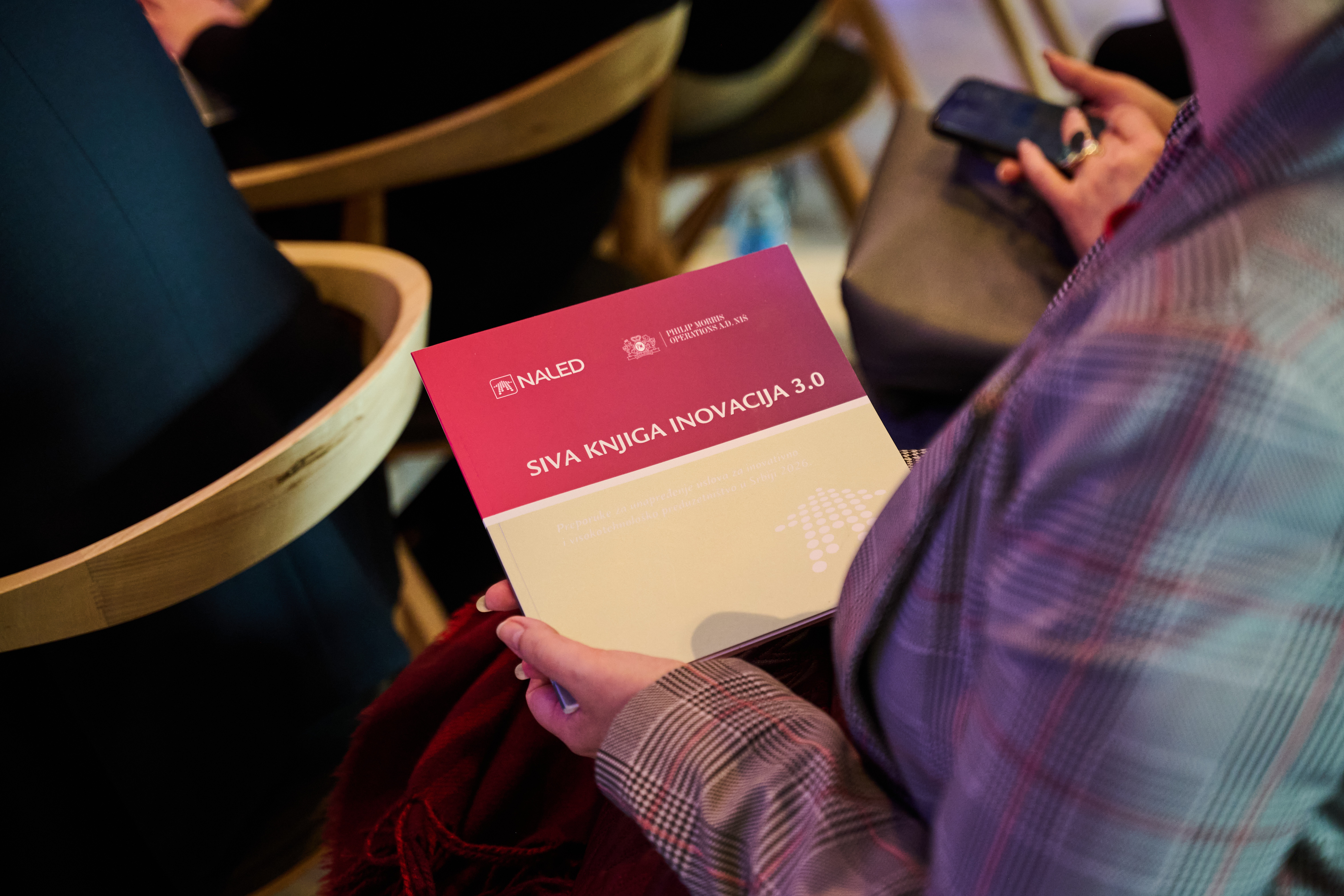
Establishing a legal framework for a regulatory sandbox, introducing innovation impact assessments and the application of artificial intelligence, harmonizing startup definitions, improving the tax treatment of digital assets, facilitating research and development, as well as enhancing the public procurement system for innovation and the reuse of public sector data are among the reform recommendations presented by NALED in the third edition of the Grey Book of Innovations, aimed at improving the conditions for the development of innovation-driven and high-tech entrepreneurship in Serbia.
The specialized publication was prepared within the StarTech program, implemented by NALED with the support of Philip Morris International. This edition features a total of 45 recommendations – 18 new and 27 improved, in line with market and regulatory developments. Among them are 13 recommendations marked with an “EU badge,” representing key priorities for alignment with European standards and further contributing to the acceleration of Serbia’s EU integration path.
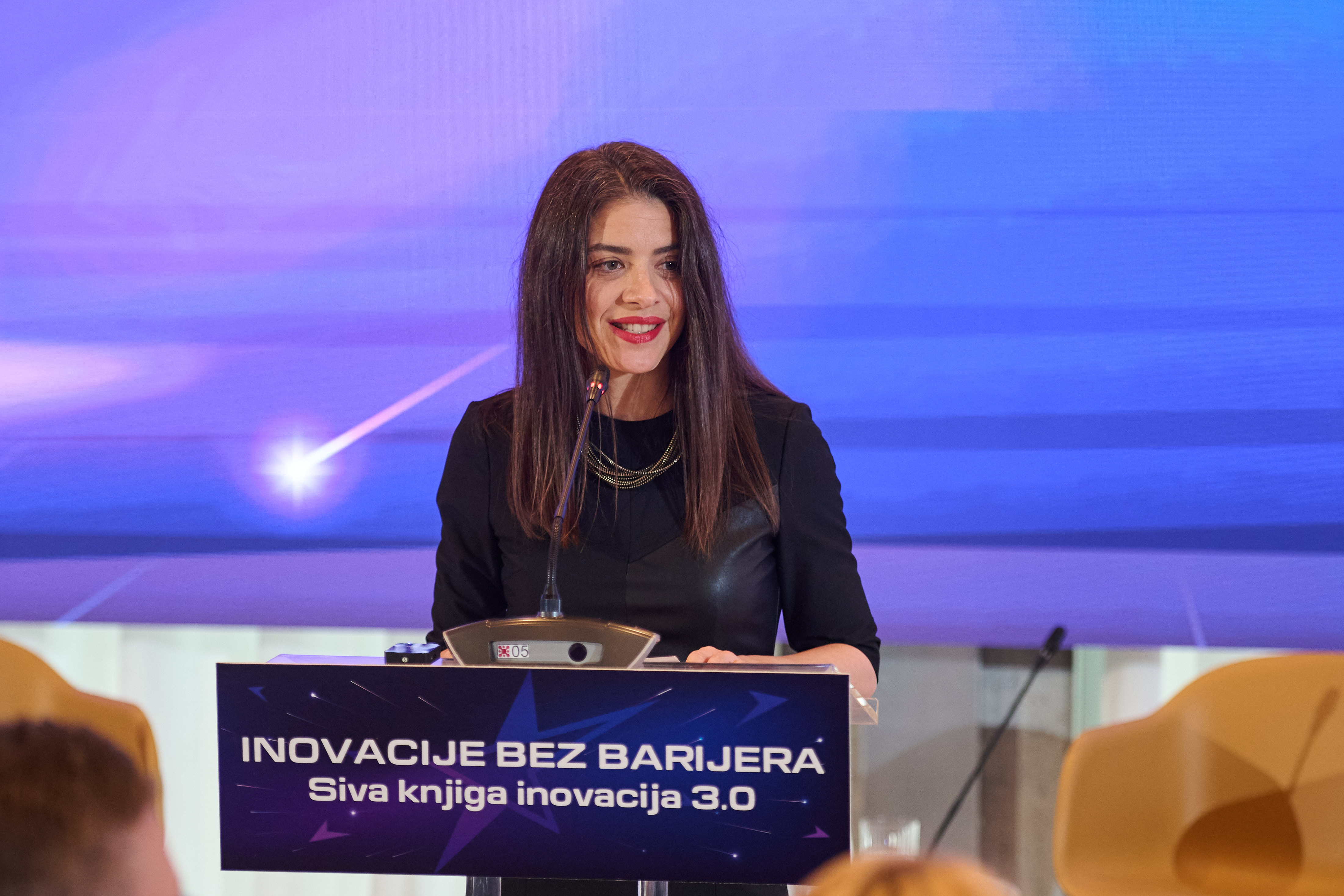
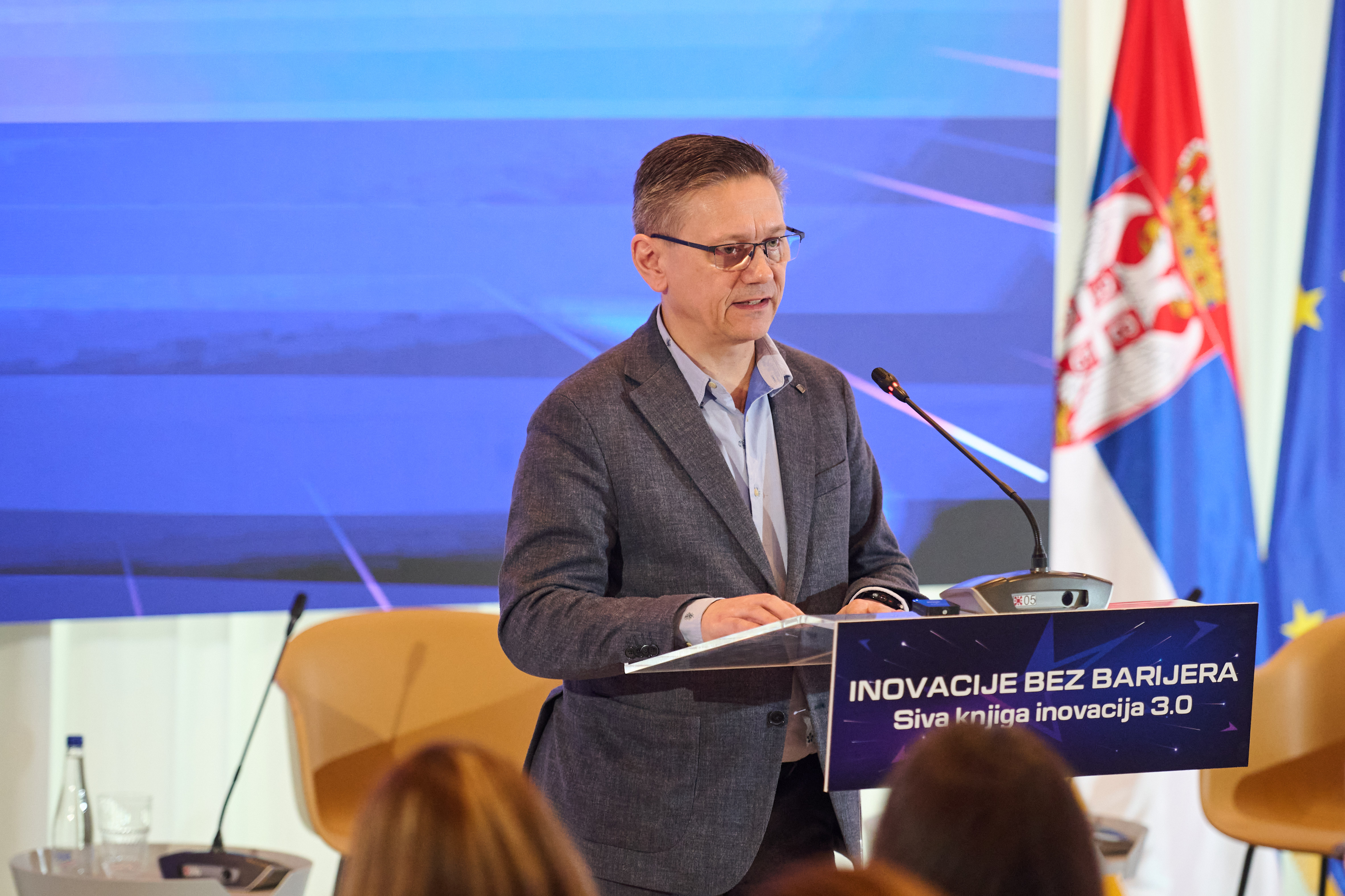
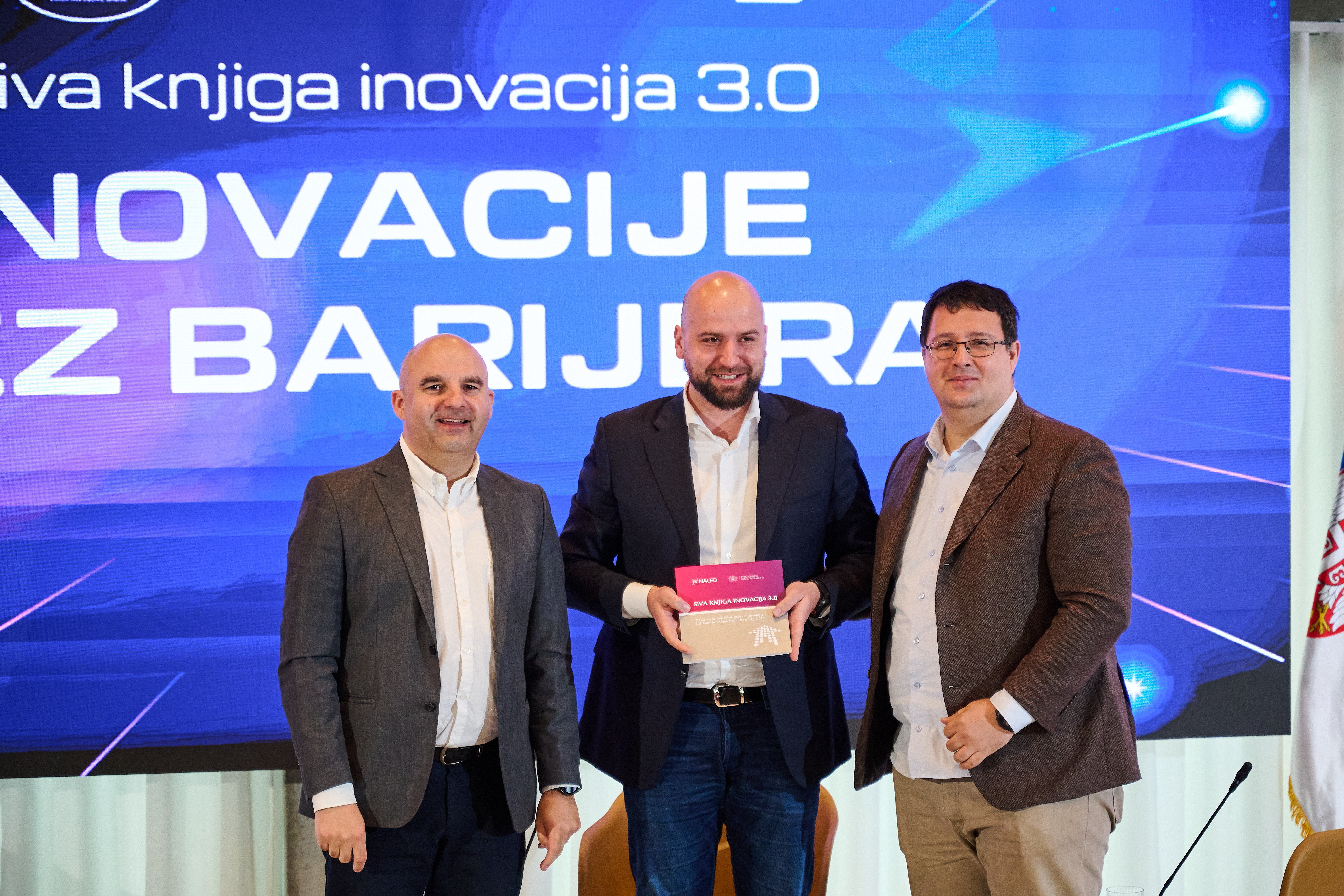
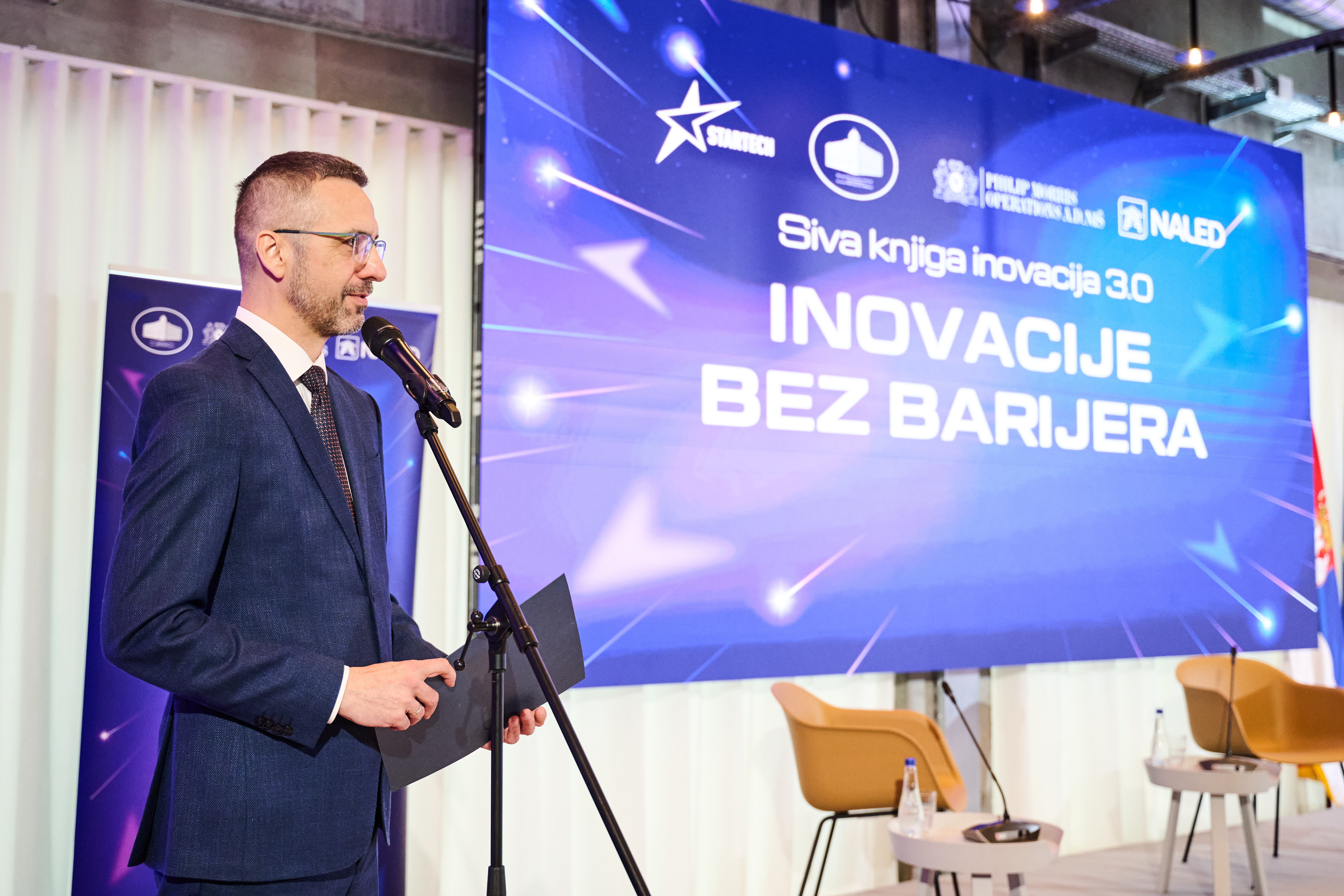
– The European Union will continue to actively support Serbia in the fields of innovation, technology transfer, science, and research in the coming years. EU grants exceeding €105 million in this area are driven by the same goal – to make Serbia’s economy more competitive at the European and global levels. Only a developed and competitive economy can ensure a better standard of living for all citizens. We see this as a way to support Serbia in its economic development and in strengthening both the EU’s and Serbia’s economies, as its future member – said Richard Maša, Head of Operations at the EU Delegation to Serbia, at the launch of the Grey Book of Innovations.
The Grey Book of Innovations provides relevant institutions with concrete guidelines for overcoming the barriers faced by innovators, including proposals for new tax incentives and benefits.
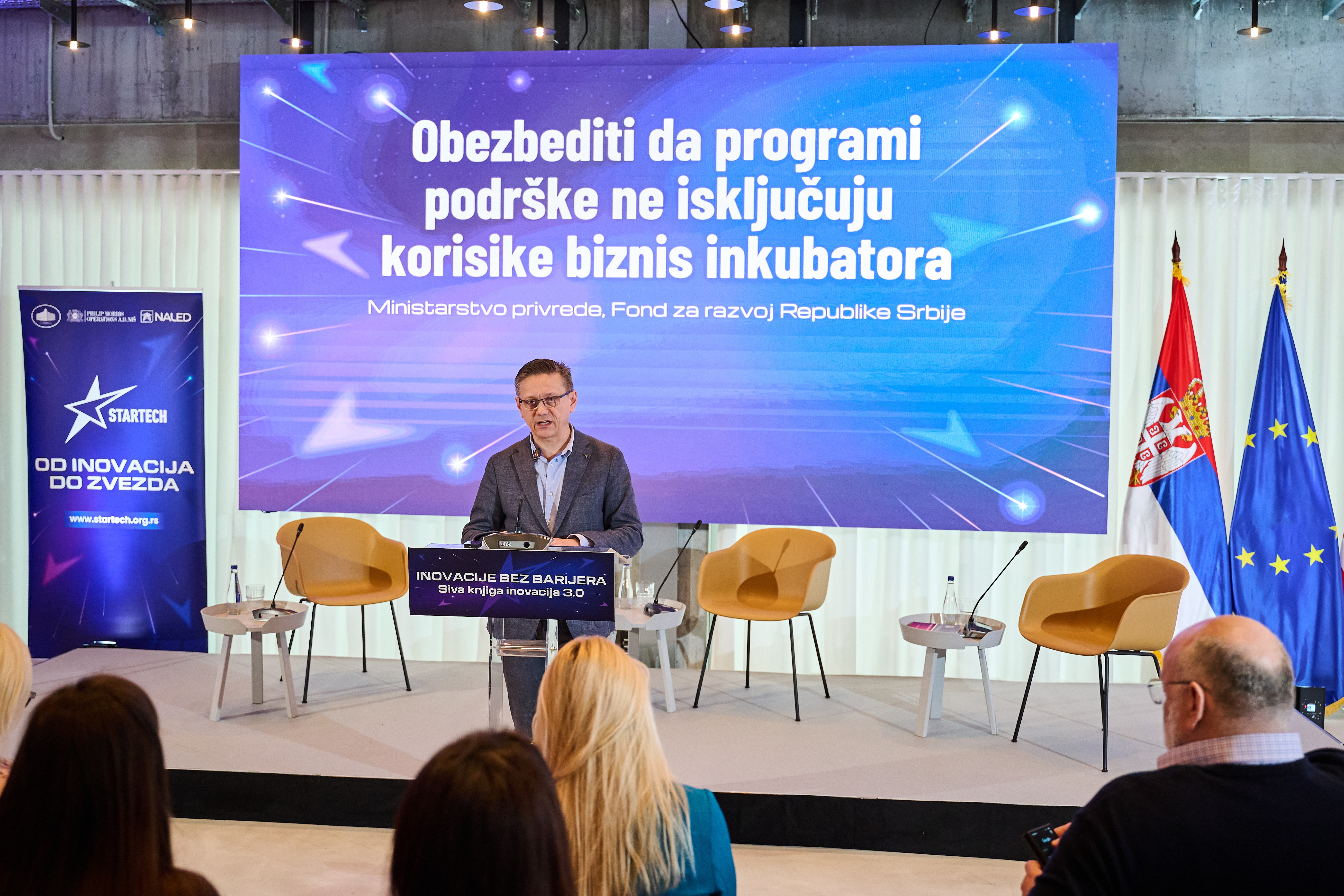
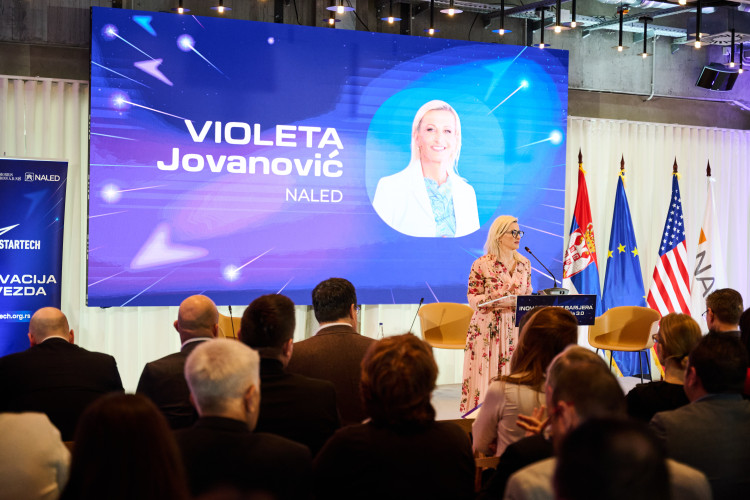
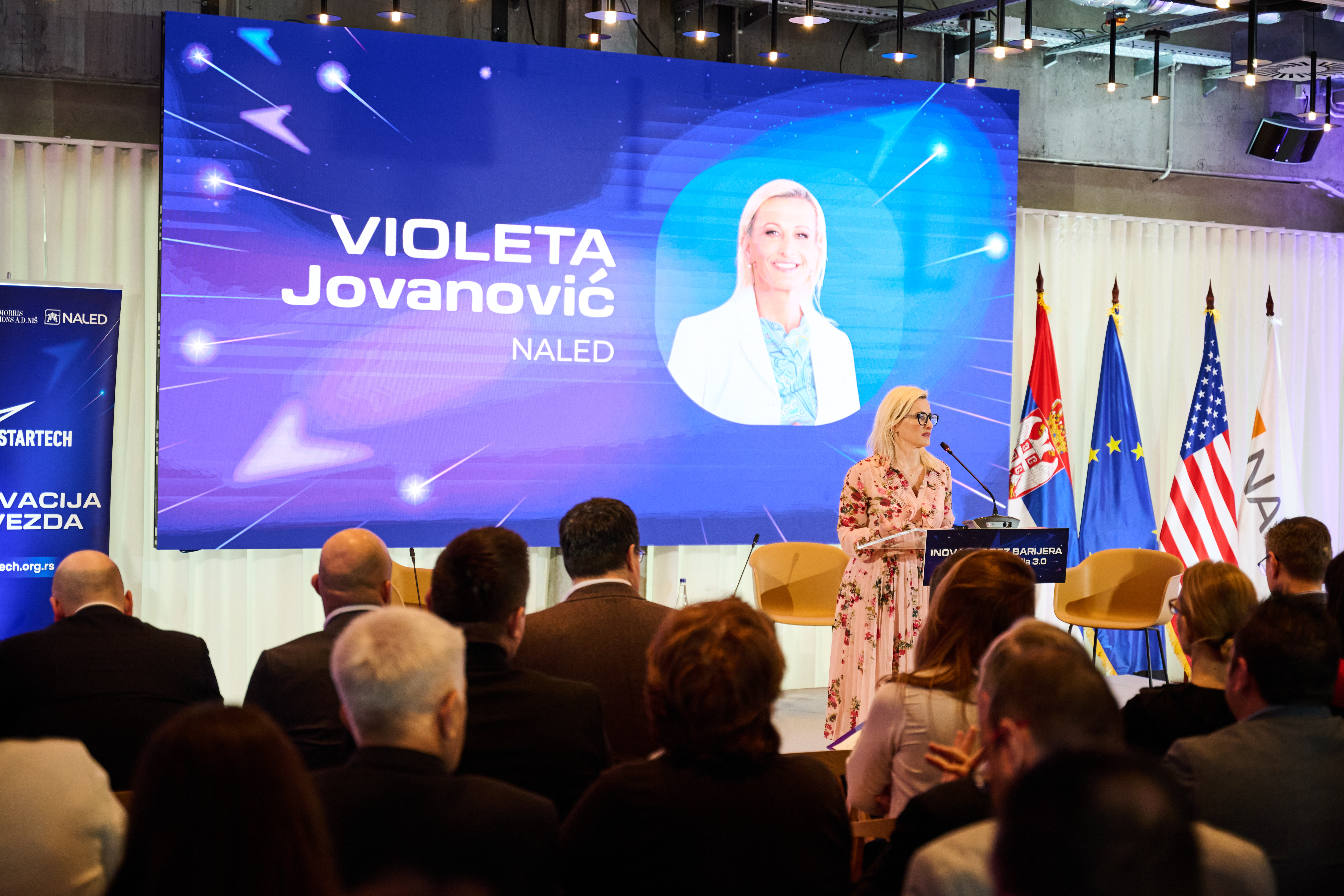
– Of the 45 recommendations from the previous edition of the Grey Book of Innovations, four have been partially resolved, while progress has been noted in the implementation of another six. One recommendation from the first edition – the establishment of a legal framework for the European Research Infrastructure Consortium in Serbia – has also been partially addressed. The Ministry of Science, Technological Development and Innovation has recorded the greatest progress, having published Guidelines for Industrial PhDs over the past year, upgraded the Open Research Infrastructure platform in terms of science-business cooperation (S2B) and connections between large and small enterprises (B2B), while more than 8,000 public officials have attended 140 trainings in the field of innovation – emphasized Violeta Jovanović, Executive Director of NALED.
She also announced that another long-standing recommendation is on track for implementation – the Draft Customs Law, currently under public consultation, предусматривает exemption from customs duties and VAT for samples imported for research and development purposes.
The Grey Book of Innovations also highlights one of the key systemic challenges for further development of Serbia’s innovation ecosystem – the low level of private sector investment, which still significantly lags behind leading European economies.
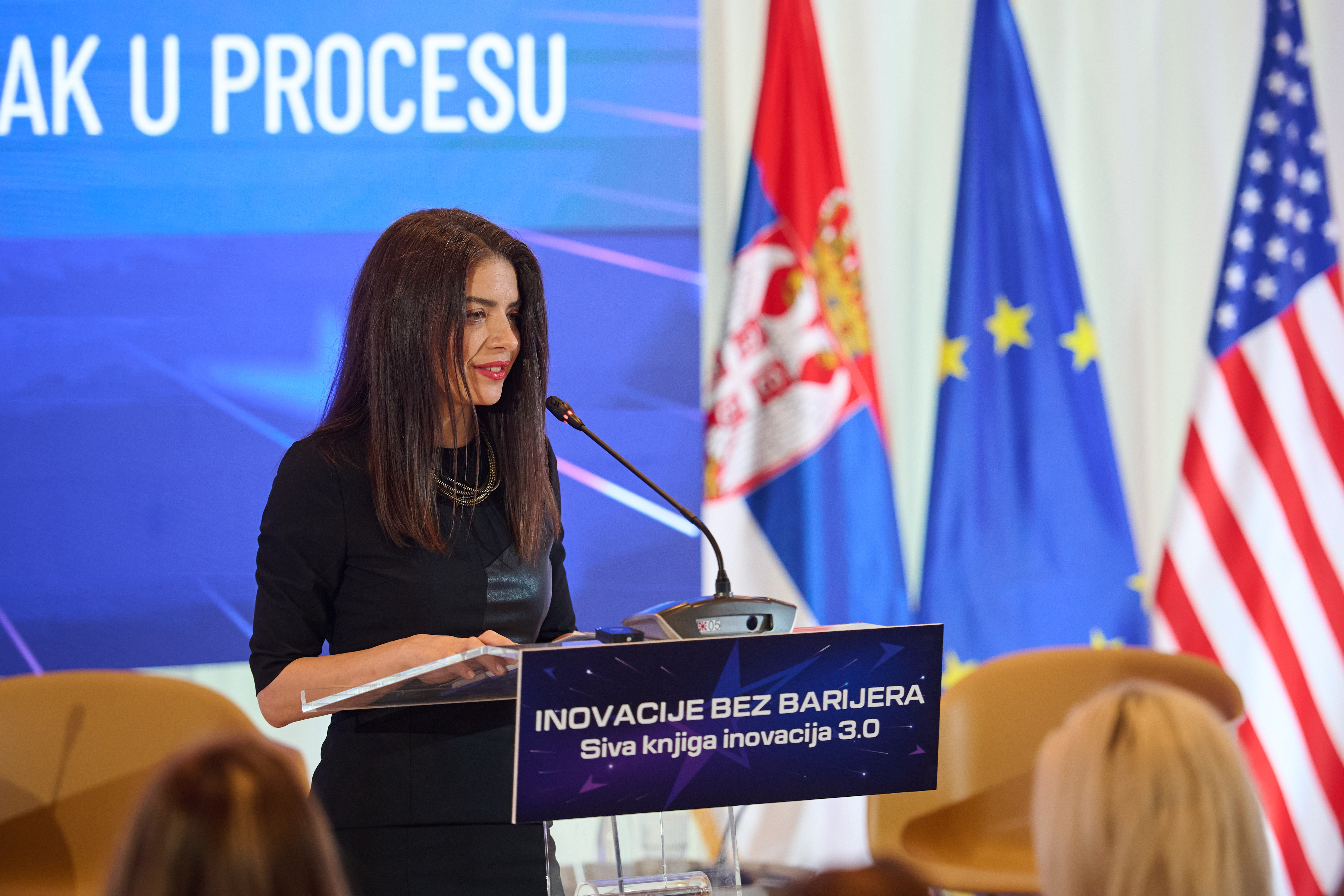
– This clearly shows that stronger incentives are needed to encourage companies to invest more in research and development. At Philip Morris, we are proud to set an example – first, because innovation lies at the core of our global business strategy, and second, because through projects such as StarTech, PMInnovia, and Empower Innovation, we actively contribute to the development of Serbia’s innovation ecosystem and its transition toward a knowledge-based economy – said Tamara Milovanović, General Manager for Southeast Europe at Philip Morris International, concluding that all activities within the StarTech program share a common goal: creating conditions in which innovations can emerge faster, be financed more efficiently, and reach the market more successfully.
– That is why we believe the Grey Book of Innovations is not just a document, but a call to action – to invest more, collaborate better, and think more boldly. The future of innovation in Serbia does not depend on a single stakeholder, but on all of us – Milovanović concluded.
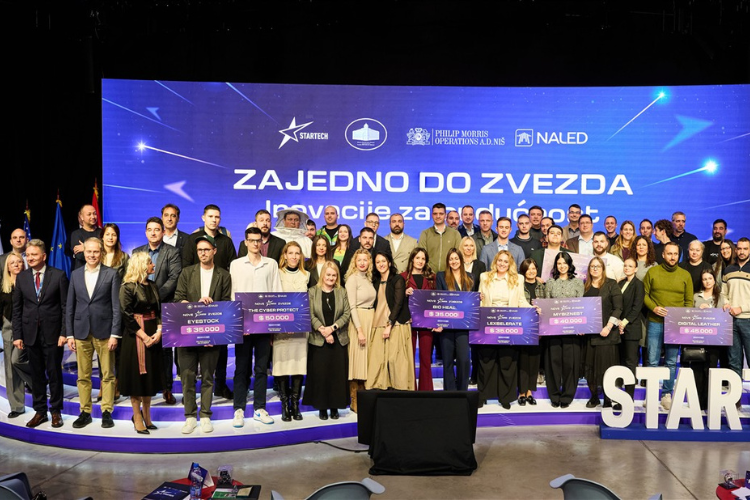
For reference, the $8 million StarTech project is implemented by NALED and Philip Morris International, with the support of the Government of the Republic of Serbia, with the aim of accelerating the digital transformation of the domestic economy and strengthening Serbia’s innovation potential.
Photos: iDook Media
Watch here video about Gray Book of Innovations: