Ministry of Environmental Protection and NALED Sign Cooperation Agreement
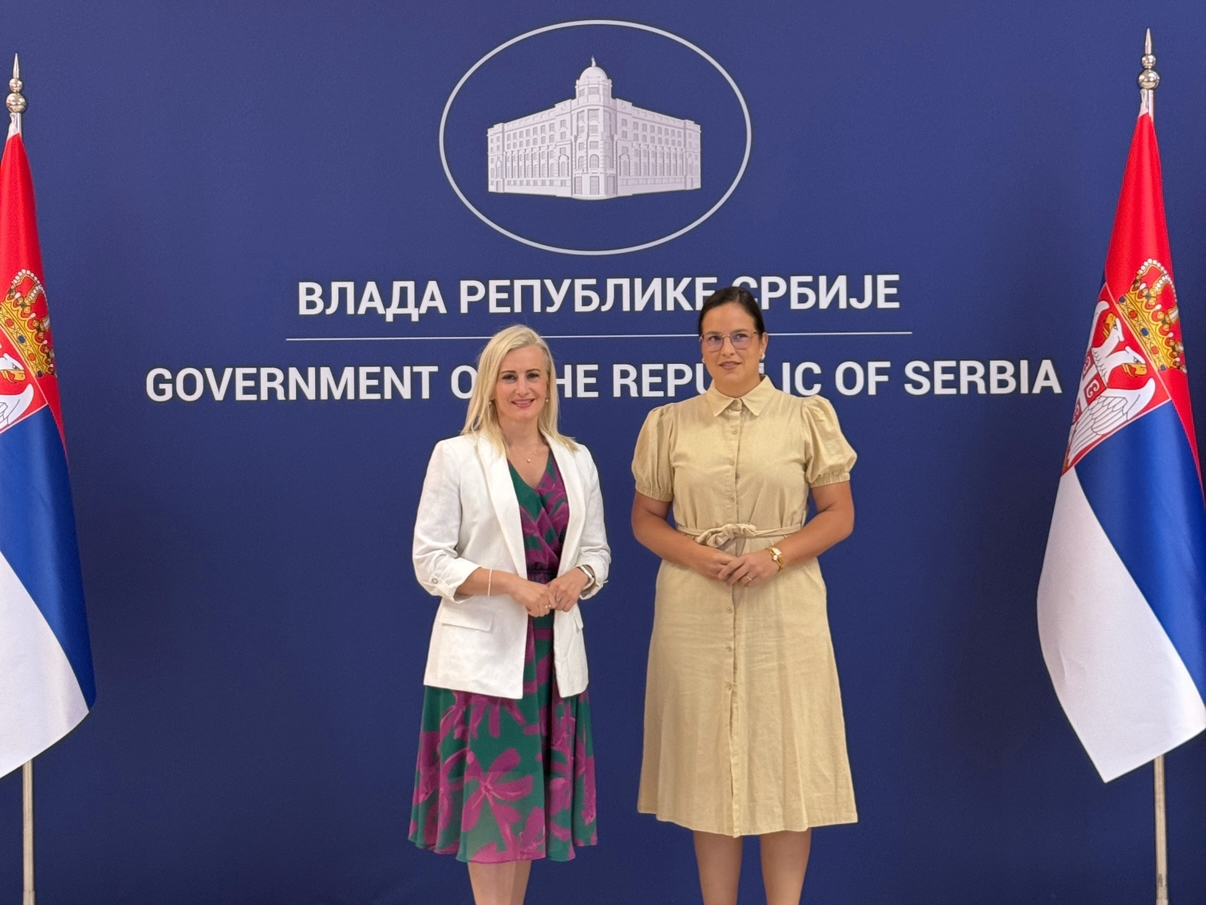
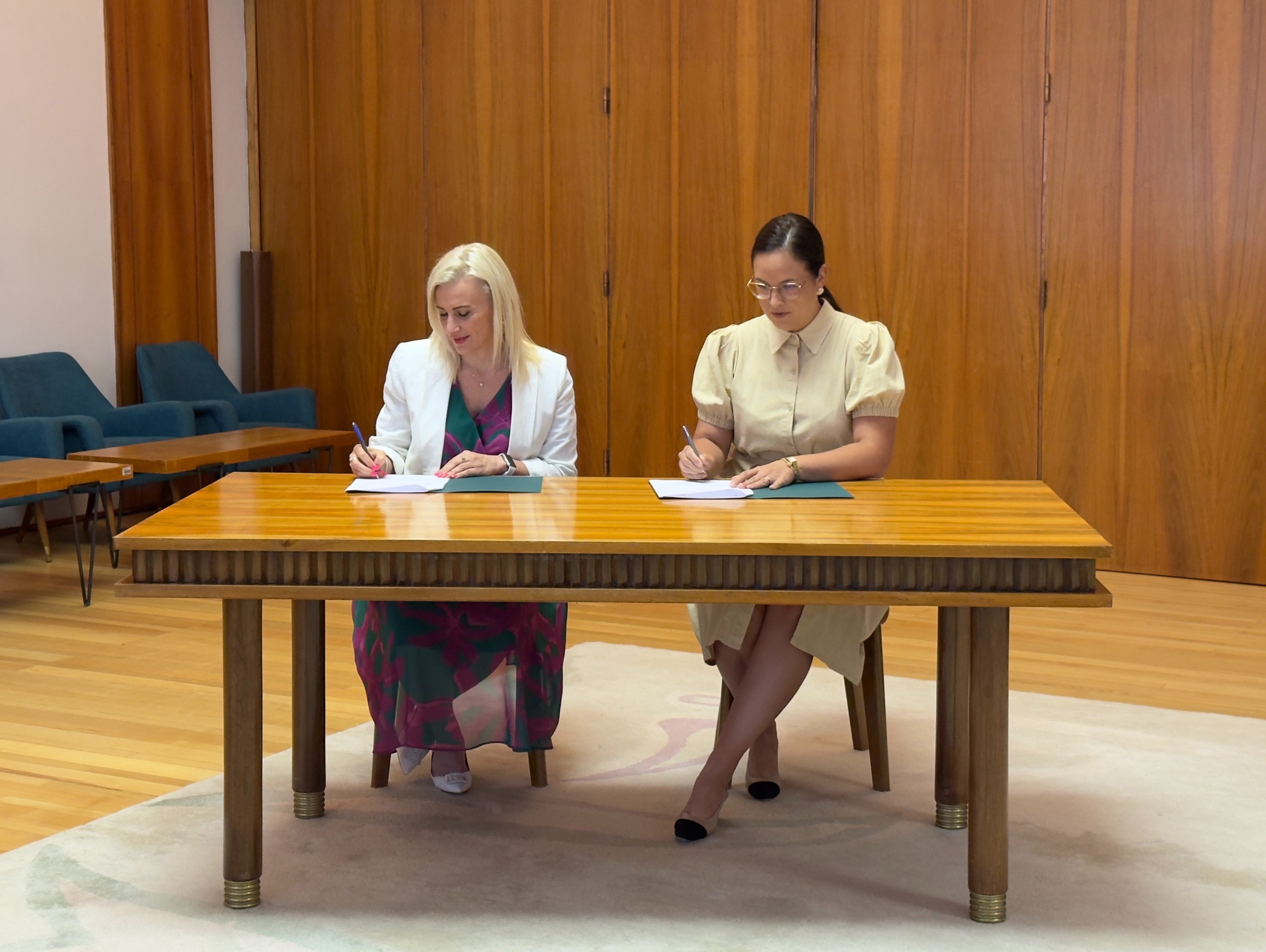
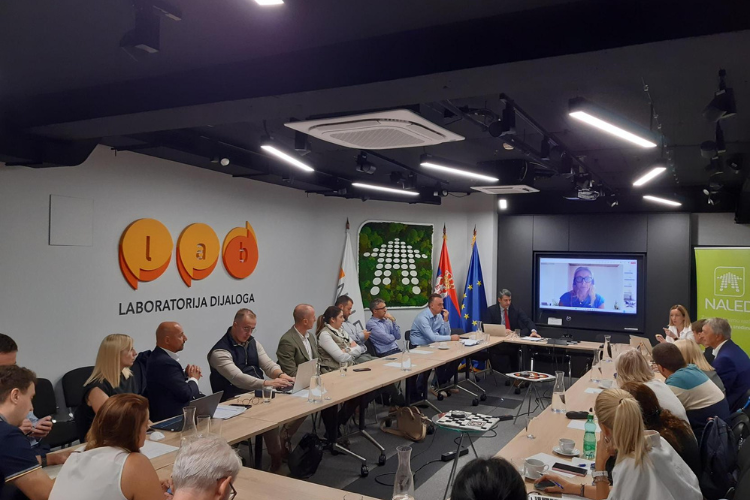
The Ministry of Environmental Protection and NALED signed a Cooperation Agreement today, establishing a framework for joint work on improving regulations and implementing projects focused on the management of various waste streams and the introduction of a deposit return system (DRS) for beverage packaging, as an important mechanism for increasing the collection and recycling rates of packaging waste.
The Agreement provides for the participation of NALED representatives in working groups and other advisory bodies established by the Ministry, coordination in the implementation of project activities led by NALED, as well as cooperation on the preparation and improvement of environmental regulations, and the development of studies, analyses, and other documents that may serve as a basis for public policy-making.
“The signing of this Agreement will contribute to improving the waste management system, accelerating the green transition, advancing the circular economy, and strengthening the capacities of local governments in Serbia. Only through joint efforts of the public, private, and civil sectors can we accelerate the changes that lead to a modern, efficient, and sustainable environmental protection system,” said Sara Pavkov, Minister of Environmental Protection.
In addition to packaging waste, through its cooperation with the Ministry, NALED will place special emphasis on regulating food waste streams and improving the management of end-of-life vehicles.
Through the project Improving the End-of-Life Vehicle Management System in Serbia, which NALED is implementing with the support of GIZ, it is planned to initiate a dialogue on the preparation of regulations that would introduce restrictions on the import of vehicles equipped with EURO 3 and EURO 4 standard engines, as well as define criteria for selecting local governments where regional collection centers for end-of-life vehicles could be established.
When it comes to food waste, NALED advocates the development of new models for the collection, treatment, and reuse of resources, given that biowaste accounts for approximately 40% of total municipal waste. On July 1, a new cross-border project, WAVE, also commenced. The project is being implemented by NALED with the support of the European Union and includes pilot activities for the collection of waste cooking oil and food waste management in the City of Šabac in Serbia and the Municipality of Otok in Croatia. NALED has invited the Ministry of Environmental Protection to appoint a representative who will monitor project activities and participate in the preparation of recommendations for improving the system.
“Through this Agreement, we aim to enhance and formalize our cooperation in building public-private dialogue for the purpose of developing efficient, sustainable, and practical solutions in the field of environmental protection. NALED remains committed to improving the waste management system, advancing the circular economy, digitalizing processes, and strengthening the capacities of local governments by supporting the Ministry in implementing reforms that will contribute to environmental protection and improve the quality of life of our citizens,” said Violeta Jovanović, Executive Director of NALED.
In addition, one of the potential joint initiatives relates to the improvement of urban greenery in the City of Belgrade, taking into account the number of residents, daily commuters, and visitors to the capital, as well as the importance of green spaces for air quality, climate resilience, and citizens’ quality of life.