The Lack of Skilled Labor as One of the Key Challenges for the Economy
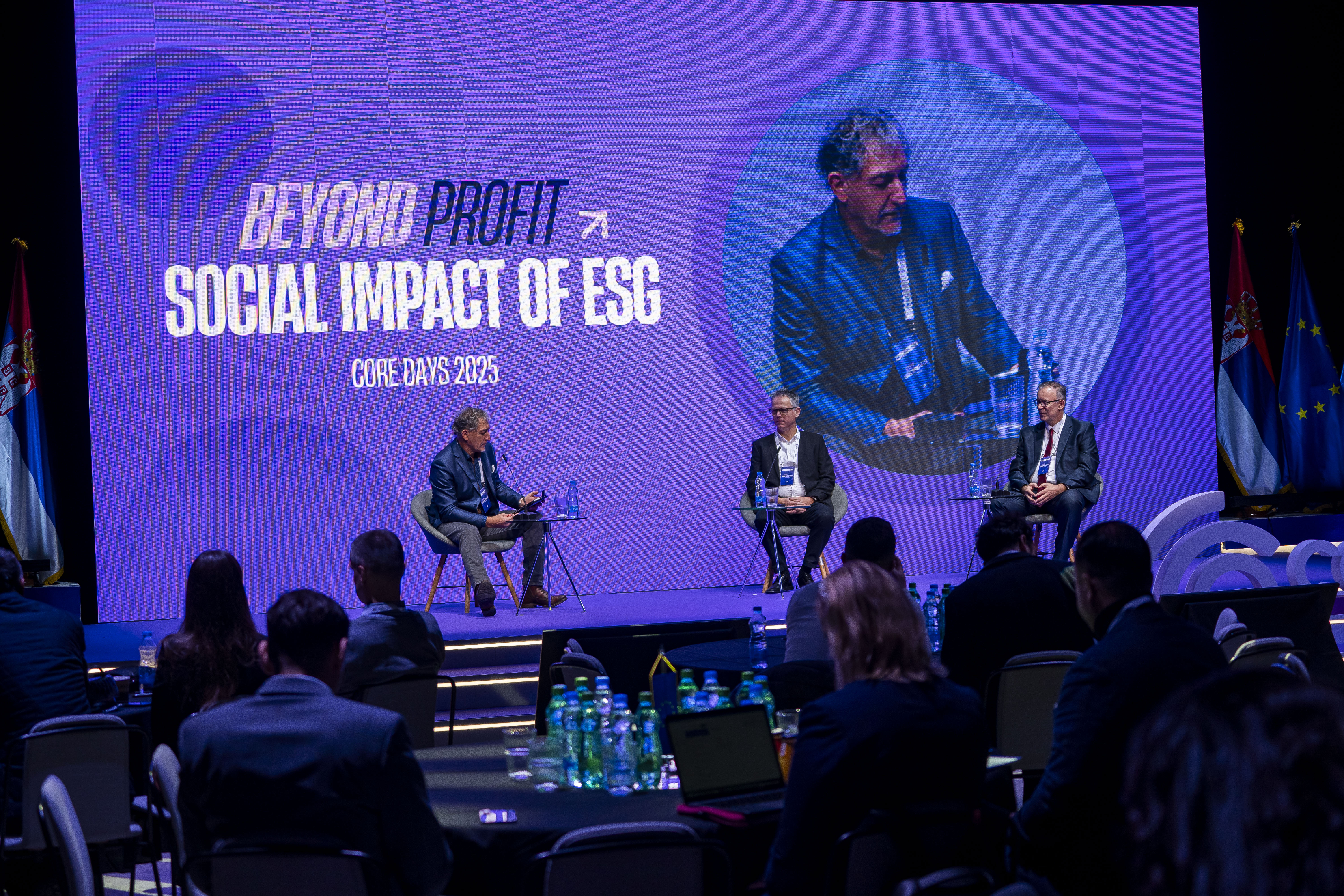
Countries in the region and the EU will, in the coming years, face the same struggle for skilled labor, increasingly fierce competition, and the necessity to improve working conditions in order to retain and attract workers. This was the key conclusion of the discussion “From policy to action: Making the ‘S’ in the ESG Work” held within the Core Days conference.
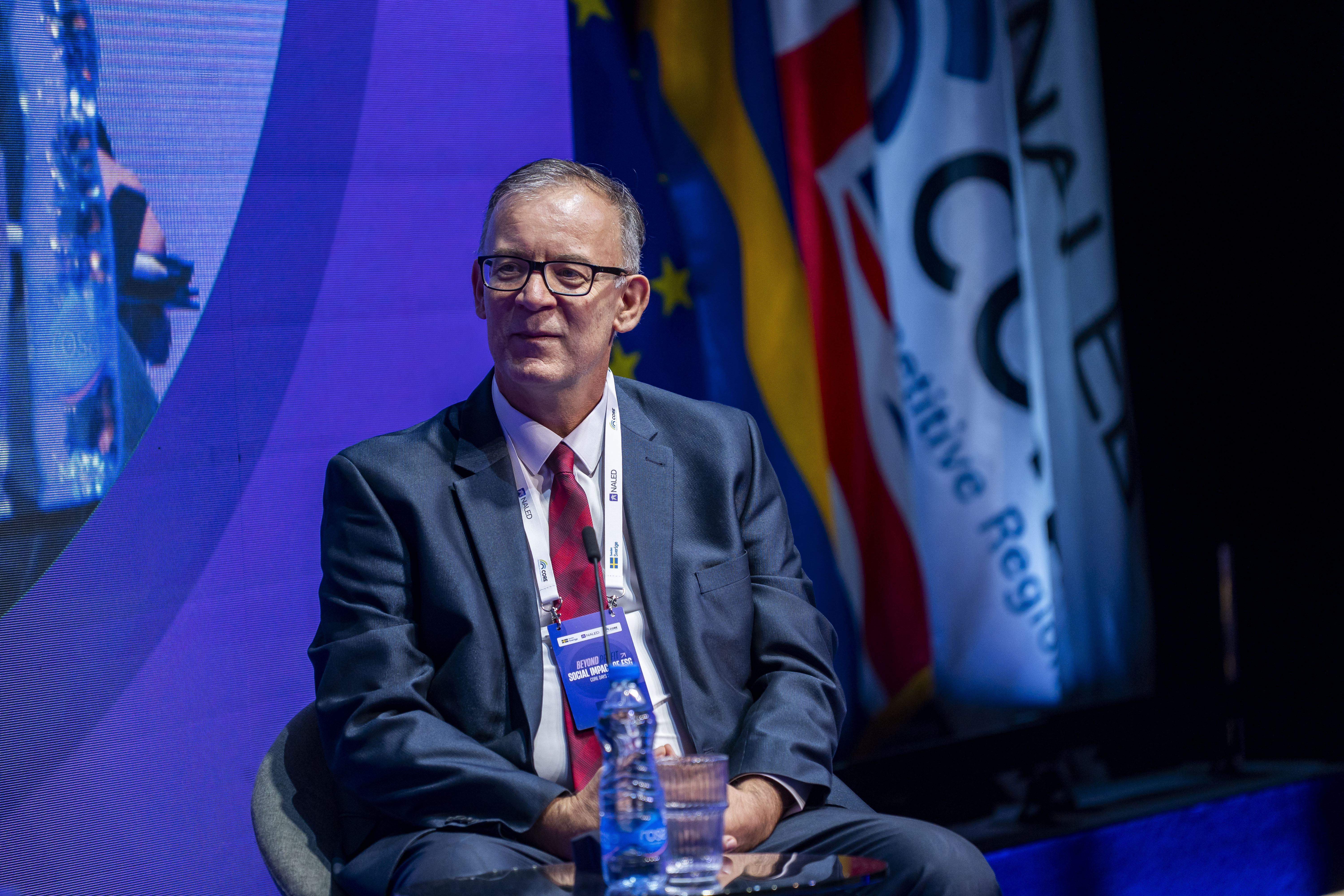
Robert Komaromi, Labor Market Policy Expert at the European Labour Authority, presented the latest findings from the institution’s report on occupations in shortage across all EU member states - welders, caregivers, cooks, construction workers, electricians, truck drivers, and metallurgy workers.
“Across Europe today, we are searching for the same workers. Shortages are similar in Serbia, Slovenia, Sweden, and most other EU countries. If you want to attract a worker from another country, you must ensure adequate living conditions — housing, access to schools, kindergartens, and everything that affects the quality of life for their family. These are the key elements in deciding whether someone becomes a mobile worker,” Komaromi stated.
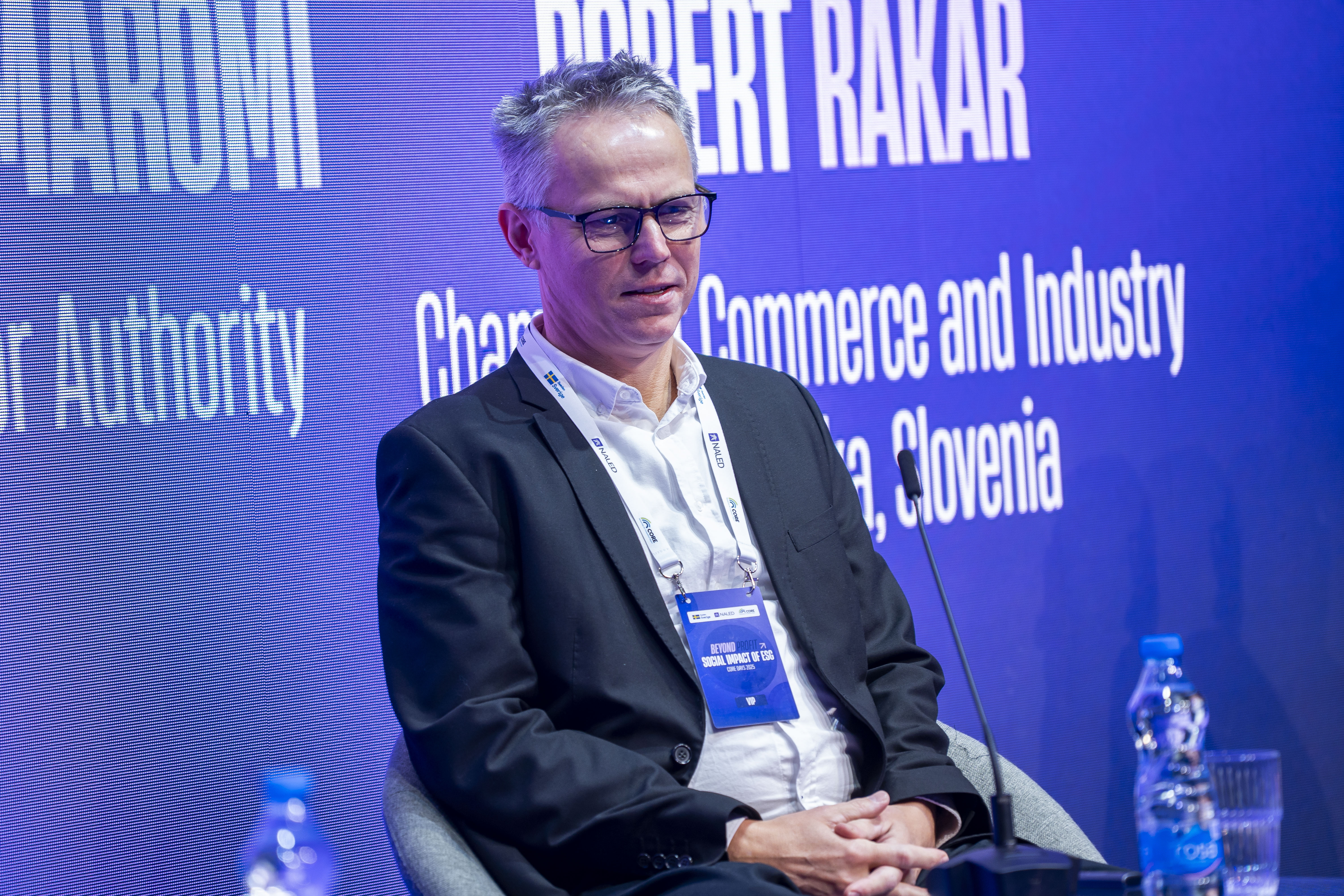
Robert Rakar, Director General of the Primorska Chamber of Commerce of Slovenia, presented the challenges facing the Slovenian economy, particularly in tourism and industry, where many workers have shifted to better-paid sectors or left for other EU countries.
“In Slovenia today, 15% of the workforce consists of foreign workers. Out of one million employees, 150,000 come from other countries. They have the same conditions as Slovenians, because every employee matters,” said Rakar.
He also described the emerging competition within the European Union, where workers from Serbia, Bosnia and Herzegovina, and North Macedonia often work in Slovenia for only a few months before moving on to Germany for better salaries and living conditions.
“We offer conditions within our capabilities, but if we offer €3,000 and Germany offers €7,000, it is clear why people leave. However, it’s not just the salary — housing costs, access to services, and overall living standards are crucial,” he added.
At the EU level, there are currently about 10 million mobile workers, most of whom come from Romania, Poland, and Italy. Companies are increasingly seeking workers from outside the EU to compensate for labor market shortages.
Komaromi presented a new initiative of the European Commission — the EU Talent Pool, a platform connecting workers from third countries with European employers, as well as the EURES network, which currently lists 3.9 million job vacancies across Europe. According to him, the goal is to accelerate the matching of workers and companies, while also strengthening cross-border cooperation in the formal recognition of diplomas and qualifications.
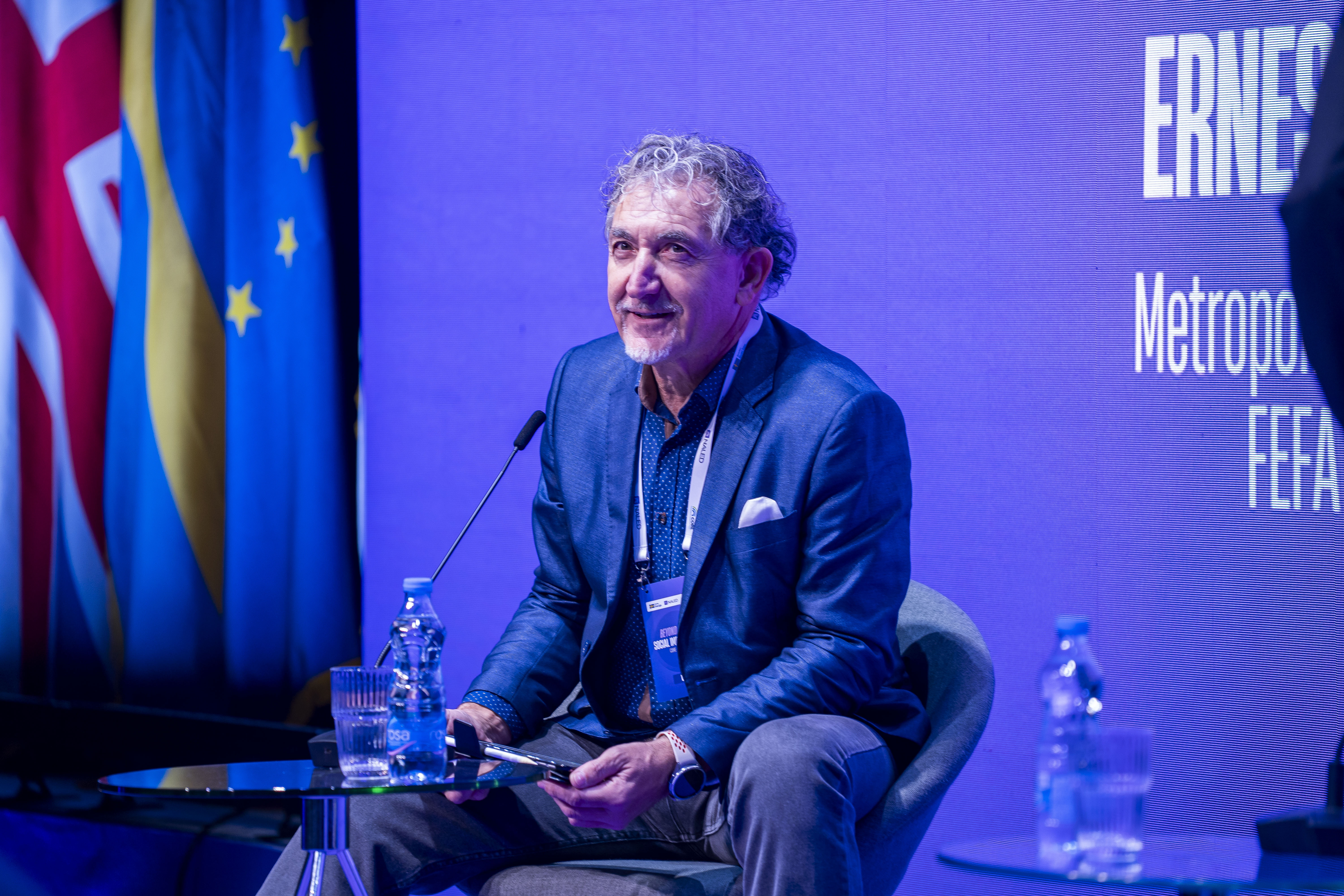
Ernest Vlačić, PhD, professor at FEFA and panel moderator, noted that he often cites Slovenia in his lectures as an excellent example of a country implementing ESG principles in tourism and promoting green tourism.
“There is a widespread belief that small enterprises will not engage in ESG, but the truth is they will, because they are part of the supply chains of large companies. All companies will be involved, regardless of their size,” Rakar concluded.