Serbia and Croatia Develop a Joint Platform for Food Donations and Food Waste Management
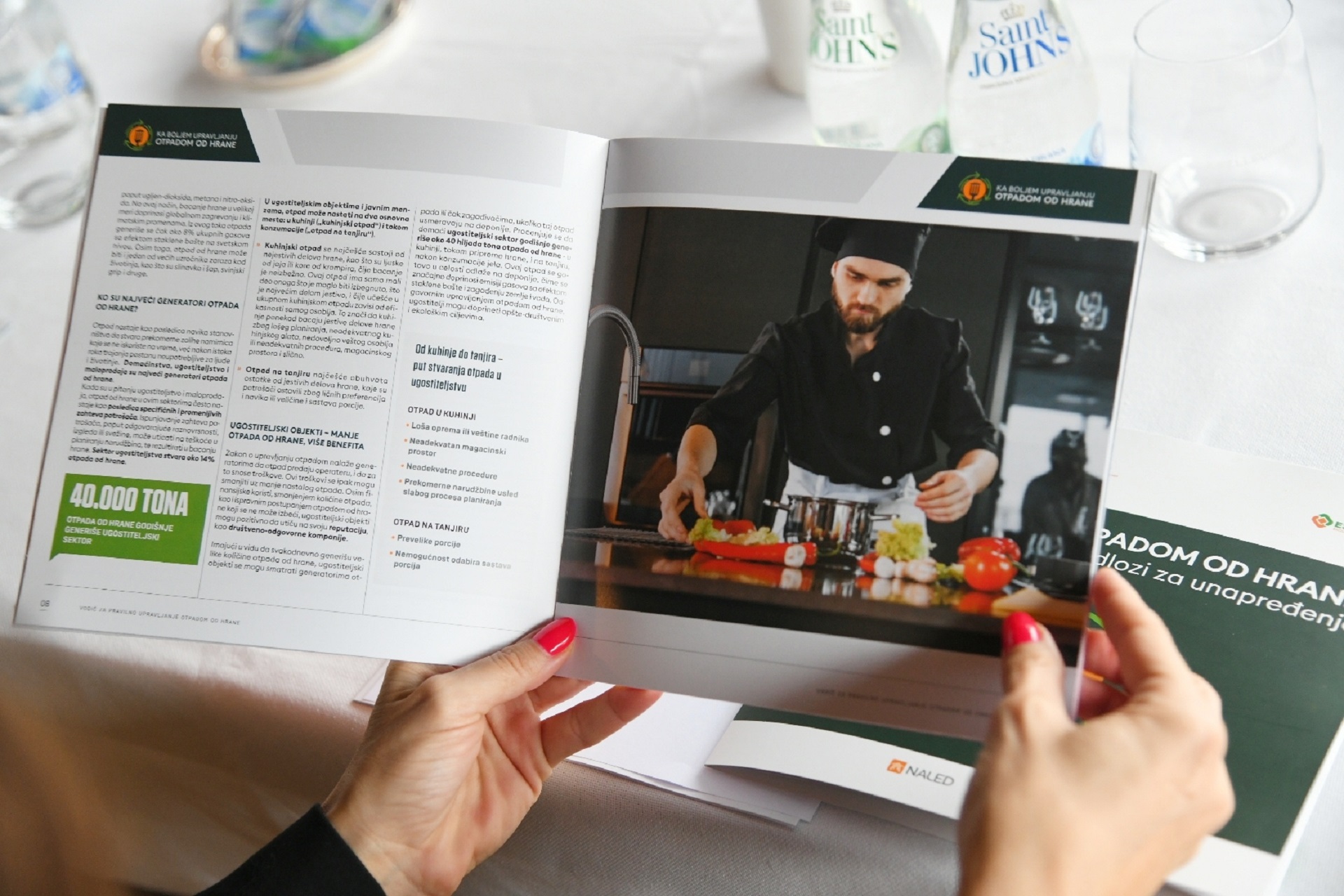
Around 3.18 million tonnes of municipal waste are generated annually in Serbia, while Croatia produces approximately 1.7 million tonnes. A significant share of this waste consists of garden and other biodegradable materials, including food surpluses and food waste. Part of these food surpluses remains safe for human consumption and can be donated, while the remaining waste can be utilized for energy production.
This is the objective of the cross-border project “Waste and Food Residues to Alternative Value for Energy – WAVE”, implemented by NALED in partnership with the City of Šabac and the Serbian organization Foodscale, as well as the City of Otok and the EU Centre from Croatia.
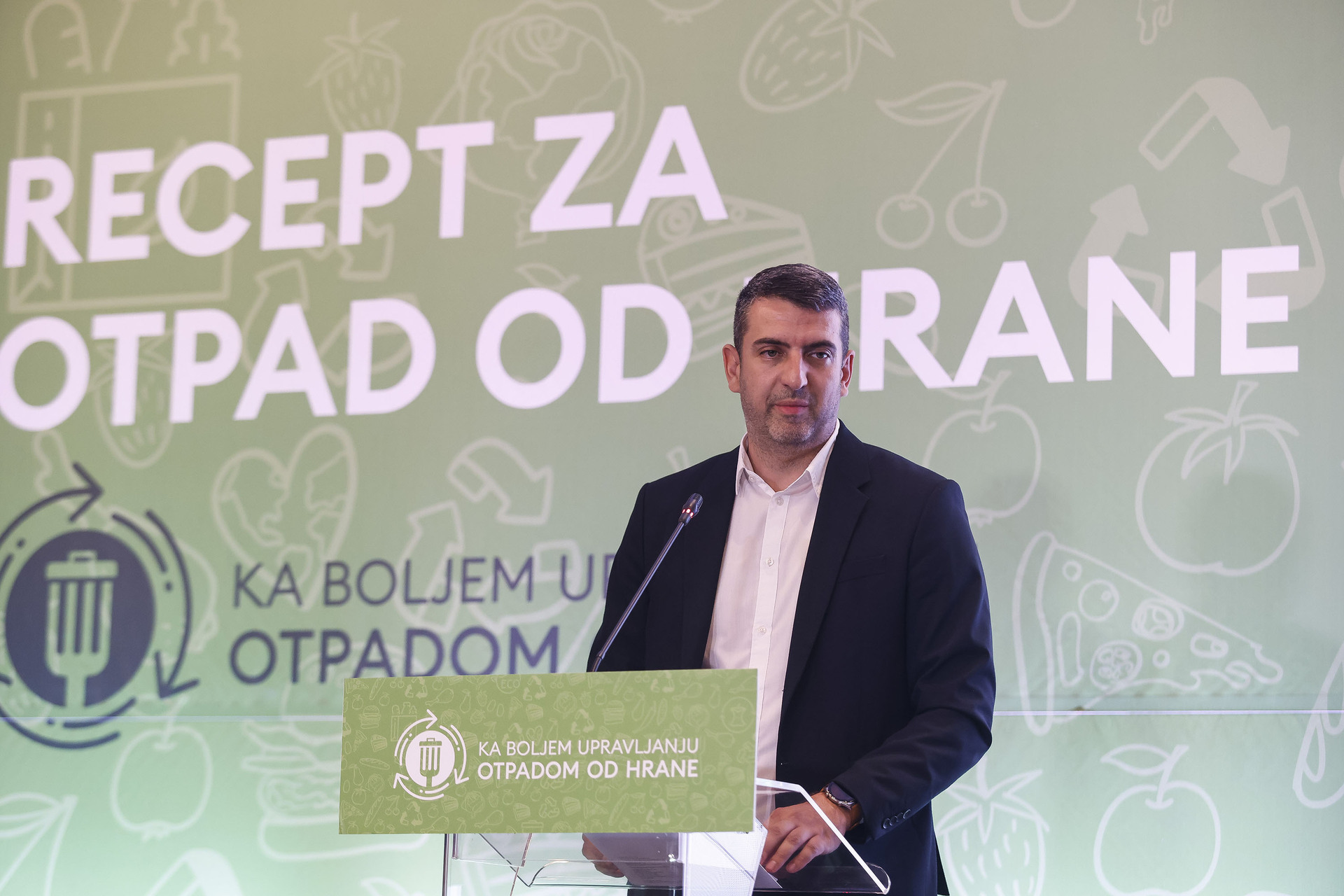
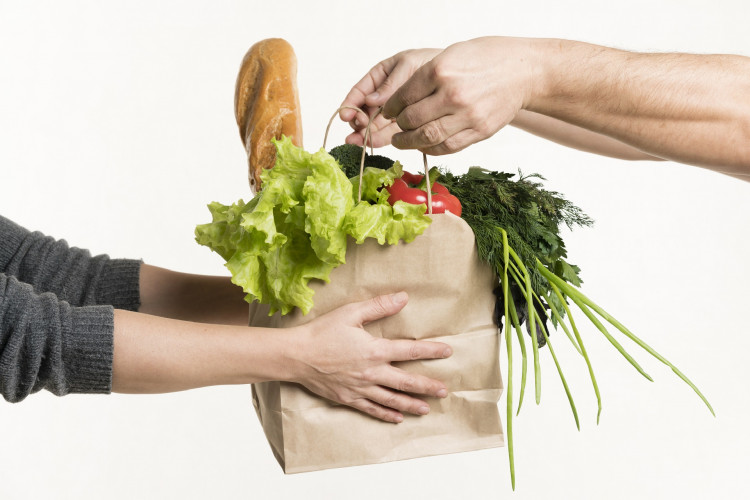
“Within the project, we will fully pilot this system in the City of Šabac, with the aim of creating a platform that will initially be used for donating food surpluses as the first step in preventing waste generation. This will be followed by the systematic collection of waste from agriculture, the HoReCa sector, and households. We have information that amendments to the VAT Law may introduce the long-awaited change whereby food donations will be exempt from VAT, which would encourage both retailers and food producers to increase donations to those who need them most,” said Slobodan Krstović, Director for Sustainable Development at NALED.
One of the project’s first outputs will be the preparation of baseline studies to identify key stakeholders, waste producers, and their capacities to participate in pilot activities. Based on the collected data, joint models and solutions for managing food surpluses and food waste will be developed. These could later serve as examples of good practice and as a foundation for sustainable business models.
Project activities are organized into two work packages. The first will focus on designing and piloting optimal solutions for the use of food waste and renewable energy sources. The second work package will cover the enhancement and implementation of a digital platform for managing food surpluses and food waste, as well as its integration with solutions developed and tested throughout the project.
The digital platform is expected to enable more efficient connections between entities with food surpluses and organizations and institutions capable of collecting and distributing them to the most vulnerable citizens. At the same time, the platform will contribute to better organization of waste collection for food that can no longer be used for consumption and its redirection toward further processing and energy generation.
An important component of the project will be informing and educating local communities. Through awareness-raising campaigns, the promotion of good practices, and direct participation in pilot activities, citizens will have the opportunity to learn how their everyday actions can contribute to waste reduction, more efficient use of resources, and the adoption of energy-efficient solutions.
The cross-border cooperation between Šabac and Otok will facilitate the exchange of experiences and the joint testing of new approaches in the fields of renewable energy and the circular economy. The ultimate goal of the WAVE project is to create sustainable, participatory, and more resilient communities that make better use of local resources, reduce the amount of waste sent to landfills, and provide their residents with a healthier and higher-quality living environment.