More than 800 children participated in the “Health Classroom”
Every tenth child has no physical activity during the week, while 59% of boys and girls aged 7 to 10 eat breakfast regularly. Every second child eats fruit daily, every third eats vegetables, and two thirds of children have meals with their families every day, according to the results of anonymous surveys conducted among primary school students in lower grades as part of the “Health Classroom” project.
The project was implemented with the aim of encouraging healthy eating habits and physical activity among children of younger school age. It was carried out by the Serbian School Sports Federation and NALED, with expert involvement of the Institute of Public Health of Serbia “Dr Milan Jovanović Batut” in the development and delivery of educational content on proper nutrition, and with the support of Novo Nordisk.
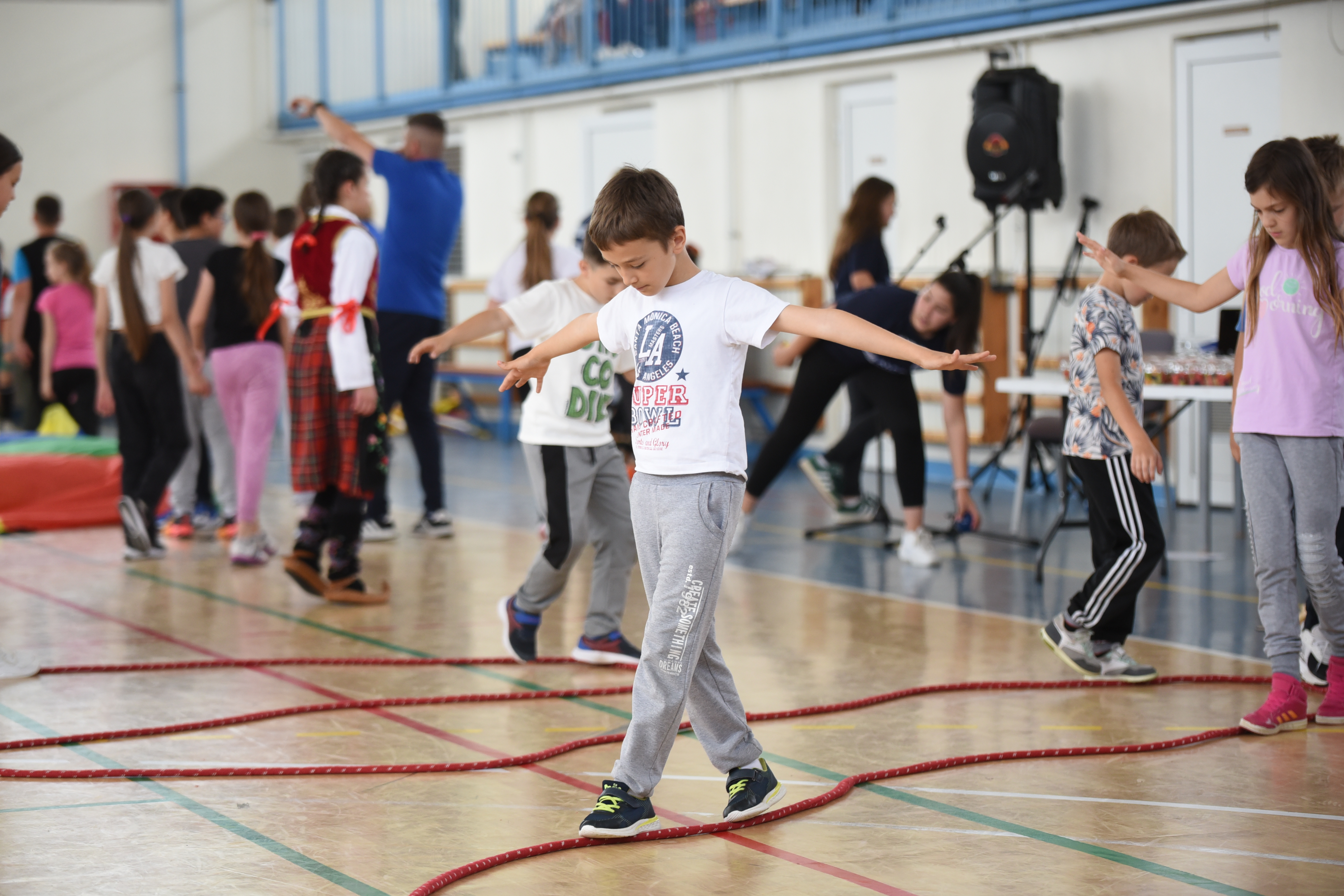
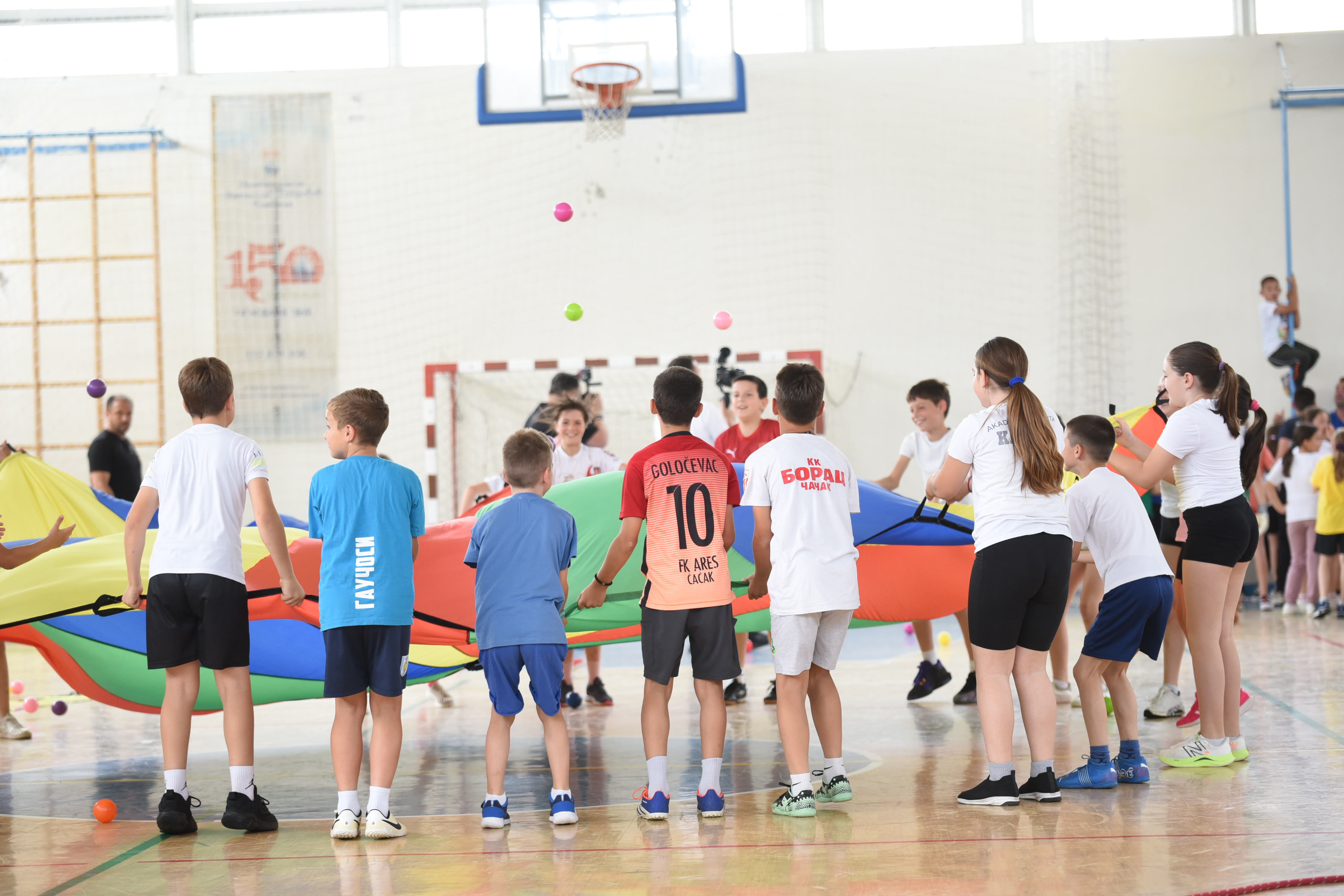
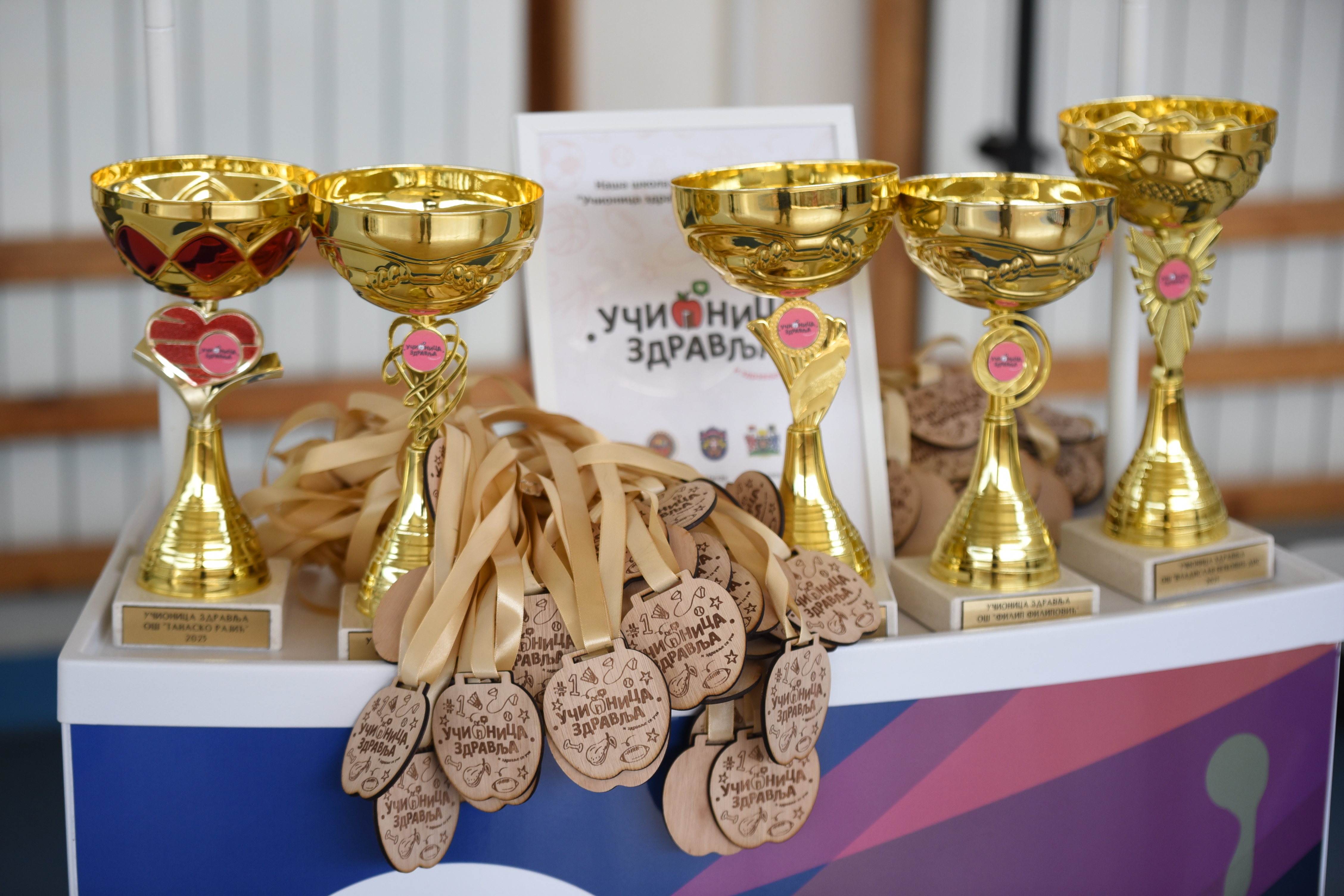
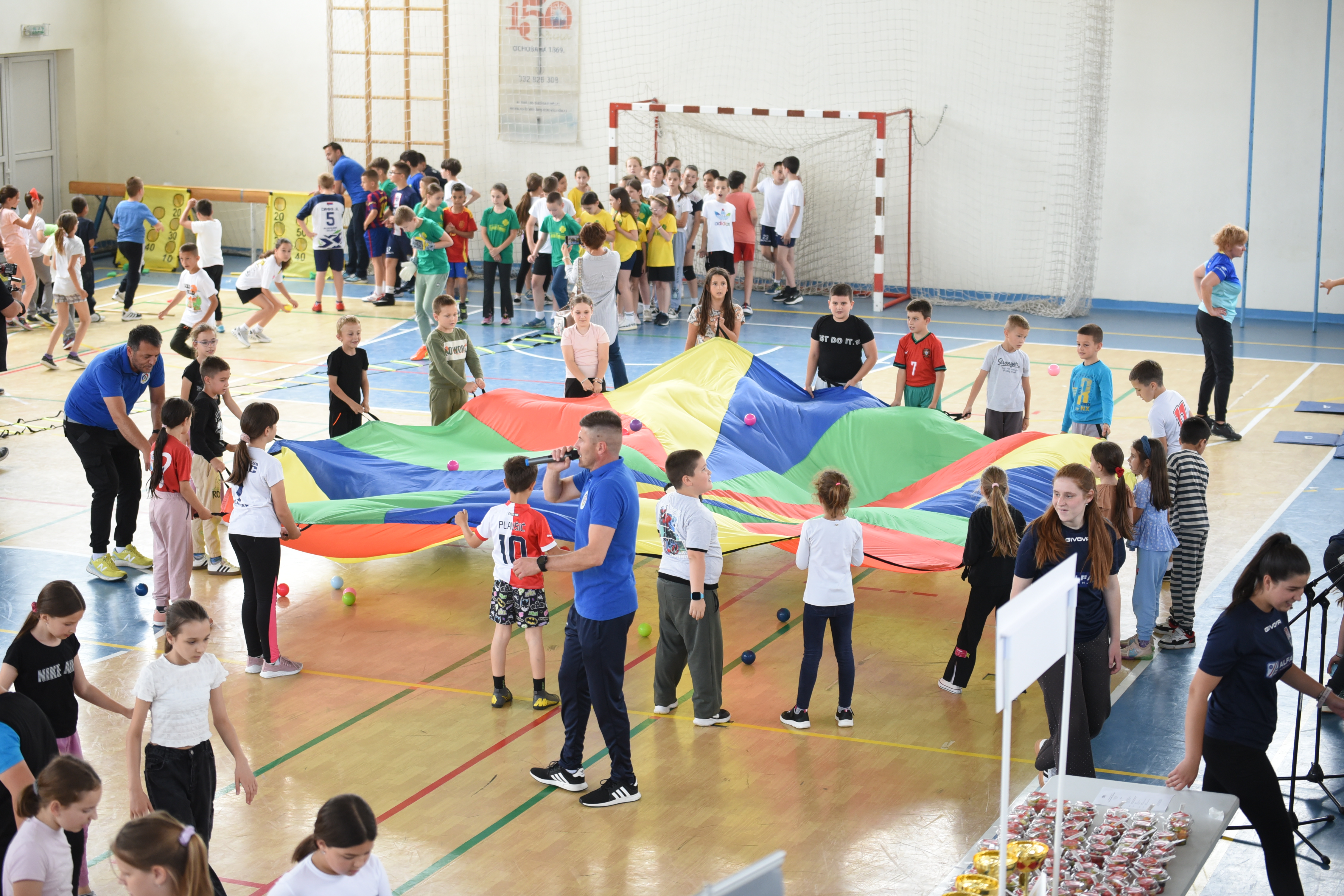
"From February to June, the project included more than 800 primary school students from lower grades of 15 primary schools in Leskovac, Čačak, and Subotica. Each school hosted 15 nutrition workshops and 30 physical activity classes. At the beginning, students had difficulties with coordination and ball skills, but by the end of the program they made significant progress in fitness and motor skills," said Boris Tomić from the Serbian School Sports Federation.
All participating schools were provided with sports equipment and gear to improve physical education classes, while students received handbooks on healthy eating habits prepared by experts from the Institute of Public Health of Serbia “Dr Milan Jovanović Batut”.
According to the Institute of Public Health of Serbia “Dr Milan Jovanović Batut”, the project enabled additional educational activities in the field of proper nutrition. "Topics covered during nutrition classes were selected to help students gain knowledge about basic principles of healthy eating, daily meals, types of food, nutrients, and food preparation methods. The topics were delivered through short presentations combined with interactive work with students, creative workshops, and answers to frequently asked questions," the Institute noted. "The results of final tests showed a significant improvement in nutrition-related knowledge, and forming and adopting healthy lifestyle habits at school age is particularly important for maintaining health later in life, as certain behaviors are established and become routine during this period."
The “Health classroom” project is part of the global initiative “Cities for Better Health”, aimed at combating obesity and chronic non-communicable diseases that occur in early childhood. Participating cities in Serbia were selected based on data indicating a higher prevalence of eating disorders.
"Through partnerships and cooperation with key institutions, the project implemented by Novo Nordisk in more than 40 countries aims to contribute to improving children’s health, while also creating a sustainable model for health promotion in schools. Children who learn to eat properly and be physically active have a greater chance of growing into healthy adults, and we are especially pleased that both children and their parents responded positively to the project," said Vladimir Tipsarević, Director of Public Affairs and Public Policy at Novo Nordisk Serbia.
NALED’s Director for Sustainable Development, Slobodan Krstović, emphasized: "The project has created a model that could be expanded in the future to include more partners, cities, and schools, so that as many primary school students as possible have the opportunity to receive additional education and be more physically active."
"We will invite other companies, local governments, and schools to join and initiate similar initiatives. To provide children with free extracurricular sports activities, like those we once had, and education on healthy nutrition – all for the sake of their health and a healthier future," concluded Krstović.
Photo credit: Serbian School Sports Federation