
Serbia Facing the PPWR Challenge: Alignment Is Inevitable, but the System Is Not Yet Ready
Between European Requirements and Domestic Capacities: Where Does Serbia Stand Today?
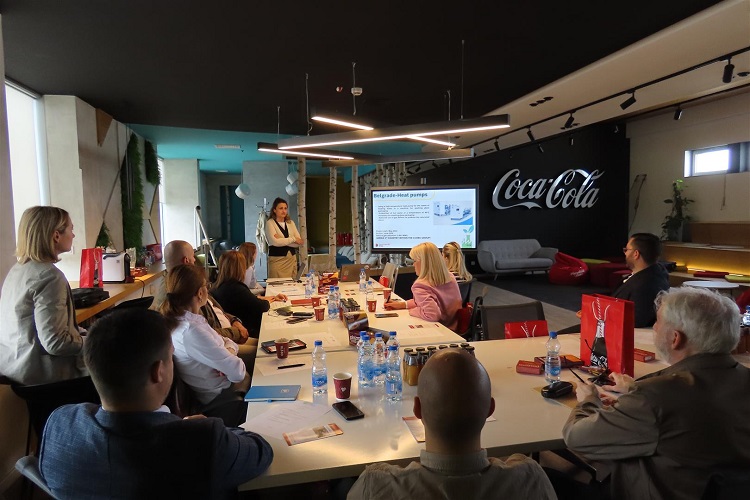
At a workshop of the Alliance for Circular Packaging, held in late 2025, representatives of industry, institutions, and the waste management sector delivered a unified message: Serbia will have to align with the EU Packaging and Packaging Waste Regulation (PPWR), but the necessary preconditions are still insufficiently developed. It should also be noted that the regulatory framework continues to evolve, as the European Commission published guidelines at the end of March 2026 that will influence the further implementation and interpretation of certain PPWR requirements.
Although the domestic economy is strongly integrated with the European Union market, where the new rules will soon become binding, participants pointed to a number of barriers hindering swift and efficient implementation.
Industry Between Requirements and Reality
One of the key challenges will be adapting packaging design, including food and beverage packaging, to new recyclability requirements. While a clear methodology for assessing recyclability has not yet been prescribed, there is also a lack of infrastructure capable of actually processing such packaging. Mandatory recycled content targets in packaging will not be achievable without a secure and certified flow of secondary raw materials.
Domestic exporters will face particular pressure, as packaging that does not meet minimum recyclability standards will not be allowed on the EU market as early as 2030, with criteria becoming even more stringent in the years that follow.
Economic Instruments Without Clear Rules
Eco-modulation, as a mechanism intended to incentivize more sustainable packaging design through lower fees for recyclable packaging, has been recognized as an important tool. However, in the absence of clearly defined criteria, as well as a reliable monitoring system and adequate collection and recycling infrastructure, its practical application remains limited for now.
For eco-modulation to function effectively, it is therefore essential to involve all actors across the value chain, while strengthening oversight and transparency.
Lack of Recyclate as a Strategic Issue
An additional challenge is the requirement to introduce a minimum share of recycled material in packaging, particularly plastics. Serbia currently lacks sufficient quantities of high-quality recyclate, as well as developed systems for its control and certification.
Dependence on imports and global market dynamics further complicates the situation, while the lack of domestic laboratory capacities slows down alignment with European standards.
Extended Producer Responsibility System Requires Reform
The existing extended producer responsibility (EPR) system does not meet the minimum requirements set by the PPWR. Challenges are evident in insufficient coverage, limited oversight, and inadequate infrastructure, indicating the need for a comprehensive reform of the regulatory and institutional framework.
In addition, the introduction of a deposit return system, as mandated by the PPWR, represents a more efficient mechanism for collecting materials essential for a circular economy. Without these measures, the set targets will remain difficult to achieve in practice.
A Phased Transition as the Only Realistic Path
The implementation of the PPWR in Serbia is feasible, but only through a phased approach that подразumeva parallel improvements in legislation, infrastructure, institutional capacities, and stakeholder education.
The role of EU funds has been particularly emphasized as a key mechanism for financing this transition, along with the need for a clear strategy for their effective utilization. Without coordinated action by the government, the business sector, and other stakeholders, the risk is not only delayed alignment but, more importantly, a loss of competitiveness of domestic producers in the European market.
In Lieu of a Conclusion
Time for preparation is limited, while the requirements are already largely known. Therefore, it is essential for the government, businesses, and all actors in the packaging value chain to urgently initiate coordinated activities, from legislative amendments to investments in infrastructure and knowledge. Packaging producers in the food and beverage sector, gathered within the Alliance, are ready to contribute their expertise, resources, and operational capacity to building a functional system. Only through timely and joint action can Serbia ensure it does not fall behind, but instead turns its transition towards a circular economy into a development opportunity.
Related Content
Smart packaging waste collection system
01.08.2022
The smart recycling system offers a wider range of benefit compared to the traditional deposit system - serialization of packaging through...Read more
This website uses cookies to ensure the best user experience. By continuing to browse the site, you consent to the use of cookies.
CONTINUE LEARN MORE