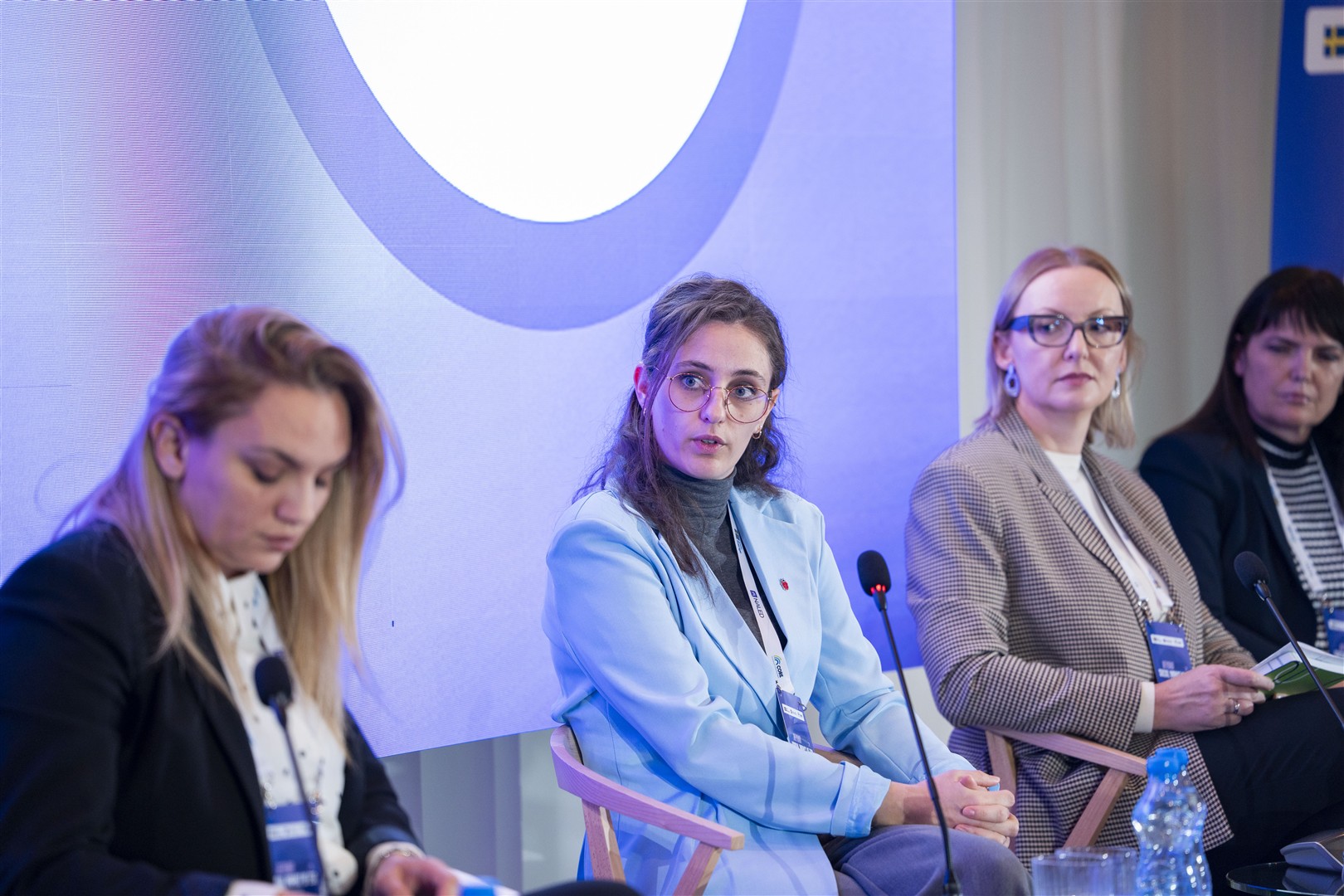
Social Criteria in Public Procurement as a Key to Supporting Vulnerable Groups: Lack of Obligations, Knowledge, and Guidelines Slows Progress
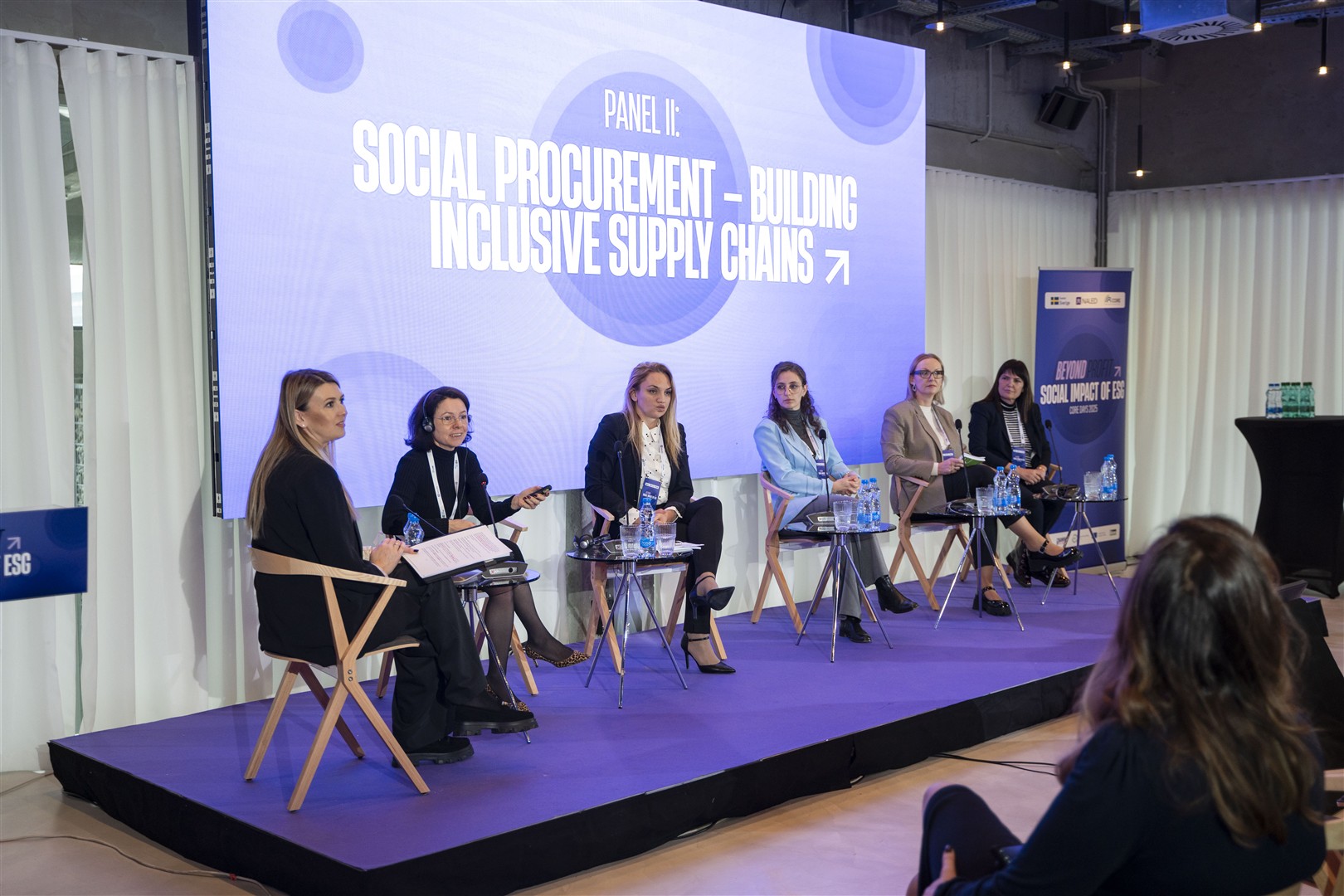
At a panel dedicated to the development of social criteria in public procurement within the Core Days conference, experts from the region agreed that “social procurement” is a powerful mechanism for supporting vulnerable groups and inclusion. However, its practical implementation still lags due to the lack of clear obligations, guidelines, and capacity among contracting authorities. While the social economy in the EU represents a significant part of the market and employs millions of people, only a small number of tenders in the region include a social dimension.
Oana Voda, a public procurement expert from Romania, reminded participants that Europe has 4.3 million social enterprises—10% of all businesses in the EU—employing as many as 11.5 million people.
Despite this, only 1 to 5% of public procurement procedures include social criteria or reserved contracts.
“Romania adopted a strategy in 2023 to improve social procurement, but that is still not the same as a socially sustainable contract. We are trying to identify obstacles and understand how everything will work in practice,” Voda said, adding that companies have only recently begun integrating social aspects into their requirements and tender documentation.
She highlighted the key obstacles: the lack of legal obligations, insufficient expertise, fear among officials of personal responsibility and sanctions, as well as the absence of concrete guidelines, because general EU recommendations are not enough.
“If people are not taught how to apply social criteria, they will be afraid of them,” Voda said, noting that she is working with NALED on preparing practical examples for applying these criteria.
Farisa Kuprejović from the Public Procurement Directorate of Montenegro reminded participants that Montenegro has closed Chapter 5 in its EU accession negotiations.
“Price cannot be the sole criterion in our system, but the social parameter cannot exceed 5%,” she explained, adding that the key prerequisites for introducing social criteria include professionalization of officials, specialized training, and checklists for monitoring implementation.
Caritas representative Andrijana Nikolić emphasized that the greatest value of social procurement is the stability it provides to social protection service providers and to vulnerable groups employed in social enterprises.
“In Serbia, there are around 57 social enterprises with a total of 1,300 employees, of whom as many as 1,000 are persons with disabilities. Social procurement gives them a boost, but in practice there is not enough of it,” Nikolić noted.
She listed several challenges, including unfair competition, inequitable treatment by contracting authorities, and the cancellation of procedures due to lack of knowledge.
She proposed introducing a mandatory percentage of reserved contracts or compulsory social criteria wherever they can be linked to the subject matter of the procurement.
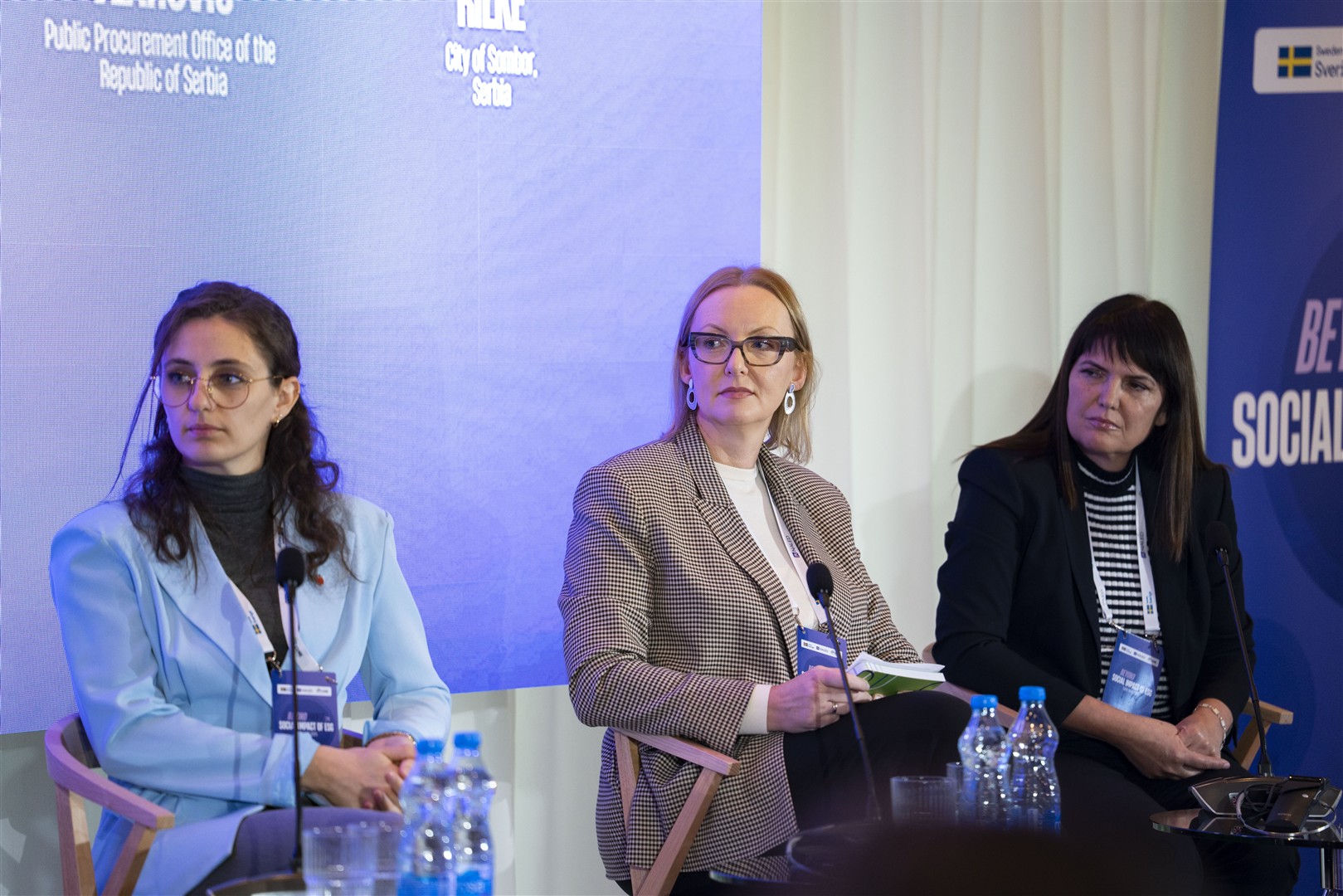
Jelena Vlahović from Serbia’s Public Procurement Office stated that the country has made significant progress over the past five years, especially since the establishment of the Public Procurement Portal.
“Economic operators who violate labor rights may be excluded from procedures. Through contract implementation, we can include marginalized groups,” Vlahović said.
The Office has so far organized at least two trainings per year, published three model tender documents, and highlighted the practical application of social aspects during training sessions.
She announced the preparation of a new procurement model and the exchange of experiences with EU countries.
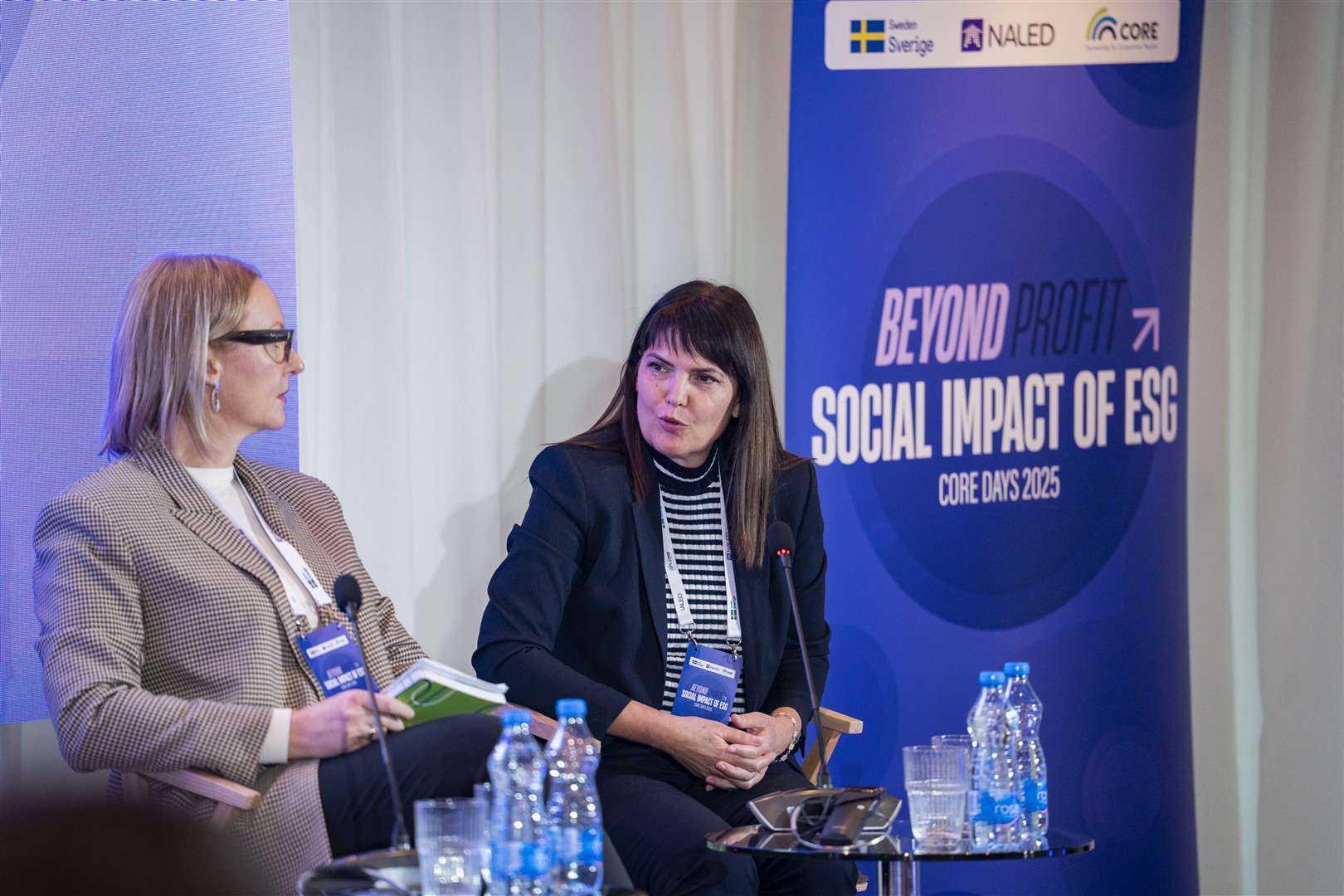
Marijana Rilke, a representative of the City of Sombor, emphasized that Sombor recently applied social criteria in the procurement of ragweed eradication services, requiring that 10% of workers engaged belong to the category of hard-to-employ persons over the age of 50.
“These were individuals the bidder employed before receiving the contract, and we monitored their payment and employment continuity,” Rilke explained.
She concluded that the most effective solution would be a legal requirement stipulating that any contracting authority with more than 10 procurements annually must conduct at least one with social criteria.
“The first month would cause panic, but afterward the system would stabilize. It is important for vulnerable groups to know that the city cares about them,” she said.