Telemedicine, clinical trials and artificial intelligence - Serbia accelerates its path toward modern healthcare
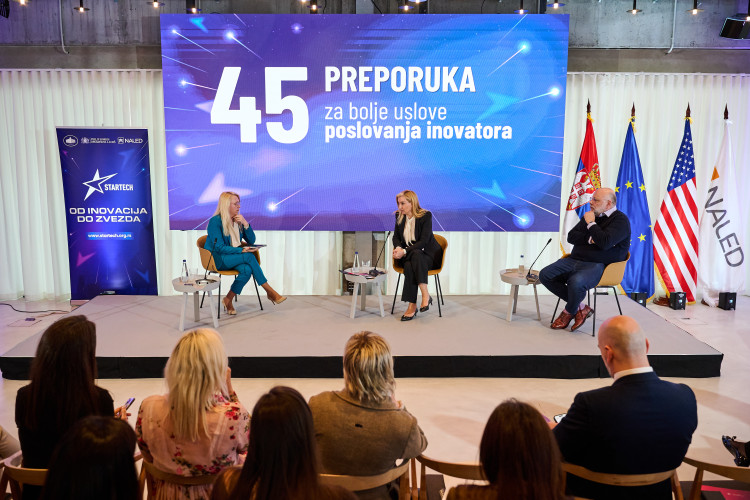
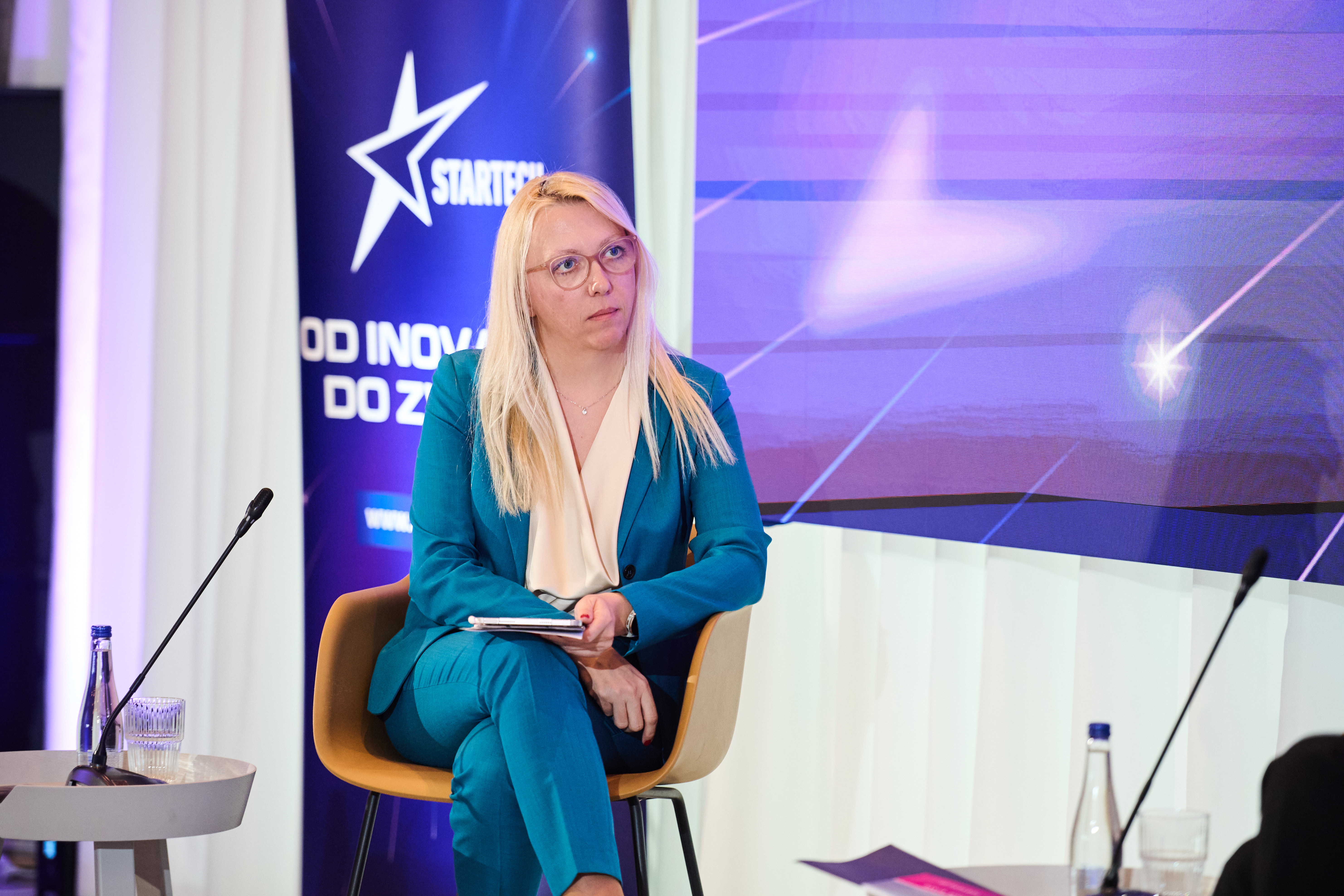
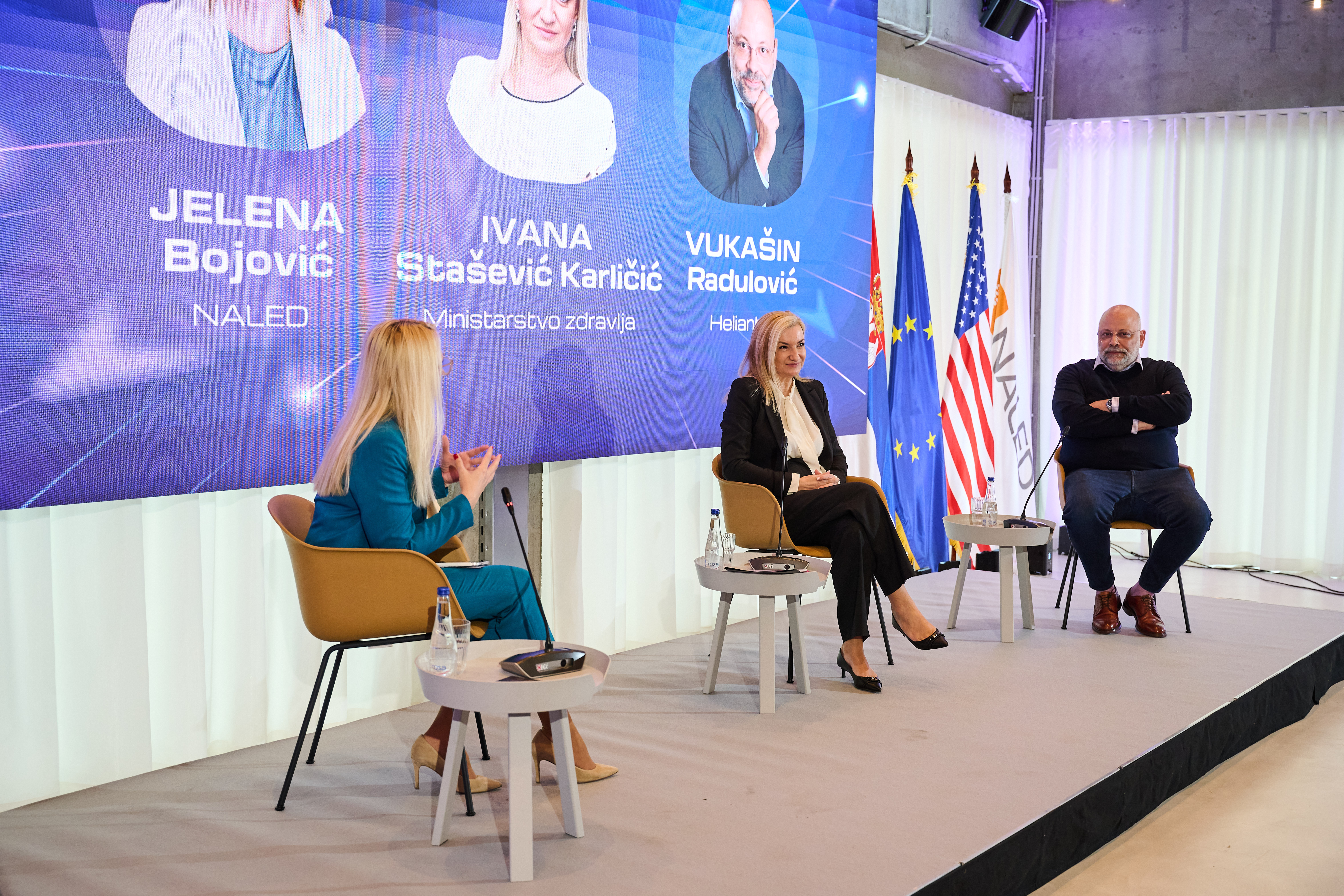
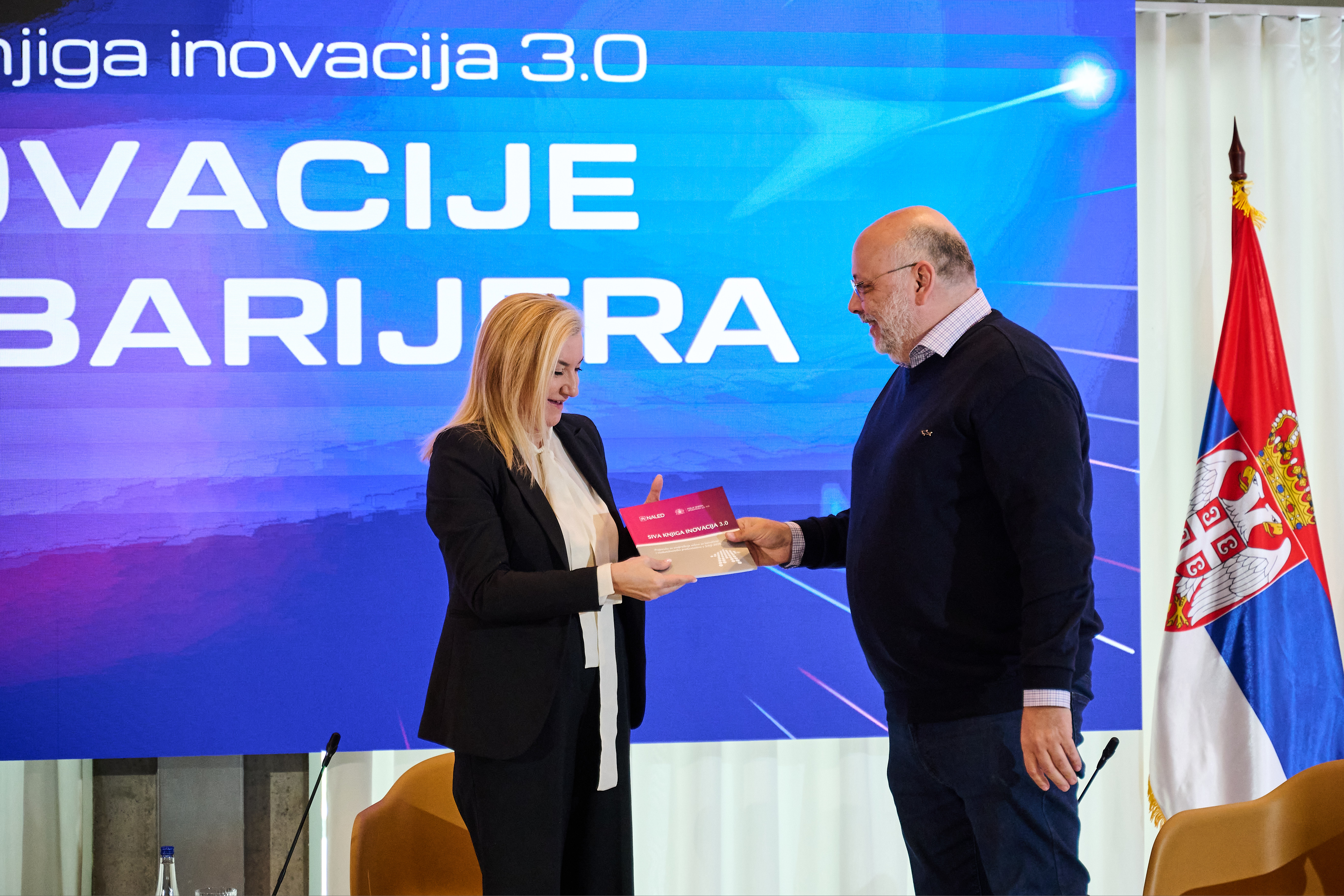
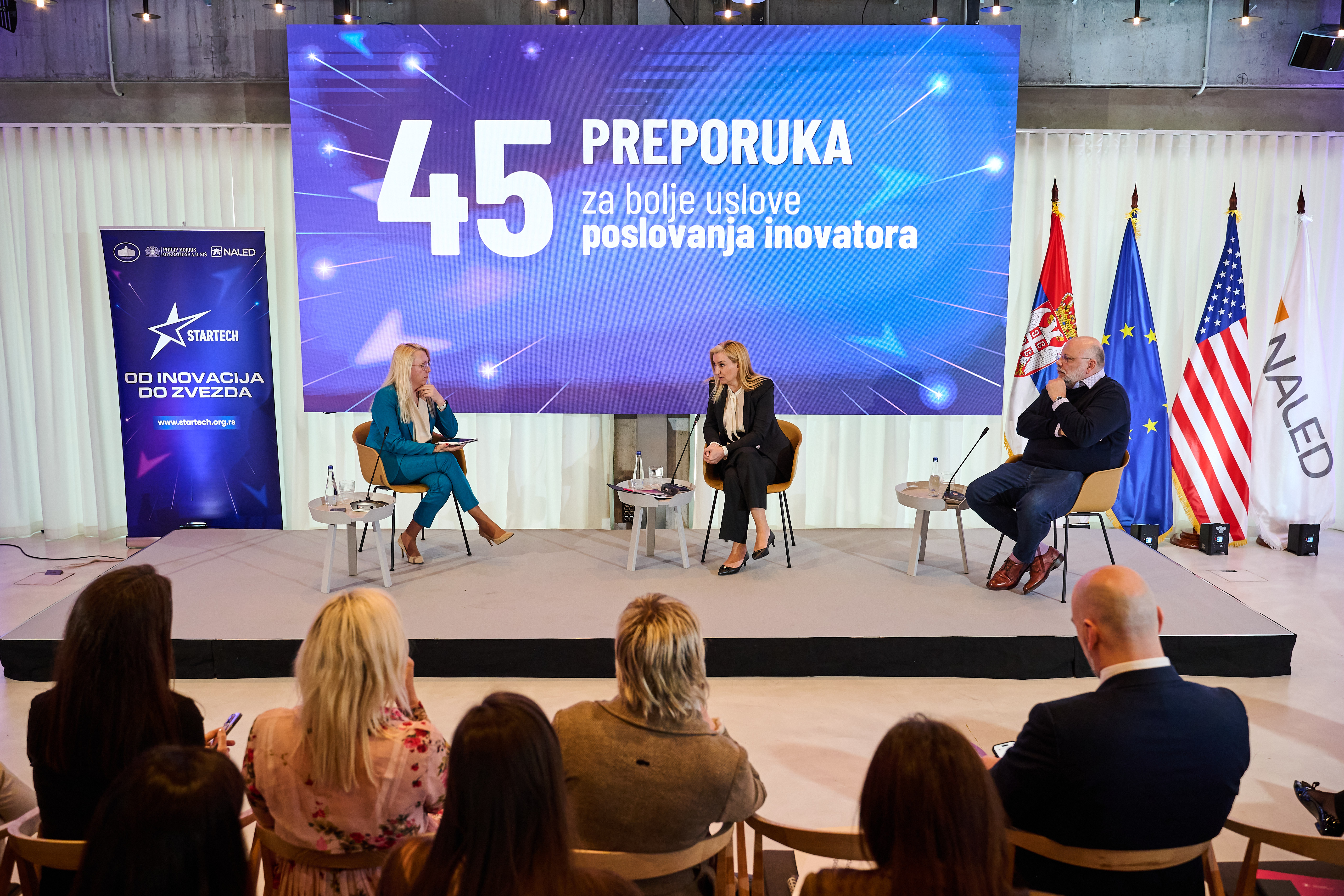
Digital transformation of healthcare, the development of innovation and the smart use of data were at the center of the third panel at the launch of the new edition of the Grey Book of Innovation. The discussion was moderated by Jelena Bojović, Program Director at NALED, who emphasized that stronger cooperation between institutions, businesses and the professional community is essential for the faster development of a modern healthcare system in Serbia.
The panel opened an important question: where does Serbia stand today on the global map of healthcare innovation? At a time when digital solutions, biotechnology and artificial intelligence are becoming the standard of modern medicine, the speakers noted that significant progress has been made, but that the pace of change needs to accelerate further.
In recent years, key digital tools have been introduced, such as ePrescription, electronic health records, eLaboratory and eSick Leave. However, participants agreed that the real potential still needs to be unlocked through better system integration and more efficient data management.
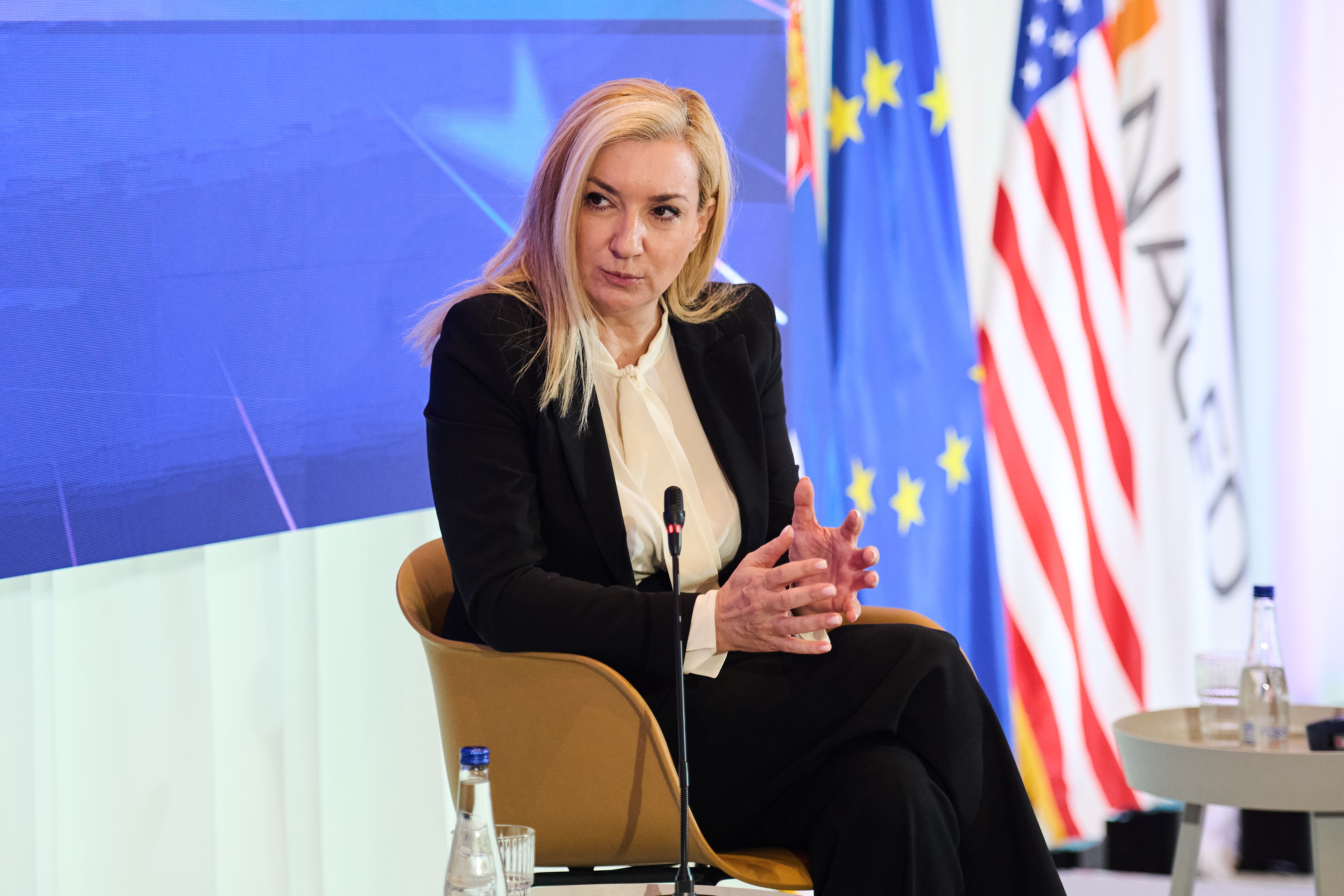
Special focus was placed on clinical trials, which represent one of the pillars of modern medicine and the pharmaceutical industry. State Secretary Prof. Ivana Stašević Karličić emphasized the need to improve the regulatory framework:
" We are aware that the field of clinical trials in Serbia is to a large extent overregulated and we are ready to work on its improvement in order to accelerate processes and increase competitiveness", said Stašević Karličić.
Telemedicine was identified as one of the most promising directions for development, especially when it comes to improving access to healthcare services in remote and rural areas. Although it is already being implemented through pilot projects, its wider adoption will require further improvements in both the regulatory and organizational framework.
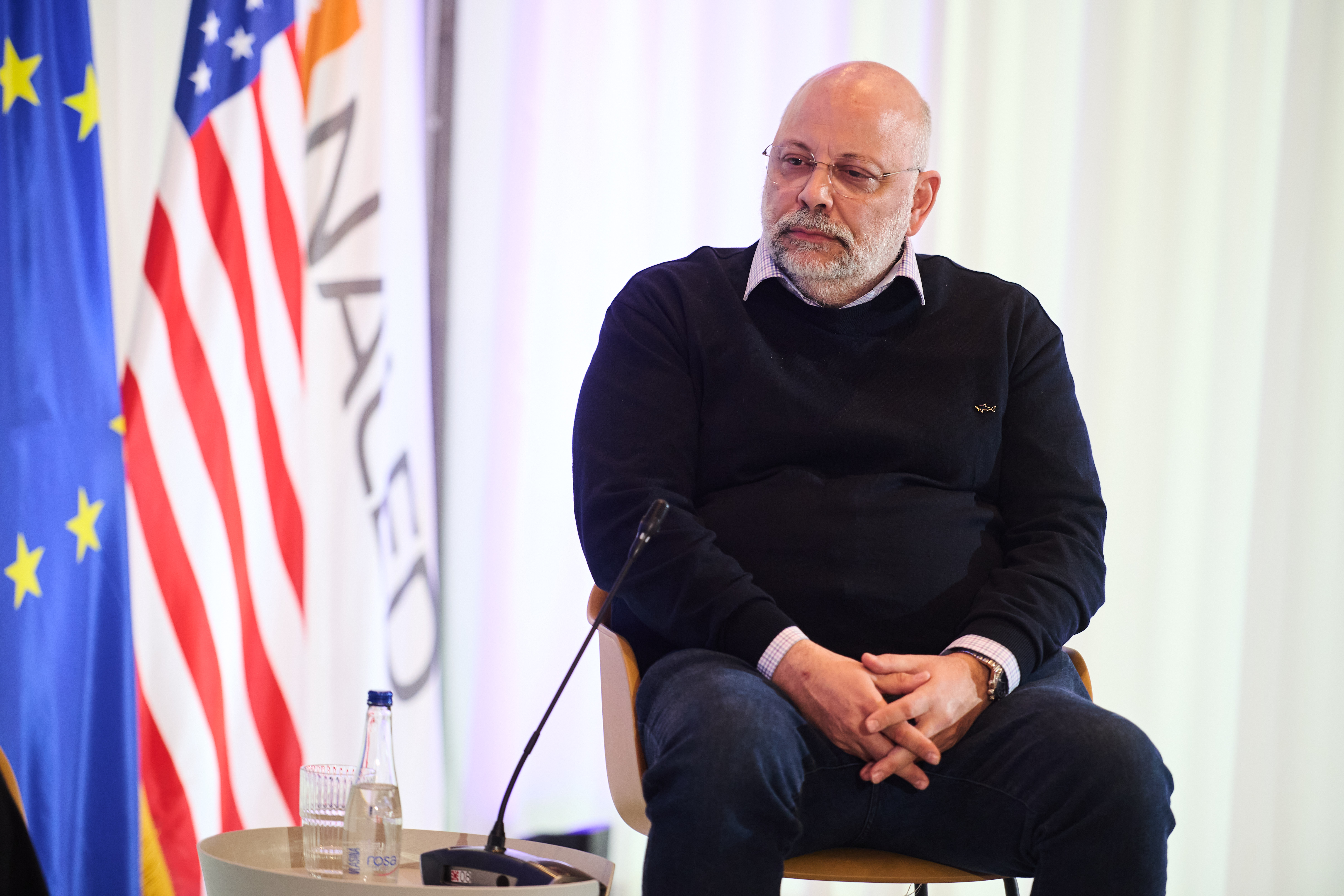
"Innovation in healthcare does not only mean new technologies, but also a fundamental change in the way we collect, exchange and use data. This is precisely where the greatest potential for progress lies", said Vukašin Radulović, President of NALED’s Healthcare Alliance.
Panelists particularly highlighted the importance of data as a key resource in modern healthcare. According to global analyses, the use of Big Data technologies can reduce treatment costs by 12 to 20 percent, while artificial intelligence, supported by high-quality data, enables earlier disease detection and more precise therapies.