Salary is a key, but not the only reason why people accept or leave jobs
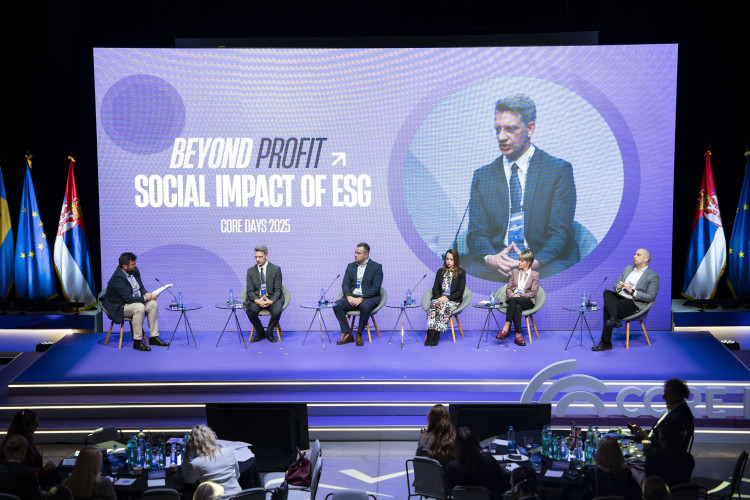
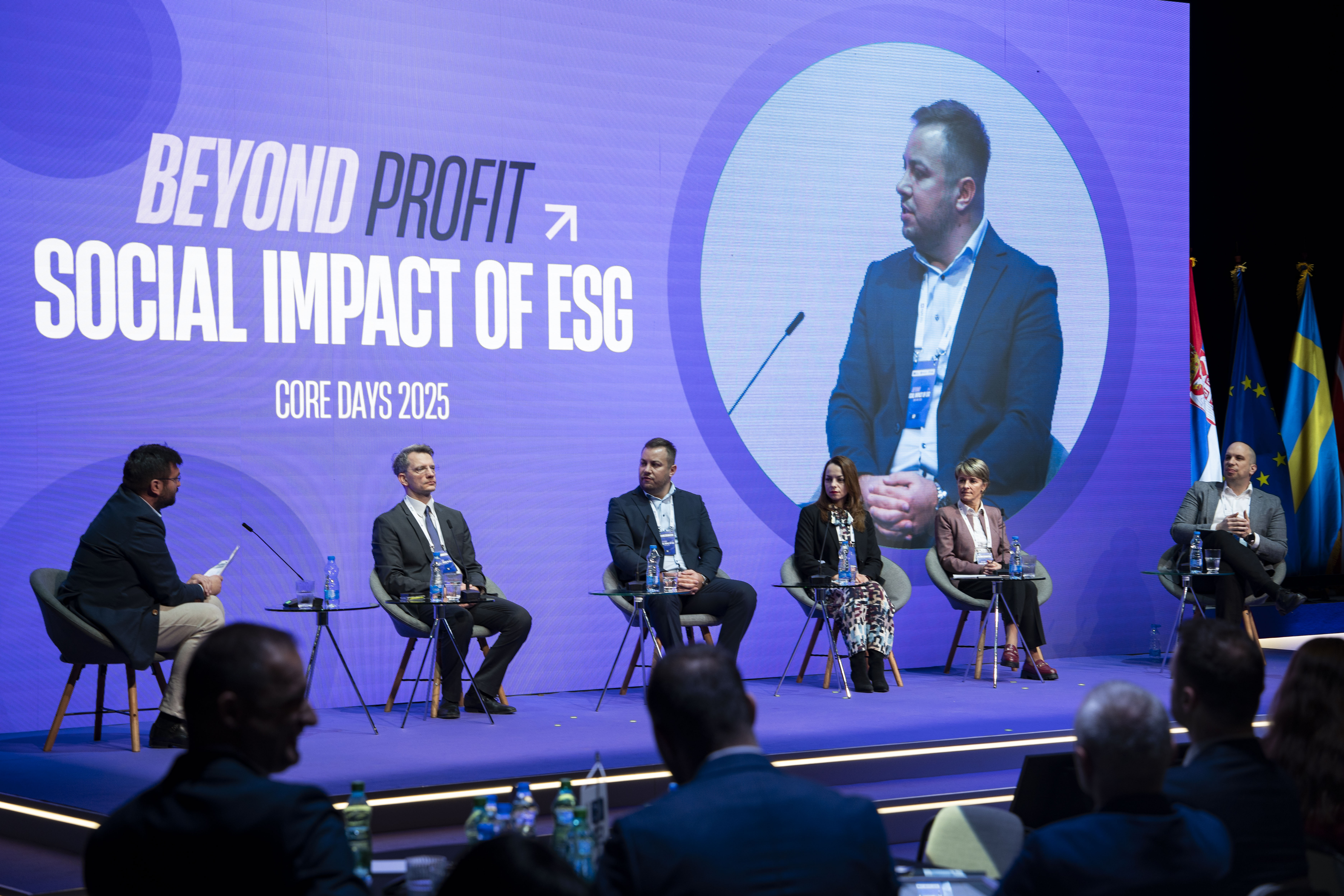
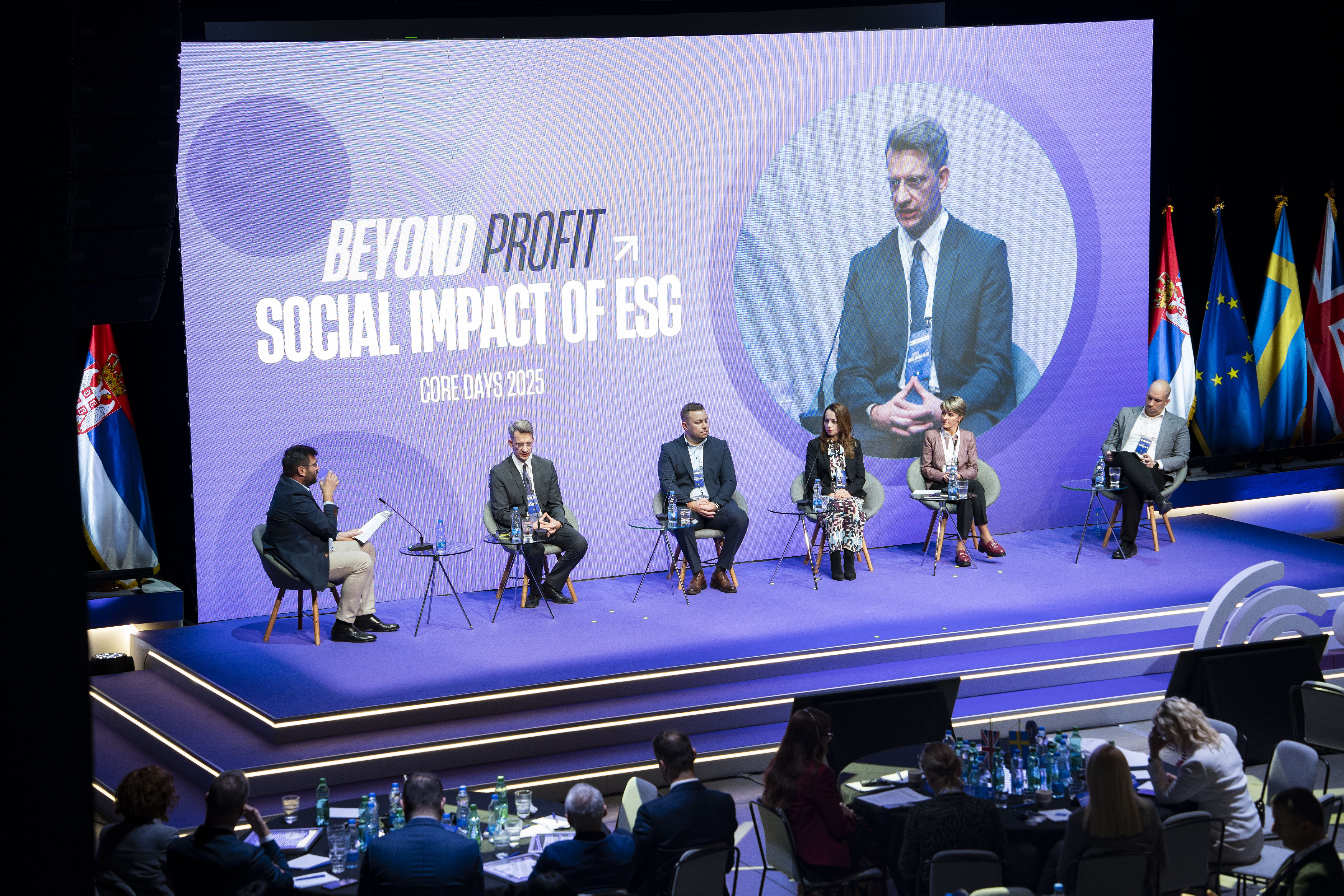
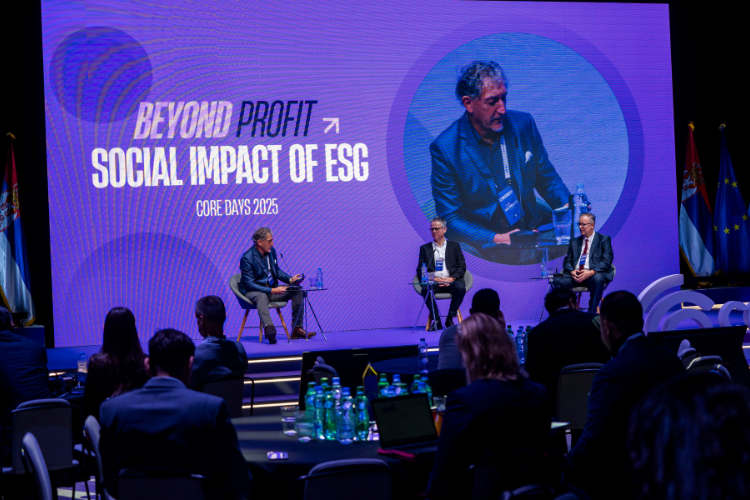
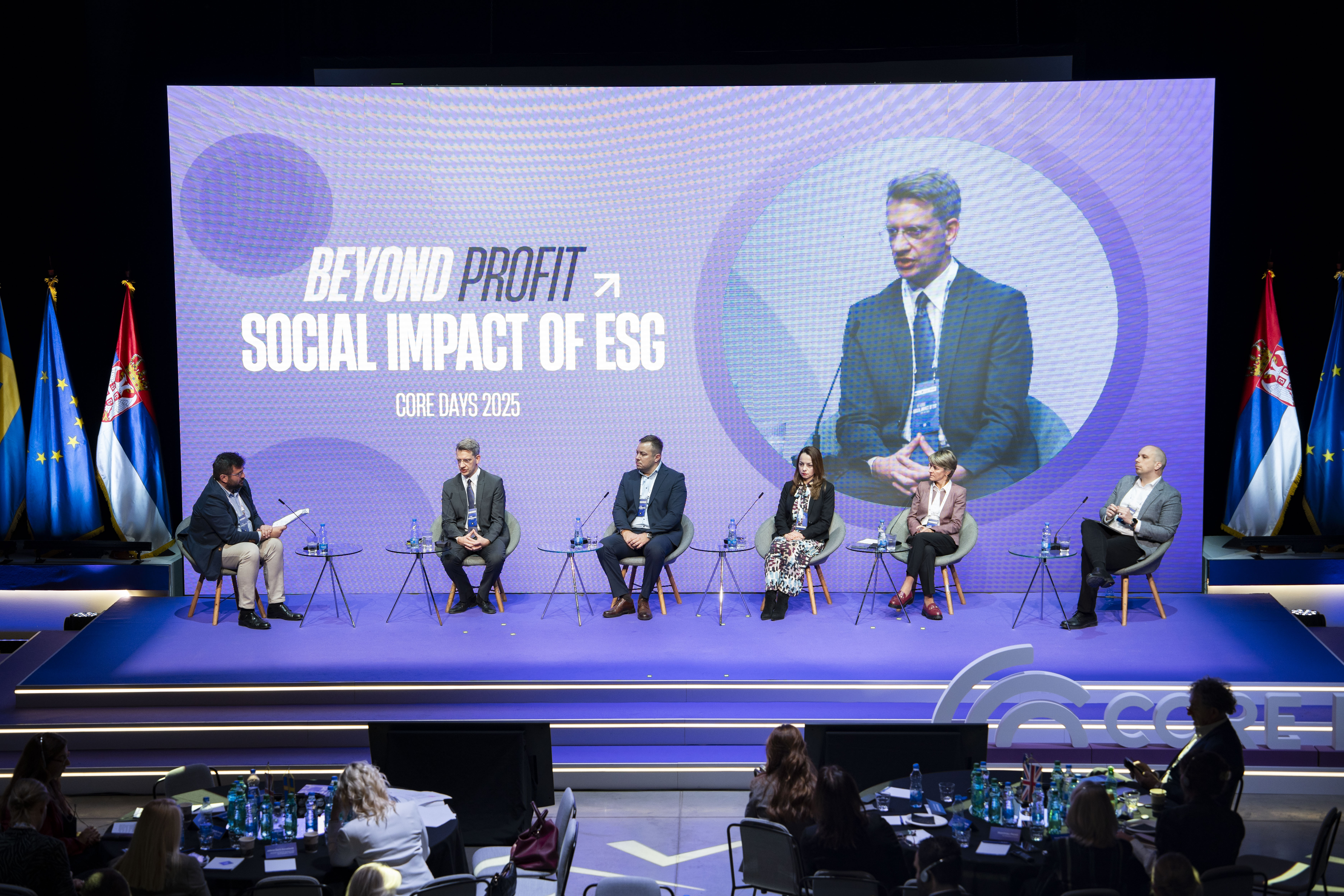
Employee care, equal pay and salary transparency, social responsibility toward communities and consumers are among the most important aspects of the social dimension of ESG standards, it was said at the panel “Social Responsibility Dimension of ESGs” held at the fourth international Core Days conference.
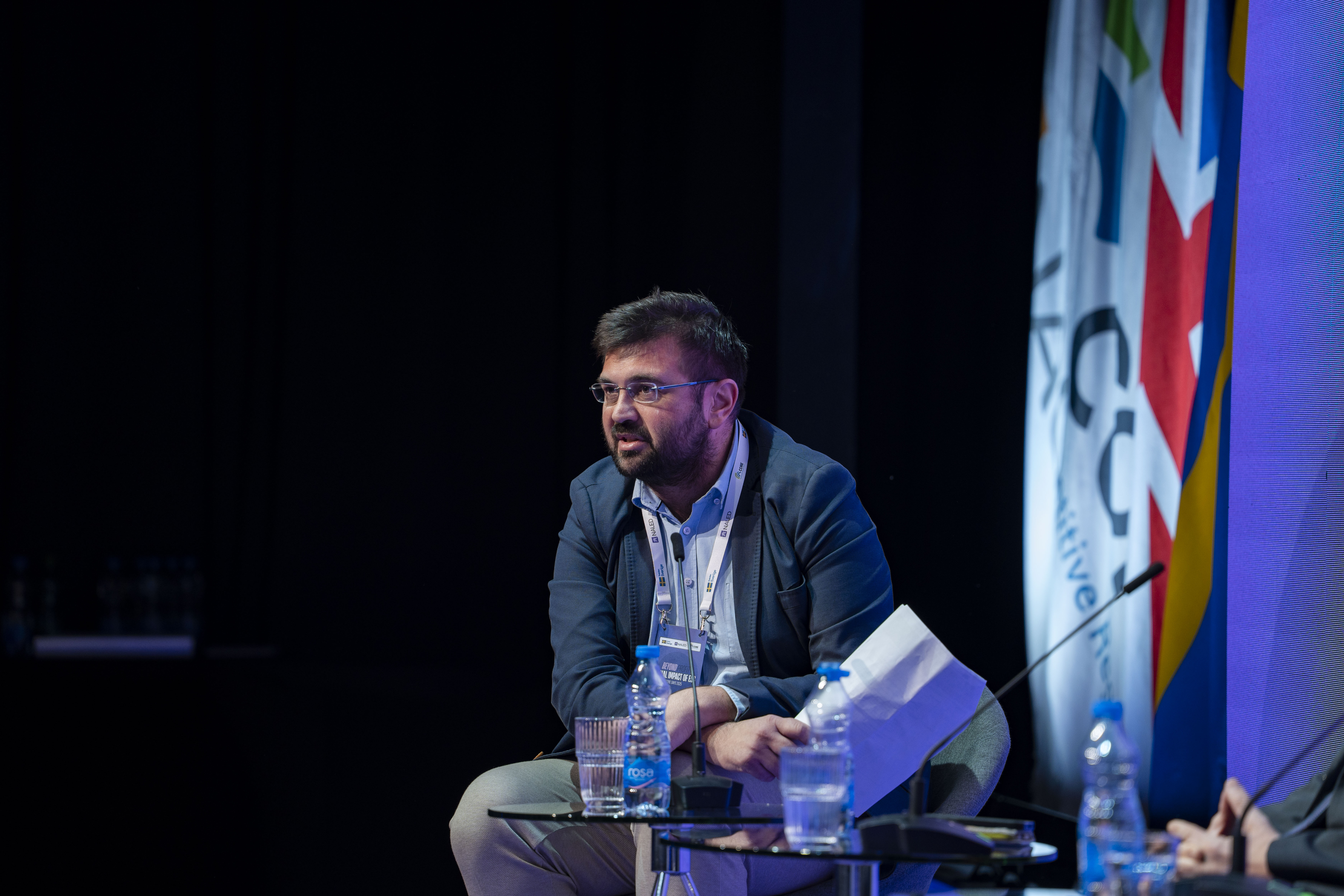
Panel moderator and ESG expert Nebojša Lukač opened the discussion by emphasizing that the social component of ESG is increasingly in the focus of European regulations and companies that want to improve their internal policies, consumer relations and organizational culture — and that the model of social responsibility is gradually becoming an obligation rather than a choice.
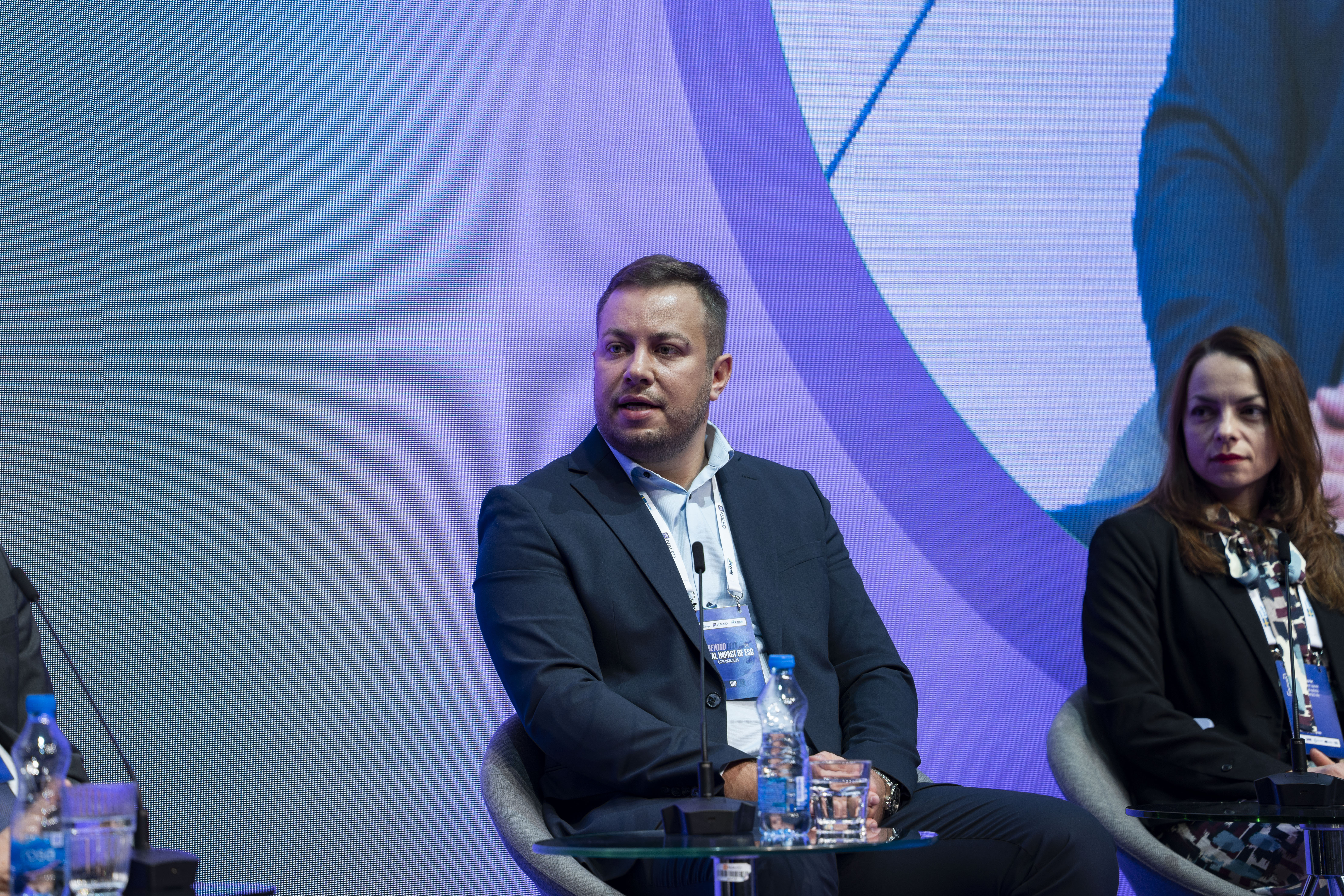
Slađana Bogosavljev, People Business Partner at Ericsson, stated that it is important for companies to integrate the social component into their everyday processes, primarily through employee care, and explained through examples how they implement this in practice.
“We believe everything starts with health, which is why we offer our employees private health and life insurance. For employees with families, we offer paid leave days, and for students, paid days when they take exams. We also plan to introduce 16 weeks of paid parental leave for new parents. We encourage volunteering through various activities such as river cleanups, as well as cooperation with organizations like Svratište,” Bogosavljev said.
Beata Fridrich of MK Group confirmed that implementing social standards represents a serious challenge for large systems, stressing that companies must have clear policies on equality, non-discrimination, workplace safety, and improving relations with the communities in which they operate. She pointed out that these policies must be applicable across different sectors and organizational cultures, and that they are not sustainable without consistent internal education.
“We have a non-discrimination policy and an equal pay policy that ensures that employees in the same positions receive the same salary. MK Group currently employs 28 persons with disabilities, while women make up more than 50% of the board of directors and hold 41% of managerial positions. The plan is to increase that share to 50% next year. Also, as MK Group we have a wide supply chain, and it is important that each supplier implements ESG standards in their operations so that we are all aligned,” Fridrich added.
Marko Dragić from the National Consumer Organization of Serbia (NOPS) noted that consumer attitudes and habits today differ significantly depending on region and generation.
“While older citizens pay less attention to sustainability, younger people have developed awareness about the importance of companies’ social responsibility. Consumers also need to understand the entire process from farm to table in order to understand the price and value of a product,” Dragić said, adding that cooperation between institutions and consumer organizations is necessary in this process.
Speaking about the role of financial institutions, Vladimir Hrle, ESG Coordinator at the International Finance Corporation (IFC) in Serbia, emphasized that despite global initiatives aimed at diminishing the importance of ESG, it is essential to defend its core principles, especially the social component.
“When making financing decisions, we analyze the entire spectrum of ESG criteria, and issues of workplace safety and labor rights are an important part of the assessment. A UNDP study has shown that improvements in human rights protection not only bring better operational results for companies, but also positive financial effects. The biggest challenge for companies in non-financial reporting is that they lack adequate internal policies and procedures to support the writing of these reports. That is why we worked with the Ministry of Finance on creating Guidelines for Non-Financial Reporting, which are based on the Accounting Law but also take into account European standards such as the Corporate Sustainability Reporting Directive (CSRD) and the European Sustainability Reporting Standards (ESRS),” Hrle stated.
From the perspective of the labor market, employees, and employers, Marko Živković from Infostud presented the findings of the “What Motivates Employees” survey, highlighting that most employees value financial stability, flexibility, and honesty from employers.
“Salary is crucial, but not the only deciding factor. Through the flexibility companies offer, employees assess how much the company values them. This year, for the first time, we found that 69% of people recognize ‘care washing’ as insincere employee care — and it turns them away. Based on a company’s reputation and the impressions they gain during job interviews or at the workplace, people decide whether they will take a job and whether they will stay,” Živković concluded.