Local policies as a driver of development: BFC cities attract three times more investment
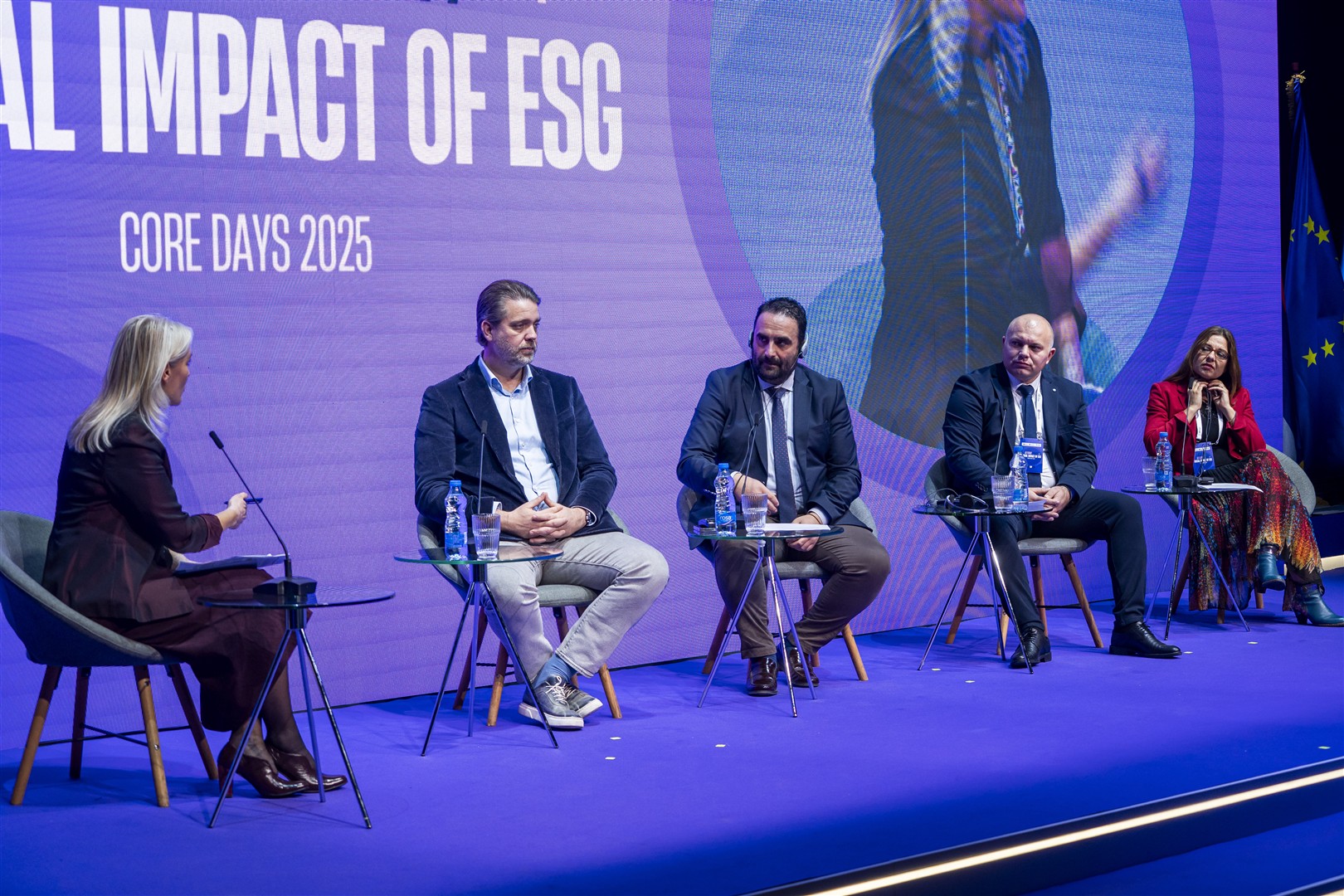
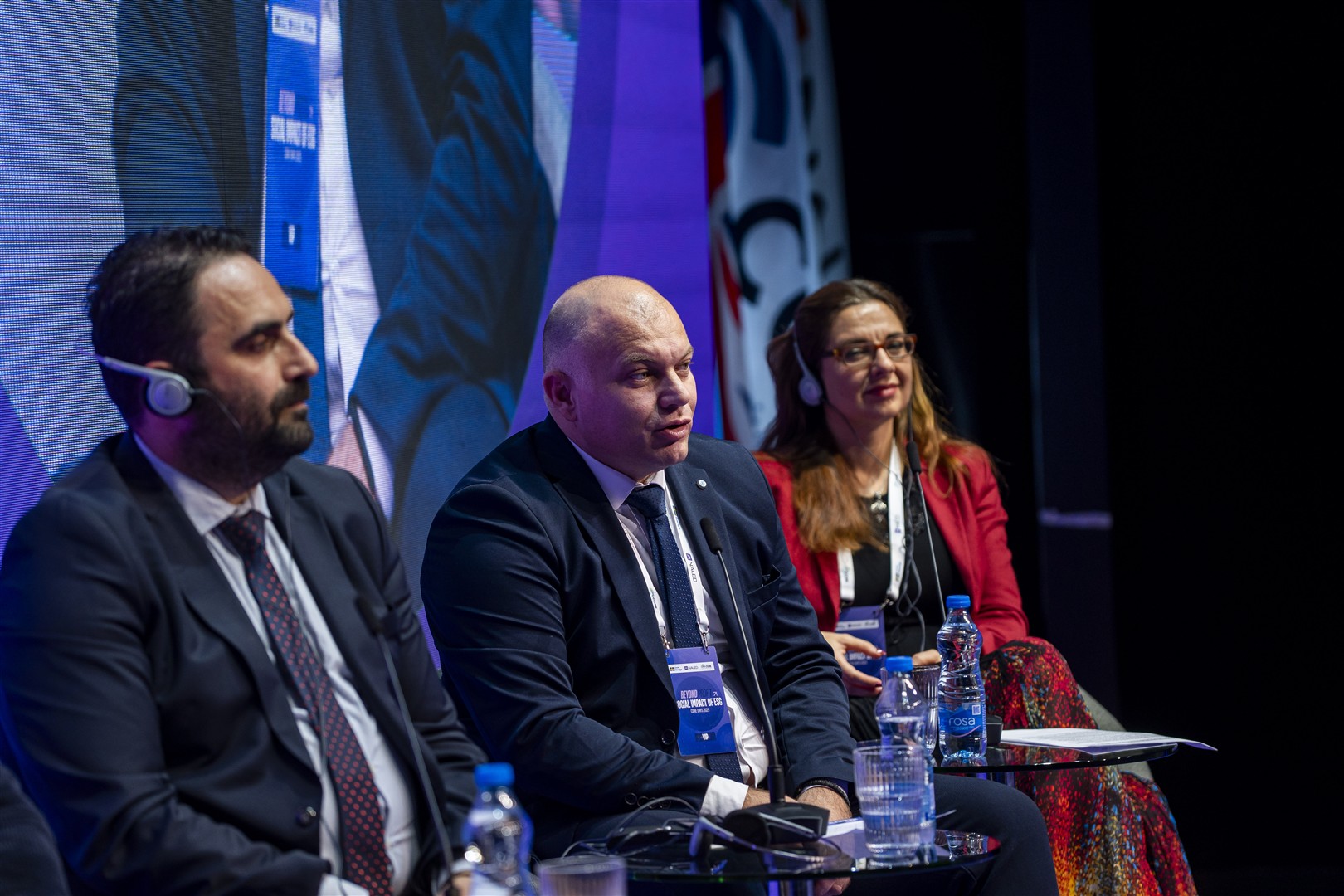
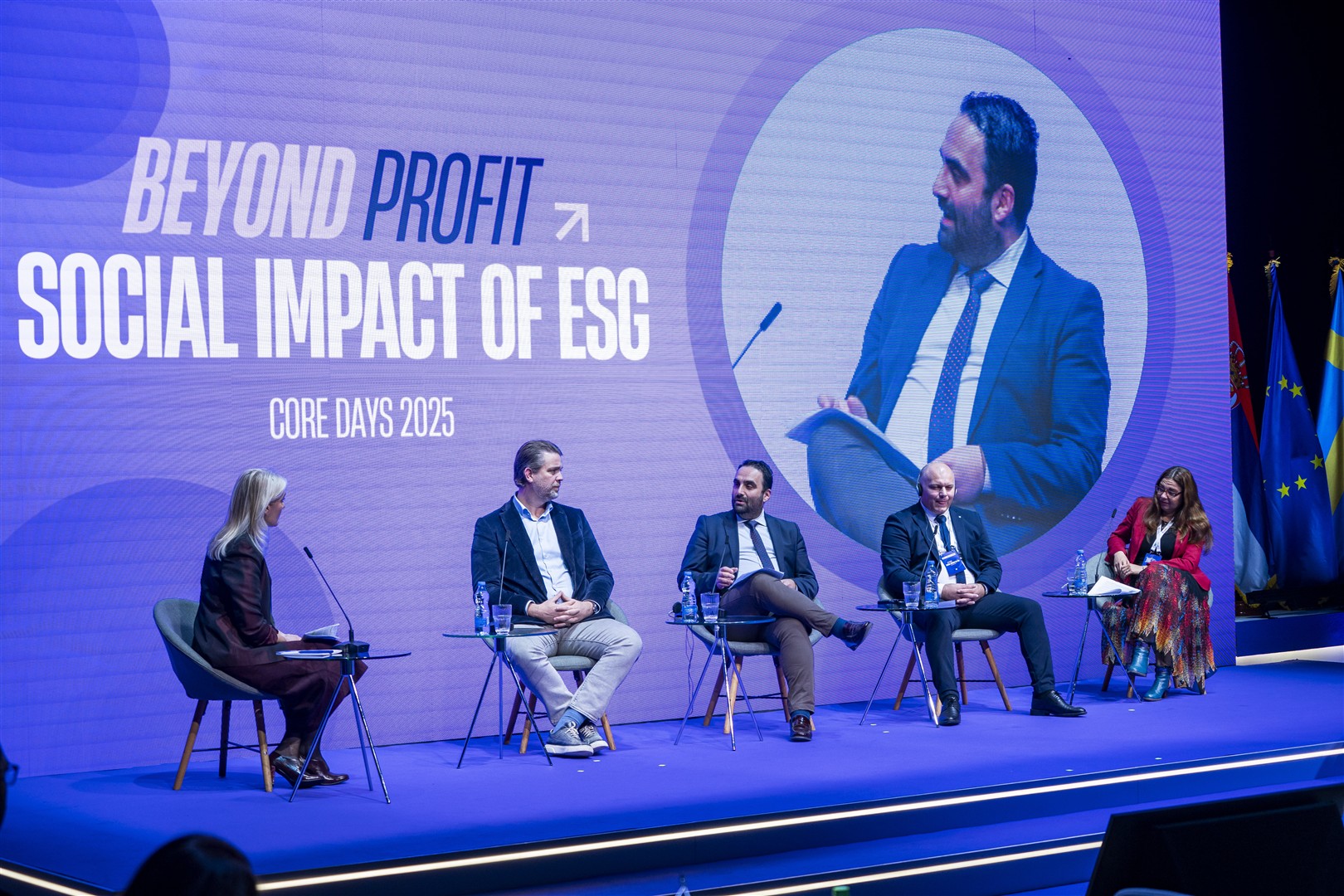
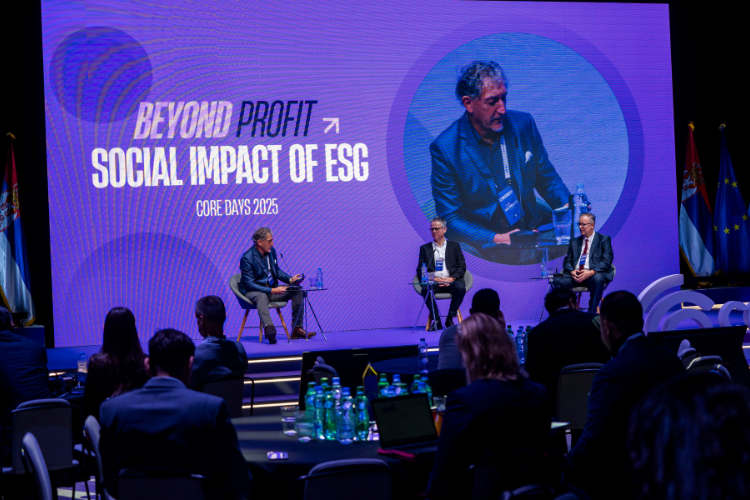
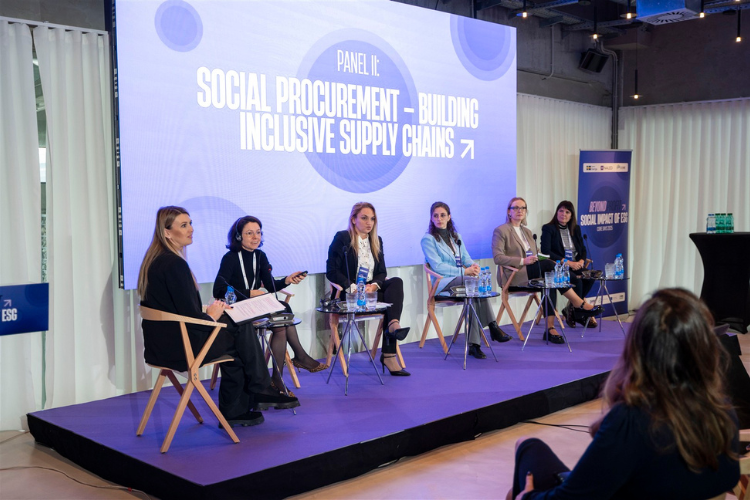
At a panel dedicated to local policies and the development of local self-government units in the region, mayors, experts, and international partners discussed employment challenges, the role of social entrepreneurship, the importance of cross-border cooperation, and the effects of standardization through the BFC program. The panel highlighted that local governments play a key role in connecting the economy, citizens, and international initiatives.
Mayor Nikola Dašić emphasized that youth employment and aligning the education system with local needs remain major challenges.
“We have around 3,500 young people on the unemployment register, and the key issue is the mismatch between the school system and the needs of the local economy. Among people with disabilities, many are capable of working, and we want to support them through different employment models,” Dašić noted.
In 2021, the city introduced a measure requiring investors to plant one tree for every apartment built, contributing to the preservation of green areas and more responsible construction.
“If 30 to 50 apartments are being built, that means 30 to 50 new large seedlings,” Dašić explained.
Antonios Gravanis, representative of the Region of Eastern Macedonia and Thrace, stated that local communities cannot be competitive unless they are connected.
“There are three key pillars of success: monitoring EU decisions, participating in networks and cross-border partnerships, and strong administrative capacities,” Gravanis said.
He emphasized that the EU does not finance projects of isolated actors but instead encourages cooperation and the creation of alliances: “Those who invest in partnerships become more competitive.”
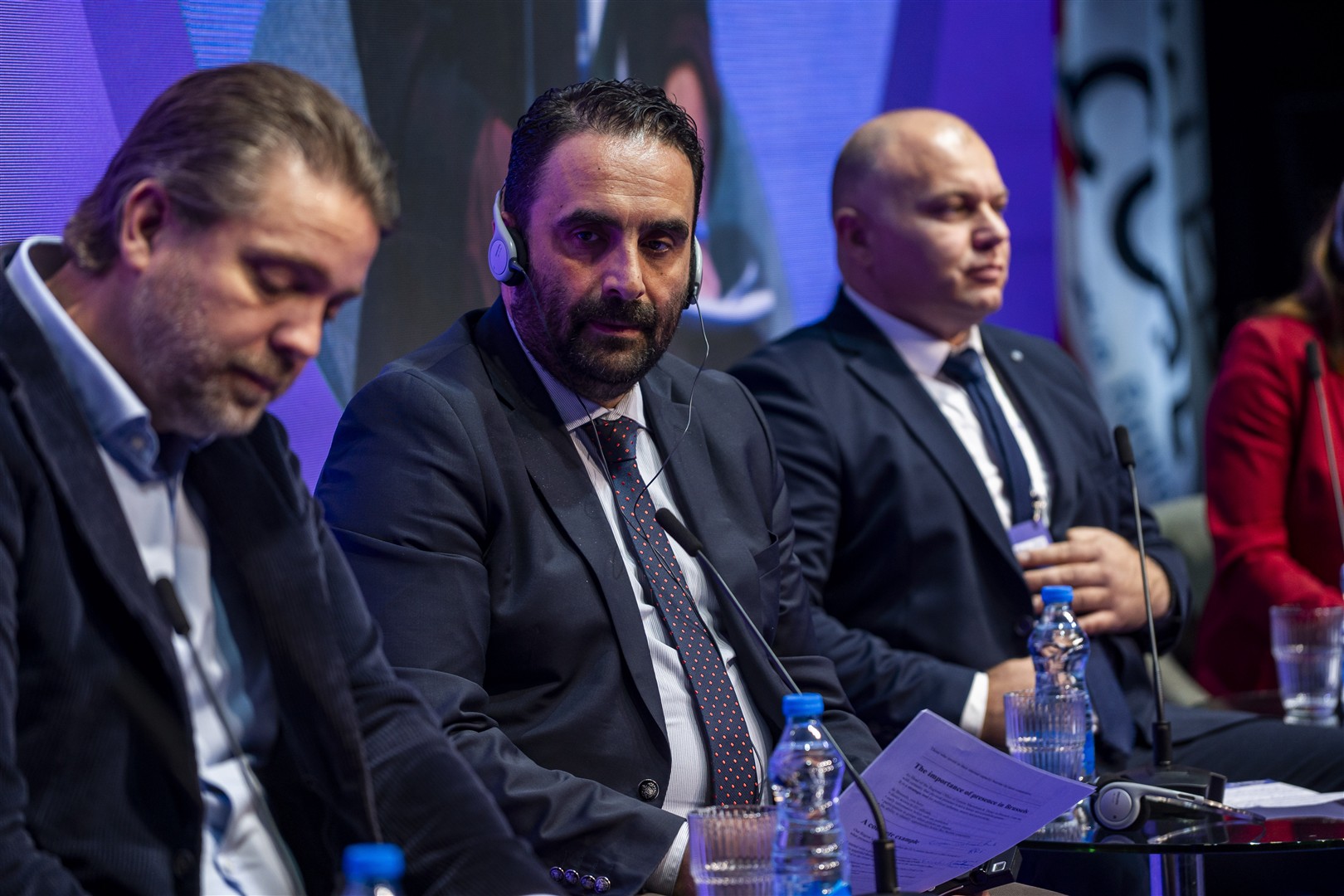
He also underlined the importance of physical presence in Brussels:
“That is not a luxury, but a networking tool. You have direct access to EU information and decisions.”
Congratulating NALED for its professionalism and expertise, Gravanis said there is great potential for stronger regional cooperation.
Darko Vrhovac, representative of the Municipality of Gradiška, shared the experience of this local community, which has become a success story thanks to the implementation of BFC (Business Friendly Certification) standards.
“BFC has 67 criteria, and if every local self-government unit consistently applied them, we would all be successful,” Vrhovac said.
Gradiška improved from an average score to 97.8% fulfillment of the standards, becoming one of the most successful local communities in the region.
“We didn’t take the plaque just to take photos with it — we took it to make changes,” he added.
Through strategic planning, sectoral strategies, and monitoring indicators, Gradiška has become an attractive place for investment: in 2016, it had only two investors, while today there are 22.
“None of this fell from the sky; fulfilling the criteria is a path that pushes you to succeed,” Vrhovac explained.
He also mentioned examples of social responsibility: foreign companies voluntarily offered to invest in equipping schools because they see long-term benefits — students will stay in the city and eventually work for those companies.
Felicitas Siek from GIZ highlighted that the modernization of municipal services and the introduction of BFC standards over almost 20 years of cooperation have shown clear results.
“Cities with a BFC certificate attract three times more investment. Certificates are a sign of prosperity,” Siek said.
Digitalization, she emphasized, is a key driver of change. She cited the example of the electronic registration system for seasonal workers, through which more than 100,000 people — especially from vulnerable groups — received employment opportunities.
She encouraged cities to use available European funds and turn more toward regional partnerships:
“There are numerous EU programs; you just need to know how to use them.” She also announced the next steps: including Moldova and Ukraine in the BFC network.