From Patent to Profit: Scientists in Serbia Increasingly Becoming Entrepreneurs
Science in Serbia is increasingly moving beyond the laboratory and into business, as researchers seek to turn their results into products that solve real-world problems. However, despite growing interest, spin-off companies remain relatively rare. Compared to the European Union, Serbia still lags behind in this segment.
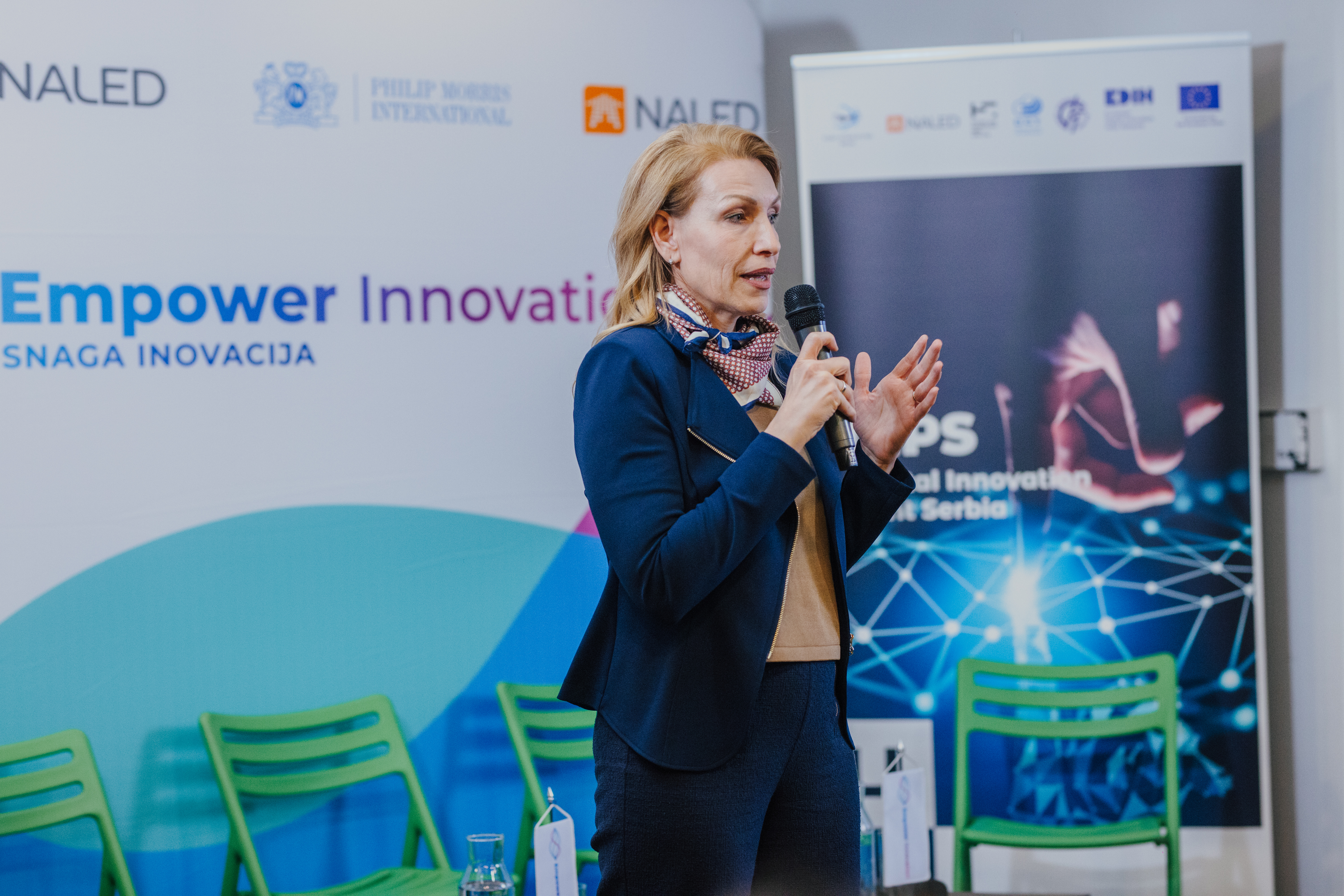
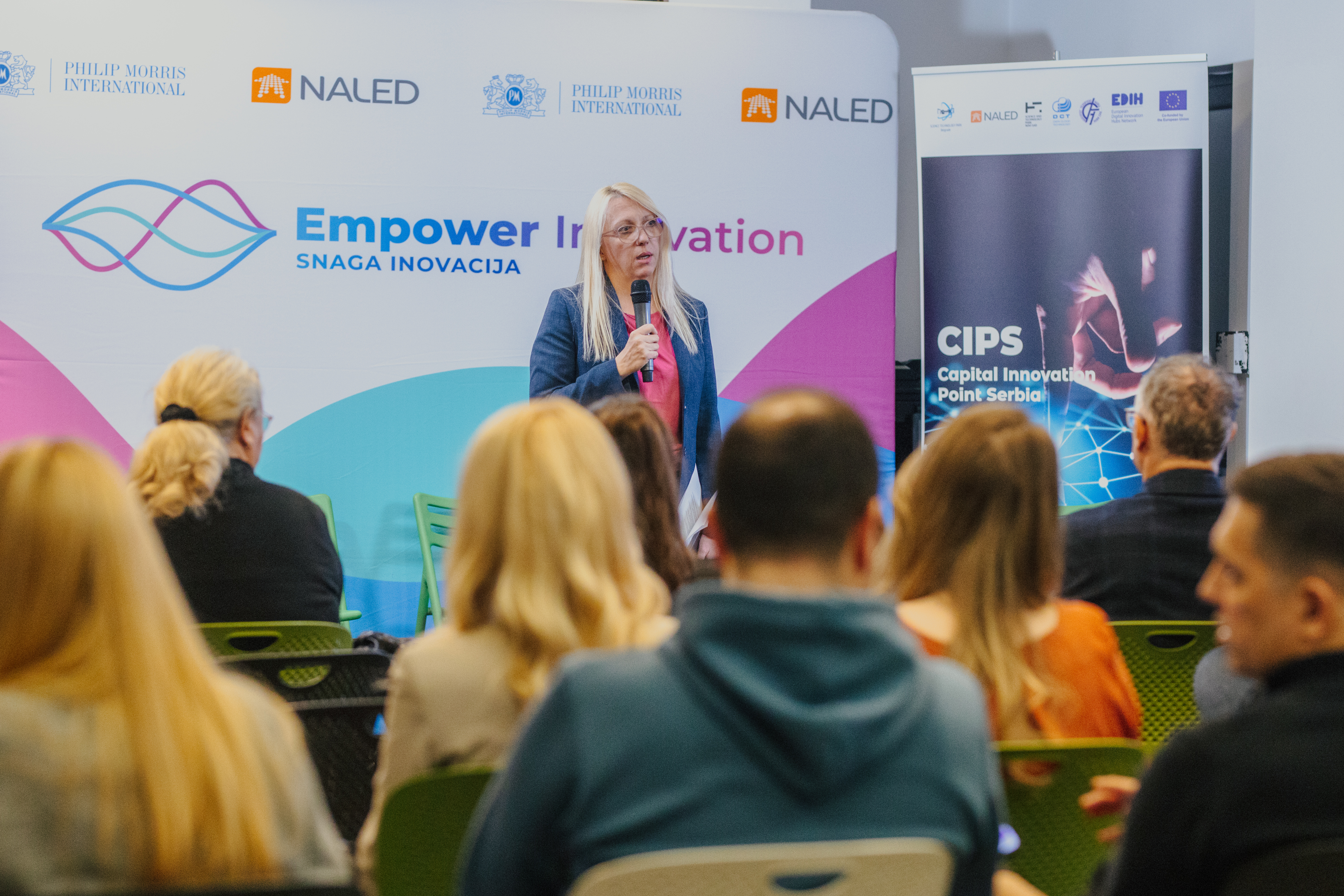
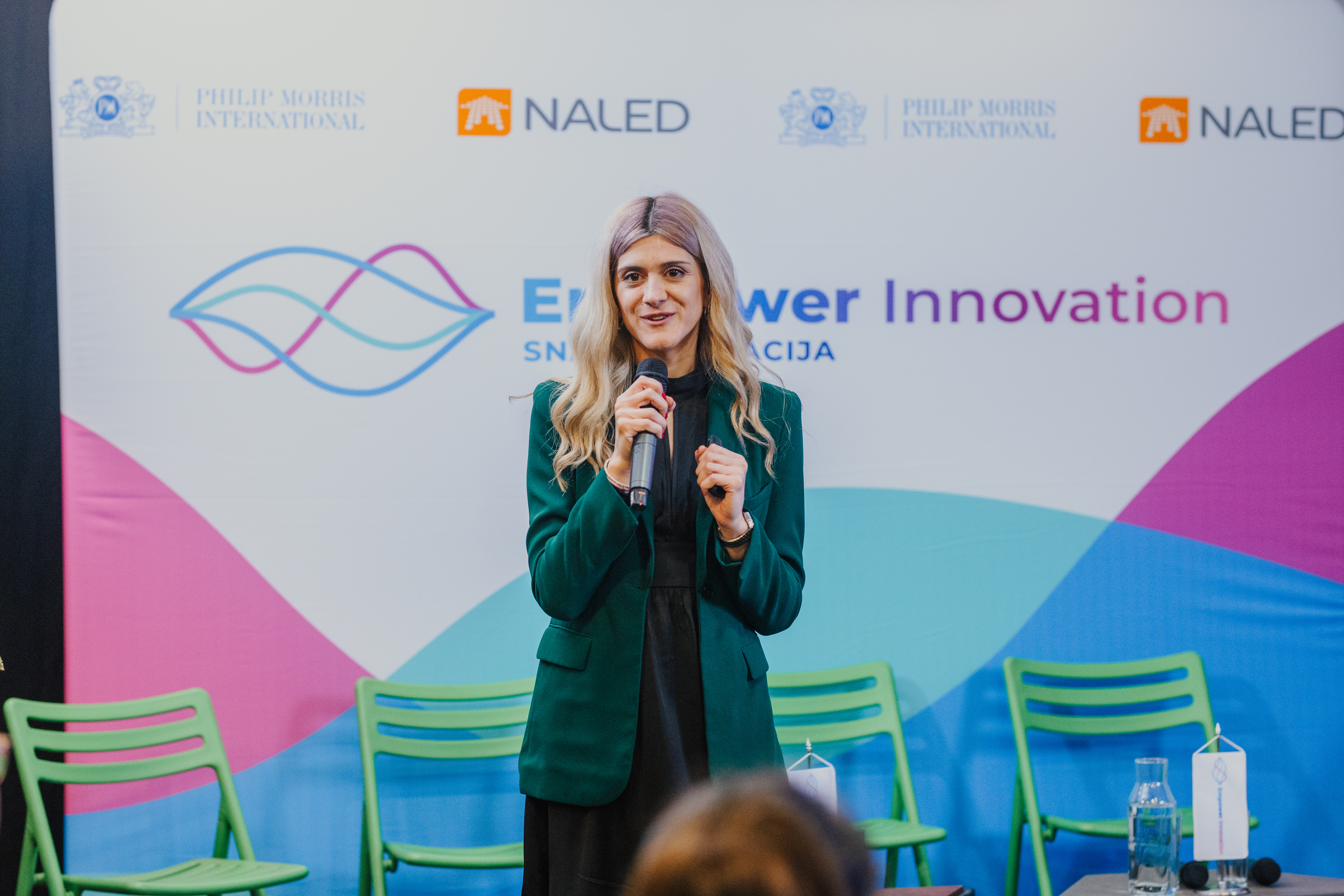
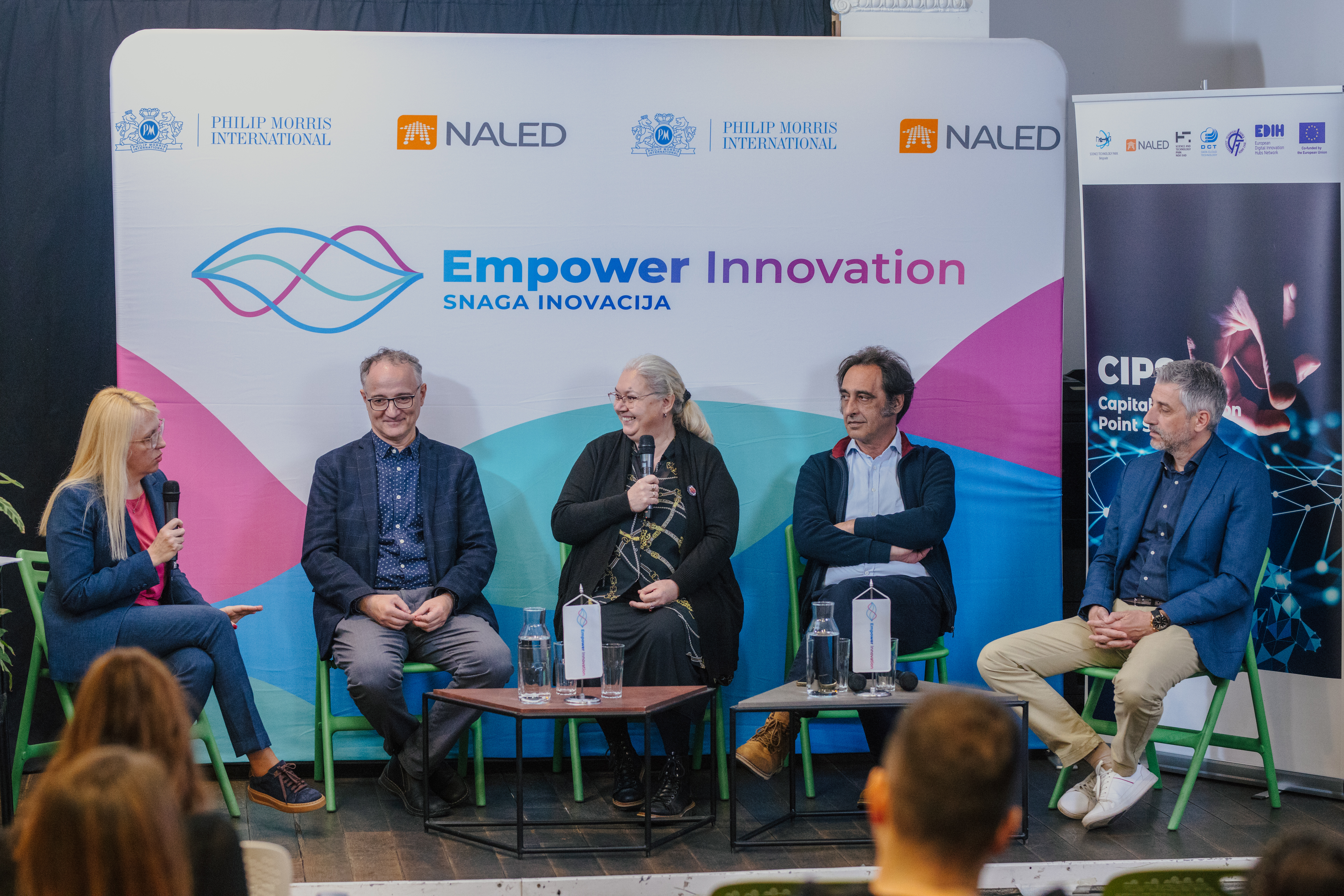
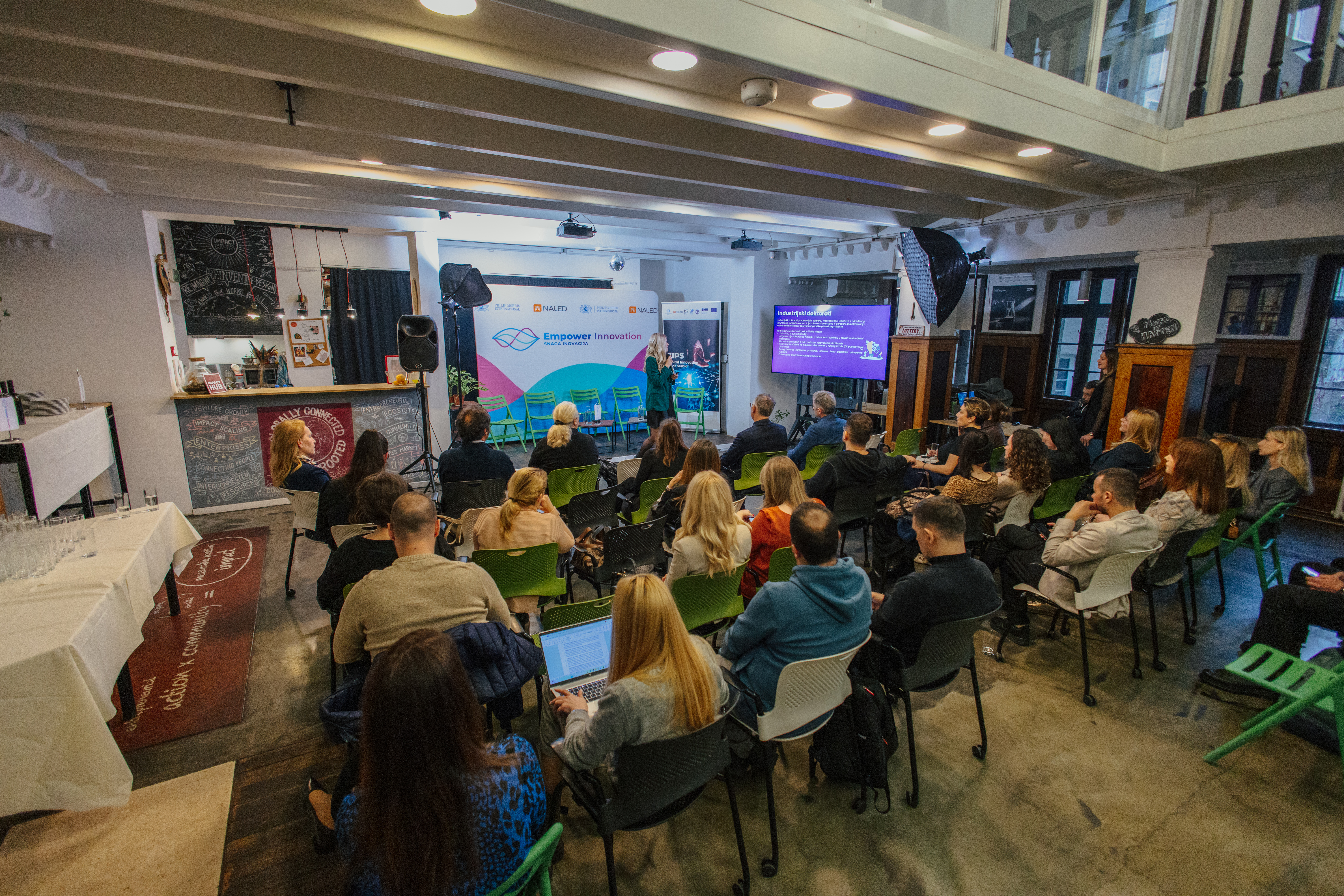
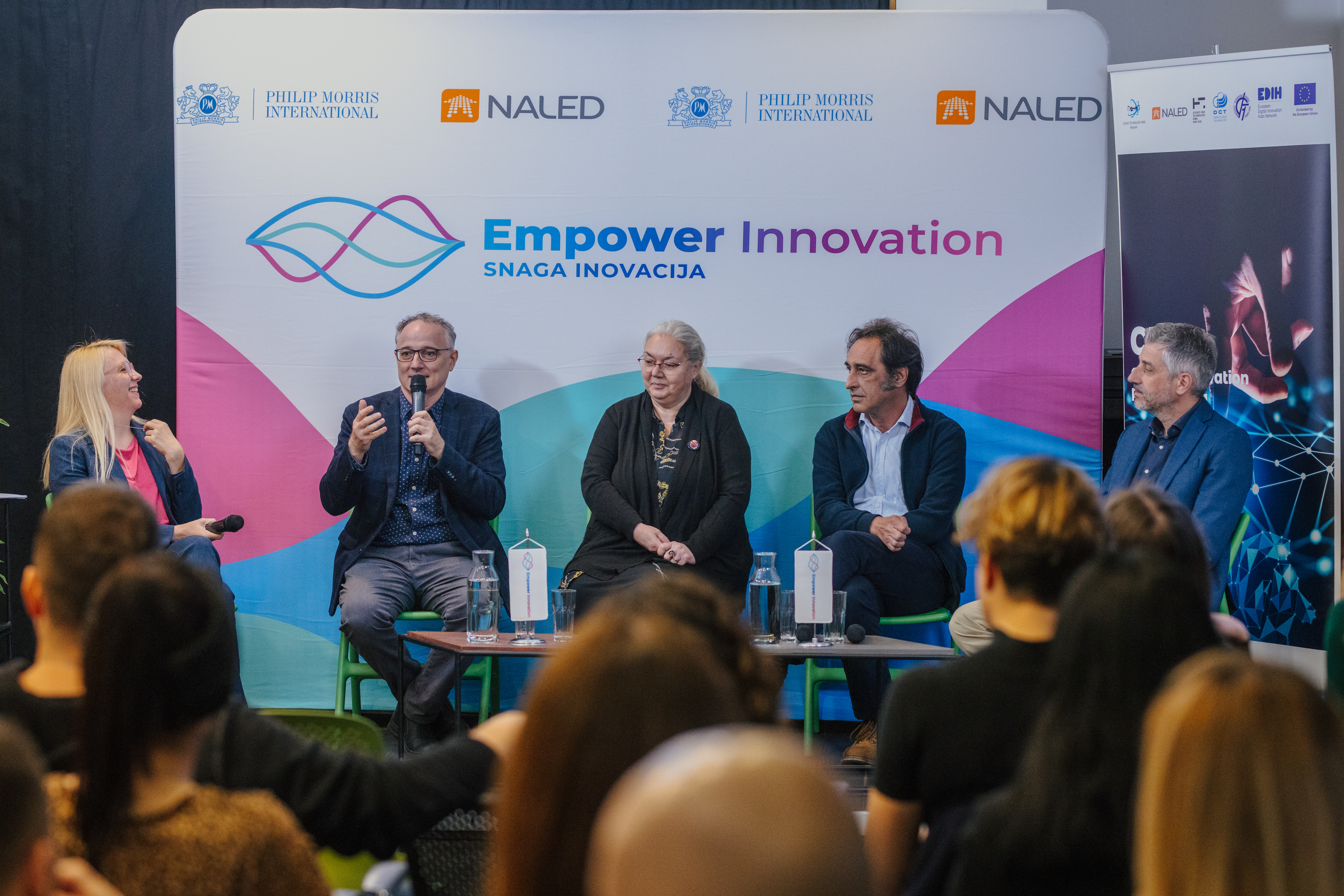
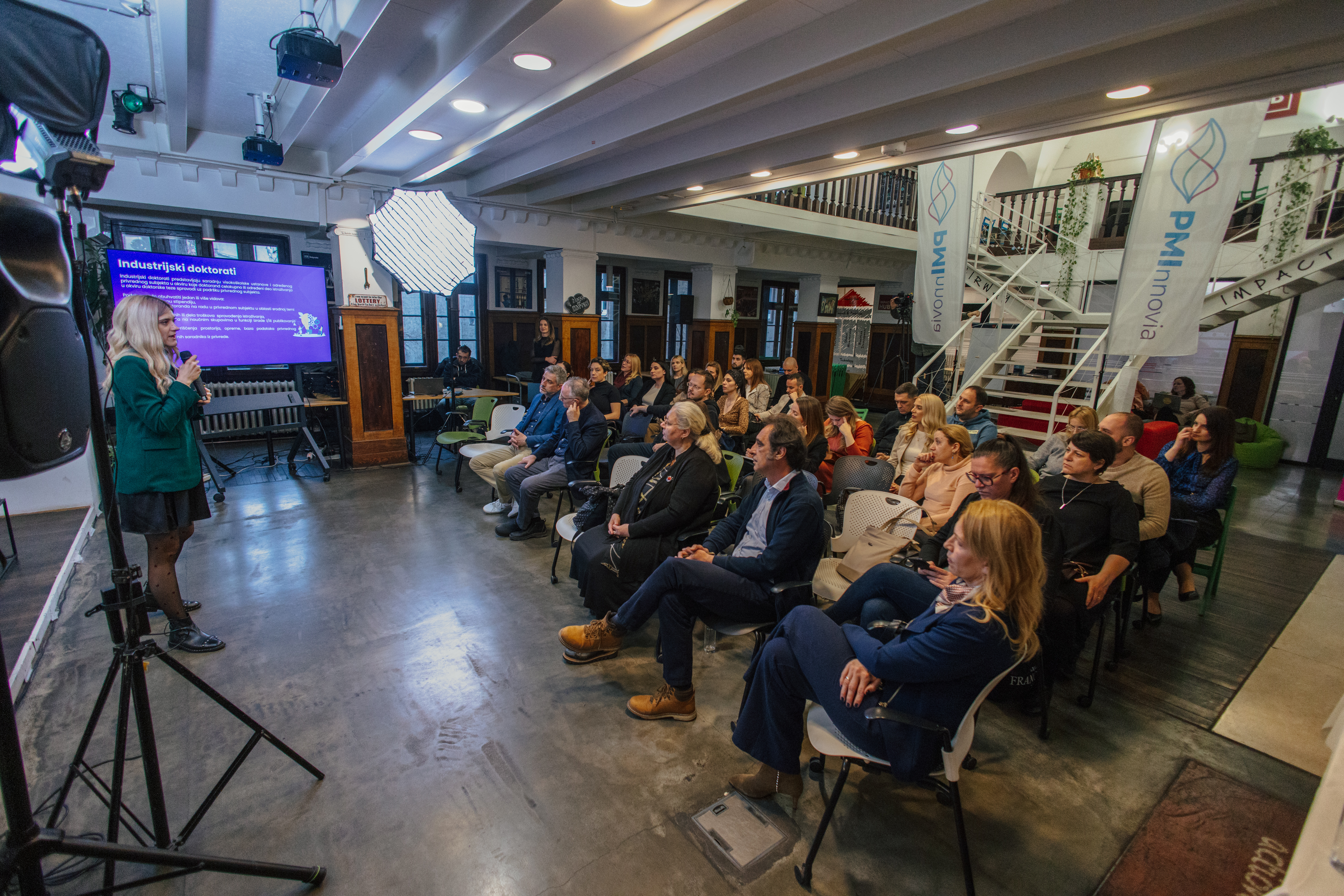
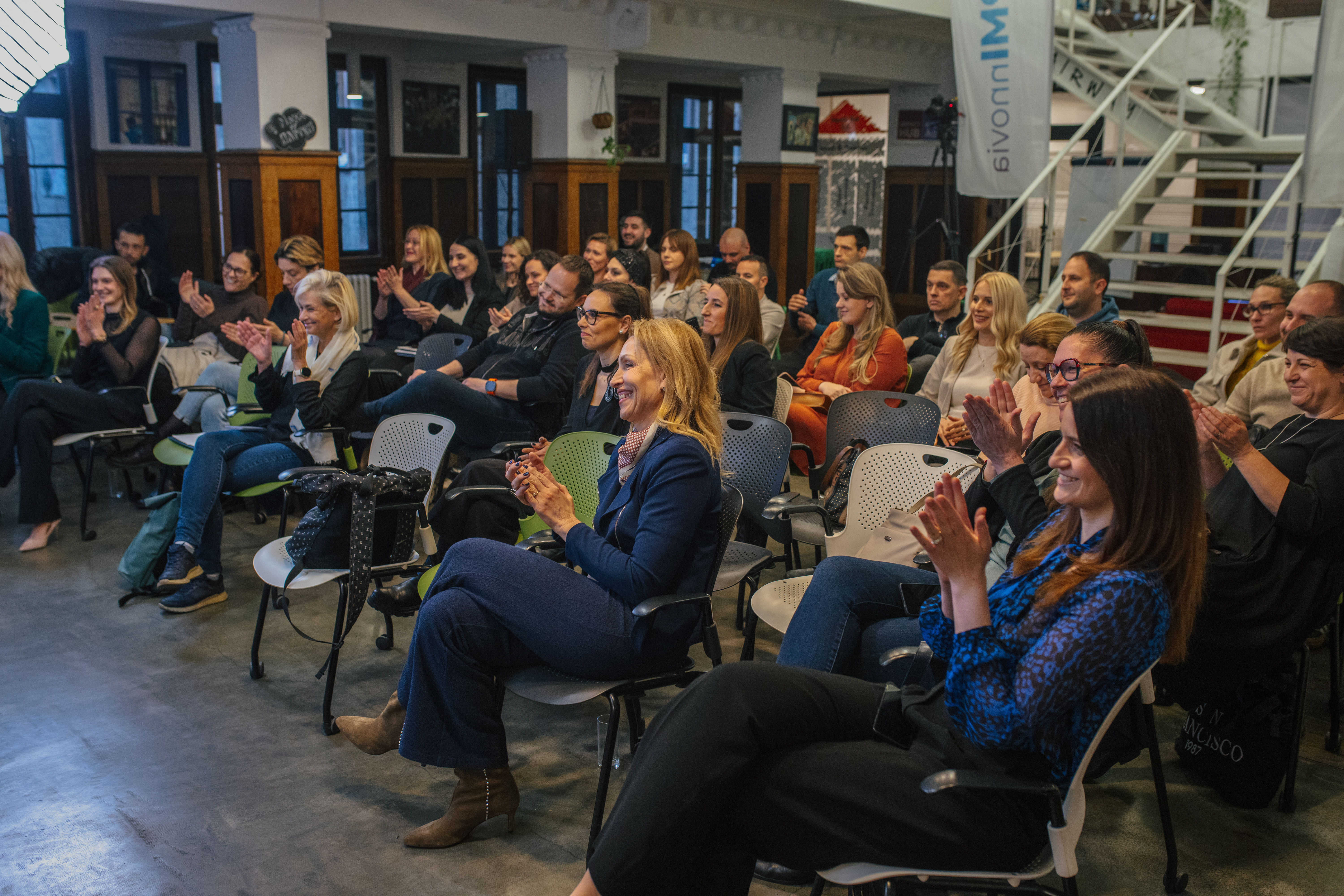
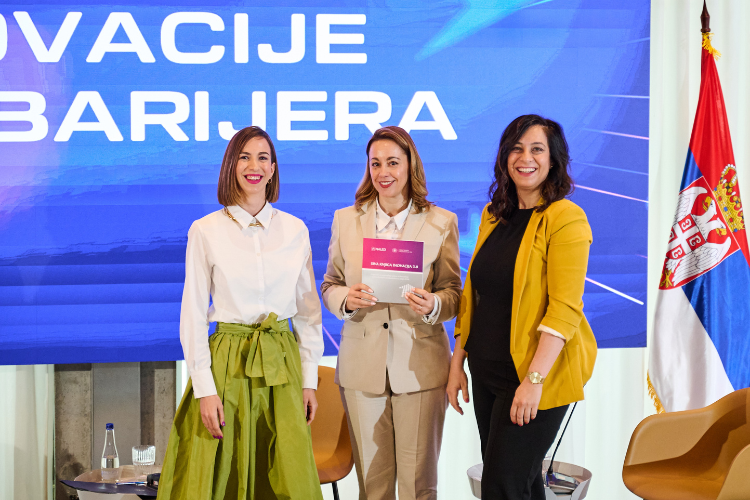
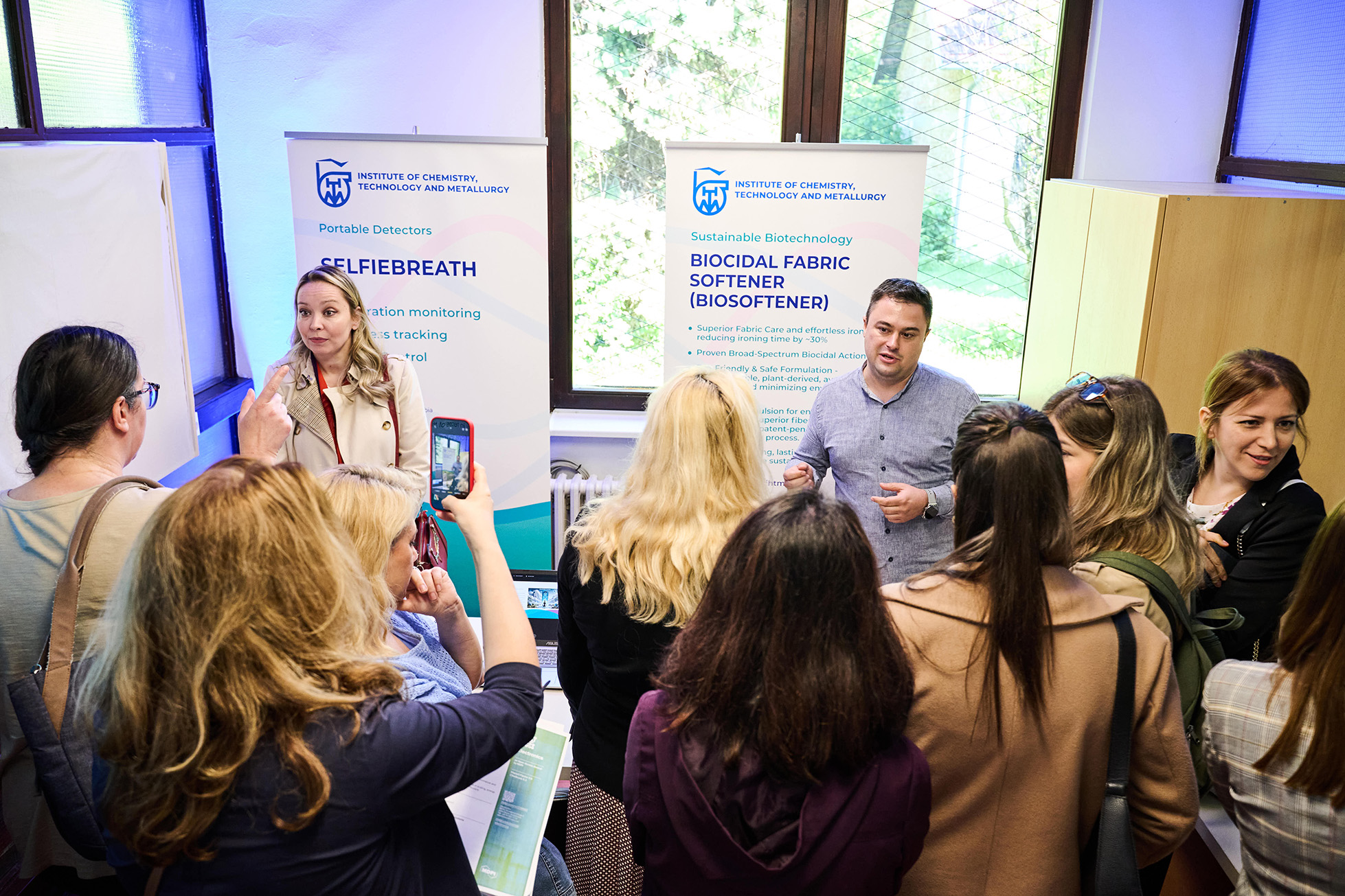
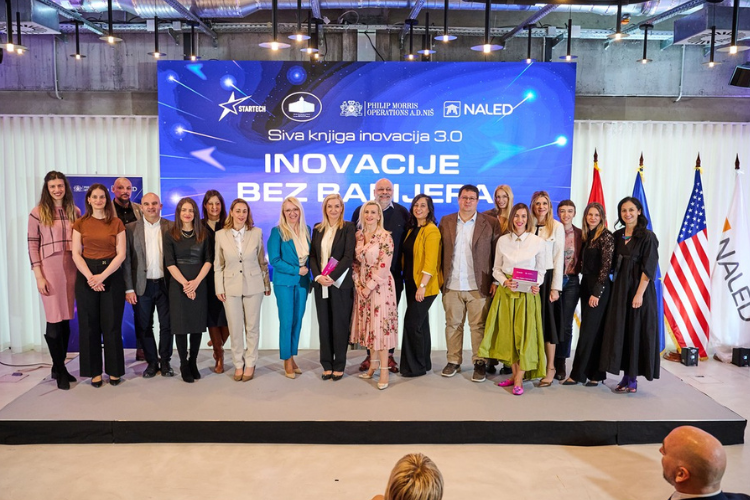
Bridging the gap between science and the market was the central theme of a panel on spin-off and spin-out companies. The difference between the two models lies in the fact that spin-off companies originate from existing companies, while spin-out companies emerge from universities or research institutes, based on new technologies and innovations. The panel was organized as part of the Empower Innovation project by Philip Morris International, implemented by NALED. It brought together researchers, representatives of the academic community, startups, and stakeholders from the public and private sectors to share experiences and practical solutions for fostering innovation.
"Only 8.3% of startups in Serbia have developed their innovations in cooperation with scientific institutions", says Jelena Bojović, Program Director at NALED, adding that the Empower Innovation project has organized several science fairs connecting innovators and companies in order to increase this percentage. She explains that teams are also provided with certified online training, mentorship support to improve their pitching skills, and policy analyses that encourage innovation development.
That the innovation ecosystem is gaining strength is confirmed by the project’s concrete results. More than 40 innovative solutions have been identified, and the first collaborations between science and industry have already taken shape. "These are no longer just ideas, these are concrete links between the laboratory and the market", emphasizes Tamara Stanković from Philip Morris International.
At a time when parts of the IT sector are experiencing layoffs, innovation-driven companies are moving in the opposite direction, creating new jobs.
"New jobs are being created in our company thanks to EU-funded projects we are working on. This is a huge opportunity for young people, as students can immediately engage in real-world solutions", says Goran Stojanović from the Faculty of Technical Sciences in Novi Sad, founder of Strentex. He also highlights one of the key challenges. "It is not easy for researchers to translate their knowledge into market value. It was not easy for me either, I do not even know how to price a car, let alone a service. That is why my advice is simple, charge for your knowledge."
The path from a scientific idea to a company is rarely linear, explains Nataša Golić, founder of DiaSolution from the Institute of Molecular Genetics and Genetic Engineering. "Through the StarTech project, we developed six products, but due to technical constraints, the Institute could not be the owner, so we had to establish a new company. The Institute is not a co-owner, but we are connected through licensing agreements, so part of the revenue flows back to the Institute."
International partnerships are also crucial for successful market entry. "We realized that we needed to further improve our product, so we partnered with an institute in France. Such collaborations are often decisive for commercialization", says Dejan Lazić from the Faculty of Biology in Belgrade, founder of BioCombact.
Speed and flexibility set spin-off companies apart from traditional models. "A company is like a speedboat. It is fast and agile, but it must be ready to face challenges. Innovation needs to be turned into a product, and the market does not forgive slowness", says Boban Stojanović from the Faculty of Science in Kragujevac, founder of Vodena, adding that cooperation with faculties further accelerates development.
The message from the panel is clear. Serbia has the knowledge, ideas, and people capable of bringing them to life. What is still missing are stronger systemic support mechanisms and a clearer framework for the development of spin-off companies. Nevertheless, initial results show that the gap between science and business is closing faster than before.