People Are the Key to Sustainable Agriculture
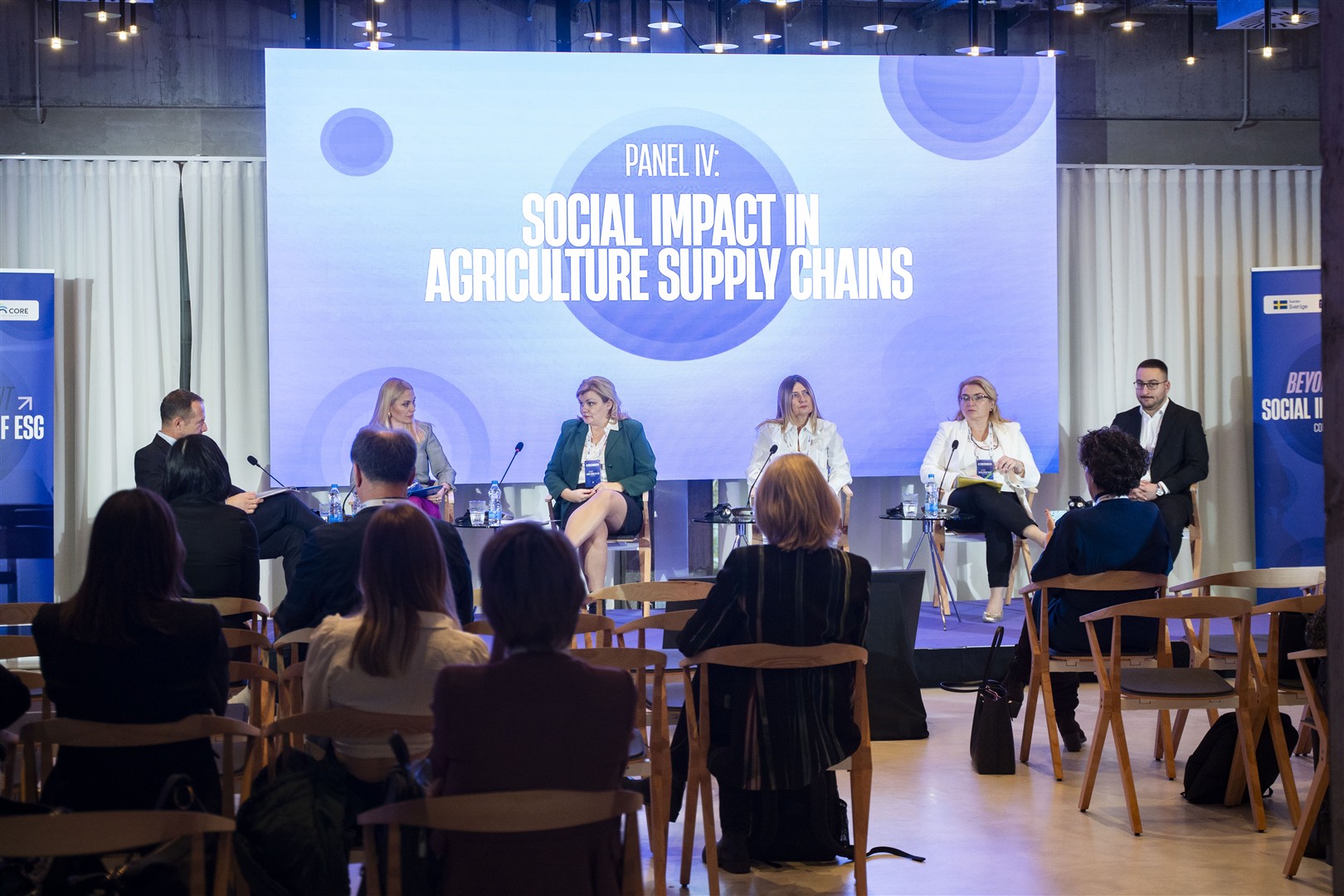
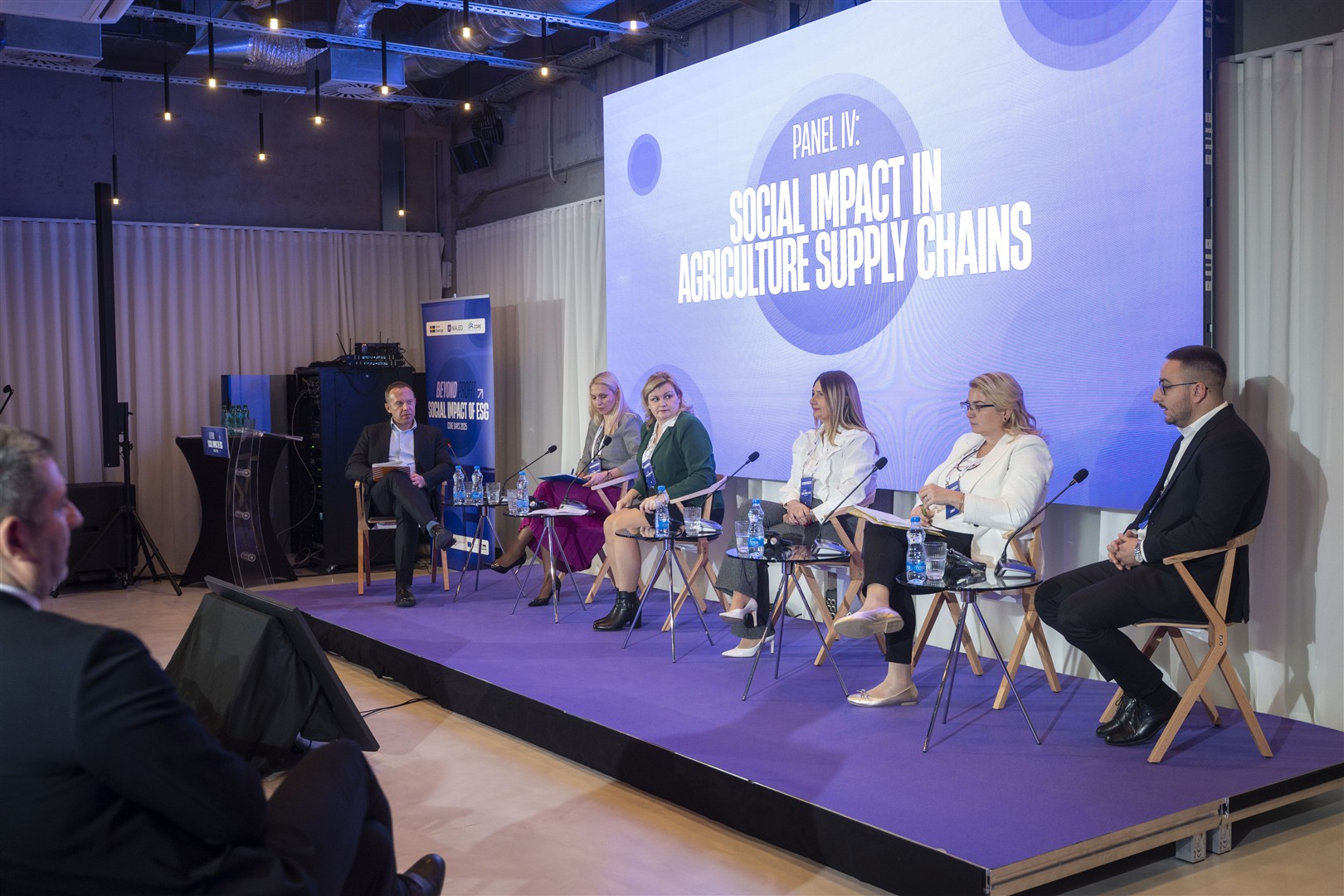
Investing in people has the greatest impact on the long-term competitiveness and resilience of the agricultural sector, while improving labor rights, strengthening the position of women and young people in rural areas, and providing greater support to vulnerable groups remain priorities for the further development of Serbia’s food industry, it was emphasized at the panel “Social Impact in Agricultural Supply Chains.”
Danijela Mirjanić, State Secretary at the Ministry of Agriculture, Forestry and Water Management, highlighted that migration from rural to urban areas leaves consequences in the form of a declining number of farmers and agricultural households, creating an additional need to support rural development.
“The Ministry strives to distribute incentives evenly across all branches of agriculture, from livestock farming to fruit growing and crop production. We pay particular attention to the position of women in rural areas, so during the allocation of subsidies we give additional points in cases where a woman is the registered holder of the farm,” Mirjanić said.
Tamara Penjić, Executive Director of Carnex, stated that the social component of ESG standards is the most important but also the most complex within the “farm to table” system.
“People are our primary resource, and we are aware that we must first ensure their satisfaction for the system to function. We are working to provide equal rights for all employees, from primary production to logistics and sales. It is also important that every actor in the value chain applies ESG standards, which is why we have criteria that both small and large companies we work with must meet,” Penjić said, noting that cooperation with the local community is an essential aspect of sustainable business.
Milka Nedeljković, Head of the Agricultural Office in the Municipality of Gornji Milanovac, noted that this municipality is a leader in Serbia in terms of budget allocation for agriculture and added that the Rural Development Strategy for 2023–2029 is an important strategic document for this field.
“The Agricultural Office was established in 2016 and serves as a support service for citizens across 63 rural settlements and for 5,600 farmers in the area. Through local action groups, formed in cooperation with the City of Čačak in 2019, we are committed to developing rural communities and hope that this model will become widespread throughout Serbia,” said Nedeljković.
Associate Professor at the Faculty of Agricultural Sciences and Food in Skopje, Dr. Emelj Tuna, stressed that migration in the Western Balkans is one of the biggest challenges for rural areas, noting the example of North Macedonia, from which about 30% of the population has emigrated.
“At the same time, 60% of women in rural areas are burdened with unpaid work. We need more reliable data on women in rural communities, which would enable policymakers to design measures that respond to actual needs and help stop migration trends,” she said.
Farmer and founder of the Poljoprivredne novosti portal, Miloš Stojanović, reflected on the challenges faced by young people in rural areas, such as unstable markets, low purchase prices, lack of capital and labor, and weak infrastructure that directly affects quality of life.
“Subsidies per hectare need to be diversified and adapted to high-productivity branches on smaller land areas, such as fruit growing, vegetable production, and floriculture. Support for unemployed women in rural areas through a fund for health and social insurance would provide them with security, but a clear rural development strategy is essential, as well as greater involvement of young people in policymaking so they can remain in rural areas and build their lives within their communities,” Stojanović concluded.