
Why Mandatory Architectural Competitions Are Crucial for the Quality of Public Investments in Serbia
With the adoption of the National Architectural Strategy 2023–2035, architecture in Serbia has been recognized as an activity of special public interest. Given its significant impact on the quality of life of citizens, sustainable spatial development, and the preservation of the cultural identity of communities, this strategic document emphasizes the need to improve the quality of the built environment, particularly in the segment of public buildings and spaces financed from public funds. However, in practice, there is still no obligation to conduct architectural competitions for buildings that are constructed or expanded using public funds. Within the current legislative and institutional framework, design documentation is most often procured through public procurement procedures in which the lowest price is the primary criterion, leading to lower-quality solutions and inefficient use of budgetary resources.
Practical experience shows that this approach often results in higher overall implementation costs, insufficient spatial, functional, and environmental quality, as well as a lack of development of a culture of building. Instead of the planned savings, costs increase during construction and use, project timelines are extended, and additional interventions become necessary. Architectural competitions enable the transparent selection of the best design solutions, more rational management of public funds, and higher-quality public buildings in the long term. They encourage creativity, competition, and the involvement of a broader range of professionals, thereby increasing the likelihood of selecting solutions that are functional, sustainable, and adapted to the local context.
It is recommended that the obligation to conduct architectural competitions be clearly stipulated in the Law on Planning and Construction, the Law on Public Procurement, as well as in relevant bylaws and internal regulations of public-sector investors, for all projects financed with public funds, with clearly defined exceptions and thresholds. This would ensure the consistent implementation of the National Architectural Strategy, improve the quality of public investments, strengthen public trust in the use of public funds, and align Serbia with good European practice, which has already been established in almost all European Union member states and countries in the region.
The text was prepared for the purposes of the members’ newsletter of the Alliance for Property and Investment.
Related Content
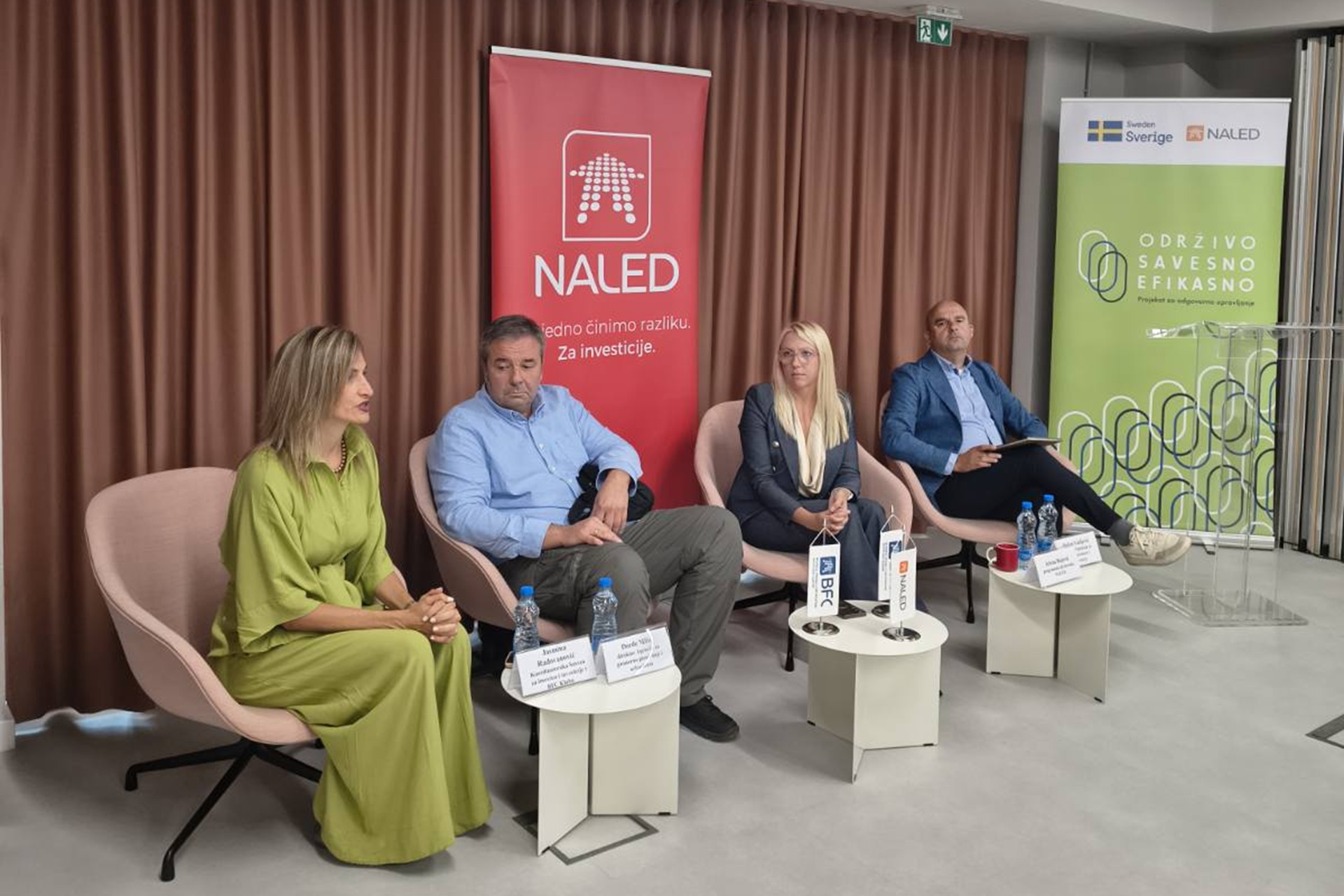
A session of the Property and Investment Alliance and the BFC Club was held
30.09.2025
The draft Bill on Special Conditions for Recording and Registration of Property...Read more
Property and investment Alliance ready for the new Government
17.04.2025
NALED, together with its property and investment Alliance, is ready to welcome...Read more
Property and Investment Alliance
The Property and Investment Alliance, as an expert working body of NALED, was founded in late May 2018 by NALED members, and today it...Read more

Why “legalization” now has a chance
14.12.2025
The adopted Bill on Special Conditions for Recording, Registration of Rights to Real Estate introduces a digitalized and simplified...Read moreThis website uses cookies to ensure the best user experience. By continuing to browse the site, you consent to the use of cookies.
CONTINUE LEARN MORE