StarTech Delegation Visits Denmark: Exchanging Knowledge on Biotechnology and Clinical Trials
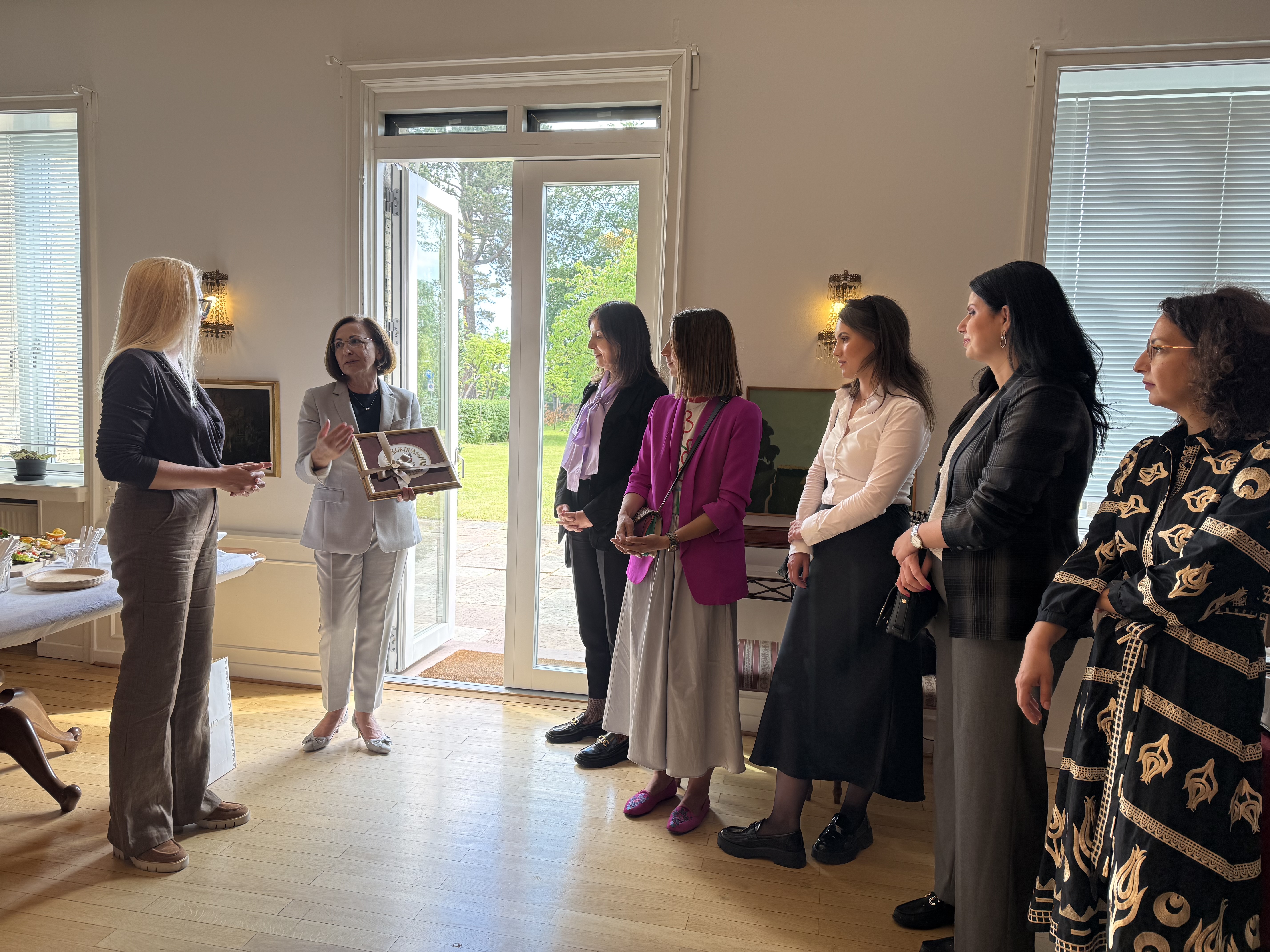
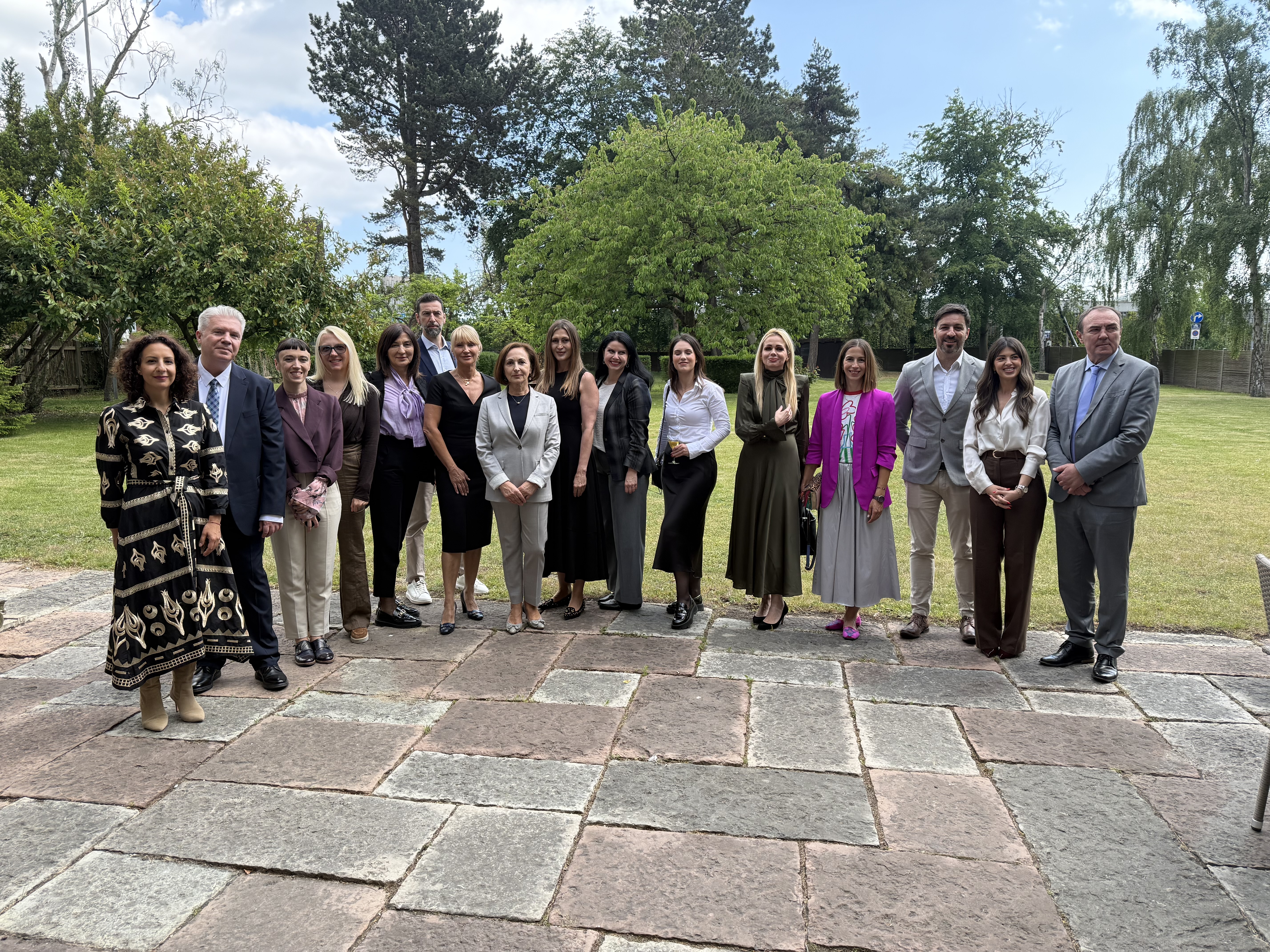
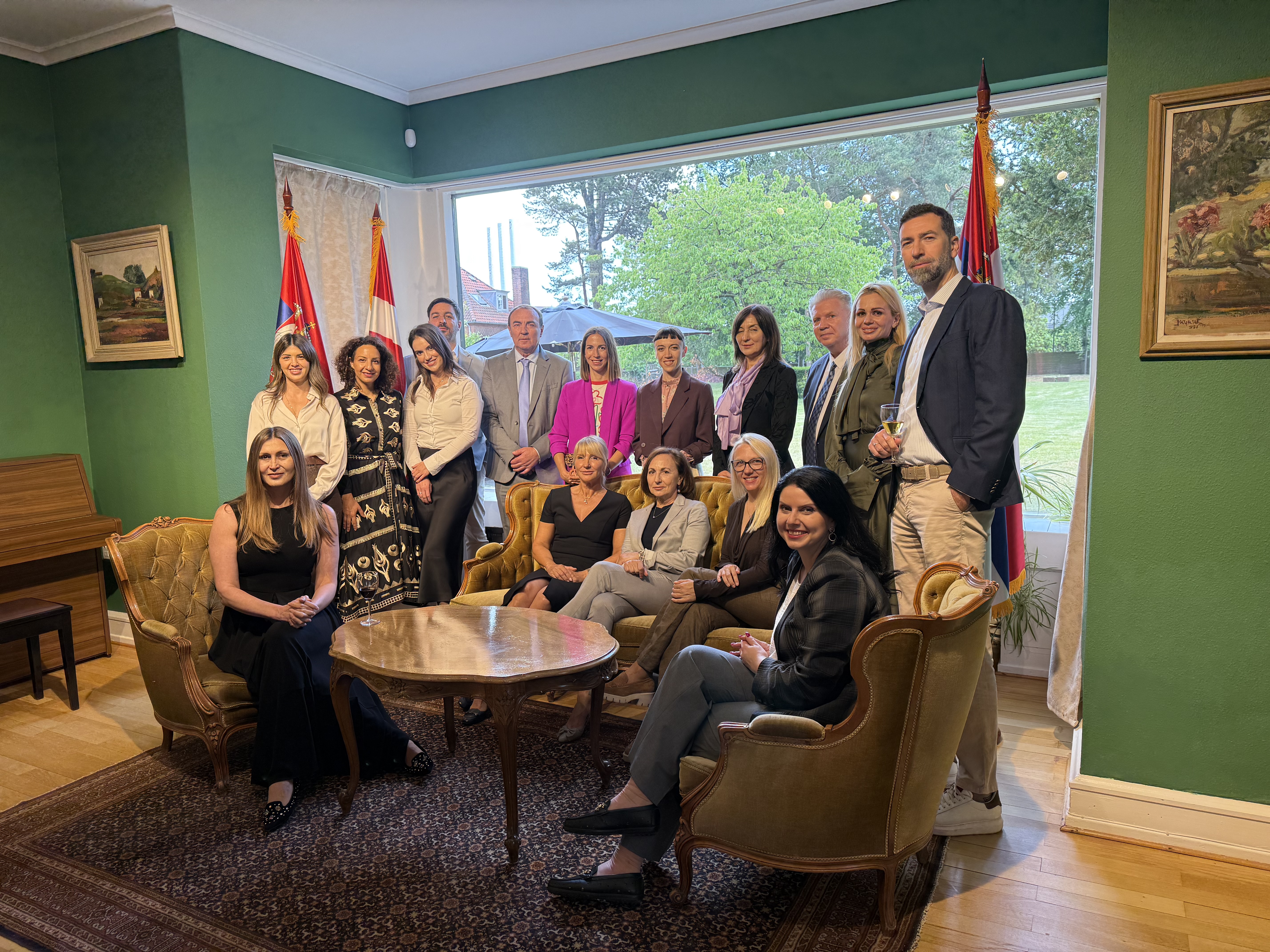
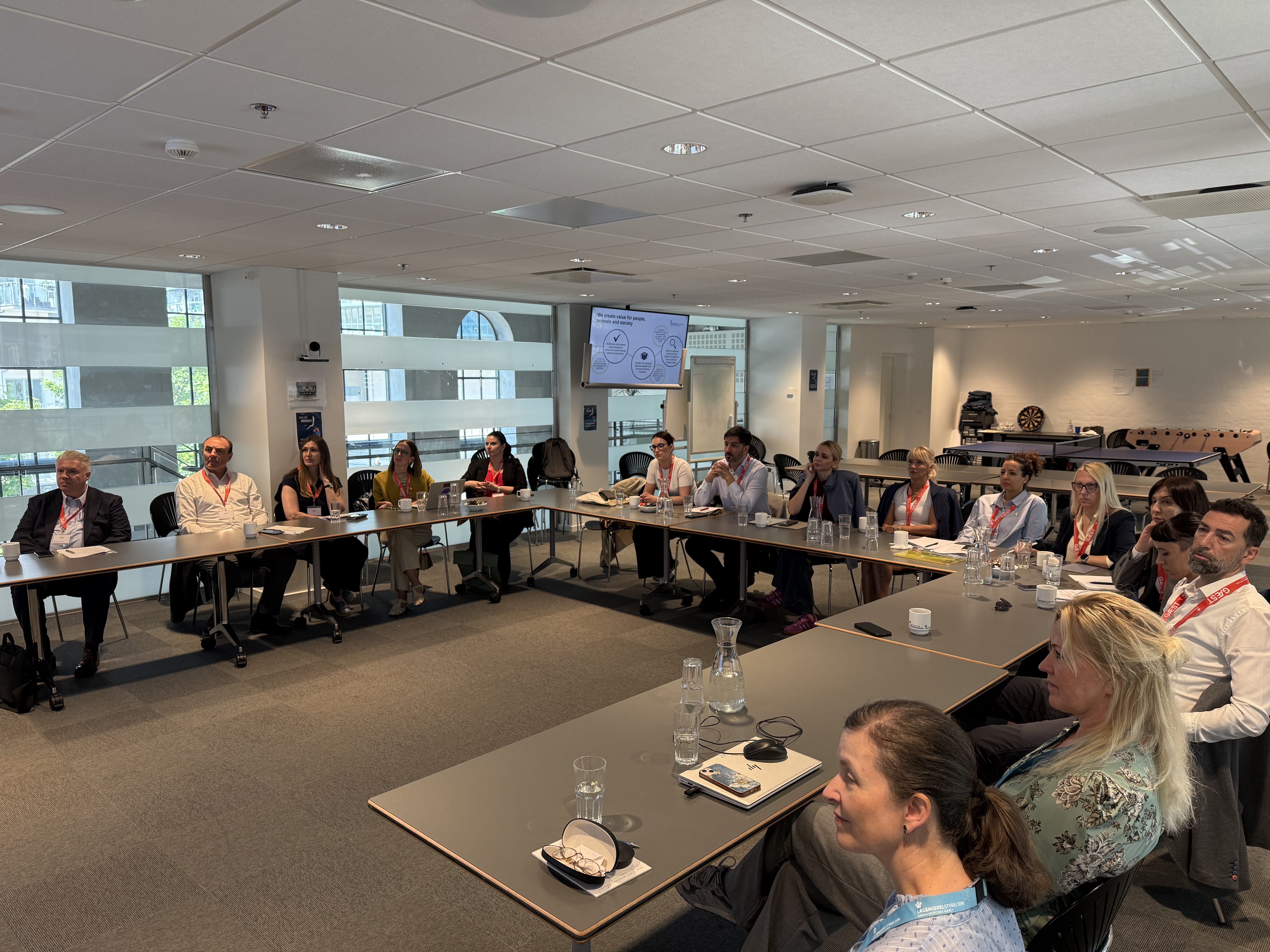
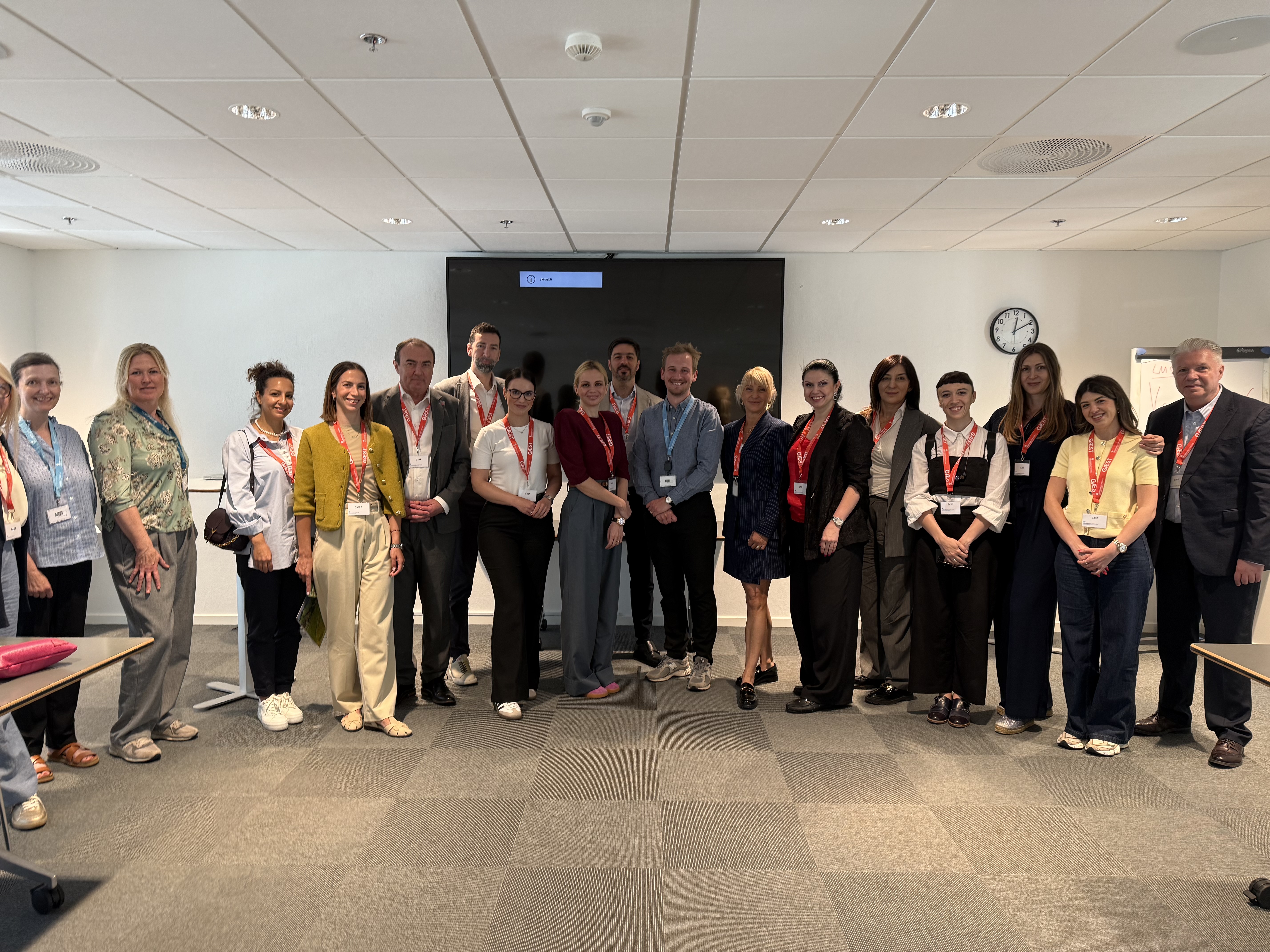
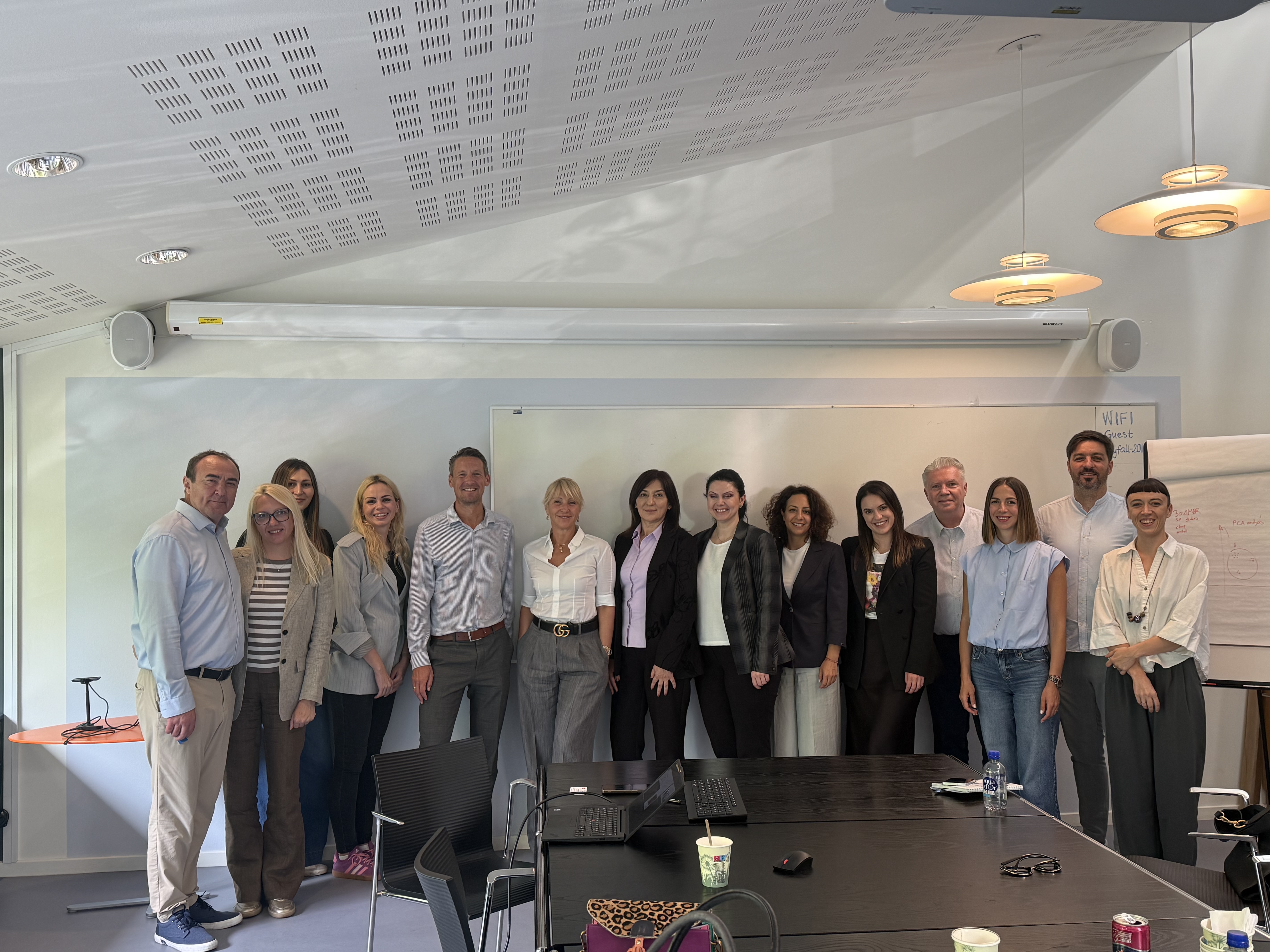
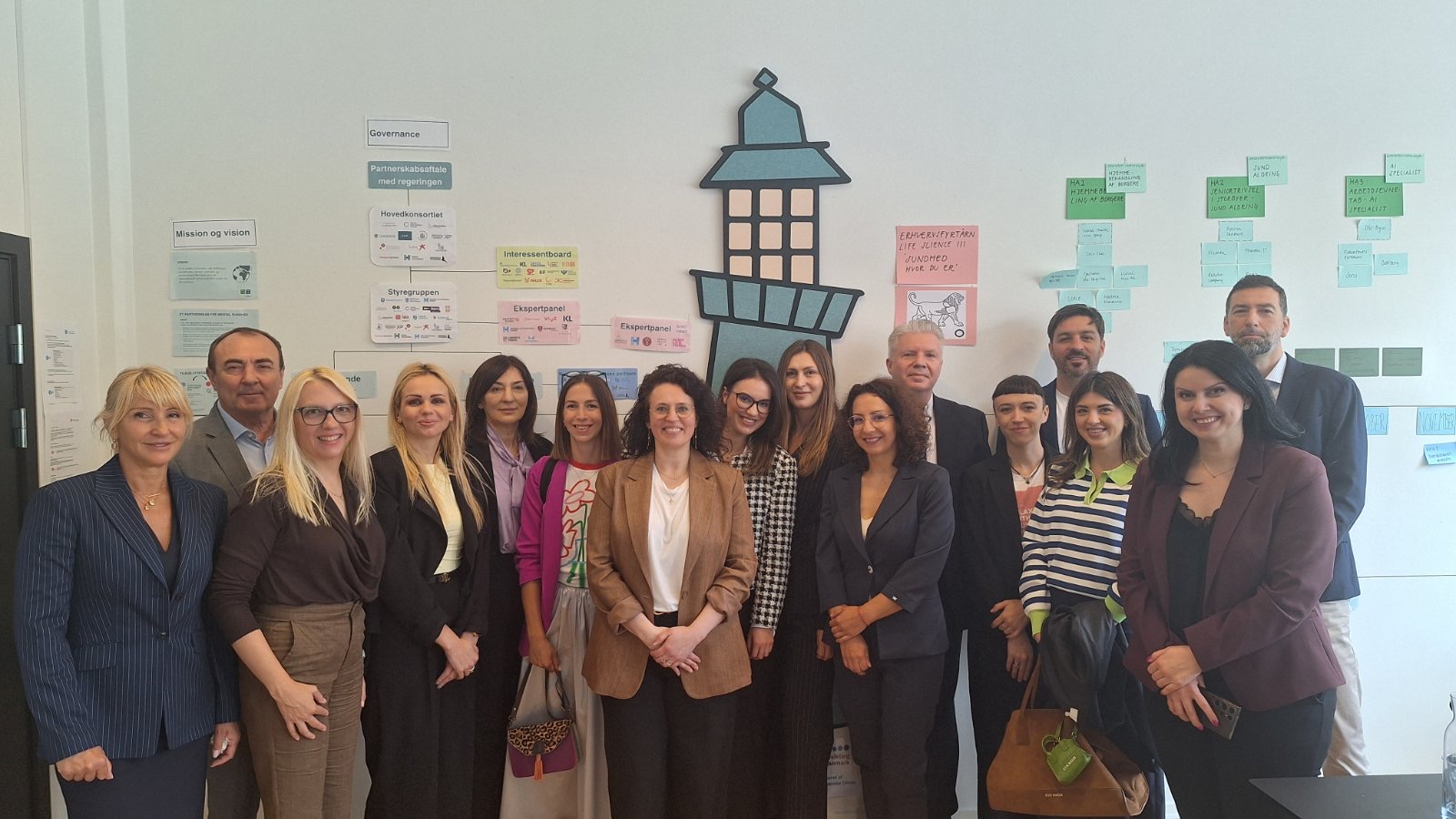
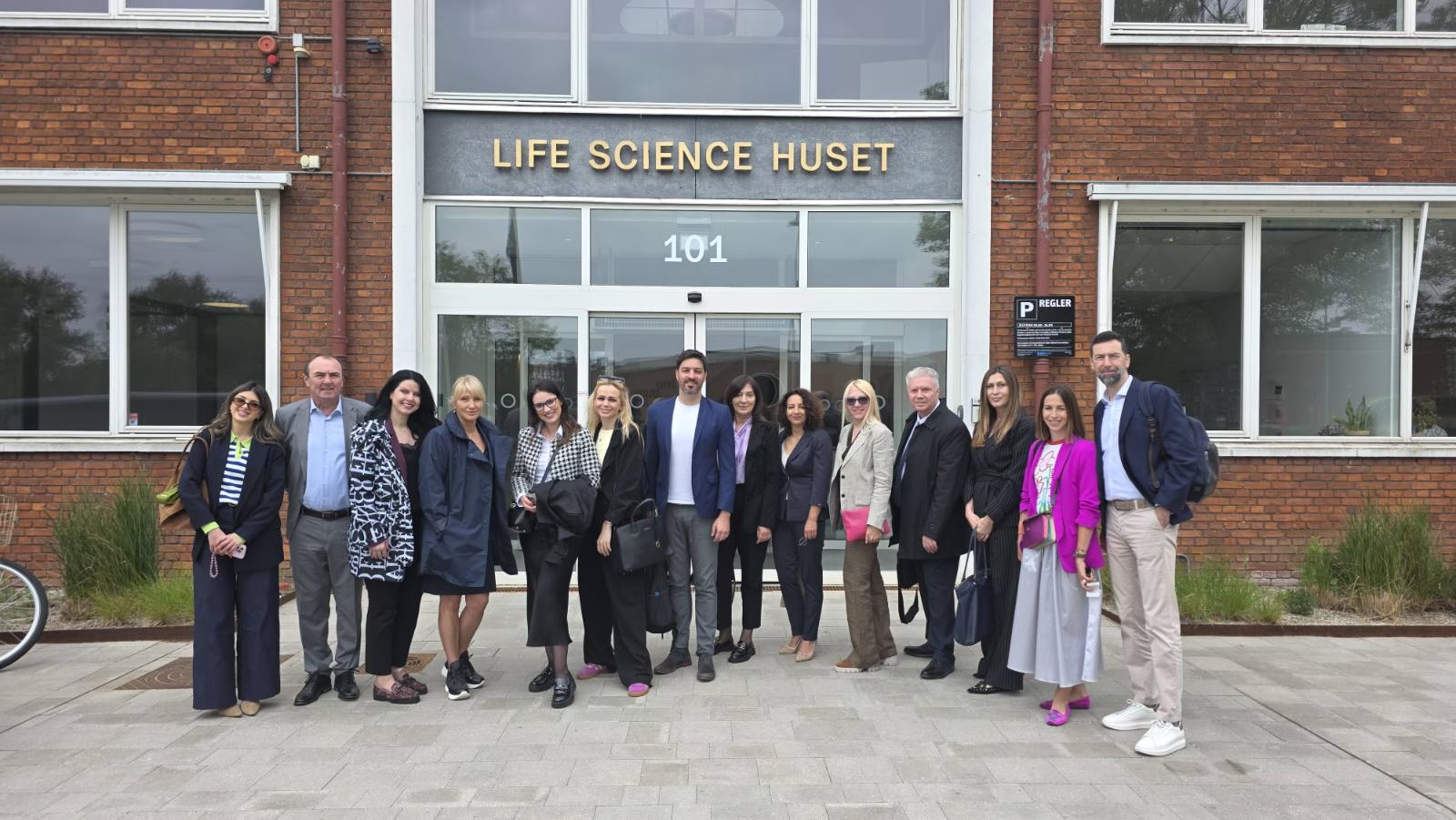
A delegation of experts from Serbia, led by NALED within the framework of the StarTech project, successfully completed a four-day study visit to Copenhagen. The visit was dedicated to gaining deeper insight into Denmark’s advanced innovation ecosystem, its national life sciences development strategy, as well as its approaches to conducting clinical trials and commercializing biotechnology solutions.
In addition to NALED representatives, the delegation included key stakeholders from Serbia’s healthcare, academic, and regulatory sectors, including officials from the Medicines and Medical Devices Agency of Serbia and BIO4 Campus; directors and researchers from the Institute for Medical Research and the Institute for the Application of Nuclear Energy; vice deans and professors from the Faculties of Pharmacy and Medicine of the University of Belgrade; members of the Ethics Committee of the University Clinical Center of Serbia; representatives of the Dedinje Institute for Cardiovascular Diseases; as well as experts from Novo Nordisk and Philip Morris International.
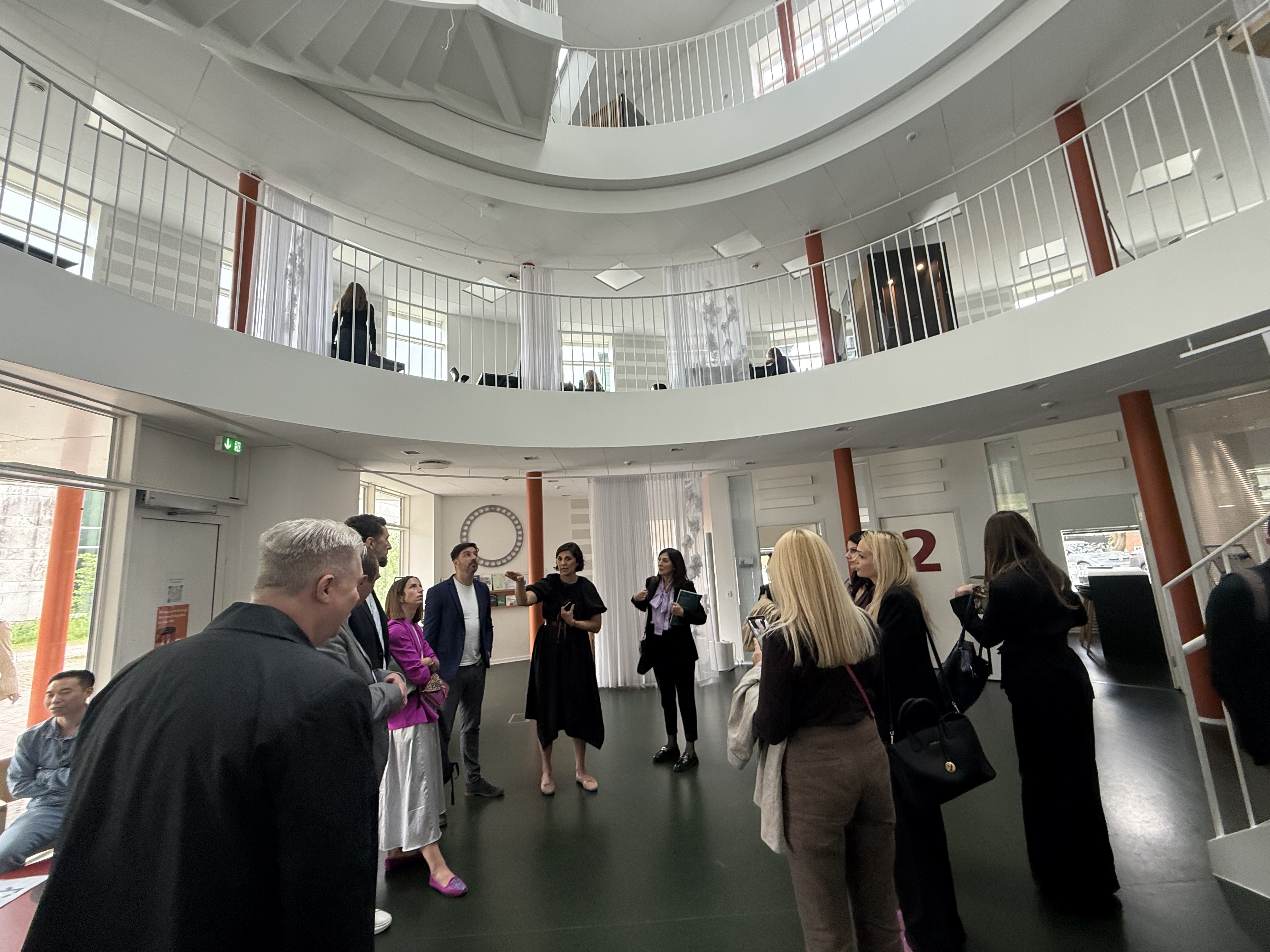
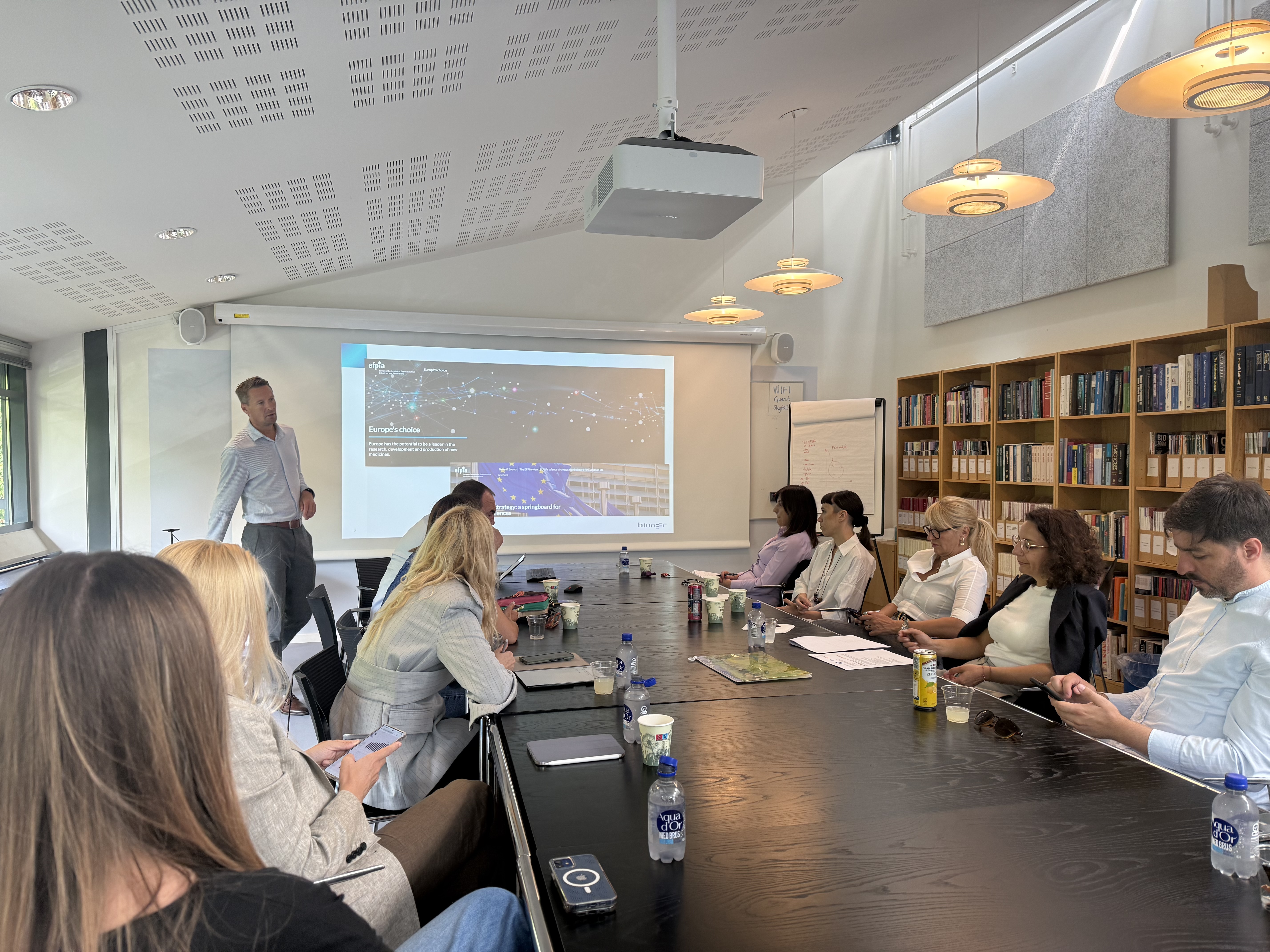
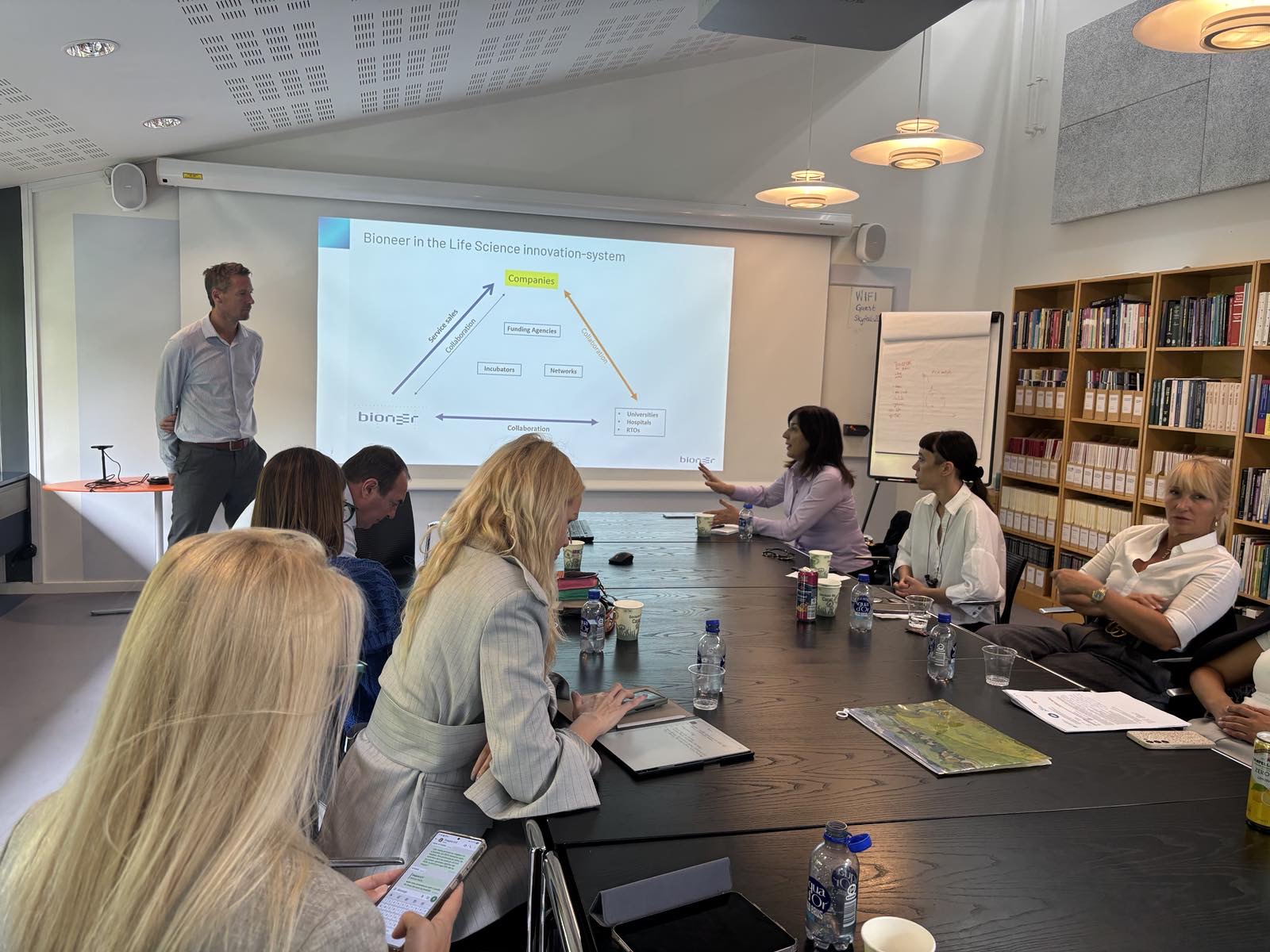
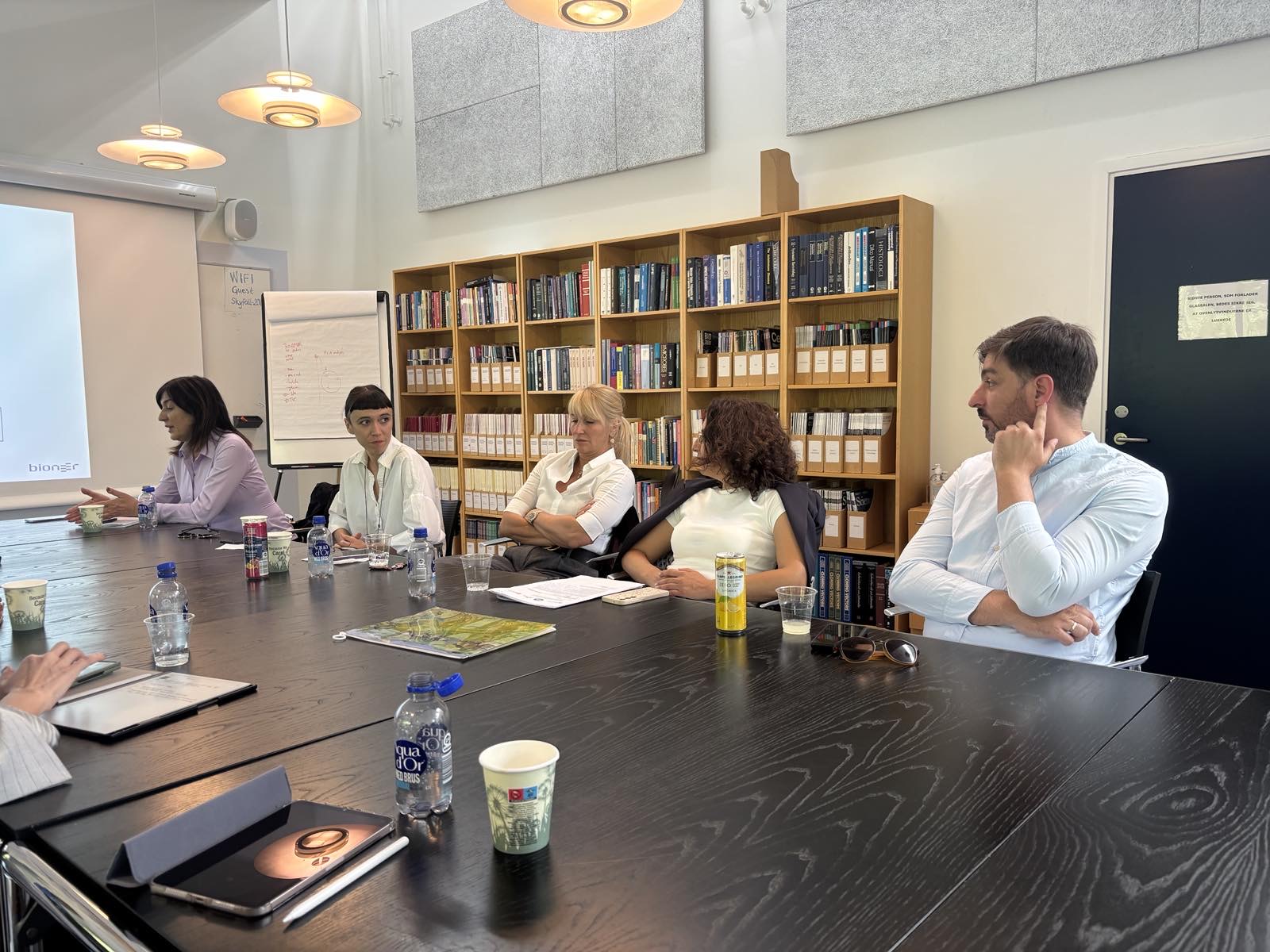
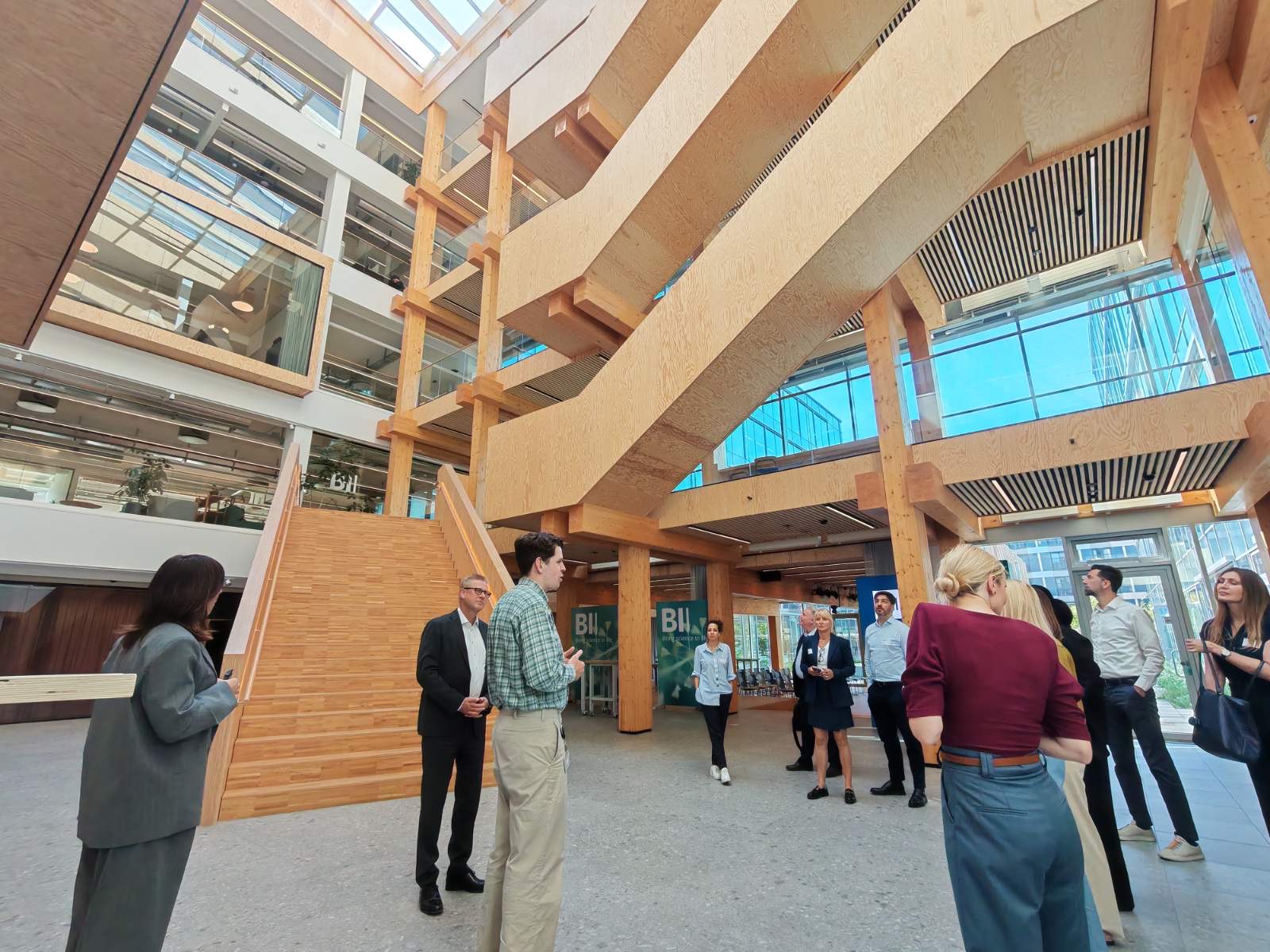
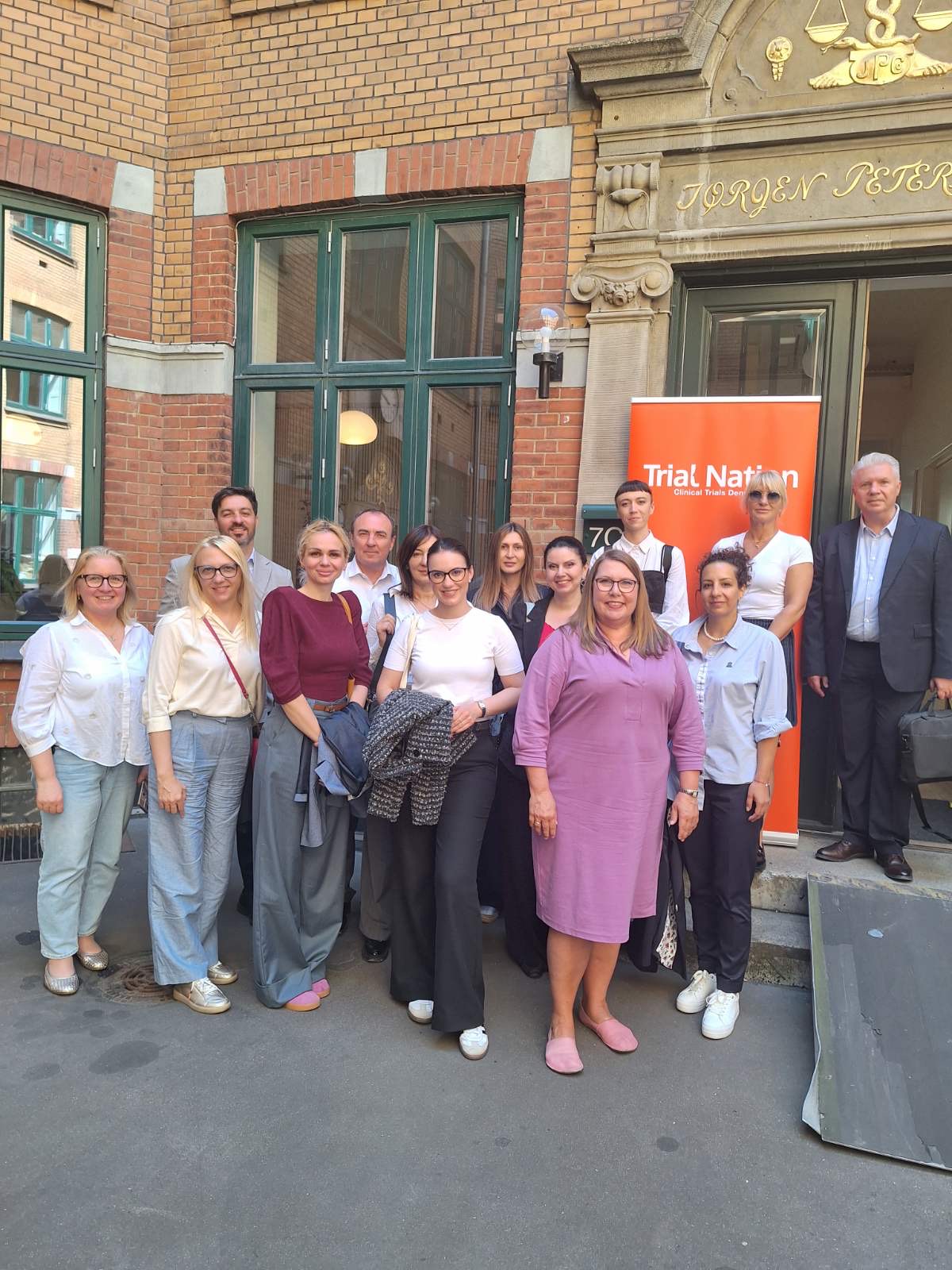
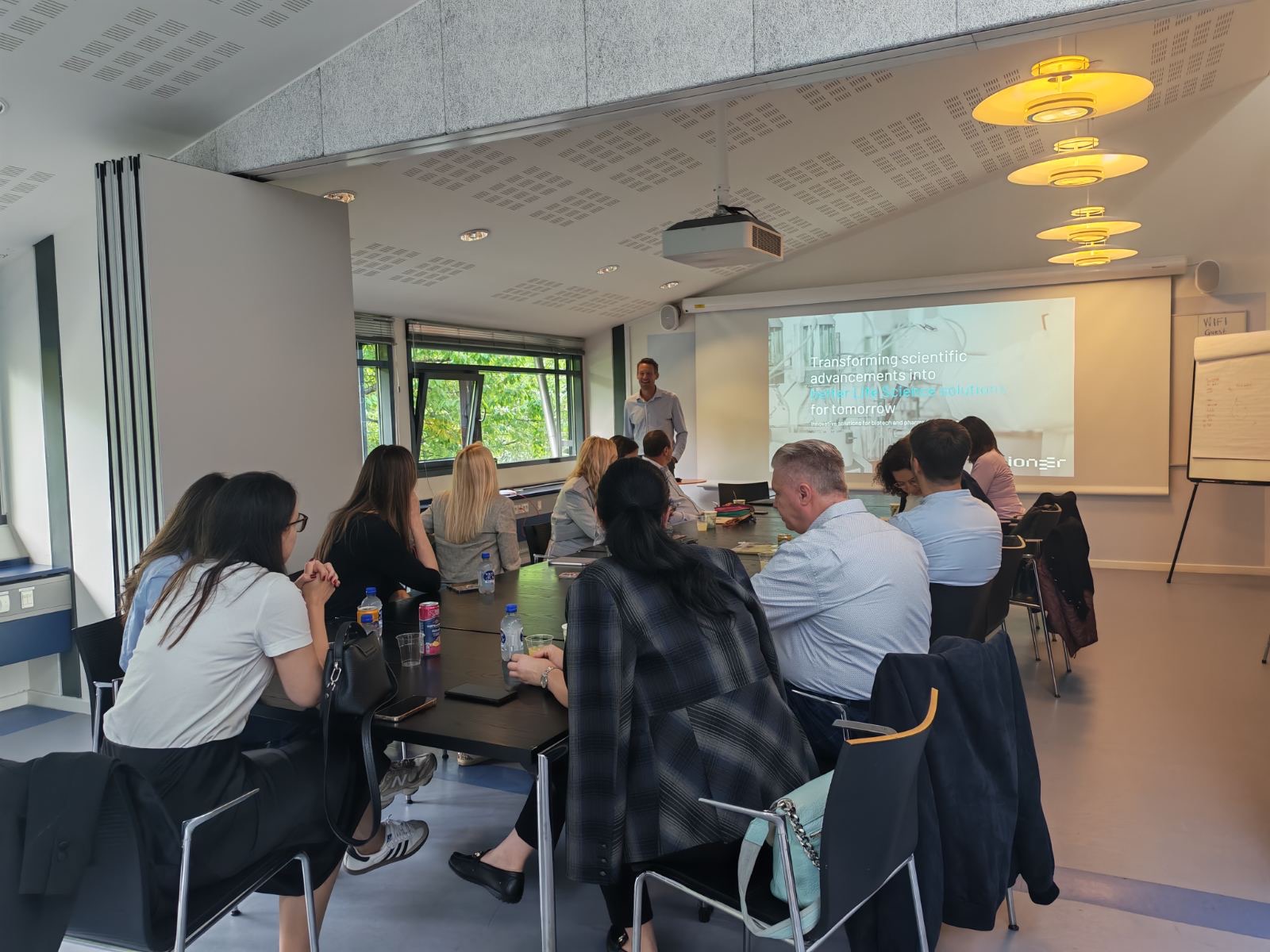
During the intensive programme, the Serbian delegation visited leading institutions that form the backbone of Denmark’s innovation ecosystem. Working meetings were held with the Danish Life Science Cluster and Healthcare Denmark, where participants explored the structure of Denmark’s universal healthcare system and the mechanisms through which the country promotes its technological solutions on the global market. At the University of Copenhagen, the delegation learned about the activities of the KU Lighthouse innovation hub and the university’s internal funding mechanisms supporting spin-out companies. Visits to the BioInnovation Institute and Bioneer provided first-hand insight into the mentoring and infrastructure support available to startups in the earliest stages of drug development and preclinical research. A dedicated segment of the visit focused on the regulatory framework and the efficiency of approval procedures, discussed during meetings with the Danish Medicines Agency and Trial Nation, an organization that serves as a single point of contact for all commercial clinical trials conducted in Denmark.
A key takeaway from the study visit was the importance of long-term, formalized cooperation between the public and private sectors, which stands as a fundamental driver of Denmark’s success. The Danish model demonstrates that successful innovation development is not built on isolated, short-term projects, but rather on stable public-private partnerships and the alignment of business and scientific objectives with broader national healthcare priorities. Furthermore, the high level of healthcare system digitalization, the use of standardized hospital contracts that significantly reduce administrative burdens, and the proactive role of regulatory authorities through the establishment of controlled environments for testing innovations (regulatory sandboxes) represent valuable lessons that could also be applied in Serbia, particularly in the context of the further development of the StarTech project and the establishment of the BIO4 Campus.