Legal Status of More Than 50,000 State-Owned Properties Needs to Be Resolved
More than 50,000 properties owned by the state still have an unresolved legal status, and registering them in accordance with the Law on Public Property would generate significant budget revenues through sales, leasing, and property tax collection, as well as enable the launch of new investment projects across the country, according to a new analysis by NALED on the registration of public property in the real estate cadastre.
The biggest issue concerns around 16,000 facilities that are still registered as socially owned property, although this form of ownership no longer exists under the applicable Law. In addition, for approximately 30,000 other properties - 60% of which are commercial premises - it is necessary to conduct an additional review of all registered individual units to determine whether they meet the conditions for registration as public property in line with the Law on Public Property, bearing in mind that the deadlines for transferring properties used or managed by local governments, public enterprises, or other authorities into the public property regime expired back in 2021.
The analysis concludes that the first step should be to legally harmonize the registration of state-owned assets with the categories recognized by the Law on Public Property, after which a full inventory of all properties should be conducted and decisions made on which assets will be sold, which will be leased, and which will remain state-owned.
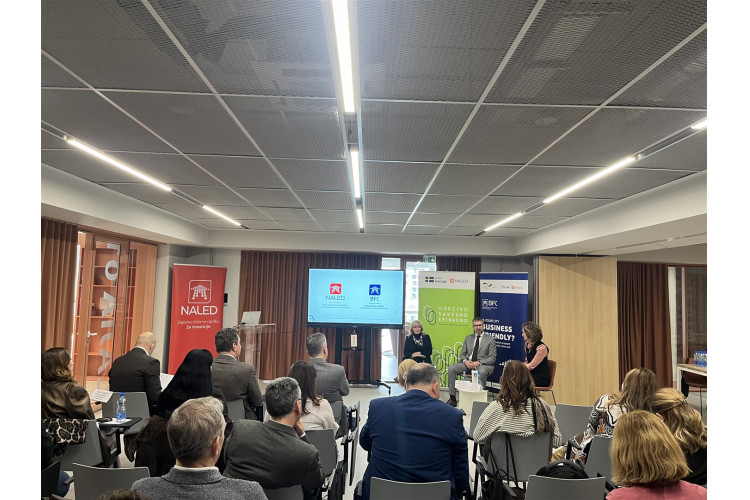
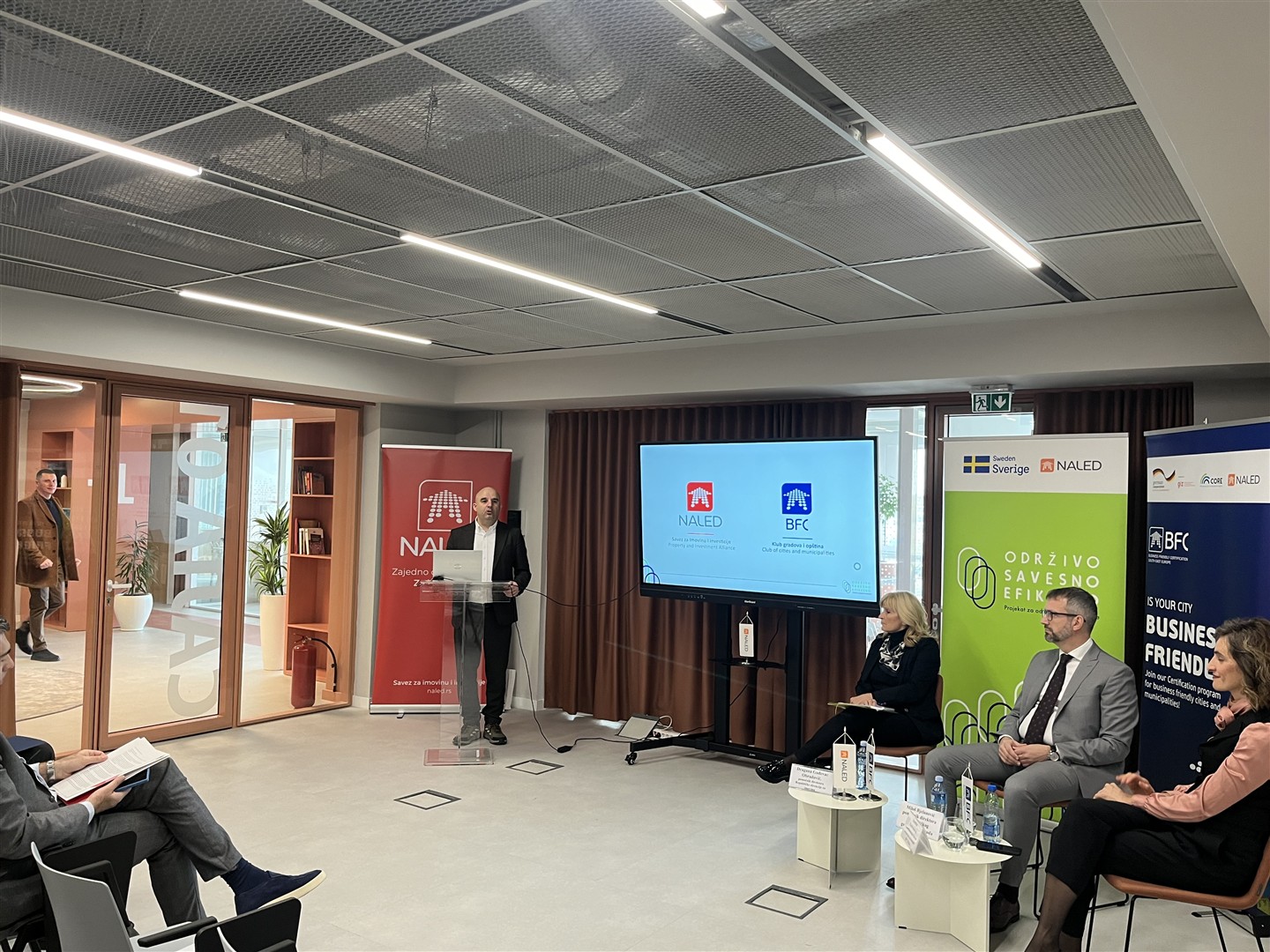
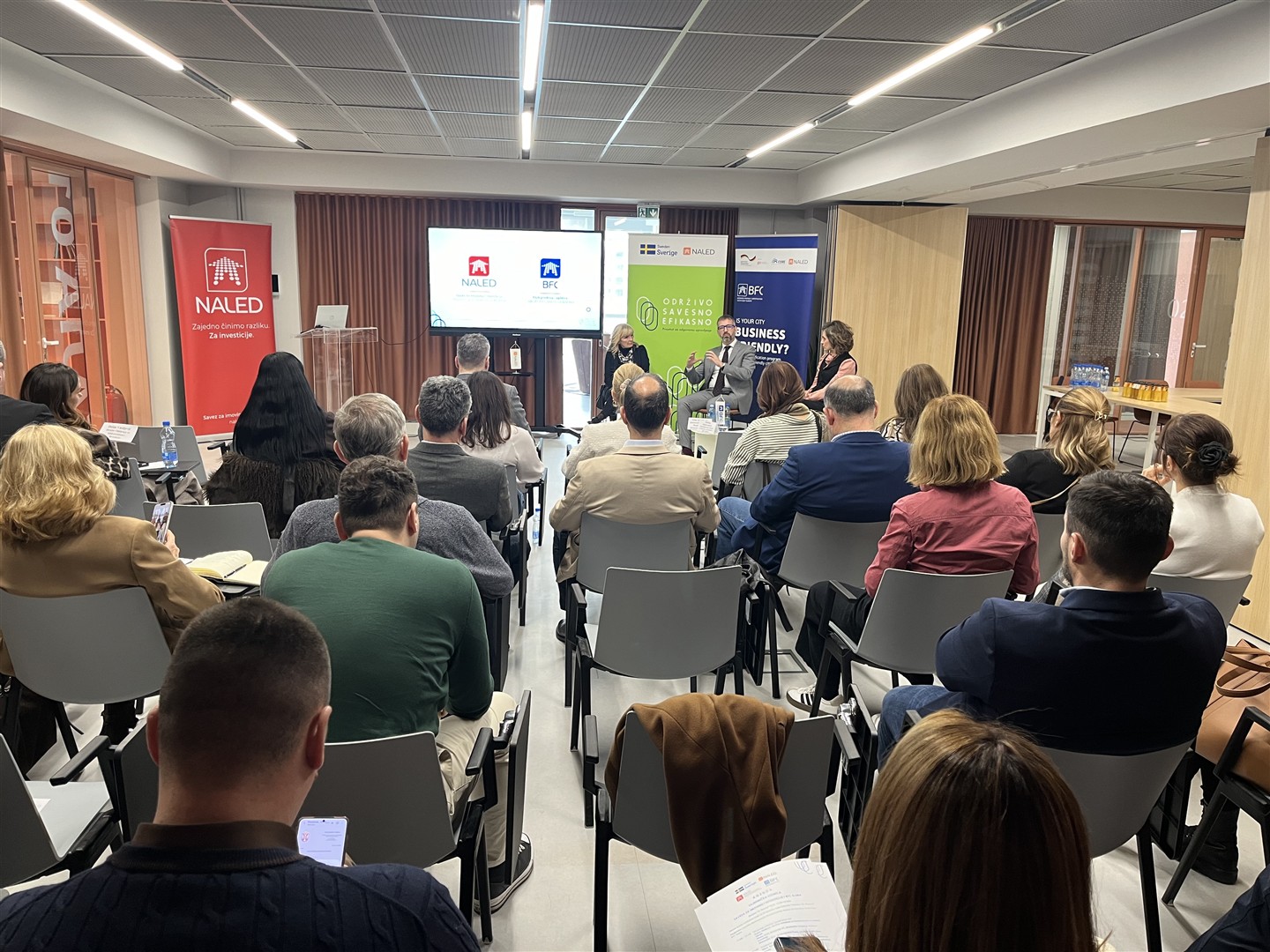
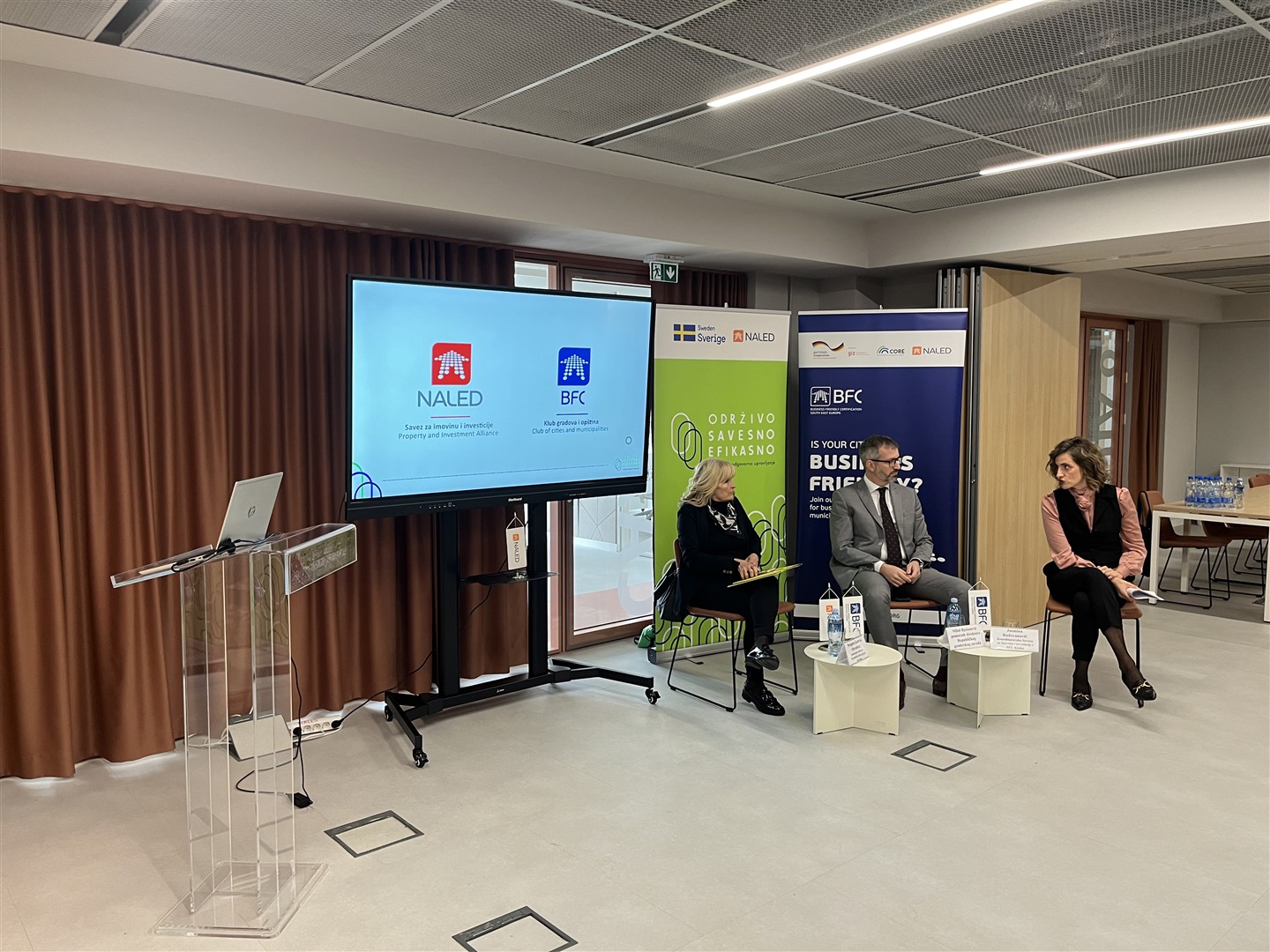
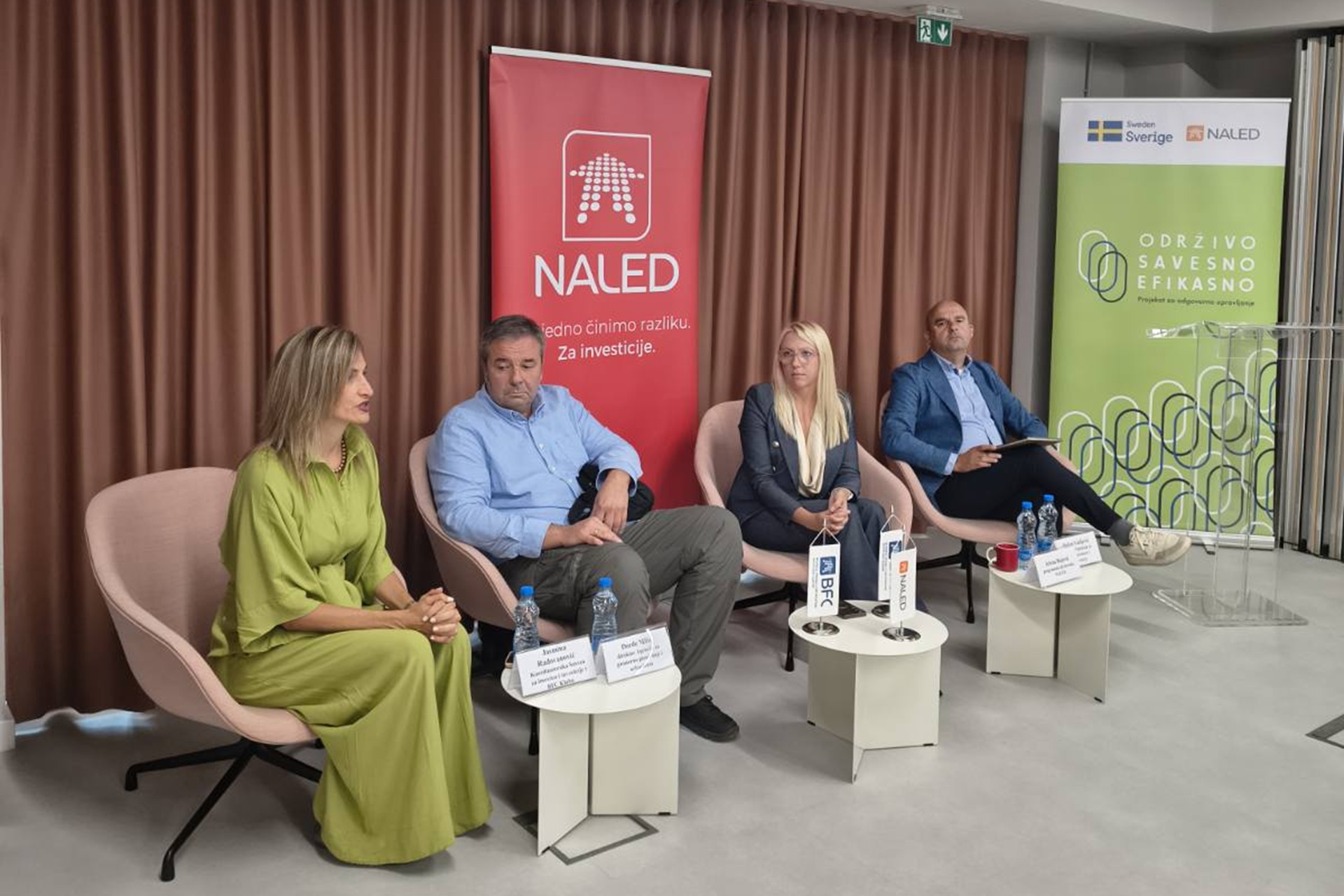
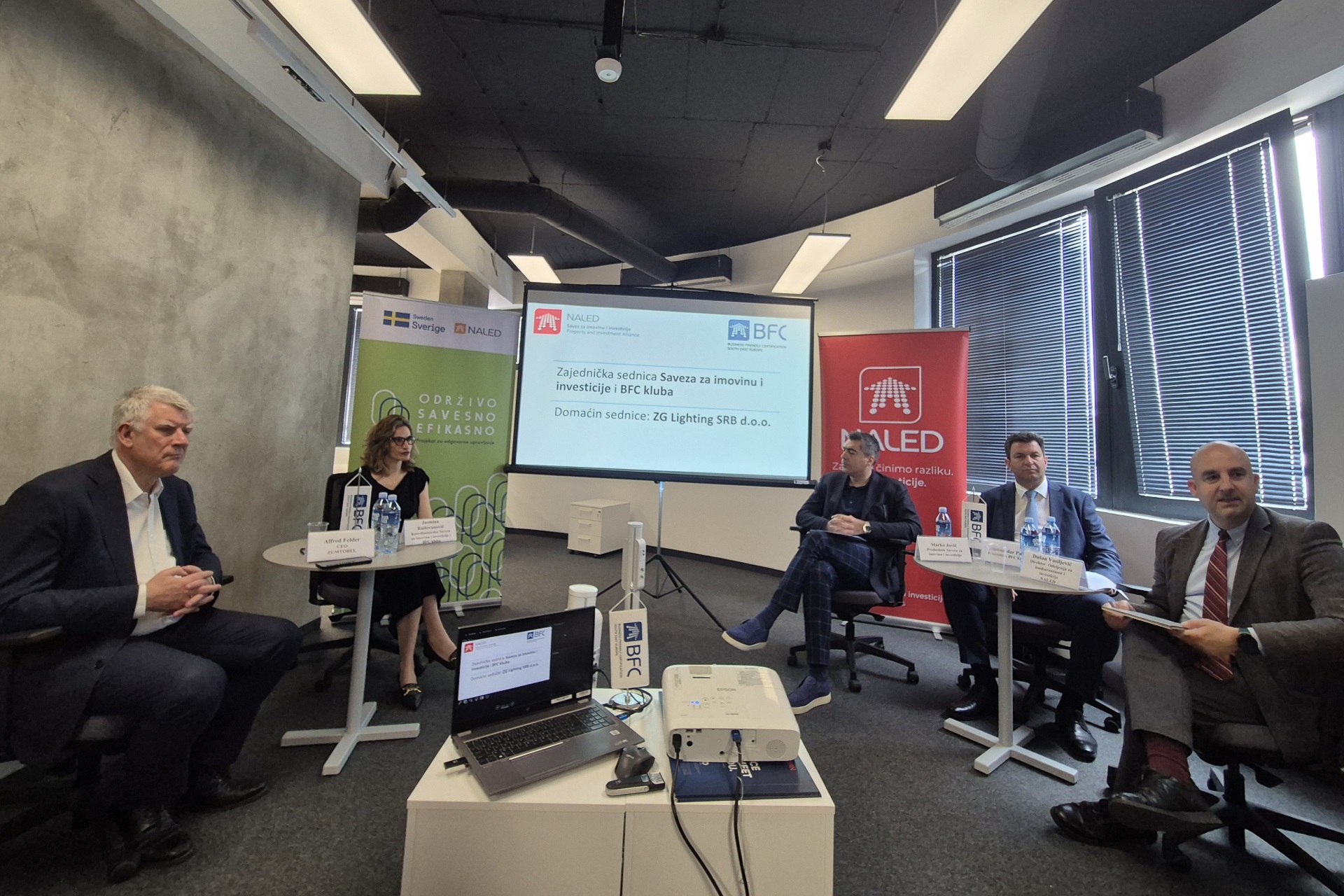
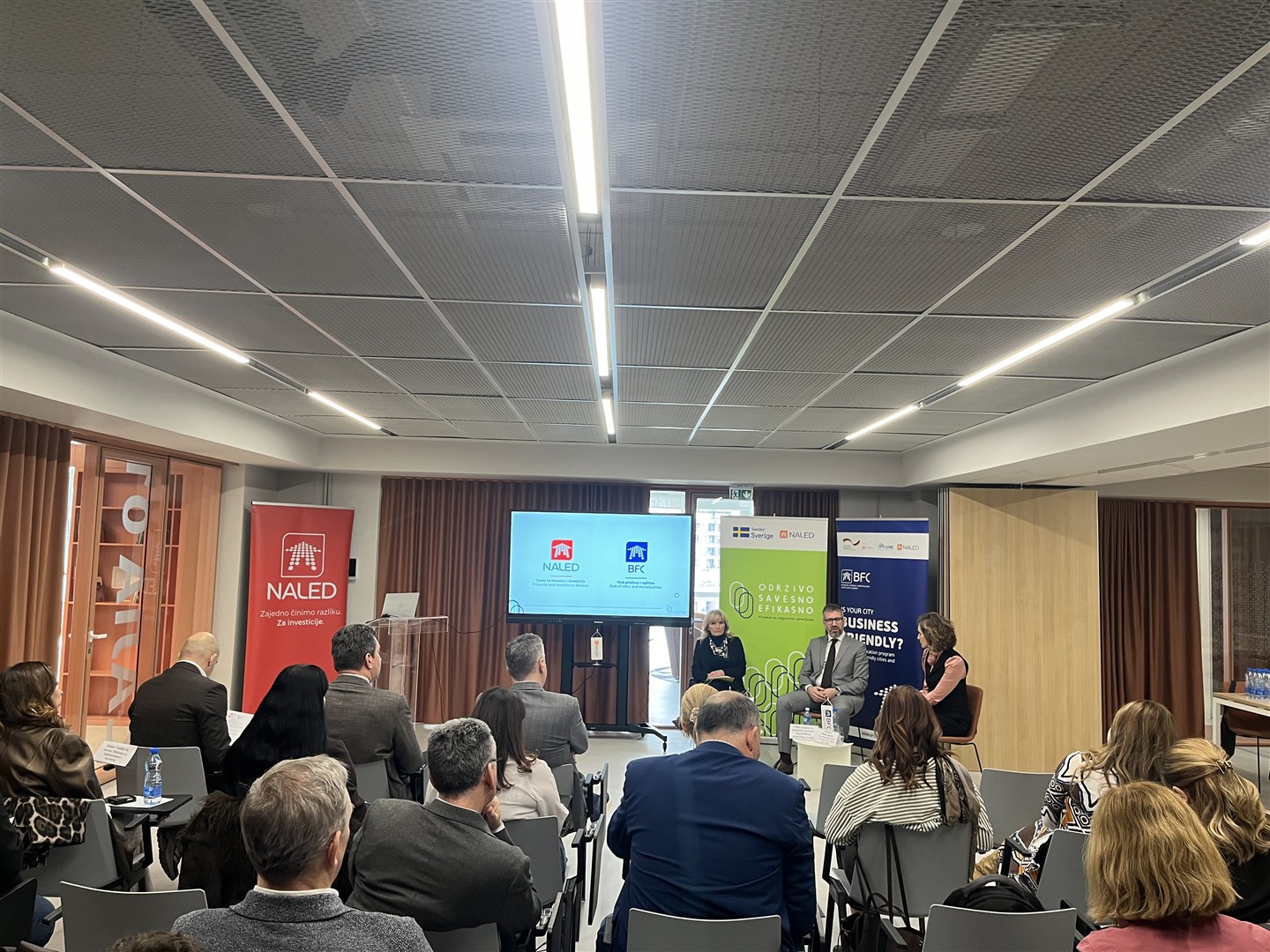
“We are continuing the work we began in 2023, with the support of the Government of Sweden, through the project ‘More Efficient Public Procurement and Better Governance for Greater Competitiveness.’ At that time, we prepared a proposal for a comprehensive reform of the management and disposal of real estate, including public property, and the recommendations from that study have already delivered initial results. Among them are the abolition of conversion, which opened space for investments worth hundreds of millions of euros, as well as enabling the registration of ownership rights over properties built without the appropriate permits, for which around 2.5 million applications have been submitted,” said Dušan Vasiljević, Director of the Competitiveness and Investment Department at NALED, at a joint session of the Property and Investment Alliance and the Club of Cities and Municipalities with a Favorable Business Environment.
The analysis also states that state-owned land is one of the country’s most significant development resources. Approximately 1.95 million cadastral parcels, covering more than 15.6 billion square meters, are registered as state property with designated users. The structure of land varies by region - construction land dominates in Belgrade, agricultural land in Vojvodina, while forest land prevails in Southern and Eastern Serbia, as well as in Šumadija and Western Serbia.
Particular attention is drawn to a fund of more than 5,000 co-owned construction land parcels, with a total area of around 51.5 million square meters, which represents a priority for active management and investment attraction.
In its recommendations, NALED also proposed so-called “convalidation” as part of a special mechanism for aligning data from the real estate cadastre with the factual situation. The latest amendments to the Law on State Survey and Cadastre introduced so-called targeted convalidation for a certain number of cases in which citizens can register ownership rights over properties in situations where this was previously not possible under the applicable regulations.
“Targeted convalidation represents a simplified registration procedure in the cadastre using old documents whose formal deficiencies previously prevented registration of legal properties. Citizens and businesses can submit documentation for registration via the portal konvalidacija.rgz.gov.rs without additional costs. Only after receiving confirmation that registration based on the submitted documents is possible can they initiate the formal procedure for registering rights in the cadastre. So far, around 4,400 applications have been submitted, and we expect the number to continue growing, as there is no time limit for filing requests,” said Miloš Bjelanović, Assistant Director of the Republic Geodetic Authority in the Legal Affairs Sector.
The session was also addressed by the President of NALED’s Club of Cities and Municipalities with a Favorable Business Environment, the Mayor of Šabac, Aleksandar Pajić.
“The BFC Club remained in 2025 a strong platform for dialogue and a driver of systemic improvements in the field of local economic development. We have shown that joint efforts can produce systemic solutions to problems, such as launching the initiative on de facto expropriation aimed at reducing financial risks and strengthening legal certainty for local governments. At the same time, we worked on digitalization, strengthening capacities for the energy transition, and improving the regulatory framework,” said Pajić.
NALED’s recommendations also relate to fairer property taxation, optimizing the agricultural land consolidation process, and more rational implementation of expropriation. All these recommendations concern real estate whose total value is measured in hundreds of millions or even billions of euros, which makes the development potential of resolving their legal status enormous.
The session also presented the results of the work of the Property and Investment Alliance over the past year, as outlined by its President, Marko Jović.
“The year 2025 was marked by intensive work, concrete reform progress, and strong commitment to improving the business environment in the areas of property, investment, and legal certainty. Several initiatives launched and advocated by the Property and Investment Alliance were fully implemented over the past year. These results are not an end in themselves, but part of a broader vision of creating a stable, predictable, and sustainable system of property and investment management in the Republic of Serbia,” said Jović.